
Hair Care
What Sauce Can I Add to Dog Food? 10+ Tasty Toppers
May
Every dog owner knows the look: your dog stares at the bowl, then at you, then back at the bowl, as if the kibble has personally offended them. Before you start negotiating like a five-star chef with a furry food critic, here is the good news: yes, you can add sauce to dog food. The better news? You do not need fancy ingredients, a culinary degree, or a tiny apron that says “Bone Appétit.”
The safest sauces for dog food are simple, plain, low-fat, low-sodium, and free from toxic ingredients such as onion, garlic, chives, xylitol, chocolate, grapes, raisins, and heavy seasonings. A dog food topper should make meals more appealing without turning dinner into a digestive drama. Think of it as a flavor upgrade, not a full menu rewrite.
This guide covers more than 10 tasty toppers and sauces you can add to dog food, how much to use, what to avoid, and how to introduce new flavors without upsetting your dog’s stomach. As always, dogs with allergies, kidney disease, pancreatitis, diabetes, obesity, sensitive stomachs, or prescription diets should get a veterinarian’s approval before adding regular toppers.
Are Sauces Safe for Dogs?
Some sauces are safe for dogs, but most human sauces are not dog-friendly. The problem is not always the main ingredient. Chicken sounds innocent. Tomato sounds harmless. Peanut butter sounds like a dog’s retirement plan. But many sauces made for humans include salt, sugar, oils, butter, onions, garlic, artificial sweeteners, spices, or high-fat ingredients that can cause problems.
A safe dog food sauce should meet four basic rules:
- It is plain and unseasoned.
- It contains no onion, garlic, chives, or xylitol.
- It is low in salt, fat, and sugar.
- It is served in small amounts as a topper, not as the main meal.
Veterinary nutrition guidance often recommends that treats and extras make up no more than about 10% of a dog’s daily calories. In plain English: toppers are the confetti, not the cake. Your dog’s complete and balanced food should still do the heavy nutritional lifting.
How Much Sauce Should You Add to Dog Food?
Start small. A teaspoon or two is enough for many small dogs, while medium and large dogs may do well with one to three tablespoons, depending on their size, activity level, health, and calorie needs. If your dog has a sensitive stomach, begin with even less. Dogs do not need a soup bowl of gravy to appreciate dinner. Most are thrilled by the smallest splash of flavor, because dogs are wonderfully easy to impress.
Introduce only one new topper at a time and watch for vomiting, diarrhea, itching, gas, appetite changes, or unusual tiredness. If anything seems off, stop using the topper and call your veterinarian. A sauce that works beautifully for one dog may not agree with another. Dogs are individuals, even when they all agree that dropped pizza crust is a major life event.
What Sauce Can I Add to Dog Food? 10+ Tasty Toppers
1. Warm Water “Kibble Gravy”
The simplest dog food sauce is warm water. It sounds boring to humans, but to dogs it can release aroma from dry kibble and create a soft gravy-like texture. Add a small splash of warm water to the bowl, let it sit for a few minutes, then stir. This is especially helpful for dogs that prefer softer food or older dogs that struggle with hard kibble.
Use warm water, not boiling water. The goal is dinner, not a canine hot tub. This topper adds moisture without calories, salt, or extra ingredients, making it one of the safest options for everyday use.
2. Unsalted Bone Broth
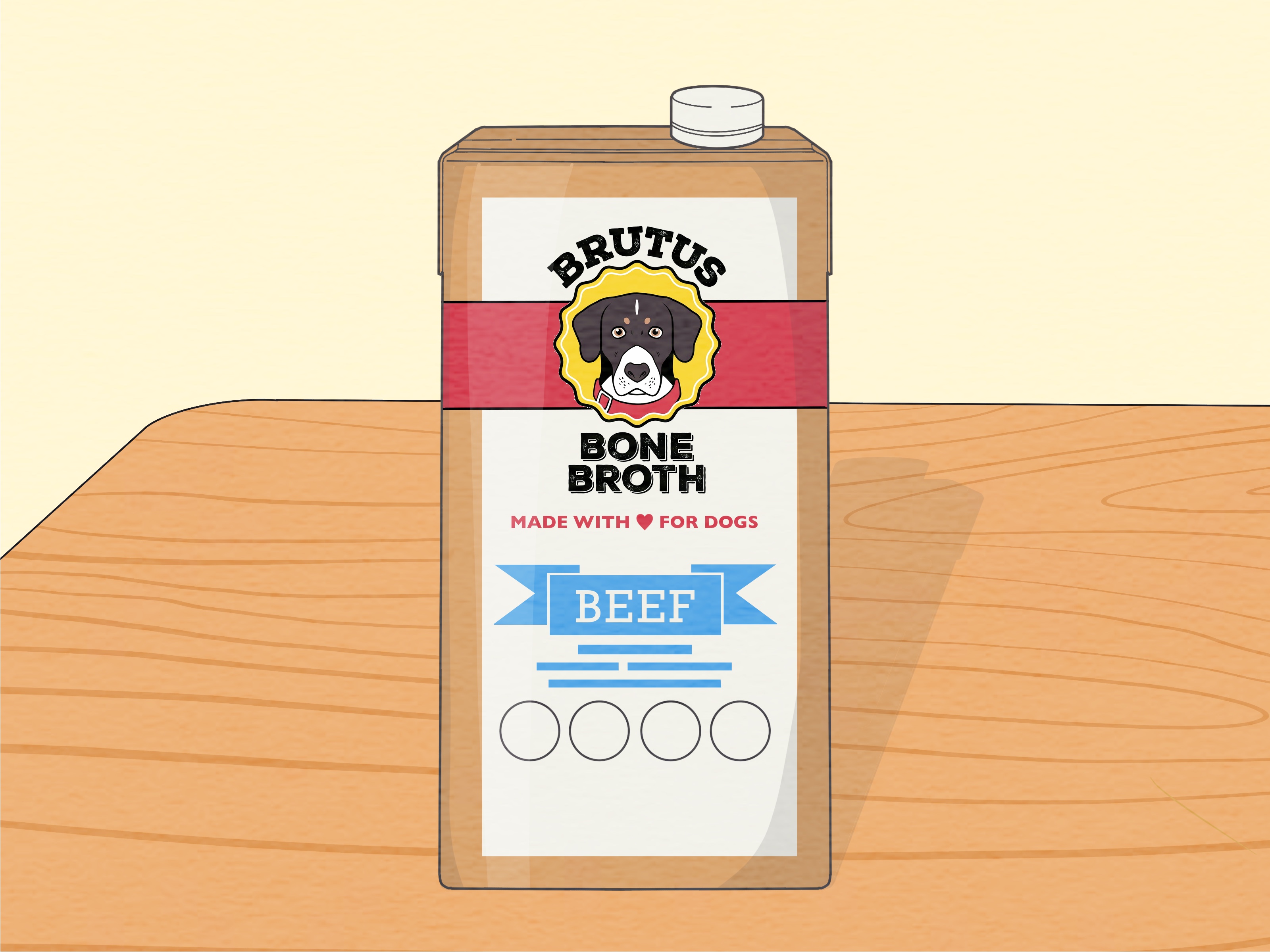
Unsalted bone broth can be a tasty sauce for dog food when it is made without onion, garlic, chives, heavy salt, or spices. Many dogs love the meaty aroma, and the added moisture can make dry food more appealing. Choose a product labeled dog-safe or make your own by simmering plain bones and meat scraps, then straining carefully and removing fat from the surface after cooling.
Do not give cooked bones to your dog. Only use the strained liquid. Also, avoid store-bought broths unless you have checked the ingredient list carefully. Human broths often contain onion or garlic powder, which are unsafe for dogs.
3. Plain Chicken or Turkey Broth
Plain chicken or turkey broth is another easy sauce for dog food. Boil skinless, boneless chicken or turkey in water without salt or seasoning. Once cooked, remove the meat and use a small amount of the cooled liquid over your dog’s regular food. You can also shred a tiny bit of the meat into the bowl for extra excitement.
This topper is especially useful for picky eaters, but keep it lean. Avoid broth made from fatty skin, greasy drippings, gravy, or roasted holiday leftovers. If the broth looks oily, chill it and skim off the fat before serving.
4. Pure Pumpkin Sauce
Plain canned pumpkin can be mixed with warm water to create a smooth, spoonable sauce. Use 100% pumpkin purée, not pumpkin pie filling. Pumpkin pie filling may contain sugar, spices, or other ingredients that are not appropriate for dogs.
Pumpkin is popular because it contains fiber and has a mild flavor many dogs enjoy. A small spoonful can add body to kibble and make the bowl look more interesting. For tiny dogs, start with half a teaspoon. For larger dogs, one or two tablespoons may be plenty. Too much pumpkin can backfire and loosen stools, proving once again that moderation is not just a word humans use when avoiding a second cupcake.
5. Plain Greek Yogurt
Plain, unsweetened Greek yogurt can be used as a creamy dog food topper for dogs that tolerate dairy. It should contain no added sugar, no artificial sweeteners, and absolutely no xylitol. Greek yogurt is thicker than regular yogurt, so you can stir it with a little water to make a sauce.
Use low-fat or nonfat options when possible, especially for dogs that need to watch calories. Avoid flavored yogurts such as vanilla, strawberry, or dessert-style varieties. They may contain sugar, sweeteners, or additives your dog does not need. If your dog gets gas or diarrhea after dairy, choose another topper. Your nose will thank you.
6. Plain Kefir
Plain, unsweetened kefir is a pourable fermented dairy product that some dogs enjoy. Like yogurt, it should be introduced slowly and only if your dog handles dairy well. Choose plain kefir with no sweeteners, fruit flavoring, chocolate, or additives.
A teaspoon mixed into kibble can be enough for small dogs. Larger dogs may get a little more, but this is still a topper, not a beverage. If your dog is lactose-sensitive or has a history of stomach upset, skip kefir unless your veterinarian recommends it.
7. Mashed Sweet Potato Sauce
Cooked sweet potato can be mashed with warm water into a smooth sauce for dog food. Use plain boiled or baked sweet potato with no butter, salt, brown sugar, marshmallows, spices, or syrup. Yes, dogs may look emotionally prepared for Thanksgiving casserole. No, they do not need it.
Sweet potato adds natural sweetness and fiber, so small amounts go a long way. This topper works well when you want something soft and gentle, but it still adds calories. Use it sparingly for dogs that are overweight or on calorie-controlled diets.
8. Carrot Purée
Cooked carrots blended with a little water make a bright, mild sauce that can be stirred into dog food. Carrots are naturally sweet, low in fat, and easy to prepare. Boil or steam them until soft, then mash or blend.
For a smoother texture, add warm water until the purée becomes spoonable. Avoid canned carrots with added salt or seasoning. This is a great option for dogs who enjoy vegetables, though some dogs will inspect carrots with the suspicion of a detective at a crime scene.
9. Green Bean Purée
Plain green beans can be steamed and blended into a low-calorie topper. Use fresh or frozen green beans with no salt, butter, sauces, or seasonings. Green bean purée is not as glamorous as bone broth, but it can add moisture and texture without too many calories.
This topper may be helpful for dogs that need a little bowl volume while keeping calories reasonable. Still, it should not replace a balanced weight-management plan from your veterinarian if your dog needs to lose weight.
10. Low-Fat Cottage Cheese Sauce
Low-fat cottage cheese can be mixed with water to create a creamy topper for dogs that tolerate dairy. Choose plain, low-sodium cottage cheese when available. A small spoonful is enough for most dogs.
Cottage cheese adds protein and creaminess, but it can also add sodium and calories, depending on the brand. Read the label and keep portions modest. If your dog has kidney disease, heart disease, pancreatitis, or a sodium-restricted diet, ask your veterinarian before using cottage cheese.
11. Egg-and-Water Topper
Cooked egg can become a soft topper when chopped or mashed with warm water. Eggs should be cooked plain, with no oil, butter, salt, cheese, or seasoning. A small amount can make dog food smell more interesting and add a protein boost.
Do not use raw egg as a regular topper without veterinary guidance. Cooked egg is safer and easier for most pet owners to handle. For small dogs, a tiny portion of egg may be plenty. For large dogs, a bit more may be appropriate, but remember the 10% rule for treats and extras.
12. Plain Sardine or Salmon Water
The water from canned sardines or salmon can be used as a flavorful drizzle if the fish is packed in water with no added salt. You can also mash a small amount of the fish into the food. Fish toppers can be highly aromatic, which is a polite way of saying your dog will think it smells incredible and your kitchen may briefly smell like a dock.
Avoid fish packed in oil, sauces, brine, garlic, tomato sauce, or spicy seasonings. Use small amounts because fish can add calories and fat. If your dog has pancreatitis or needs a low-fat diet, ask your veterinarian first.
13. Xylitol-Free Peanut Butter Drizzle
Peanut butter can be thinned with warm water into a dog-safe drizzle, but only if it is free from xylitol, chocolate, and excessive salt or sugar. Xylitol is extremely dangerous for dogs, so the ingredient label matters every single time. Choose simple peanut butter with peanuts as the main ingredient.
Because peanut butter is high in fat and calories, use a very small amount. This is not an everyday sauce for every dog. It is better as an occasional treat, enrichment toy filling, or special topper when your dog deserves a tiny celebration for being adorable on a Tuesday.
14. Wet Dog Food Gravy
One of the easiest ways to add sauce to dog food is to mix in a spoonful of wet dog food. Many canned dog foods naturally create a gravy or pâté-like texture when stirred with warm water. This option is convenient because complete and balanced wet foods are formulated for dogs, unlike random leftovers from the fridge.
Choose a formula appropriate for your dog’s life stage and health needs. If your dog already eats a specific brand or prescription diet, ask your vet whether a matching wet version is available. This can be a smart solution for picky eaters without wandering into risky human-food territory.
Human Sauces You Should Not Add to Dog Food
Many popular sauces are not safe for dogs. Even a sauce that seems “natural” may contain ingredients that are harmful to pets. Avoid adding these to dog food:
- Gravy made with onions, garlic, fat, or pan drippings
- Barbecue sauce
- Ketchup or sweet tomato sauces
- Pasta sauce, especially with garlic or onion
- Soy sauce or teriyaki sauce
- Hot sauce or chili sauce
- Ranch, blue cheese, or creamy salad dressings
- Cheese sauce
- Chocolate sauce
- Sugar-free sauces or syrups that may contain xylitol
- Alcohol-based sauces or marinades
The big concerns are toxicity, salt, fat, sugar, and digestive upset. Onion, garlic, and chives can damage dogs’ red blood cells. Xylitol can cause a dangerous drop in blood sugar and other serious effects. High-fat sauces may trigger vomiting, diarrhea, or pancreatitis in susceptible dogs. When in doubt, leave it out.
How to Make a Simple Dog-Safe Sauce at Home
Here is a basic recipe that works as a flexible dog food sauce:
Basic Dog-Safe Broth Sauce
- 1 cup plain cooked chicken or turkey
- 2 cups water
- 1 tablespoon plain pumpkin purée, optional
Simmer the plain meat in water until fully cooked. Remove the meat, let the liquid cool, and skim off visible fat. Blend a small amount of the broth with pumpkin if you want a thicker sauce. Spoon a little over your dog’s regular meal and refrigerate leftovers for up to three days. You can also freeze small portions in an ice cube tray.
Do not add salt, garlic, onion, butter, oil, bouillon cubes, or seasoning blends. Bouillon is especially tricky because many versions are salty and may contain onion or garlic powder.
Best Sauces for Picky Dogs
For picky dogs, aroma matters. Warm water, plain broth, wet dog food gravy, and a tiny amount of fish water can make meals smell more appealing. Warming the topper slightly can help release scent, but always test the temperature before serving. Dogs are enthusiastic, not patient.
If your dog suddenly becomes picky after previously eating well, do not assume they are just being dramatic. A sudden appetite change can signal dental pain, stomach upset, illness, stress, or medication side effects. If your dog refuses food for more than a day, vomits, has diarrhea, seems tired, or acts unusual, call your veterinarian.
Best Sauces for Senior Dogs
Senior dogs may benefit from added moisture because dry kibble can be harder to chew. Warm water, unsalted broth, and wet dog food gravy are gentle options. If your older dog has dental disease, kidney disease, heart disease, or a prescription diet, check with your vet before adding toppers regularly.
Soft sauces can help make food easier to eat, but they should not hide a medical problem. If your senior dog drops food, chews on one side, has bad breath, paws at the mouth, or refuses hard food, a dental exam may be needed.
Best Sauces for Dogs With Sensitive Stomachs
For sensitive stomachs, keep toppers boring in the best possible way. Warm water, plain pumpkin, and small amounts of plain chicken broth are usually better starting points than dairy, peanut butter, or fish. Add one topper at a time and wait several days before trying another.
If your dog has repeated diarrhea, vomiting, or food intolerance, toppers are not a long-term fix. Your veterinarian may recommend a specific diet, testing, or a feeding plan. Food experiments can be fun, but your dog’s digestive tract should not become a science fair volcano.
Can Puppies Have Sauce on Their Food?
Puppies can be more sensitive than adult dogs because they are growing quickly and need balanced nutrition. If you add toppers to puppy food, keep them very small and simple. Warm water is usually the safest choice. Plain wet puppy food mixed with kibble can also work if it matches your puppy’s life stage.
Avoid rich sauces, dairy-heavy toppers, and frequent extras that could crowd out complete puppy nutrition. Large-breed puppies, in particular, need carefully balanced diets to support healthy growth. Ask your veterinarian before making toppers a daily habit.
Quick Safety Checklist Before Adding Sauce
- Read every ingredient label.
- Avoid onion, garlic, chives, xylitol, chocolate, grapes, raisins, macadamia nuts, alcohol, caffeine, and nutmeg.
- Choose low-fat and low-sodium options.
- Start with a tiny amount.
- Use toppers as less than 10% of daily calories.
- Stop if your dog develops stomach upset or itching.
- Ask your vet if your dog has a medical condition or prescription diet.
Real-Life Experience: What Actually Works When Adding Sauce to Dog Food
In everyday dog-parent life, the best sauce is rarely the fanciest one. The most successful toppers tend to be the ones that are easy, predictable, and gentle on the stomach. A splash of warm water can turn dry kibble into something that smells fresher. A spoonful of plain pumpkin can make a meal feel special without sending the calorie count into orbit. A little unsalted broth can convince a picky dog that dinner has received a luxury upgrade, even if the chef is still wearing pajama pants.
One practical lesson is that dogs notice routine. If you add a rich topper every night, some dogs quickly decide that plain kibble is no longer acceptable. Congratulations, you have accidentally trained a tiny restaurant critic. To avoid this, rotate simple toppers or use them only when needed. For example, use warm water most days, broth when your dog needs encouragement, and pumpkin only when it fits your dog’s digestion and diet.
Another experience many owners share is that less is usually enough. Humans tend to overdo toppings because we imagine meals from our own perspective. Dogs, however, often respond to aroma more than volume. One tablespoon of warm broth stirred through kibble may be more effective than half a cup poured on top. Mixing the sauce evenly matters too. If the tasty part sits only on top, some clever dogs will lick off the topper and leave the rest like a rejected salad.
Texture also makes a difference. Dogs with dental sensitivity, senior dogs, or dogs recovering from minor stomach upset may prefer softened food. Letting kibble sit with warm water or broth for five to ten minutes can create a softer, more comfortable meal. On the other hand, some dogs love crunch and only need a light drizzle. Your dog will usually make their preference clear, possibly through dramatic facial expressions.
Storage is another small detail that matters. Homemade sauces should be refrigerated quickly and used within a few days. Freezing broth in small cubes is convenient because you can thaw one portion at a time. It also helps with portion control. A giant container of homemade broth sounds efficient until you forget it in the fridge and it begins developing its own personality.
For picky eaters, toppers work best when they support a bigger feeding routine. Serve meals at regular times, leave the bowl down for a reasonable period, and avoid constantly switching foods out of panic. If your dog learns that refusing breakfast leads to three emergency topper options and a worried audience, they may hold out for the good stuff. Dogs are loving, loyal, and occasionally brilliant little negotiators.
The most important experience-based tip is to watch the dog, not the trend. Social media may praise a topper as magical, but your dog’s body gets the final vote. If a sauce causes loose stool, itching, vomiting, or changes in behavior, it is not the right topper for your dog. A boring sauce that keeps your dog happy and healthy beats a viral recipe every time.
In the end, adding sauce to dog food should make meals more enjoyable without creating health risks or bad habits. Keep it plain, keep it small, and keep your veterinarian in the loop when health conditions are involved. Your dog does not need gourmet gravy. They need safe flavor, steady nutrition, and someone who understands that dinner is clearly the most important meeting of the day.
Conclusion
So, what sauce can you add to dog food? The safest choices are simple toppers such as warm water, unsalted broth, plain pumpkin, plain Greek yogurt, kefir, mashed sweet potato, carrot purée, green bean purée, low-fat cottage cheese, cooked egg, fish water from no-salt canned fish, xylitol-free peanut butter drizzle, and wet dog food gravy. The key is to keep every topper plain, low in salt, low in fat, and free from ingredients that are toxic to dogs.
Skip human sauces like gravy, barbecue sauce, ketchup, pasta sauce, soy sauce, ranch, hot sauce, and anything sugar-free unless you are absolutely certain it is dog-safe. When you introduce a new sauce, start small and watch your dog’s response. A good topper should make your dog’s meal more appealing, not turn your evening into a carpet-cleaning adventure.
Used wisely, dog food sauces can help picky eaters, add moisture, support senior dogs, and bring a little excitement to the bowl. Just remember: the best dog food topper is not the richest or trendiest one. It is the one that is safe, simple, and right for your dog.

