
Makeup
6 Common Hair Styling Mistakes That Are Damaging Your Hair
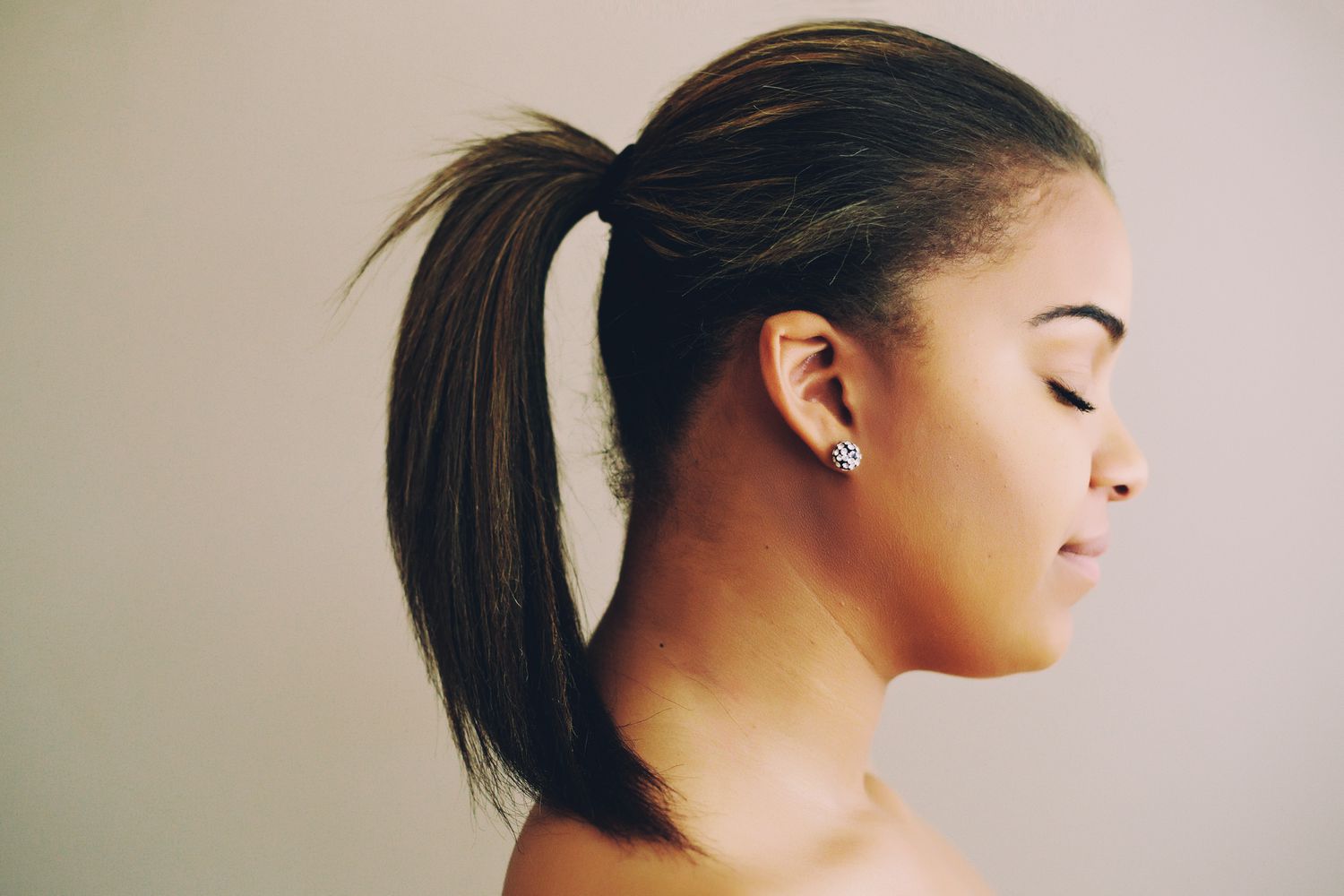
Jul
Your hair may be strong enough to survive wind, humidity, questionable shampoo choices, and that one haircut you emotionally recovered from in 2017. But even the healthiest strands have limits. Many people blame “bad hair genes” when their hair looks dry, frizzy, dull, thin at the edges, or full of split ends. In reality, the problem is often hiding in plain sight: daily styling habits.
The tricky part is that most hair styling mistakes do not look dramatic at first. You do not hear a tiny hair alarm screaming, “Please step away from the flat iron!” Instead, damage builds slowly. A little too much heat here, a tight ponytail there, aggressive towel drying after every wash, and suddenly your ends feel like a broom that has seen things.
The good news? You do not have to give up styling, hot tools, sleek buns, curls, volume, or looking like you made an effort. You simply need to style smarter. Below are six common hair styling mistakes that are damaging your hair, plus practical ways to protect your strands without turning your bathroom into a laboratory.
Why Hair Styling Mistakes Cause Damage
Hair may look simple, but each strand has layers. The outer layer, called the cuticle, acts like protective shingles on a roof. When the cuticle lies smooth, hair looks shiny, soft, and healthy. When it becomes rough, lifted, or worn down, hair can feel dry, tangle easily, frizz, split, and break.
Styling damage usually comes from three main sources: heat, friction, and tension. Heat weakens and dries the hair shaft when used too often or at too high a temperature. Friction from rough towels, harsh brushing, and snagging accessories can chip away at the cuticle. Tension from tight hairstyles can pull on the roots and, over time, may contribute to breakage or traction-related hair loss.
In other words, your hair is not being “dramatic.” It is responding to repeated stress. Let’s talk about the habits most likely to cause trouble.
1. Using Too Much Heat Without Protection
Heat styling is the celebrity villain of hair damage, and honestly, it has earned the role. Blow dryers, curling irons, flat irons, hot brushes, and hot combs can all be useful tools, but they can also dry out the hair shaft and weaken the cuticle when used too often or incorrectly.
What this mistake looks like
You might be damaging your hair with heat if you:
- Use a flat iron or curling iron almost every day.
- Turn hot tools to the highest setting because “faster is better.”
- Run the iron over the same section again and again.
- Blow-dry soaking wet hair on high heat.
- Skip heat protectant because you are “just touching up a few pieces.”
That “few pieces” excuse is how many bangs have entered their villain era.
Why it damages hair
Excessive heat can make hair dry, rough, brittle, and more likely to split. If your hair is colored, bleached, relaxed, permed, fine, curly, or already damaged, it may be even more vulnerable. High heat can also affect curl pattern, causing curls and waves to look limp, stretched, or uneven.
How to fix it
Use the lowest effective heat setting, not the hottest possible one. Fine or damaged hair usually needs less heat than thick or coarse hair. Let your hair partially air-dry before blow-drying, and keep the dryer moving instead of blasting one section like you are defrosting a windshield.
Apply a heat protectant before using hot tools. It will not make your hair invincible, but it can reduce direct heat stress and improve slip. Limit hot tools when possible, and try heatless styling methods such as braids, rollers, wraps, buns, satin rods, or air-dry creams. Your hair does not need to be grilled into submission every morning.
2. Pulling Hair Too Tight
A sleek ponytail can look polished. A tight bun can survive a workout, a workday, and a small emotional crisis. But if your hairstyle hurts, pulls, gives you a headache, or makes your scalp feel sore, your hair is sending a very clear message: loosen the grip.
What this mistake looks like
Common tension-heavy styles include:
- Tight ponytails and buns.
- Very tight braids, cornrows, or locs.
- Heavy extensions or weaves.
- Updos that pull around the hairline.
- Rollers worn tightly or slept in frequently.
- Hair coverings placed over already tightly pulled hair.
If you remove a hairstyle and immediately feel relief, that style was not just “snatched.” It was possibly too tight.
Why it damages hair
Repeated pulling can weaken strands and stress the follicles. Over time, tight styling can contribute to breakage around the hairline, thinning edges, tender spots, bumps, and traction alopecia, a form of hair loss caused by repeated tension on the hair.
This does not mean protective styles are bad. Many protective styles are excellent when installed gently, maintained properly, and not worn too long. The issue is tension, weight, and repetition.
How to fix it
Choose looser styles whenever possible. Use soft, covered hair ties instead of plain rubber bands. Give your hairline a break between tight styles. If you wear braids, extensions, or weaves, make sure they are not painful and are not excessively heavy. Rotate hairstyles so the same areas are not constantly under stress.
Watch for warning signs: pain, stinging, bumps, crusting, broken hairs around the forehead, or a receding-looking hairline. If these appear, change the style immediately. A hairstyle should not require your scalp to file a formal complaint.
3. Brushing or Detangling Hair Too Aggressively
There is a difference between brushing your hair and entering a wrestling match with it. Many people cause breakage not because they brush, but because they brush too hard, too often, with the wrong tool, or from the wrong starting point.
What this mistake looks like
You may be detangling too aggressively if you:
- Start brushing at the roots and drag knots downward.
- Rip through tangles quickly because you are in a hurry.
- Brush wet straight hair without letting it dry a bit first.
- Use a brush that snags or has rough bristles.
- Believe the old myth that hair needs 100 brush strokes a day.
Your hair does not need 100 strokes. That is not hair care; that is cardio for your arm.
Why it damages hair
Hair is more fragile when wet, and rough brushing can stretch and snap strands. Starting at the scalp pushes tangles into bigger knots at the ends, which increases pulling and breakage. Over-brushing can also create friction, frizz, and cuticle wear.
How to fix it
Detangle from the ends first, then slowly work upward in small sections. Use a wide-tooth comb or a brush designed for gentle detangling. If you have straight hair, let it dry slightly before combing. If you have curly, coily, or textured hair, detangling while damp and conditioned may be gentler and more effective.
Add slip with conditioner, leave-in conditioner, or detangling spray. Hold the section of hair above the knot while detangling to reduce pulling at the roots. Most importantly, slow down. Your hair is not a racecourse, and the finish line should not be a sink full of broken strands.
4. Rough Towel Drying After Washing
After a shower, many people grab a towel and scrub their hair like they are trying to polish a bowling ball. It feels efficient, but rough towel drying is one of the sneakiest hair styling mistakes that are damaging your hair.
What this mistake looks like
You might be towel-damaging your hair if you:
- Rub your hair back and forth with a regular terry towel.
- Twist wet hair tightly into a towel turban.
- Rough up your curls while drying.
- Brush immediately after harsh towel drying.
- Use towel friction to “speed things up.”
Why it damages hair
Wet hair is vulnerable. Rubbing creates friction, lifts the cuticle, encourages frizz, and can cause breakage. This is especially noticeable on curly, fine, bleached, or dry hair because those hair types often show frizz and breakage faster.
How to fix it
Blot, squeeze, or wrap instead of rubbing. Use a microfiber towel or a soft cotton T-shirt to absorb excess water. For curls, try gently scrunching upward with a towel or T-shirt instead of rubbing downward. Let your hair air-dry partially before styling, especially before heat tools.
If you love a towel wrap, keep it loose and do not leave heavy wet hair twisted tightly for too long. The goal is to absorb water, not torque your roots into a yoga pose.
5. Skipping Conditioner or Using Products the Wrong Way
Conditioner is not an optional luxury reserved for people in shampoo commercials who laugh while standing in waterfalls. It is one of the simplest ways to improve manageability and reduce friction during styling.
What this mistake looks like
This mistake often shows up as:
- Skipping conditioner because hair feels “too flat.”
- Only conditioning once in a while.
- Applying shampoo to the entire hair length and scrubbing hard.
- Using long-lasting hold products daily, then combing through stiff hair.
- Layering dry shampoo, gel, hairspray, mousse, and texturizer without proper cleansing.
Why it damages hair
Shampoo is meant mainly for the scalp, where oil, sweat, and buildup collect. Scrubbing shampoo through the ends can dry them out. Skipping conditioner can leave hair harder to detangle, which increases breakage during brushing and styling.
Long-lasting hold products can also create stiffness. When hair is stiff, combing, brushing, or restyling can cause snapping. Product buildup may make hair feel dull, coated, heavy, or rough.
How to fix it
Focus shampoo on your scalp and let the lather rinse through the lengths. Use conditioner after shampooing, especially on mid-lengths and ends. If your hair is fine, choose a lightweight conditioner and apply it mostly to the ends. If your hair is dry, curly, coily, thick, or chemically treated, you may need richer conditioning and occasional deep treatments.
Use strong-hold products strategically, not as a daily helmet. Avoid combing through crunchy gel or hairspray. If buildup is an issue, use a clarifying shampoo occasionally, then follow with conditioner. Think of styling products as seasoning: useful, powerful, and best when not dumped on with chaos.
6. Over-Processing With Color, Bleach, Relaxers, or Perms
Chemical services can create gorgeous results. Highlights, vivid color, relaxers, perms, keratin treatments, and smoothing services all have their place. The problem begins when hair is processed too often, layered with multiple services, or treated before it has recovered.
What this mistake looks like
You may be over-processing your hair if you:
- Bleach repeatedly within a short period.
- Color, relax, and heat-style heavily all at once.
- Touch up too frequently.
- Use box dye over salon color without knowing the formula history.
- Notice gummy, stretchy, mushy, brittle, or straw-like texture after treatments.
If your hair feels like overcooked spaghetti when wet and hay when dry, it is not being “difficult.” It is damaged.
Why it damages hair
Chemical treatments can change the structure of the hair. Done properly and spaced appropriately, they can be manageable. Done too often or combined carelessly, they can weaken the cuticle and inner structure, causing dryness, breakage, split ends, loss of elasticity, and dullness.
How to fix it
Space out chemical services. If you want more than one major treatment, talk to a licensed stylist about timing and order. Be honest about your hair history, including box dye, bleach, relaxers, henna, and previous salon services. Your stylist is not asking to judge you; they are trying to prevent your hair from making an unscheduled exit.
Use bond-supporting or strengthening treatments when recommended, but do not rely on products to cancel out every chemical choice. Deep condition regularly, reduce heat styling, and trim damaged ends. Once hair is severely split or broken, no product can permanently glue it back together. Repair routines can improve feel and appearance, but prevention is still the real MVP.
How to Tell If Your Hair Is Already Damaged
Hair damage is not always obvious at first. Look for these signs:
- Split ends or white dots at the ends.
- Short broken pieces around the crown or hairline.
- Hair that tangles more than usual.
- Dry, rough, dull, or straw-like texture.
- Frizz that does not respond to normal styling.
- Curls or waves that have lost shape.
- Increased shedding or breakage during brushing.
- A sore scalp after wearing certain hairstyles.
If you notice sudden hair loss, bald patches, scalp pain, itching, burning, scaling, or ongoing thinning, consider seeing a board-certified dermatologist or healthcare professional. Styling damage is common, but it is not the only possible cause of hair changes.
A Smarter Hair Styling Routine That Prevents Damage
You do not need a 47-step routine. In fact, your hair may be begging you to stop doing the most. A healthier styling routine can be simple:
- Wash based on your scalp and hair type, not a random internet rule.
- Apply shampoo mainly to the scalp.
- Condition after washing, focusing on the areas that need moisture most.
- Blot hair gently with a microfiber towel or soft T-shirt.
- Detangle slowly from the ends upward.
- Use heat protectant before hot tools.
- Lower the heat setting and reduce repeated passes.
- Wear looser hairstyles and rotate tension points.
- Space out chemical services.
- Trim split ends before they travel upward.
The best routine is not the fanciest one. It is the one you can follow consistently without turning your hair into a daily science experiment.
Real-Life Experiences: What These Hair Styling Mistakes Feel Like
Hair damage often becomes obvious only after months of “little” habits. Picture someone who blow-dries every morning, flat irons the front pieces, pulls everything into a tight ponytail by lunch, and then brushes through hairspray at night. None of those steps seems catastrophic alone. Together, they create a perfect storm of heat, friction, tension, and dryness.
One common experience is the mysterious halo of short hairs around the crown. Many people assume it is new growth, and sometimes it is. But if those hairs are frizzy, uneven, and concentrated where you brush, tease, or use heat, they may be breakage. The same goes for tiny snapped pieces around the sink after styling. Hair does shed naturally, but broken pieces are usually shorter than full strands and may not have a root bulb.
Another familiar situation is the “my ends never grow” problem. Hair grows from the scalp, not the ends, but if the ends keep splitting and breaking, length retention becomes difficult. Someone may grow half an inch per month but lose the same amount to breakage from bleach, rough brushing, hot tools, or skipping trims. The result feels like stalled growth, even though the scalp is doing its job.
Then there is the tight hairstyle lesson. Many people love a clean ponytail, braids, buns, or extensions because they look polished and convenient. But when the scalp feels sore at the end of the day, that is not just the price of beauty. It is a warning sign. People often notice thinning first at the temples or edges, especially when the same tight style is repeated. Loosening the style, changing placement, and giving the hairline rest can make a major difference.
Curly and textured hair often tells the story through pattern changes. A person may notice that the front curls no longer bounce back, or that one section stays limp no matter how much curl cream is applied. This often happens where heat tools are used most. The frustrating part is that damaged curl pattern does not always “spring back” overnight. It may require reducing heat, deep conditioning, trimming, and waiting for healthier new growth.
Fine hair has its own drama. Because fine strands are smaller in diameter, they can become weighed down by heavy products yet still break from heat and tension. Someone with fine hair may skip conditioner to avoid flatness, only to create more tangles and breakage. The better solution is not avoiding conditioner completely; it is choosing a lightweight formula and applying it mainly to the ends.
Perhaps the biggest real-world lesson is that healthy hair styling is about trade-offs, not perfection. You can still curl your hair for dinner, wear a sleek bun for an event, or color your hair beautifully. The key is not doing every high-stress habit every day. Give your hair recovery days. Use heat less often. Loosen styles. Add moisture. Be gentle when wet. Your hair does not need you to retire from styling; it needs you to stop treating every morning like a battle scene.
Conclusion: Style Your Hair Without Declaring War on It
The most common hair styling mistakes that are damaging your hair are usually ordinary habits: too much heat, tight hairstyles, rough brushing, towel friction, skipped conditioning, and over-processing. The fix is not to abandon style. It is to style with less stress, more protection, and a little more patience.
Your hair can handle creativity. It can handle change. It can even handle the occasional dramatic makeover. What it cannot handle forever is daily heat, constant pulling, rough wet-hair treatment, and chemical overload without recovery. Treat your strands like fabric you actually want to keep, not a kitchen towel you found under the sink.
Small changes add up quickly. Lower the heat. Use conditioner. Detangle gently. Loosen the ponytail. Stop rubbing wet hair like you are starting a campfire. Give your hair room to recover, and it will usually reward you with less frizz, fewer split ends, better shine, and styling that looks good without causing silent chaos.

