
Makeup
5 Health Benefits of Pumpernickel Bread
Jul
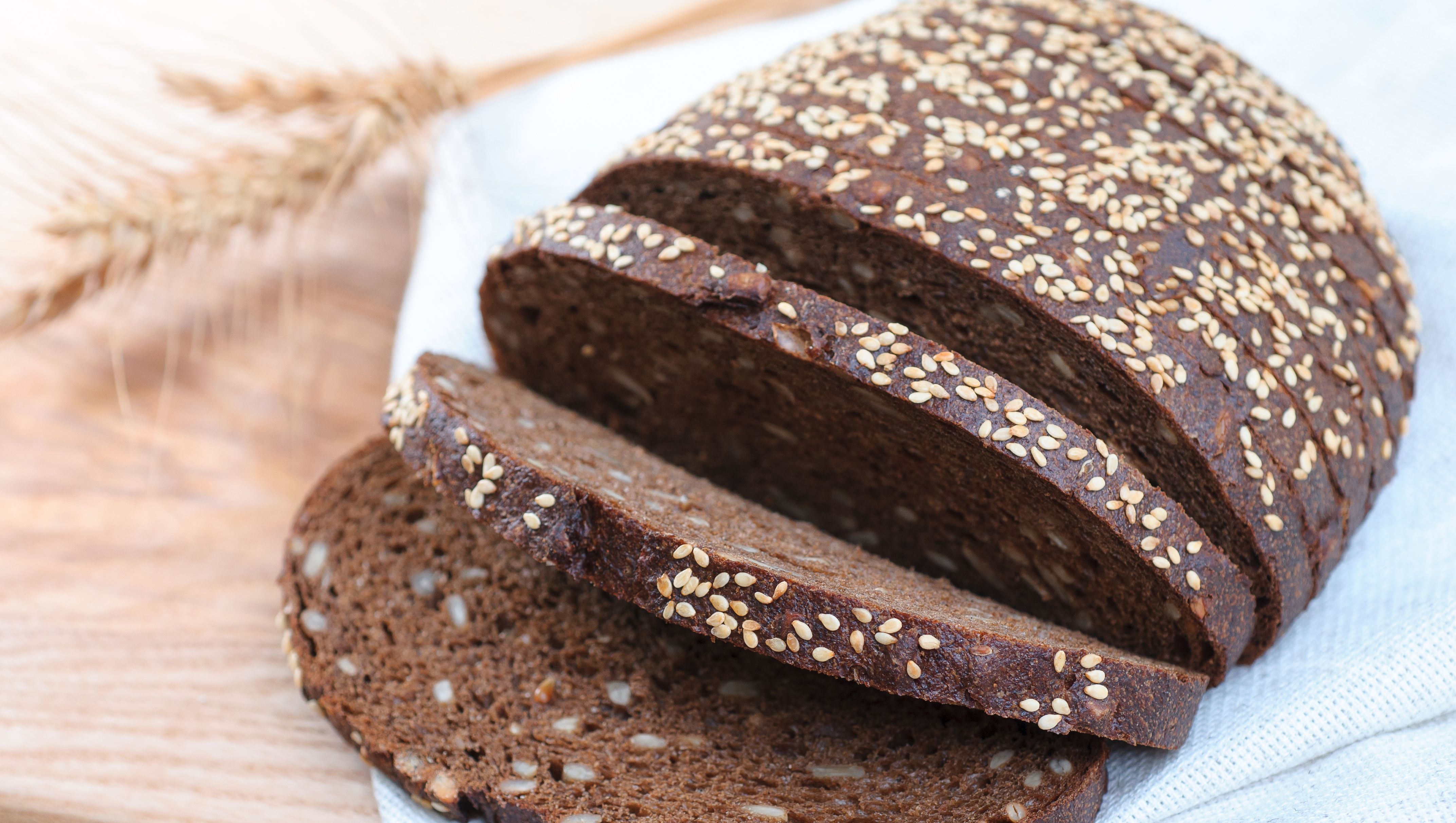
Pumpernickel bread is the mysterious dark loaf at the bakery that looks like it has read more classic literature than the rest of us. It is deep brown, dense, slightly sweet, earthy, and often made with rye flour, coarsely ground rye, rye berries, sourdough culture, or a mix of these ingredients. Compared with fluffy white sandwich bread, real pumpernickel has more personality, more chew, and often more nutritional value.
But is pumpernickel bread actually healthy? The short answer is: it can be, especially when it is made with whole-grain rye and minimal added sugar. Traditional pumpernickel bread is closely connected to rye, a grain known for its fiber, mineral content, slow-digesting structure, and satisfying texture. In modern grocery stores, however, not every dark loaf is automatically a nutrition superstar. Some breads are colored with molasses or caramel coloring, softened with refined wheat flour, and sweetened enough to make your breakfast toast feel suspiciously like dessert in a trench coat.
That is why the best way to understand the health benefits of pumpernickel bread is to look at what makes a good loaf: whole rye, fiber, fewer unnecessary additives, and a hearty texture that takes longer to chew and digest. When those boxes are checked, pumpernickel bread can support digestion, steadier energy, heart health, fullness, and better nutrient intake.
Below are five health benefits of pumpernickel bread, plus practical tips for choosing, eating, and enjoying it without turning your kitchen into a German bakery laboratoryunless that is your dream, in which case, carry on bravely.
What Is Pumpernickel Bread?
Pumpernickel is a type of rye bread traditionally associated with Germany. Classic versions are made with coarsely ground rye or whole rye kernels and baked slowly at a low temperature. This long baking process gives the bread its signature dark color, mild sweetness, dense crumb, and rich flavor. In the United States, pumpernickel bread can vary widely. Some loaves are close to traditional rye-based bread, while others are lighter, softer, and made with a mix of wheat flour, rye flour, sweeteners, and coloring agents.
For health purposes, the label matters. A loaf that lists “whole rye flour,” “rye meal,” “whole grain rye,” or “whole rye berries” near the beginning of the ingredient list is usually a better choice than one that starts with refined wheat flour and adds a sprinkle of rye for dramatic effect. Think of it like casting a movie: rye should be the main character, not an extra waving from the background.
1. Pumpernickel Bread Supports Better Digestion
One of the biggest health benefits of pumpernickel bread is its fiber content. Whole-grain rye naturally contains dietary fiber, including both insoluble and soluble types. Insoluble fiber helps add bulk to stool and supports regular bowel movements, while soluble fiber forms a gel-like substance during digestion and can help slow the absorption of nutrients.
In normal human language: fiber helps keep the digestive system moving without needing a motivational speech. A higher-fiber bread can be especially helpful for people who want a breakfast or lunch option that feels more substantial than refined white bread.
Pumpernickel made with whole rye may also support gut bacteria. Some fibers in rye act like prebiotics, meaning they help feed beneficial microbes in the digestive tract. These microbes produce compounds called short-chain fatty acids, which are linked with gut health and may play a role in inflammation control. No, your gut bacteria will not send you a thank-you card, but they may behave better when you feed them fiber-rich foods.
How to get the digestive benefit
Choose pumpernickel bread with at least 2 to 3 grams of fiber per slice if possible. Pair it with other fiber-rich foods such as avocado, hummus, beans, leafy greens, tomato, cucumber, or smoked salmon with vegetables. A slice of pumpernickel topped with mashed avocado and a boiled egg, for example, gives you fiber, protein, healthy fat, and enough flavor to make your desk lunch less tragic.
2. It May Help Support Steadier Blood Sugar
Pumpernickel bread, especially dense whole-grain rye pumpernickel, may have a gentler effect on blood sugar than many refined breads. Several factors contribute to this. Rye contains fiber, and dense rye breads often have a compact structure that takes longer to break down during digestion. Traditional sourdough fermentation may also affect how starches are digested.
This does not mean pumpernickel is “free food” for blood sugar. It still contains carbohydrates. However, compared with soft white bread that digests quickly, a dense whole-grain rye bread may lead to a slower release of glucose into the bloodstream. That can help some people avoid the classic refined-carb roller coaster: high energy, sudden crash, and then staring into the pantry like it owes you answers.
Research on rye products suggests that rye can produce lower insulin responses in some meal settings, even when glucose response is not dramatically changed. That is important because insulin demand is part of metabolic health. The practical takeaway is not that pumpernickel cures or prevents diabetes. It does not. The takeaway is that choosing whole-grain, high-fiber breads instead of refined breads can be a smarter move for long-term energy and balanced meals.
Smart serving example
For a steadier meal, avoid eating pumpernickel bread alone with sugary jam and nothing else. Instead, add protein and healthy fat. Try pumpernickel toast with cottage cheese and sliced tomatoes, turkey and mustard, peanut butter with banana slices, or hummus with roasted vegetables. These combinations slow digestion and make the meal more satisfying.
3. Pumpernickel Bread Can Be Heart-Friendly
A heart-healthy eating pattern usually includes vegetables, fruits, legumes, nuts, seeds, lean proteins, healthy fats, and whole grains. Pumpernickel bread can fit into that pattern when it is made from whole rye and not loaded with sodium or added sugar.
Whole grains are associated with better cardiovascular health partly because they provide fiber, minerals, and plant compounds that refined grains lose during processing. Soluble fiber is especially useful because it can help reduce the absorption of cholesterol in the digestive tract. Over time, eating more fiber-rich foods can support healthier cholesterol levels, blood pressure, and weight management.
Rye-based pumpernickel also offers minerals such as manganese, phosphorus, magnesium, and iron, depending on the recipe and flour used. These nutrients help with energy metabolism, bone health, oxygen transport, and normal body functions. Pumpernickel is not a multivitamin in loaf form, but a good slice contributes more than empty calories.
Watch the sodium
Here is the tiny plot twist: bread can be a notable source of sodium. Even healthy-looking bread may contain more salt than expected. If you are choosing pumpernickel for heart health, compare labels and select a loaf with moderate sodium. This is especially important if you eat bread daily or pair it with salty toppings like deli meat, pickles, cheese, or smoked fish. Delicious? Yes. Sodium-neutral? Not always.
4. It Helps You Feel Full Longer
Pumpernickel bread is dense, chewy, and satisfying. That texture is not just a personality trait; it can help with fullness. Foods that take longer to chew and digest often feel more filling than highly refined, airy foods. Whole-grain rye is also known for its fiber content, and fiber adds bulk to meals without adding many calories.
Satiety matters because hunger is one of the biggest reasons people snack mindlessly. A breakfast built on pumpernickel bread may carry you longer than a sweet pastry or a thin slice of white toast. The goal is not to eat less in a miserable way. The goal is to eat meals that actually hold you over so you are not negotiating with a vending machine at 10:32 a.m.
For weight management, pumpernickel can be useful because it makes meals feel sturdy. It works well as the base for open-faced sandwiches, which often provide the satisfaction of a full sandwich with less bread. Add eggs, tuna salad, chicken salad, tofu spread, avocado, or roasted vegetables, and you have a meal that is practical, balanced, and not boring.
Best fullness-focused combinations
Try pumpernickel with scrambled eggs and spinach for breakfast, tuna and cucumber for lunch, or ricotta with berries for a sweet-savory snack. Another excellent option is pumpernickel with smoked salmon, Greek yogurt-based dill spread, and thinly sliced red onion. It tastes fancy enough to make you feel like you have your life together, even if your laundry says otherwise.
5. It Provides More Nutrients Than Refined Bread
When pumpernickel is made with whole rye, it keeps more of the grain’s natural nutrients. Whole grains contain the bran, germ, and endosperm. Refined grains remove parts of the grain, which improves softness and shelf life but reduces fiber and many nutrients. That is why whole-grain breads generally offer a better nutritional profile than refined white bread.
Pumpernickel may provide B vitamins, iron, magnesium, manganese, phosphorus, zinc, and other plant compounds. These nutrients support everyday body functions, including energy production, muscle function, immune support, and red blood cell formation. Again, no single bread will transform your health overnight. But swapping refined bread for a better whole-grain option is one of those small choices that can quietly add up.
The best pumpernickel bread is also flavorful enough that you may need fewer extras. A slice with good mustard and turkey, or hummus and roasted peppers, already has character. White bread often behaves like a blank napkin, waiting for toppings to rescue it. Pumpernickel shows up with opinions.
How to Choose the Healthiest Pumpernickel Bread
Not all dark bread is healthy pumpernickel. Some loaves get their color from molasses, cocoa powder, coffee, or caramel coloring rather than from whole rye and slow baking. Those ingredients are not automatically bad, but they can make a bread look more whole-grain than it really is.
Look for these label clues
Choose a loaf that lists whole rye flour, rye meal, whole grain rye, or rye berries near the top of the ingredient list. Look for at least 2 grams of fiber per slice, and ideally 3 grams or more. Choose breads with modest added sugar. If the bread tastes like cake and has the nutrition label of cake, congratulations, you have found cake wearing a bread costume.
Also check sodium. Many breads contain 150 to 250 milligrams of sodium per slice, sometimes more. If you eat two slices plus salty toppings, the total can rise quickly. A healthier pumpernickel bread should support the meal, not quietly turn it into a salt festival.
Easy Ways to Eat Pumpernickel Bread
Pumpernickel is versatile, but it shines with bold flavors. Its earthy taste pairs well with tangy, creamy, smoky, and savory ingredients. You can use it for breakfast, lunch, snacks, or appetizers.
Breakfast ideas
Toast pumpernickel and top it with avocado, lemon juice, black pepper, and a poached egg. Or spread it with almond butter and add thin apple slices. For a savory option, try cottage cheese, tomato, cucumber, and fresh dill. These meals combine fiber with protein, which helps keep energy steadier.
Lunch ideas
Make an open-faced turkey sandwich with mustard, lettuce, tomato, and pickled onions. Try tuna salad with Greek yogurt instead of heavy mayonnaise. Add hummus, roasted red peppers, and arugula for a plant-forward lunch. Pumpernickel also works beautifully with soups, especially lentil soup, tomato soup, split pea soup, or vegetable barley soup.
Snack ideas
Cut pumpernickel into small squares and top with cream cheese, cucumber, and herbs for a quick snack. Use it as a base for mini smoked salmon bites or white bean spread. If you want something sweet, add ricotta, cinnamon, and sliced strawberries. It is snack food with a little dignity.
Who Should Be Careful With Pumpernickel Bread?
Pumpernickel bread is made with rye, which contains gluten. People with celiac disease should avoid rye and rye-based pumpernickel. People with non-celiac gluten sensitivity may also need to avoid it, depending on their tolerance and professional guidance.
Some people with irritable bowel syndrome may find rye difficult because it can contain fermentable carbohydrates known as FODMAPs. This does not mean rye is bad; it simply means it may not work for every digestive system. Human bodies are wonderfully complicated, like group projects with organs.
People who need to limit sodium should compare labels carefully. Those managing blood sugar should pay attention to portion size and pair pumpernickel with protein, healthy fat, and non-starchy vegetables. A balanced plate matters more than one heroic ingredient.
of Real-Life Experience: Living With Pumpernickel Bread in the Kitchen
The funny thing about pumpernickel bread is that it does not always impress people at first glance. It is not golden and fluffy. It does not bounce like white sandwich bread. It sits there looking serious, like it has a mortgage and strong opinions about jazz. But once you start using it in everyday meals, it becomes one of those foods that quietly earns a permanent place in the kitchen.
One of the best experiences with pumpernickel is breakfast. A regular slice of toast can feel like a warm-up act, but pumpernickel feels like the main event. Toasting it brings out its deep flavor, and the edges become slightly crisp while the center stays chewy. Add avocado, a squeeze of lemon, and a little cracked pepper, and suddenly breakfast feels intentional. Add an egg, and it becomes the kind of meal that can carry you through a busy morning without making you hunt for snacks an hour later.
Pumpernickel also changes the way sandwiches taste. A turkey sandwich on plain bread can be fine, but a turkey sandwich on pumpernickel with mustard, lettuce, tomato, and a few pickled onions has actual character. The bread adds earthiness, mild sweetness, and structure. It does not collapse under juicy fillings. It does not become sad and soggy after five minutes. It holds the line like a tiny edible bodyguard.
Another practical experience is using pumpernickel for small snacks. Cut it into squares, toast it lightly, and top it with hummus, cucumber, and paprika. Or use cream cheese, dill, and smoked salmon for a party appetizer that looks much harder than it is. This is one of pumpernickel’s secret talents: it makes simple food look planned. Guests assume you had a strategy. You do not need to correct them.
For people trying to eat more whole grains, pumpernickel can also make the transition easier because it is flavorful. Some whole-grain breads taste aggressively “healthy,” as if punishment were part of the recipe. Good pumpernickel is different. It has a rich, slightly sweet, almost roasted flavor that pairs well with both savory and lightly sweet toppings. That makes it easier to choose because you are not eating it only for the fiber. You are eating it because it tastes good.
The most important lesson from using pumpernickel regularly is that healthy eating works best when it feels enjoyable. A slice of pumpernickel bread will not fix a chaotic diet by itself, but it can upgrade ordinary meals. It can make breakfast more filling, lunch more interesting, and snacks more balanced. It is proof that a smart food choice does not have to be bland, beige, or joyless. Sometimes it can be dark, dense, chewy, and just dramatic enough to keep your taste buds awake.
Conclusion
Pumpernickel bread can be a nutritious choice when it is made with whole rye and simple ingredients. Its main health benefits come from fiber, slow-digesting carbohydrates, whole-grain nutrients, and its satisfying texture. It may support digestion, steadier blood sugar, heart health, fullness, and better nutrient intake compared with many refined breads.
The key is choosing wisely. Look for whole rye near the top of the ingredient list, check the fiber, watch the sodium, and avoid loaves that are dark only because they have been colored or heavily sweetened. Then use pumpernickel as part of balanced meals with protein, vegetables, and healthy fats.
Note: This article is for general nutrition education and is not medical advice. People with celiac disease, gluten sensitivity, diabetes, digestive conditions, or sodium restrictions should choose bread according to their personal health needs and professional guidance.

