
Beauty Unlocked
4 Ways to Cook Smoked Haddock
Aug
Note: This guide assumes you are using commercially prepared smoked haddock. Always check the package: some products are fully cooked and only need gentle warming, while others should be cooked to an internal temperature of 145°F. Smoked fish is flavorful, but it is not a magical immortal food item—keep it refrigerated and use it promptly.
Smoked haddock is one of those ingredients that makes an ordinary kitchen smell like a tiny seaside cottage where someone is wearing a cable-knit sweater and making excellent life decisions. It is salty, savory, lightly smoky, and wonderfully flaky. Better still, it can turn humble ingredients such as potatoes, eggs, rice, milk, and frozen peas into meals that feel far more impressive than the effort required.
If you have only used smoked haddock in a chowder, you are missing several delicious opportunities. This versatile white fish works beautifully when poached, baked, folded into rice, tucked into fish cakes, or stirred into a creamy soup. The trick is simple: smoked haddock already brings plenty of flavor, so your job is not to bury it under a parade of spices. Let it be the confident lead singer, not the bass player trapped behind twelve guitar solos.
Below are four easy and satisfying ways to cook smoked haddock, plus practical tips for avoiding dry fish, overly salty sauces, and meals that taste like someone accidentally dropped a campfire into your saucepan.
Before You Cook Smoked Haddock: A Few Important Basics
Haddock is a mild, delicate white fish related to cod. Smoking gives it a deeper aroma and a saltier taste, which means it pairs especially well with creamy, starchy, or fresh ingredients. Potatoes, rice, eggs, leeks, spinach, peas, dill, parsley, lemon, and black pepper are all excellent supporting players.
When buying smoked haddock, look for firm flesh with a clean, pleasant smoky aroma. Avoid fish that smells sharply sour, feels slimy, or looks dried out around the edges. Depending on where you shop, you may find naturally smoked haddock that is pale beige or ivory, as well as brightly colored yellow varieties. The yellow color is often added for appearance, not because the fish has somehow been kissed by a radioactive daffodil.
Because smoked haddock is usually cured with salt before smoking, taste before adding extra salt to your recipe. In many dishes, lemon juice, fresh herbs, mustard, capers, or black pepper will add more balance than another shake of salt.
1. Gently Poach Smoked Haddock in Milk
Milk-poached smoked haddock is a classic preparation for a reason. The milk softens the fish’s smoky intensity, keeps the flesh moist, and becomes a flavorful base for sauces, mashed potatoes, chowder, or creamy rice dishes. It is comfort food with a good résumé.
What You Need
- 12 to 16 ounces smoked haddock fillets
- 2 cups whole milk, or half milk and half water
- 1 bay leaf
- 2 slices of lemon peel
- A few black peppercorns
- Chopped parsley or dill, for serving
How to Make It
Place the smoked haddock in a wide skillet or shallow saucepan. Add the milk, bay leaf, lemon peel, and peppercorns. The liquid should come about halfway up the fish. Bring it just to a gentle simmer over medium-low heat. Do not let it boil aggressively unless your goal is to turn beautiful haddock into something with the texture of a pencil eraser.
Cover the pan loosely and cook for about 5 to 8 minutes, depending on the thickness of the fillets and whether the fish is already fully cooked. The haddock is ready when it flakes easily with a fork and looks opaque throughout. Remove it gently with a slotted spatula.
Strain the poaching liquid if you plan to use it for a sauce. You can whisk a little of the warm milk into mashed potatoes, use it as the base for a white sauce, or stir it into a chowder. Serve the fish with buttery mashed potatoes, wilted spinach, peas, and a squeeze of lemon.
Why This Method Works
Poaching is one of the gentlest ways to cook smoked haddock. It protects the delicate flakes from drying out and creates a mild, creamy flavor that works especially well at breakfast, brunch, or dinner. Add a poached egg on top, and suddenly you are not merely eating fish and potatoes. You are participating in a very respectable culinary event.
2. Bake Smoked Haddock with Tomatoes, Spinach, and Lemon
Baking smoked haddock is ideal for busy weeknights because the oven does most of the work while you pretend you have everything under control. This method is also excellent when you want a lighter meal with vegetables and minimal cleanup.
What You Need
- 12 to 16 ounces smoked haddock
- 2 cups cherry tomatoes, halved
- 4 cups baby spinach
- 1 small shallot, thinly sliced
- 2 tablespoons olive oil
- 1 lemon
- 1 tablespoon capers, optional
- Fresh dill, parsley, or basil
- Freshly ground black pepper
How to Make It
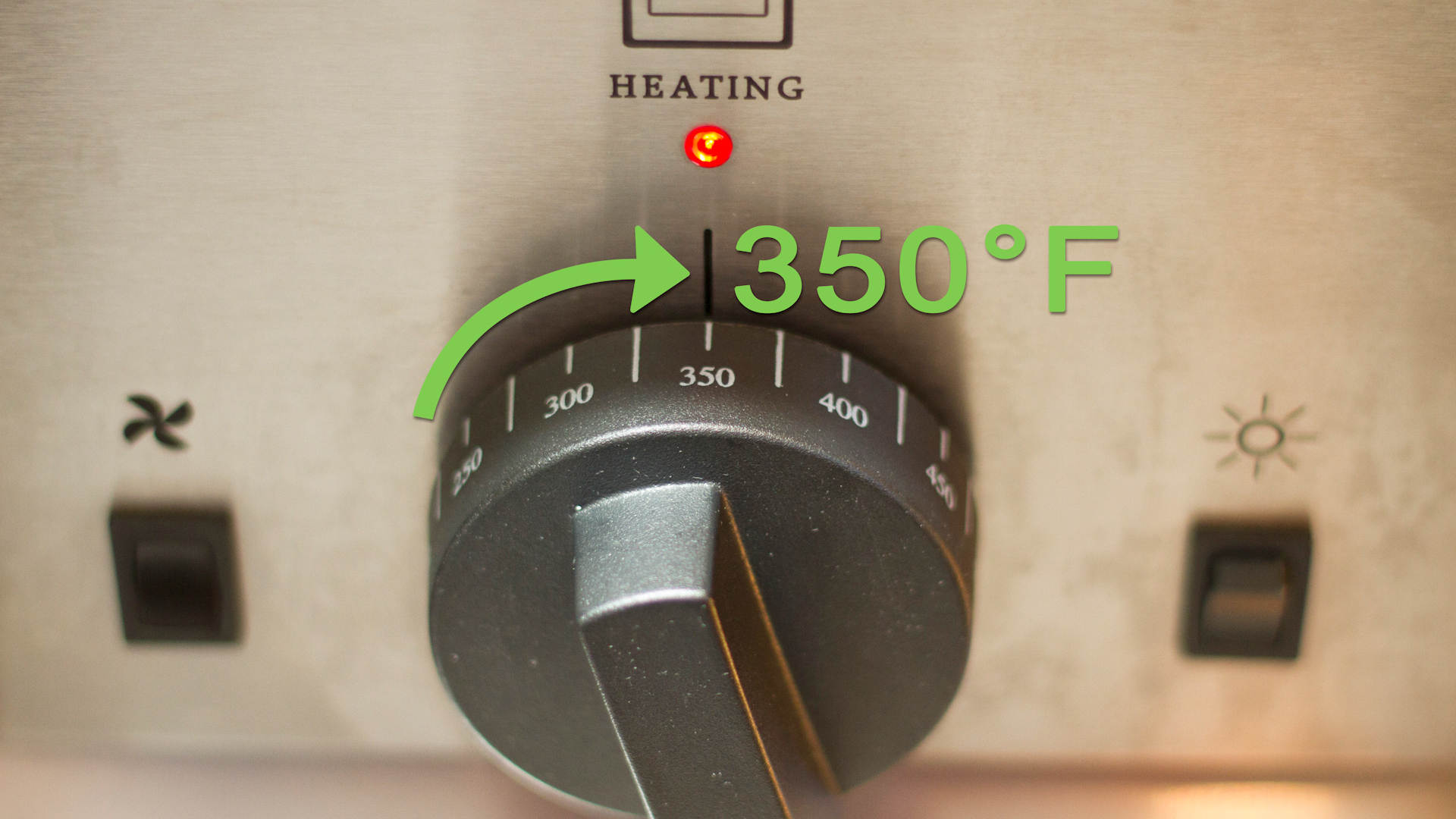
Heat the oven to 375°F. Add the tomatoes, shallot, olive oil, capers, and black pepper to a baking dish. Roast for about 10 minutes, until the tomatoes begin to soften and release their juices.
Scatter the spinach over the tomato mixture, then lay the smoked haddock on top. Add a few lemon slices or a squeeze of lemon juice. Bake for another 8 to 12 minutes, depending on the thickness of the fish and the instructions on the package.
Once the haddock flakes easily, remove the dish from the oven and finish it with fresh herbs. Serve with crusty bread, roasted baby potatoes, couscous, or white beans. The tomato juices, olive oil, lemon, and smoky fish create a built-in sauce, which is convenient because nobody enjoys washing a second pan unless they are trying to impress a dishwasher.
Best Flavor Pairings
Smoked haddock is naturally rich, so bright ingredients make the dish feel balanced. Lemon cuts through the saltiness, tomatoes add sweetness and acidity, and spinach brings freshness without demanding a long cooking time. Capers are optional, but they add a briny pop that makes the dish taste a little more restaurant-ready.
3. Make a Creamy Smoked Haddock Chowder
Smoked haddock chowder is the kind of meal that convinces people you spent all afternoon cooking, even though much of the work is just letting potatoes simmer politely in a pot. It is hearty, warming, and perfect for chilly evenings when a salad feels emotionally insufficient.
What You Need
- 12 ounces smoked haddock, cut into large pieces
- 1 tablespoon butter
- 1 tablespoon olive oil
- 1 onion, diced
- 1 celery stalk, diced
- 1 leek, cleaned and sliced
- 2 garlic cloves, minced
- 1 pound Yukon Gold or red potatoes, diced
- 3 cups seafood stock, chicken broth, or vegetable broth
- 1 cup milk or half-and-half
- 1 bay leaf
- 1 cup corn, optional
- Fresh parsley, dill, or chives
- Black pepper and lemon juice
How to Make It
Heat the butter and olive oil in a Dutch oven or large soup pot. Add the onion, celery, leek, and a pinch of black pepper. Cook for 6 to 8 minutes until softened. Add the garlic and cook for another 30 seconds.
Add the potatoes, broth, and bay leaf. Bring the mixture to a gentle simmer and cook until the potatoes are tender, usually 12 to 15 minutes. Stir in the milk or half-and-half, then add the smoked haddock and corn, if using.
Simmer gently for 5 to 7 minutes, just until the fish flakes apart. Remove the bay leaf, then break the haddock into large pieces with a spoon. Taste before seasoning. You may need black pepper and lemon juice, but often very little salt.
Serve the chowder with herbs, oyster crackers, sourdough toast, or a crusty baguette. For a thicker soup, mash a few potatoes against the side of the pot. For a lighter chowder, use more broth and less dairy. Both versions are excellent, and neither requires you to wear a fisherman’s sweater, though nobody will stop you.
How to Keep Chowder from Becoming Too Salty
The biggest mistake with smoked haddock chowder is treating smoked fish like plain fresh fish. Start with unsalted or low-sodium broth, avoid adding salt until the end, and balance the final flavor with lemon juice, extra potatoes, or a splash of milk. If your chowder is still too salty, add more cooked potatoes or a small amount of unsalted broth.
4. Turn Smoked Haddock into Kedgeree-Style Rice
Kedgeree is a wonderfully comforting dish made with smoky fish, warmly spiced rice, eggs, and herbs. It is often served for breakfast in the United Kingdom, but there is absolutely no rule that says rice, fish, and eggs cannot be dinner. In fact, that rule would be deeply unhelpful.
What You Need
- 10 to 12 ounces smoked haddock
- 3 cups cooked basmati rice
- 3 hard-boiled eggs, quartered
- 1 small onion, finely diced
- 2 tablespoons butter
- 1 teaspoon mild curry powder
- 1/2 teaspoon turmeric
- 1/2 cup frozen peas
- 1 lemon
- Fresh parsley or cilantro
- Black pepper
How to Make It
Poach or gently warm the smoked haddock until it flakes easily, then remove any skin or bones. Set the fish aside in large flakes.
In a large skillet, melt the butter over medium heat. Add the onion and cook until soft. Stir in the curry powder and turmeric, cooking for about 30 seconds until fragrant. Add the cooked rice and peas, tossing until everything is hot and evenly coated in the golden spices.
Fold in the smoked haddock gently so it stays in satisfying flakes rather than disappearing into the rice. Finish with lemon juice, black pepper, chopped herbs, and the quartered eggs.
This dish is especially useful for leftover rice because cold rice separates more easily in the skillet. It also makes a superb brunch centerpiece, lunch box meal, or speedy dinner. Add cucumber salad, yogurt, or mango chutney on the side for a little freshness and contrast.
Helpful Tips for Cooking Smoked Haddock
Do Not Overcook It
Smoked haddock is delicate and often partially or fully cooked before it reaches your kitchen. High heat for too long can make it dry, tough, and oddly cottony. Gentle poaching, moderate baking, and short simmering times are usually better than aggressive heat.
Use Salt Carefully
Because smoking and curing add salt, wait until the final tasting stage before seasoning. Use lemon juice, fresh herbs, pepper, mustard, or a little vinegar to wake up the flavor instead of reaching automatically for the salt shaker.
Choose the Right Side Dishes
Smoked haddock loves soft, neutral foods that soak up its flavor. Mashed potatoes, buttered rice, creamy polenta, white beans, peas, spinach, roasted root vegetables, and crusty bread are all excellent choices.
Save Every Flake
Even small leftovers can become something useful. Fold flaked smoked haddock into scrambled eggs, pasta, a potato hash, a creamy dip, or a fish cake mixture. This is not merely frugality. This is strategic deliciousness.
Experience-Based Kitchen Notes: What Cooking Smoked Haddock Teaches You
Cooking smoked haddock teaches a useful kitchen lesson: the most flavorful ingredient in the pan does not always need the most attention. In fact, smoked haddock performs best when the rest of the meal is calm, practical, and slightly humble. A potato does not need a personality makeover. Rice does not need to attend a spice festival. The fish already arrives carrying smoke, salt, ocean flavor, and enough character to make a plain bowl of mash feel special.
One of the first things many home cooks notice is how much the aroma changes as smoked haddock warms. Cold from the package, it may smell quite assertive. Once gently poached or baked, though, the smoky scent softens and becomes more rounded. This is why milk, potatoes, and eggs work so well with it: they absorb and balance the flavor without competing with it.
Another common experience is discovering that the fish cooks faster than expected. A thick fresh salmon fillet can tolerate several minutes of oven time without much drama. Smoked haddock is less forgiving. It is delicate, and it may already have been cooked during smoking. The safest approach is to check it early rather than assuming it needs the same treatment as raw fish. If it flakes with very little pressure, it is ready. Continuing to cook it “just in case” is usually how a promising dinner becomes a fish-flavored apology.
Smoked haddock also encourages cooks to taste as they go. In many recipes, salt is added early without much thought. Here, tasting becomes essential. One package may be lightly smoked and mild; another may be saltier and more intense. A chowder that tastes perfect before the fish goes in can become overly salty after the haddock is added. The best solution is not panic. It is simply using unsalted broth, adding fish near the end, and brightening the dish with lemon, herbs, or extra vegetables.
There is also a practical advantage: smoked haddock makes simple meals feel complete. A few flakes stirred into warm rice can turn leftovers into dinner. A small portion added to eggs creates a satisfying brunch. A handful folded into mashed potatoes can become crisp fish cakes the next day. It is the sort of ingredient that rewards cooks who are willing to improvise rather than follow a recipe with the emotional rigidity of a tax form.
Finally, smoked haddock is a reminder that comfort food does not have to be complicated. A pot of potatoes, a little milk, a lemon, and a piece of smoky fish can produce a meal that feels generous and memorable. The secret is not fancy technique. It is gentle heat, thoughtful seasoning, and knowing when to stop before the fish turns dry. That is a pretty good kitchen philosophy in general.
Final Thoughts
Whether you poach it in milk, bake it with vegetables, simmer it into chowder, or fold it into fragrant rice, smoked haddock is an easy way to add rich seafood flavor to everyday meals. Keep the cooking gentle, season carefully, and pair it with ingredients that soften and balance its smoky character. Once you learn how to cook smoked haddock properly, it becomes one of those reliable ingredients you keep buying because it makes dinner feel far more interesting than it has any right to.

