
Makeup
3 Ways to Cook Taba Ng Talangka
Jun
Taba ng talangka is one of those Filipino ingredients that walks into the kitchen like it owns the place. It is bold, salty, briny, deeply savory, and bright orange enough to make your plain rice suddenly feel underdressed. Often called aligue or crab fat, taba ng talangka is usually made from the rich inner parts of small crabs, including crab roe and tomalley-like crab paste. A little goes a long way, which is excellent news because this ingredient is powerful, indulgent, and not exactly shy.
If you have a jar sitting in your pantry or fridge and you are wondering what to do with it besides spooning it over hot rice while pretending you have “portion control,” this guide is for you. Below are 3 ways to cook taba ng talangka: a garlicky fried rice, a creamy aligue pasta, and a buttery seafood dish that tastes like it came from a tiny beachside restaurant with plastic chairs and excellent life choices.
This article also covers buying tips, food-safety reminders, flavor pairings, and practical kitchen experience so your taba ng talangka dishes taste rich, balanced, and memorablenot like the ocean accidentally joined a salt convention.
What Is Taba Ng Talangka?
Taba ng talangka is a Filipino crab paste traditionally associated with tiny shore crabs called talangka. In everyday cooking, people often call it “crab fat,” but technically it is closer to a rich crab paste made from the flavorful internal crab parts, sometimes including roe. It is usually cooked with oil, salt, and acid such as vinegar or calamansi to preserve and season it.
The flavor is intense: salty, oceanic, slightly sweet, and packed with umami. Think of it as the seafood cousin of bagoong, but smoother, richer, and more luxurious. It works best when paired with simple starches and fresh acidic ingredients. Rice, pasta, garlic, butter, calamansi, lemon, vinegar, chilies, shrimp, crab, and coconut milk all make excellent partners.
Before You Cook: Smart Tips for Using Taba Ng Talangka
Use a Little First
Taba ng talangka is concentrated. Start with 2 to 4 tablespoons for a family-size dish, then adjust. Adding too much too soon is like inviting a karaoke champion to a quiet dinner: there will be no going back.
Balance It With Acid
Calamansi is the classic choice, but lemon or lime works well in American kitchens. A small squeeze at the end brightens the dish and cuts through the richness.
Watch the Salt
Many jarred versions are already salty. Taste before adding soy sauce, fish sauce, or extra salt. Your blood pressure does not need a plot twist.
Handle Seafood Safely
If you add shrimp, crab, mussels, or scallops, cook shellfish until the flesh turns opaque and firm. Keep opened jars refrigerated, use a clean spoon every time, and do not leave seafood dishes sitting at room temperature for more than two hours. Store leftovers in shallow airtight containers and eat them within 3 to 4 days.
Way 1: Garlic Taba Ng Talangka Fried Rice
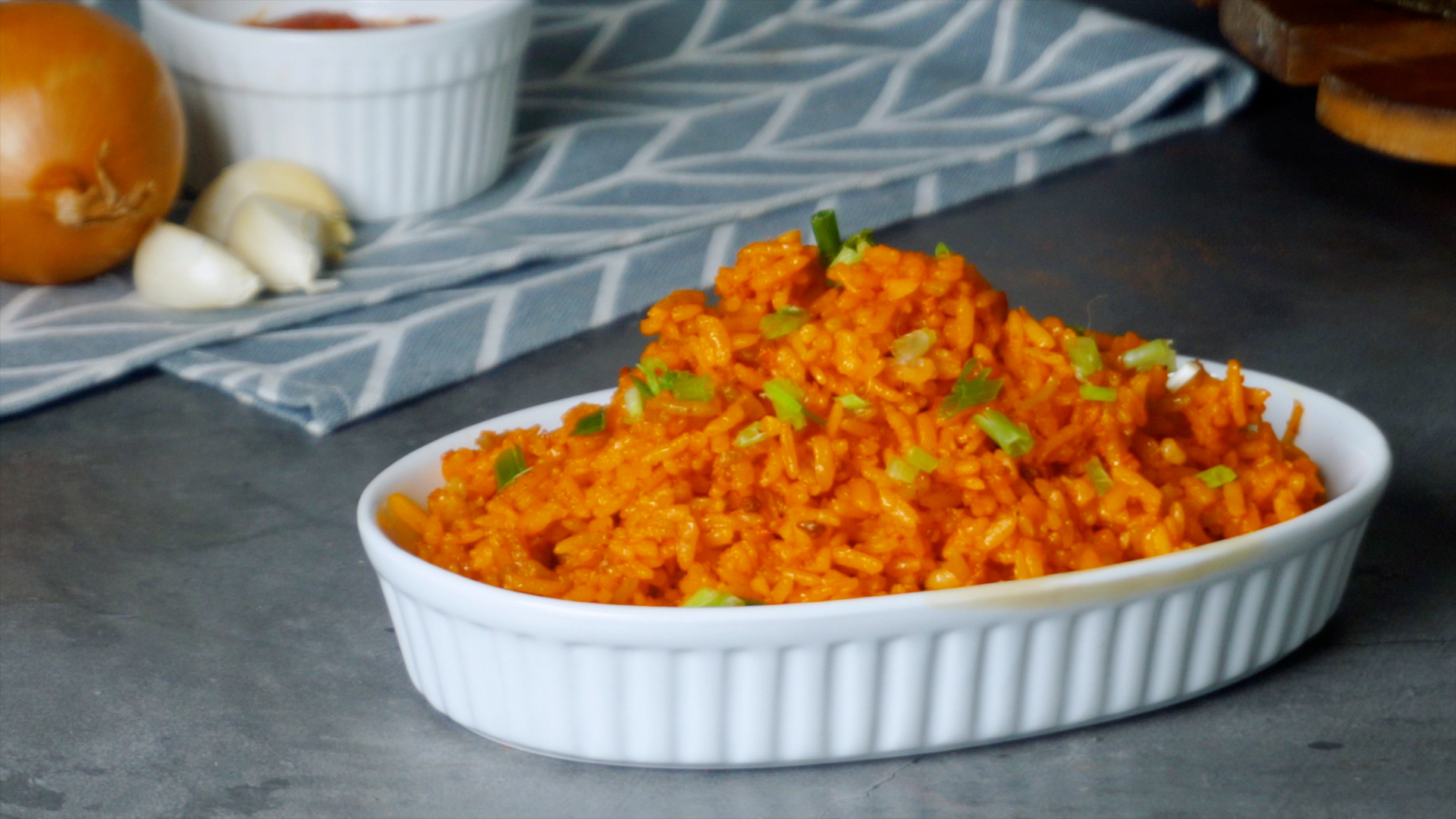
This is the easiest and most comforting way to cook taba ng talangka. It turns leftover rice into a golden, garlicky, seafood-rich meal that can stand alone or sit beside grilled fish, fried eggs, or roasted vegetables. The key is using day-old rice because fresh rice is too moist and can turn mushy. Fried rice wants separation; fresh rice wants to become porridge with ambition.
Ingredients
- 4 cups cooked day-old white rice
- 3 tablespoons taba ng talangka
- 2 tablespoons neutral oil
- 1 tablespoon butter
- 6 cloves garlic, minced
- 1 small onion, finely chopped
- 8 to 10 shrimp, peeled and deveined
- 1 tablespoon calamansi or lemon juice
- 1 teaspoon chopped scallions
- Black pepper, to taste
- Salt, only if needed
- Optional: chili flakes, fried garlic, sliced green onions, or a fried egg
Instructions
- Break up the cold rice with clean hands or a fork so there are no large clumps.
- Heat oil in a large skillet or wok over medium heat. Add garlic and cook until fragrant, but do not burn it.
- Add onion and cook until softened.
- Add shrimp and cook until pink and opaque. Remove shrimp if you want to avoid overcooking, or push it to the side of the pan.
- Add the taba ng talangka and stir it into the oil, garlic, and onion. Let it cook for about 1 minute to bloom the flavor.
- Add rice and toss until every grain is lightly coated in orange crab paste.
- Stir in butter, black pepper, and calamansi or lemon juice.
- Taste before adding salt. Garnish with scallions, fried garlic, chili flakes, or a fried egg.
Why This Works
Rice is the perfect canvas for taba ng talangka because it absorbs the oil, salt, and seafood flavor without competing. Garlic adds sweetness and aroma, while lemon or calamansi prevents the dish from tasting too heavy. Shrimp adds texture and makes the dish feel like a full meal instead of “I found a jar and got emotionally involved.”
Way 2: Creamy Aligue Pasta
Aligue pasta is the dish that proves Filipino flavors can absolutely wear an Italian blazer and look fabulous. It combines pasta, cream, garlic, onions, seafood, and taba ng talangka into a glossy sauce that tastes restaurant-worthy but is simple enough for a weeknight dinner.
Fettuccine, linguine, spaghetti, and even short pasta like rigatoni work well. The trick is to keep the sauce silky rather than oily. Pasta water is your best friend here because its starch helps the sauce cling to the noodles.
Ingredients
- 12 ounces fettuccine, linguine, or spaghetti
- 3 tablespoons taba ng talangka
- 2 tablespoons olive oil or neutral oil
- 1 tablespoon butter
- 5 cloves garlic, minced
- 1 small onion or shallot, finely chopped
- 1/2 pound shrimp, squid, crab meat, or mixed seafood
- 1/2 cup heavy cream, half-and-half, or coconut milk
- 1/4 cup reserved pasta water, plus more as needed
- 1 tablespoon lemon or calamansi juice
- Black pepper, to taste
- Optional: chili flakes, parsley, scallions, grated Parmesan, or toasted breadcrumbs
Instructions
- Cook pasta in salted boiling water until al dente. Reserve 1 cup of pasta water before draining.
- In a large skillet, heat oil and butter over medium heat.
- Add garlic and onion. Cook until soft and fragrant.
- Add seafood and cook until just done. Remove it briefly if needed to avoid toughness.
- Add taba ng talangka and stir for 30 to 60 seconds.
- Pour in cream or coconut milk and stir until smooth.
- Add cooked pasta and 1/4 cup pasta water. Toss until the noodles are coated.
- Add more pasta water if the sauce is too thick.
- Finish with lemon or calamansi juice, black pepper, and optional chili flakes.
- Serve immediately while the sauce is glossy and warm.
Flavor Variations
For a richer version, use heavy cream and finish with a small knob of butter. For a Filipino-style twist, use coconut milk instead of cream and add sliced chilies. For a lighter version, skip the cream and rely on pasta water, olive oil, and lemon juice to create a thinner but still flavorful sauce.
Why This Works
Pasta loves bold sauces, and taba ng talangka brings instant depth. Garlic and onion build the base, cream smooths the saltiness, and citrus wakes up the whole dish. The result is savory, creamy, and just dramatic enough to make dinner feel special without making you wash twelve pans.
Way 3: Butter-Garlic Shrimp With Taba Ng Talangka
This third method is fast, bold, and perfect for serving with hot rice. Butter-garlic shrimp with taba ng talangka is the kind of dish that disappears quickly at the table. It is also flexible: you can use shrimp, crab, scallops, mussels, squid, or even firm white fish.
The secret is not overcooking the seafood. Shrimp only needs a few minutes. If it curls into a tight little letter “C,” it is done. If it becomes a rubber band wearing a seafood costume, it went too far.
Ingredients
- 1 pound large shrimp, peeled and deveined
- 3 tablespoons taba ng talangka
- 3 tablespoons butter
- 1 tablespoon neutral oil
- 7 cloves garlic, minced
- 1 small red chili or 1 teaspoon chili flakes, optional
- 1 teaspoon vinegar or 1 tablespoon calamansi or lemon juice
- Black pepper, to taste
- Chopped scallions or parsley, for garnish
- Hot steamed rice, for serving
Instructions
- Pat shrimp dry with paper towels. This helps them sear instead of steam.
- Heat oil in a skillet over medium-high heat.
- Add shrimp and cook for 1 to 2 minutes per side, just until pink and opaque. Transfer to a plate.
- Lower heat to medium. Add butter and garlic to the same pan.
- Cook until the garlic is fragrant and lightly golden.
- Add taba ng talangka and chili flakes. Stir for about 1 minute.
- Return shrimp to the pan and toss until coated.
- Finish with vinegar, calamansi, or lemon juice.
- Garnish and serve hot with steamed rice.
Why This Works
Butter rounds out the saltiness of the crab paste, garlic adds warmth, and citrus gives the dish a clean finish. The shrimp provides sweetness and bounce, making every bite rich but not flat. This is the easiest recipe to serve to guests because it looks impressive and takes less time than explaining what taba ng talangka is.
Best Ingredients to Pair With Taba Ng Talangka
Rice
Steamed rice, garlic rice, and fried rice are classic choices. The starch absorbs the crab paste and softens its saltiness.
Pasta
Long noodles such as linguine and fettuccine work especially well because they hold creamy aligue sauce beautifully.
Seafood
Shrimp, crab meat, mussels, clams, scallops, squid, and firm fish all pair naturally with taba ng talangka. Keep the seasoning simple so the crab paste remains the star.
Acidic Ingredients
Calamansi, lemon, lime, vinegar, and even a few diced tomatoes help balance the richness.
Aromatics
Garlic, onion, shallot, ginger, and chilies add fragrance and complexity. Garlic is practically mandatory. The other ingredients may apply for supporting roles.
Common Mistakes to Avoid
Adding Too Much Taba Ng Talangka
It is tempting to add half the jar, especially when you are hungry and feeling bold. Resist. Too much can make the dish overly salty and oily. Start small, taste, and adjust.
Skipping the Citrus
Without acid, taba ng talangka can feel heavy. A squeeze of calamansi or lemon at the end makes the dish brighter and more balanced.
Burning the Garlic
Burnt garlic turns bitter quickly. Cook it gently until fragrant and lightly golden.
Overcooking Seafood
Shrimp, squid, and scallops cook fast. Add them near the end, and remove them from the pan if the sauce needs more time.
Forgetting the Jar Is Already Seasoned
Many commercial jars contain salt, oil, and acid. Taste before seasoning. Your dish should taste rich and savory, not like it challenged the sea to a duel.
How to Serve Taba Ng Talangka Dishes
Serve taba ng talangka fried rice with fried eggs, grilled fish, tomato salad, or cucumber slices. Serve aligue pasta with a crisp green salad, garlic bread, or roasted vegetables. Serve butter-garlic shrimp with hot rice and a small bowl of vinegar-chili dipping sauce.
Because taba ng talangka is rich, keep the sides fresh and simple. Cucumbers, tomatoes, greens, citrus wedges, pickled vegetables, and steamed vegetables all help balance the meal.
Storage and Reheating Tips
After opening a jar of taba ng talangka, keep it refrigerated and tightly sealed. Always use a clean spoon to avoid contamination. For cooked dishes, cool leftovers quickly, transfer them to shallow airtight containers, and refrigerate. Seafood leftovers are best eaten within 3 to 4 days.
When reheating fried rice, use a skillet instead of a microwave if possible. Add a small splash of water or oil, then stir until hot. For pasta, reheat gently with a splash of milk, cream, coconut milk, or pasta water to loosen the sauce. For shrimp dishes, heat briefly so the shrimp does not turn tough.
Experience Notes: Cooking With Taba Ng Talangka in a Real Kitchen
Cooking with taba ng talangka feels a little like discovering a secret shortcut. You open the jar, add a spoonful to garlic and oil, and suddenly the kitchen smells like a seaside restaurant. It is not a quiet ingredient. It announces itself immediately. The first lesson is simple: respect the spoon. One tablespoon can transform a dish; five tablespoons can turn dinner into an edible foghorn.
The best experience usually starts with rice. Taba ng talangka fried rice is forgiving, fast, and deeply satisfying. Day-old rice gives the dish texture, while garlic gives it warmth. If the rice looks too oily, add more rice. If it tastes too salty, squeeze in more citrus and serve it with cucumber or tomato. The goal is balance, not brute force. This is where many home cooks learn that aligue is less like a sauce and more like a seasoning paste with a luxury complex.
Pasta teaches a different lesson. Creamy aligue pasta needs movement. Tossing matters. Pasta water matters. If you simply dump sauce on noodles, the dish can separate and feel greasy. But when you add a splash of starchy pasta water and toss everything together, the sauce becomes glossy and clingy. It hugs the noodles instead of sliding off like it has somewhere better to be. Lemon at the end is non-negotiable. It makes the sauce taste intentional instead of just rich.
The butter-garlic shrimp version is all about timing. Shrimp cooks quickly, and overcooked shrimp has the personality of a pencil eraser. The best method is to sear the shrimp first, remove it, build the sauce, then return the shrimp for a final toss. This keeps the shrimp juicy and lets the taba ng talangka bloom in the butter and garlic. Add chili if you like heat, but do not bury the crab flavor. Taba ng talangka is already wearing the crown.
Another practical tip from repeated cooking: always prepare your citrus before you start. Cut the calamansi or lemon wedges early. Once the dish is hot, you will not want to stop and search for a knife while the shrimp tightens and the garlic darkens. Cooking seafood rewards preparation. It is not difficult, but it does not enjoy waiting for you to organize your life.
Taba ng talangka also teaches portion wisdom. It is rich, flavorful, and best enjoyed as a highlight rather than the entire personality of the meal. Pair it with fresh vegetables, plain rice, grilled seafood, or simple salads. When balanced well, it tastes indulgent without becoming overwhelming. When balanced poorly, it tastes like the ocean, butter, and salt held a meeting and forgot to invite freshness.
Finally, taba ng talangka is a conversation ingredient. Serve it to people who know Filipino food, and you may trigger memories of family meals, hot rice, and calamansi squeezed over orange crab paste. Serve it to someone trying it for the first time, and you may watch curiosity turn into surprise, then into a second helping. That is the magic of this ingredient: it is small, intense, and unforgettable. Like a tiny crab with excellent branding.
Conclusion
Learning 3 ways to cook taba ng talangka gives you a delicious foundation for using this bold Filipino ingredient with confidence. Garlic fried rice is the easiest everyday option, creamy aligue pasta is perfect for a special dinner, and butter-garlic shrimp with taba ng talangka delivers big flavor in very little time.
The key is balance. Use enough crab paste to bring deep seafood flavor, but not so much that it overwhelms the dish. Add garlic for aroma, citrus for brightness, and simple starches like rice or pasta to carry the richness. Whether you are cooking for family, guests, or just yourself after a long day, taba ng talangka can turn a basic meal into something unforgettable.
Note: This article was written for clean web publishing and synthesizes practical cooking methods, Filipino culinary knowledge, and general seafood safety guidance without inserting source links into the article body.

