
Hair Care
3 Ways to Control Feline Heat Cycles with Megestrol Acetate
Jun
When a female cat goes into heat, she does not exactly send a polite calendar invite. She yowls at 2 a.m., rolls across the floor like she is auditioning for a soap opera, raises her hindquarters, becomes extra affectionate, and may try to escape with the determination of a tiny furry prison-break artist. For cat parents, breeders, rescue workers, and colony caretakers, feline heat cycles can be stressful, messy, loud, andmost importantlyclosely tied to unwanted pregnancies.
One medication sometimes discussed for temporary feline estrus control is megestrol acetate, a synthetic progestin that can suppress or postpone heat cycles in queens. It has been used in veterinary reproductive management, shelter medicine, and short-term contraception planning. However, and this is the part that deserves flashing neon lights: megestrol acetate is not a casual “cat birth control pill” to toss into food because the yowling is getting on your last nerve. It must be used only under veterinary supervision because side effects can be serious, including weight gain, diabetes-related problems, uterine disease, mammary gland changes, and other hormone-linked complications.
This guide explains three responsible ways megestrol acetate may be used to control feline heat cycles: postponing estrus before it begins, suppressing or managing active cycling in selected cats, and using it as a short-term bridge until spay surgery or a planned breeding decision. The goal is not to turn you into a kitchen-table veterinarian. The goal is to help you understand the conversation your veterinarian may have with you, so you can make safer, smarter decisions for your cat.
Understanding Feline Heat Cycles Before Talking About Medication
Female cats are seasonally polyestrous, which means they can go through repeated heat cycles during the breeding season. In many indoor homes with artificial lighting, that “season” can feel suspiciously like “all year, whenever you have an early meeting tomorrow.” A queen in heat may vocalize loudly, rub against furniture, roll, become restless, spray urine, raise her tail, and attempt to get outdoors. If she does not mate and ovulate, she may cycle again soon.
Because cats can become pregnant quickly and produce multiple litters, controlling reproduction is a major welfare issue. Spaying remains the most reliable long-term solution for preventing heat cycles and pregnancy. Megestrol acetate, by contrast, is usually considered a temporary, carefully monitored option when surgery is delayed, unavailable, medically unsuitable, or not immediately aligned with a responsible breeding program.
What Is Megestrol Acetate?
Megestrol acetate is a synthetic hormone in the progestin family. Progestins mimic some actions of progesterone, the hormone that rises after ovulation and helps signal the body that it is not time to enter another heat cycle. By influencing reproductive hormone pathways, megestrol acetate can delay or suppress estrus in cats.
In practice, veterinarians may consider megestrol acetate for temporary estrus suppression in carefully selected cats. It is commonly discussed as an extra-label or off-label medication in feline reproductive management, depending on location, formulation, and intended use. That means the veterinarian must evaluate the individual cat, explain benefits and risks, and provide a specific plan. The dose, timing, duration, and monitoring schedule should never be guessed from a website, a rescue forum, or your neighbor’s cousin who “once had a very fertile tabby.”
Way 1: Postpone a Heat Cycle Before It Starts
The first and often safest context for megestrol acetate is postponing an expected heat cycle before signs begin. This is sometimes considered when a cat is likely to come into heat soon, but spay surgery is not immediately available or must be delayed. For example, a rescue group may have a temporary backlog at the spay clinic, or a pet owner may need to postpone surgery until a cat is healthier, older, or cleared by a veterinarian.
Why timing matters
Hormonal medications tend to work best when used at the right point in the reproductive cycle. Starting medication after a cat is already loudly advertising her romantic availability to every tomcat within county limits may be less predictable. Veterinarians generally prefer to evaluate whether the cat is currently in heat, recently bred, pregnant, lactating, or showing signs of reproductive disease before choosing a plan.
How a veterinarian may approach postponement
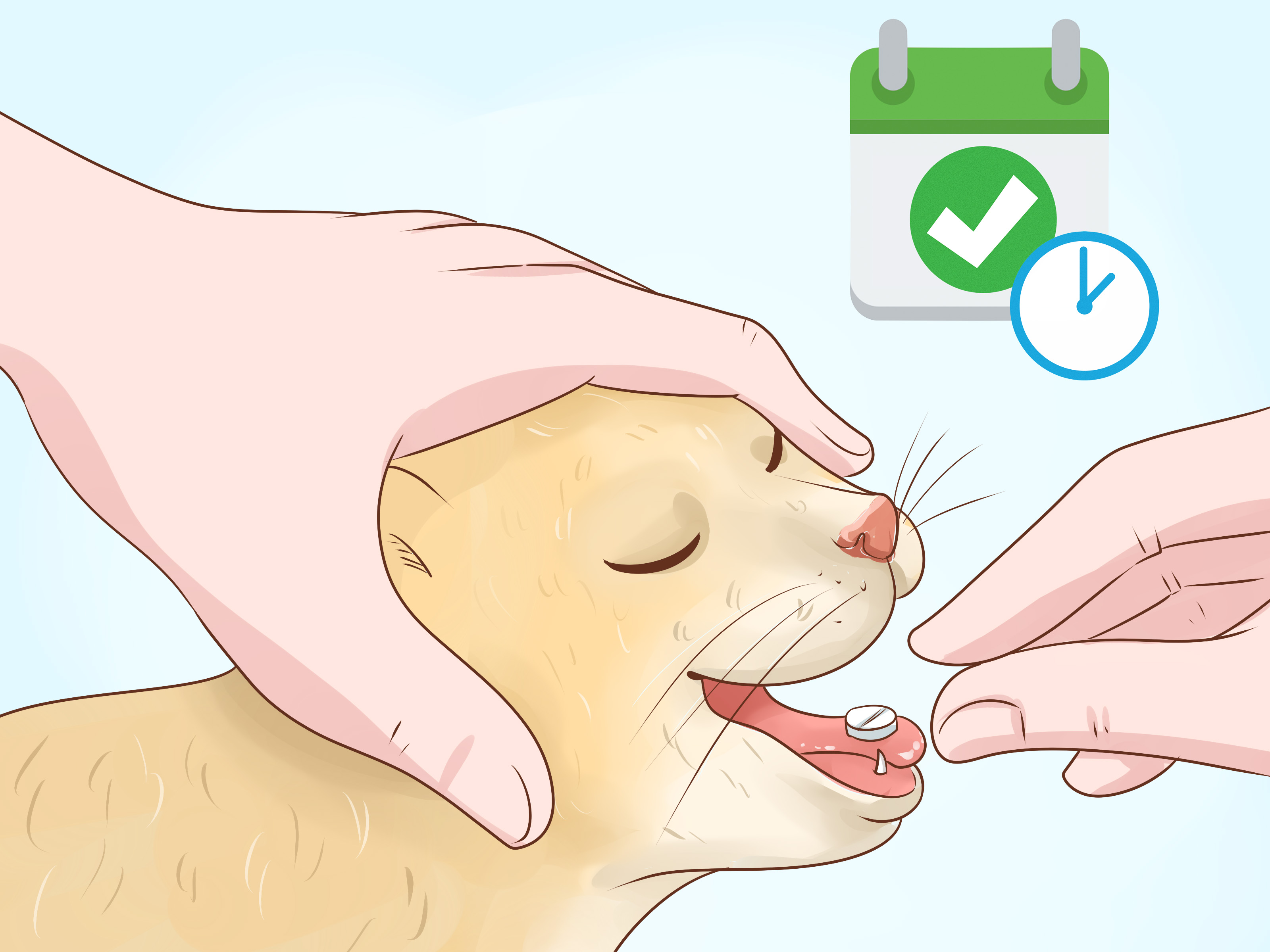
A veterinarian may recommend a short-term oral megestrol acetate plan designed to prevent or delay estrus for a limited period. Published veterinary discussions often describe brief, low-dose protocols rather than long-term continuous use. The exact amount and schedule depend on the cat’s health, weight, reproductive status, and risk factors. Responsible use usually includes a clear stop date and a plan for what happens nextoften spay surgery.
Best candidates for this approach
The best candidates are usually healthy, nonpregnant female cats with no history of diabetes, mammary tumors, uterine disease, abnormal vaginal discharge, serious liver disease, or unexplained weight loss. Cats with chronic viral infections, metabolic issues, or previous hormone-related complications may not be good candidates. A veterinarian may recommend an exam, pregnancy assessment, bloodwork, or other screening before prescribing.
Think of this first method as the “calendar control” approach. It is not meant to be permanent birth control. It is more like buying time until the real planusually spay surgerycan happen safely.
Way 2: Temporarily Suppress Estrus in Selected Cats
The second way megestrol acetate may be used is to temporarily suppress heat behavior in a cat that is cycling. This is trickier than postponing heat before it starts and requires even more veterinary judgment. A cat already in heat may be restless, vocal, escape-prone, and difficult to manage indoors. In some situations, temporary suppression can reduce stress, prevent mating, and help caretakers regain control of the situation.
When this may be considered
A veterinarian may consider temporary estrus suppression when a cat cannot be spayed right away, must avoid pregnancy, and can be closely observed. This may apply to a rescued queen waiting for surgery, a colony cat being managed before trap-neuter-return logistics are ready, or a breeding queen whose timing must be managed responsibly. It is not ideal for casual convenience or repeated use every time the cat becomes noisy.
What owners should monitor
Monitoring is not optional. Cats receiving megestrol acetate should be watched for increased appetite, weight gain, lethargy, personality changes, increased thirst, increased urination, vomiting, diarrhea, mammary enlargement, nipple or breast tissue changes, vaginal discharge, weakness, or collapse. Any of these signs should trigger a call to the veterinarian. If your cat suddenly starts drinking like she has been hiking in the desert, that is not a “wait and see” moment.
Why short-term use is emphasized
Long-term or repeated progestin exposure is associated with higher concern for adverse effects. Problems may include uterine changes, pyometra, mammary gland enlargement, mammary tumors, insulin resistance, diabetes mellitus, and adrenal suppression. Not every cat will experience these effects, but the risk is real enough that veterinarians tend to reserve megestrol acetate for limited, carefully chosen situations.
This second method can be useful, but it is the one most likely to be misunderstood. Suppressing heat behavior does not mean the underlying reproductive management issue has disappeared. The cat still needs a long-term plan.
Way 3: Use Megestrol Acetate as a Short-Term Bridge to Spay or Breeding Decisions
The third responsible use is as a temporary bridge. This may be the most practical role for megestrol acetate in real life. It can help prevent a pregnancy during a waiting period, but it should not become an endless substitute for spaying or thoughtful breeding management.
Bridge to spay surgery
For most pet cats, spaying is the gold-standard solution. It prevents heat cycles, eliminates the risk of uterine infection, prevents pregnancy, and greatly reduces the risk of mammary cancer when done early. If spay appointments are delayed, megestrol acetate may be discussed as a temporary tool to reduce the chance of pregnancy until surgery can be performed.
This can be especially relevant in high-volume rescue settings. During kitten season, clinics may be overwhelmed, foster homes may be full, and intact female cats may begin cycling before appointments are available. A veterinarian-guided temporary contraceptive plan may reduce emergency litters, but it should be paired with strict indoor housing, separation from males, and a scheduled spay date.
Bridge for community cat programs
In trap-neuter-return or trap-neuter-vaccinate-return programs, timing is everything. If a caretaker cannot trap every female cat immediately, pregnancy can continue faster than the program can respond. In some cases, veterinary teams and shelter medicine professionals have discussed low-cost oral megestrol acetate as a temporary method when surgery access is limited. However, community use requires organization, accurate dosing, reliable feeding, recordkeeping, and observation. In other words, it is not as simple as sprinkling medication into a mystery bowl and hoping the right cat eats it.
Bridge for responsible breeding programs
Breeders may occasionally need to delay a queen’s cycle for health, timing, travel, genetic planning, or recovery reasons. In this case, megestrol acetate should be used only with a veterinarian familiar with feline reproduction. A breeding queen must be evaluated carefully because accidental treatment during pregnancy can be risky, and repeated hormone use may affect future reproductive health.
The bridge approach works best when everyone agrees on the destination. Is the cat being spayed next month? Is she being monitored before a planned breeding season? Is a rescue trying to prevent pregnancy until surgery access opens? Megestrol acetate should support a plannot replace one.
Benefits of Megestrol Acetate for Feline Heat Control
When used correctly in the right cat, megestrol acetate may offer several practical benefits. It can reduce heat behaviors such as yowling, rolling, restlessness, urine marking, and escape attempts. It may lower the risk of accidental breeding during a short waiting period. It can be relatively inexpensive compared with some reproductive technologies. It is oral, which may be easier than injections for certain catsassuming, of course, that your cat does not treat every pill like a criminal investigation.
For shelters and rescues, temporary estrus control may reduce the number of unwanted litters when surgical access is limited. For individual cat owners, it may provide breathing room while arranging a spay appointment. For breeders, it may help manage timing under professional guidance. These benefits are real, but they come with a long list of “only if” conditions: only if the cat is a good candidate, only if the veterinarian prescribes it, only if the duration is limited, and only if monitoring is taken seriously.
Risks and Side Effects Cat Owners Should Know
Megestrol acetate can affect more than the reproductive system. Common side effects may include increased appetite, weight gain, sleepiness, coat changes, and behavior changes. More concerning signs include increased drinking or urination, vomiting, diarrhea, severe lethargy, mammary tissue enlargement, vaginal discharge, weakness, collapse, seizures, or sudden personality shifts.
Some cats should generally avoid megestrol acetate. This includes cats that are pregnant, diabetic, suspected of having diabetes, affected by mammary tumors, showing uterine disease or unexplained vaginal bleeding, or known to have serious reactions to hormone therapy. Cats with chronic viral infections may also need special caution. Older cats and overweight cats may require extra screening because they can be more vulnerable to metabolic side effects.
One of the biggest concerns is that early side effects can look mild. A little extra appetite can seem harmless. A bit of weight gain can be blamed on treats. But hormonal effects can snowball. That is why a veterinarian may recommend baseline weight, body condition scoring, bloodwork, glucose monitoring, or follow-up exams depending on the cat’s situation.
What Megestrol Acetate Cannot Do
Megestrol acetate is not a permanent sterilization method. It does not protect against uterine disease the way spaying does. It does not remove the risk of mammary cancer. It does not guarantee pregnancy prevention if dosing is incorrect, timing is wrong, the cat vomits medication, or she has already mated. It should not be used to avoid basic reproductive planning.
It also does not replace environmental management. A cat receiving temporary estrus control should still be kept indoors and away from intact males. Windows, doors, screens, and pet flaps should be secured. A determined queen in heat can turn into a whiskered escape engineer, and medication is not a substitute for a closed door.
Practical Safety Checklist Before Discussing Megestrol Acetate
Before using megestrol acetate, ask your veterinarian these questions: Is my cat definitely not pregnant? Is she currently in heat? Does she have any risk factors such as diabetes, obesity, mammary lumps, uterine symptoms, liver disease, or chronic viral infection? How long will the medication be used? What side effects should I watch for? What is the long-term plan after treatment ends? When should she be spayed, bred, or rechecked?
Keep written records. Note the start date, dose instructions from the veterinarian, appetite changes, weight changes, behavior changes, and any missed doses. If multiple cats live in the home, make sure the medication goes only to the intended cat. In multi-cat feeding situations, separate feeding may be necessary. “I think she ate most of it” is not a medical record; it is a plot twist.
Alternatives to Megestrol Acetate
The best alternative for most nonbreeding cats is spay surgery. It permanently prevents heat cycles and pregnancy. For temporary management, strict indoor confinement and separation from males are essential. In breeding programs, veterinarians may discuss other reproductive management strategies, including photoperiod control, cycle tracking, or specialist consultation. In shelters and community cat programs, improving access to spay-neuter services remains the strongest population-control strategy.
Some other hormonal or non-surgical reproductive control methods exist, but they also have limitations, availability issues, contraindications, and monitoring requirements. None should be used without veterinary direction. The safest plan depends on the individual cat and the reason heat control is needed.
Real-World Experiences: What Cat Owners and Rescuers Often Learn
People usually start researching feline heat control after one very memorable night. The cat begins singing the ancient song of her people at midnight, then again at 2 a.m., then directly into your face at 4:17 a.m. By breakfast, everyone in the house knows two things: the cat is in heat, and nobody is emotionally prepared for another week of this opera.
One common experience is the “spay appointment gap.” A cat owner adopts a young female, plans to spay her, and then discovers the clinic is booked for several weeks. Suddenly, the kitten who was playing with bottle caps yesterday is rolling on the floor and calling for suitors. In this situation, a veterinarian may discuss temporary heat control, but the best experience comes when the owner already has a firm surgery date. Megestrol acetate may help manage the waiting period, but the final solution is still spaying.
Rescue volunteers often describe a different challenge: too many cats, not enough appointments, and kitten season moving at lightning speed. For them, temporary contraception may feel like a lifeline. Still, experienced rescuers learn quickly that medication programs require careful systems. Cats must be identified correctly, fed separately when possible, monitored for side effects, and moved into surgery as soon as feasible. A medicine plan without records can become chaos wearing whiskers.
Breeders may have yet another perspective. A responsible breeder might want to delay a queen’s cycle because she needs recovery time, is not at ideal weight, or should not be bred during a particular season. In those cases, the most successful experiences happen when a veterinarian with reproductive knowledge is involved early. The breeder tracks cycles, watches for health changes, and avoids repeated hormone use without reassessment.
Some owners also learn that heat behavior can be mistaken for other problems. Vocalizing, restlessness, urine marking, and affection can suggest estrus, but urinary tract disease, pain, stress, and other medical issues can also change behavior. A veterinary exam helps avoid treating the wrong problem. After all, giving reproductive medication to a cat with a urinary issue is like bringing a violin to fix a leaky sinkinteresting, but not helpful.
The most important lived lesson is that megestrol acetate is a tool, not a shortcut. Used thoughtfully, it may help in a narrow window. Used casually, repeatedly, or without screening, it can create bigger problems than the heat cycle it was meant to quiet. Cat owners who have the best outcomes usually do three things well: they involve a veterinarian, they monitor closely, and they commit to a long-term reproductive plan.
Conclusion
Megestrol acetate can control feline heat cycles in three main ways: postponing an expected heat, temporarily suppressing estrus in selected cats, and serving as a short-term bridge to spay surgery or responsible breeding decisions. It may reduce yowling, restlessness, escape behavior, and pregnancy risk during a limited period. However, it also carries meaningful health risks, especially with improper dosing, poor timing, long-term use, or use in cats with underlying disease.
For most pet cats, spaying remains the safest and most complete answer. Megestrol acetate belongs in the “veterinary-guided temporary option” categorynot the “internet said this might stop the screaming” category. If your cat is in heat or likely to cycle soon, talk with your veterinarian about her age, health, pregnancy risk, spay timing, and whether hormonal control is appropriate. Your cat’s future health is worth more than a quick fix, even when she is loudly insisting that romance is an emergency.
Note: This article is for educational publishing purposes only. Megestrol acetate should be used in cats only under the direction of a licensed veterinarian, with an individualized plan and appropriate monitoring.

