
Makeup
21 High Protein Foods
Aug
Protein has escaped the weight room and taken over the grocery store. It now appears in yogurt, cereal, pasta, pancakes, snack bars, and products that look suspiciously like ordinary cookies wearing athletic clothing.
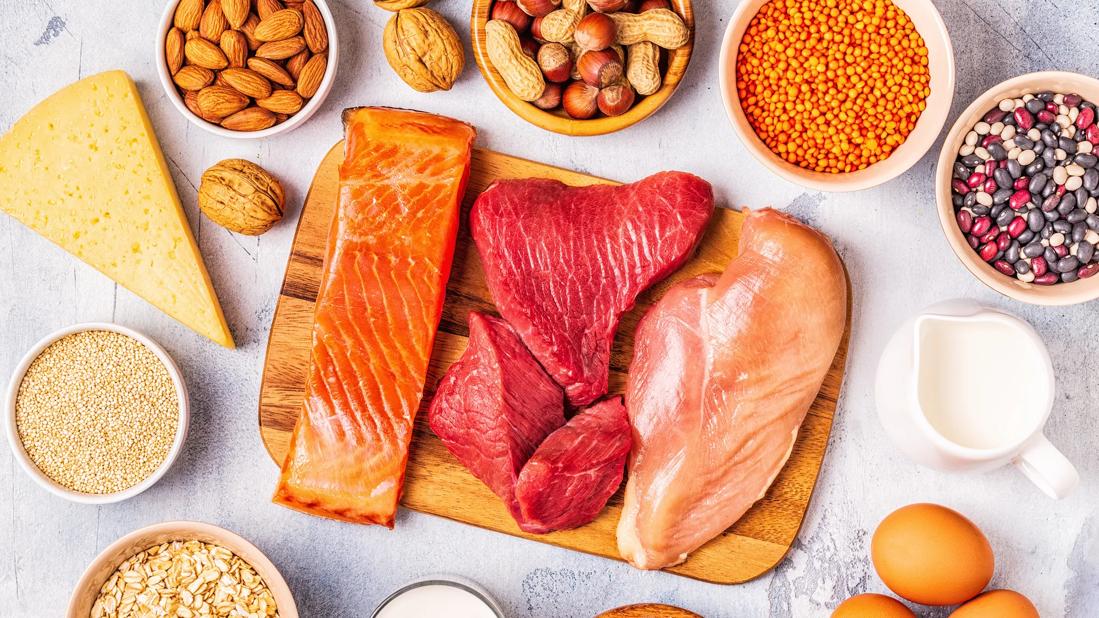
Fortunately, meeting your protein needs does not require living on shakes or eating chicken breast seven days a week. Many familiar animal and plant foods provide substantial protein along with fiber, healthy fats, vitamins, minerals, or other valuable nutrients. The real goal is not simply to eat more protein; it is to choose high-quality sources that fit into a balanced diet.
This guide covers 21 high protein foods, approximate protein amounts, practical serving ideas, and realistic ways to add them to everyday meals without turning dinner into a nutrition spreadsheet.
Why Does Your Body Need Protein?
Protein is made from amino acids, which your body uses to build and maintain muscles, skin, bones, enzymes, hormones, and other tissues. Dietary protein also supports cell repair, growth, immune function, and normal development. Nine amino acids are considered essential because the body cannot produce them in sufficient amounts and must obtain them through food.
Animal foods such as eggs, dairy, poultry, meat, and fish generally provide all nine essential amino acids. Soy foods and quinoa are notable complete plant proteins. Other plant foods may provide lower amounts of one or more essential amino acids, but eating a varied diet across the day can supply the full range your body needs. You do not have to perform advanced bean-and-rice geometry at every meal.
How Much Protein Do You Need?
The adult Recommended Dietary Allowance is approximately 0.8 gram of protein per kilogram of body weight per day, equivalent to about 0.36 gram per pound. A person weighing 150 pounds, for example, would have a baseline target of roughly 55 grams. Needs may be higher during pregnancy, growth, recovery from illness, older age, intensive training, or certain weight-management programs. The FDA uses 50 grams as the Daily Value on food labels for a standard 2,000-calorie diet, but that number is a reference rather than a personalized prescription.
Note: Protein amounts below are averages. Exact values vary with brand, cut, cooking method, water content, and serving size. Check the Nutrition Facts label when precise tracking matters.
High-Protein Meat and Seafood
Lean poultry, seafood, and minimally processed meat deliver concentrated protein in relatively small portions. For overall health, major nutrition organizations recommend emphasizing fish, seafood, skinless poultry, and lean cuts while limiting processed meats and foods high in saturated fat or sodium.
-
1. Chicken Breast
Approximate protein: 27 grams per 3 cooked ounces.
Boneless, skinless chicken breast is one of the most protein-dense everyday foods. Roast several portions at once and use them in grain bowls, tacos, salads, wraps, soups, or sandwiches. Marinating before cooking prevents the classic high-protein tragedy known as “chicken-flavored cardboard.”
-
2. Turkey Breast
Approximate protein: 26 grams per 3 cooked ounces.
Turkey breast is lean, versatile, and useful far beyond Thanksgiving. Add freshly cooked turkey to salads and wraps, or use lean ground turkey in burgers, meatballs, and chili. Packaged deli turkey can be convenient, but compare sodium levels before making it an everyday staple.
-
3. Lean Beef
Approximate protein: 24 grams per 4 ounces of 93% lean ground beef.
Lean beef provides protein along with iron, zinc, and vitamin B12. Look for sirloin, tenderloin, round, flank steak, or ground beef labeled 90% to 93% lean or higher. Pair it with vegetables and whole grains rather than letting a giant steak occupy the plate like a territorial landlord.
-
4. Canned Tuna
Approximate protein: 20 grams per 3 ounces.
Water-packed tuna is inexpensive, shelf-stable, and ready when the refrigerator appears to contain nothing but mustard and regret. Mix it with plain Greek yogurt, celery, lemon juice, herbs, and a small amount of mayonnaise. Because mercury content differs among tuna species, vary your seafood choices and follow FDA advice when pregnant, breastfeeding, or serving children.
-
5. Salmon
Approximate protein: 19 grams per 3 cooked ounces.
Salmon combines high-quality protein with omega-3 fats. Bake it with lemon and herbs, flake leftovers into salads, or serve canned salmon in patties. Frozen fillets are often affordable, reduce food waste, and cook without requiring a ceremonial visit to an upscale fish counter.
-
6. Shrimp
Approximate protein: 18 grams per 3 ounces.
Shrimp cooks quickly and works in tacos, pasta, stir-fries, salads, and rice bowls. Choose grilled, steamed, or sautéed preparations more often than heavily breaded versions. Frozen peeled shrimp can turn a nearly empty kitchen into dinner in about ten minutes, which feels suspiciously close to magic.
Serving-level protein estimates for poultry, seafood, beef, and tuna commonly fall near 6 to 9 grams per cooked ounce, depending on the food and preparation.
High-Protein Eggs and Dairy Foods
-
7. Whole Eggs
Approximate protein: 6 grams per large egg.
Eggs provide complete protein plus choline and several vitamins and minerals. Keep hard-boiled eggs in the refrigerator for snacks, add scrambled eggs to breakfast tacos, or top a grain bowl with a fried egg. For most healthy people, one egg a day can fit into a heart-conscious eating pattern.
-
8. Egg Whites
Approximate protein: 13 grams per four large egg whites.
Egg whites offer concentrated protein with little fat. Combining one whole egg with several whites gives an omelet more volume and protein while retaining the yolk’s flavor and nutrients. Add mushrooms, spinach, tomatoes, or peppers so breakfast does not resemble a pale laboratory experiment.
-
9. Greek Yogurt
Approximate protein: 11 to 18 grams per serving, depending on size and brand.
Straining removes some liquid from yogurt, producing a thicker texture and higher protein concentration. Choose plain Greek yogurt to minimize added sugar, then add berries, cinnamon, nuts, or a little honey. It also replaces sour cream surprisingly well in dips, tacos, baked potatoes, and sauces.
-
10. Cottage Cheese
Approximate protein: 14 grams per half cup.
Cottage cheese is an easy high-protein breakfast, snack, or light lunch. Pair it with pineapple, berries, tomatoes, cucumber, cracked pepper, or whole-grain toast. Reduced-sodium versions are helpful for people monitoring sodium. Its texture remains controversial, but so does cilantro, and society continues.
-
11. Dairy Milk
Approximate protein: 8 grams per cup.
Milk provides complete protein and is commonly fortified with vitamin D. Use it in oatmeal, smoothies, soups, or coffee, or drink it with meals. Lactose-free dairy milk contains similar protein because removing lactose does not remove the milk proteins.
-
12. Fortified Soy Milk
Approximate protein: about 7 to 8 grams per cup.
Among plant-based beverages, soy milk generally comes closest to dairy milk in protein. Choose an unsweetened product fortified with calcium and vitamin D. Almond, coconut, oat, and rice beverages can be useful for other reasons, but many contain much less protein unless specifically fortified.
Greek yogurt, cottage cheese, milk, eggs, and soy milk are especially convenient because they require little preparation while providing roughly 6 to 18 grams of protein per typical serving.
High-Protein Plant Foods
Plant proteins bring useful extras to the table, particularly fiber, unsaturated fats, folate, potassium, and a wide range of phytonutrients. Beans, lentils, soy foods, nuts, and seeds can also make high-protein eating more affordable.
-
13. Edamame
Approximate protein: 9 grams per half cup shelled.
Edamame is a complete soy protein with fiber and a pleasantly firm texture. Toss it into salads, noodle dishes, fried rice, and grain bowls, or steam it for a simple snack. Frozen shelled edamame requires almost no work, making it ideal for evenings when even chopping an onion feels ambitious.
-
14. Tempeh
Approximate protein: 18 grams per 3 ounces.
Tempeh is made from fermented soybeans and has a dense, nutty texture. Slice it thinly, marinate it, and pan-sear until browned. It holds together better than soft tofu, making it useful in sandwiches, tacos, stir-fries, and sheet-pan meals.
-
15. Tofu
Approximate protein: around 10 grams per three-quarter cup, with variation by firmness and brand.
Tofu absorbs marinades and sauces like an edible sponge with excellent career prospects. Firm tofu works well baked, grilled, or stir-fried, while silken tofu can add creaminess and protein to smoothies, sauces, soups, and desserts.
-
16. Lentils
Approximate protein: 9 grams per half cup cooked.
Lentils cook faster than most dried beans and do not require soaking. Add them to soups, curries, pasta sauces, salads, and shepherd’s pie. Their combination of protein and fiber makes meals filling without requiring a large portion of meat.
-
17. Chickpeas
Approximate protein: 15 grams per cooked cup.
Chickpeas can become hummus, curry, soup, salad, sandwich filling, or a crispy roasted snack. Canned chickpeas are convenient; rinsing them helps remove some sodium. Their mild flavor means they cooperate with nearly every spice cabinet personality.
-
18. Black Beans
Approximate protein: 8 grams per half cup cooked.
Black beans are useful in burritos, chili, salads, soups, grain bowls, and veggie burgers. Combine them with corn, salsa, avocado, and brown rice for a colorful meal that provides protein, fiber, and considerably more excitement than another desk-side protein bar.
-
19. Split Peas
Approximate protein: 8 grams per half cup cooked.
Split peas become creamy as they simmer, making them ideal for thick soups. Add carrots, celery, onions, herbs, and potatoes for a hearty meal. Smoked paprika can create savory depth without relying on ham or other processed meat.
-
20. Peanuts and Peanut Butter
Approximate protein: 7 grams per ounce of peanuts or about 8 grams per two tablespoons of peanut butter.
Peanuts are technically legumes, although they have successfully infiltrated the nut aisle. Add them to oatmeal, yogurt, stir-fries, and trail mix. Choose peanut butter made primarily from peanuts, and watch portions if calorie intake matters because two casual spoonfuls can quietly become five.
-
21. Pumpkin Seeds
Approximate protein: 9 grams per quarter cup.
Pumpkin seeds, also called pepitas, add crunch to salads, oatmeal, yogurt, soups, and homemade trail mix. Buy unsalted or lightly salted versions when possible. They are compact, portable, and much easier to obtain than waiting for pumpkin-carving season.
Protein values for soy foods, legumes, nuts, seeds, and dairy products vary by serving and manufacturer, but these foods consistently contribute meaningful amounts to a balanced diet.
How to Build Better High-Protein Meals
Spread Protein Across the Day
Many people eat very little protein at breakfast and lunch, then attempt to catch up with an enormous dinner. A more practical approach is to include a reliable source at each meal. Eggs, Greek yogurt, cottage cheese, milk, soy milk, nuts, and seeds make breakfast easier. Beans, tuna, chicken, tofu, or lentils can anchor lunch. Dinner can feature fish, lean poultry, tempeh, legumes, or lean meat.
Pay Attention to the Entire Food
A food is not automatically healthy merely because it contains protein. Bacon, sausage, processed deli meat, sweetened yogurt, and candy-like protein bars may also carry considerable sodium, saturated fat, or added sugar. Compare labels and favor minimally processed choices that provide protein along with other useful nutrients.
Combine Protein With Fiber-Rich Foods
Protein should not evict vegetables, fruit, and whole grains from the plate. Combine salmon with roasted vegetables, lentils with brown rice, eggs with whole-grain toast, or Greek yogurt with berries and oats. The American Heart Association recommends emphasizing plant proteins, seafood, low-fat dairy, lean poultry, whole grains, fruits, and vegetables as part of an overall healthy eating pattern.
Use Supplements Only When They Solve a Real Problem
Protein powder can be convenient for athletes, people with reduced appetites, or anyone struggling to meet increased needs. However, ordinary foods also provide fiber, vitamins, minerals, and healthy fats that powders may lack. A tub of powder is a tool, not a personality.
Real-Life Experiences With Adding More High-Protein Foods
A common mistake when starting a higher-protein eating pattern is trying to change every meal overnight. Monday begins with a color-coded meal plan, three kinds of protein powder, and enough grilled chicken to supply a minor sporting event. By Thursday, the refrigerator smells like poultry, enthusiasm has collapsed, and takeout suddenly looks heroic.
A more sustainable experience usually begins with one meal. Breakfast is often the easiest target because many standard options are low in protein. Replacing a pastry-only breakfast with Greek yogurt, fruit, and pumpkin seeds requires almost no cooking. Another practical combination is two eggs with whole-grain toast and a piece of fruit. People often find that a more substantial breakfast reduces the urge to conduct a snack-cabinet investigation an hour later.
Lunch improves when there is a protein component ready to use. Batch-cooked chicken, lentils, hard-boiled eggs, baked tofu, or rinsed canned beans can turn leftover vegetables and grains into an actual meal. Without that preparation, lunch tends to become crackers eaten over the sink while replying to email. Keeping two or three protein choices available is generally more realistic than preparing seven identical containers on Sunday and hoping Wednesday’s version still inspires joy.
Plant proteins may require a short adjustment period for people accustomed to building every meal around meat. The easiest transition is often addition rather than replacement. Add black beans to ground turkey chili, mix lentils into pasta sauce, or include edamame in chicken fried rice. Gradually increasing legumes can also be more comfortable for digestion than abruptly eating a bean quantity normally associated with a county fair.
Texture and seasoning matter enormously. Plain tofu served directly from the package rarely wins converts, but pressed tofu coated with spices and baked until crisp is a different food experience. Lentils become more appealing with garlic, cumin, curry powder, tomatoes, or fresh herbs. Cottage cheese can lean sweet with berries and cinnamon or savory with cucumber, tomatoes, pepper, and olive oil. High-protein eating becomes sustainable when the food tastes like dinner rather than an obligation.
Budget-conscious shoppers often discover that the least glamorous foods perform best. Eggs, dried lentils, canned beans, peanut butter, canned tuna, milk, and frozen edamame can deliver substantial protein without premium pricing. Buying family-size packages only saves money when the food is actually eaten, so freezing individual portions is useful. Otherwise, the “economy pack” becomes an expensive archaeological exhibit in the back of the refrigerator.
Another valuable experience is learning that protein targets do not need to be hit perfectly every day. Intake naturally varies. One day may include salmon and Greek yogurt; another may rely on beans, eggs, and peanut butter. Consistency across weeks matters more than forcing an exact number before bedtime. A varied pattern also prevents boredom and supplies a broader mix of nutrients.
Finally, people with kidney disease, liver disease, metabolic conditions, pregnancy-related needs, food allergies, or medically prescribed diets should discuss major protein changes with a qualified healthcare professional. More is not automatically better, and individualized needs can differ substantially from general recommendations.
Conclusion
The best high protein foods are not limited to meat, supplements, or products decorated with drawings of biceps. Chicken, fish, eggs, Greek yogurt, cottage cheese, tofu, lentils, beans, nuts, seeds, and soy foods can all contribute to a protein-rich eating pattern.
Choose a variety of minimally processed sources, spread them across meals, and pair them with vegetables, fruit, whole grains, and healthy fats. The most effective plan is not the one with the biggest protein number. It is the one that supports your needs, fits your budget, tastes good, and does not make you dread opening the refrigerator.
SEO Tags

