
Makeup
15 Healthy Foods to Eat After a Binge
Sep
After eating far more than you intended, your first instinct may be to skip the next meal, launch an emergency cleanse, or attempt to “burn it off” with a workout intense enough to frighten your sneakers. Fortunately, your body does not need punishment, a juice-only penance, or a gallon of mysterious green liquid. It needs time, hydration, comfortable foods, and a return to normal eating.
The best foods to eat after a binge are not magical fat-burning ingredients. They are familiar, nutrient-rich foods that can help you feel comfortable, support digestion, restore a regular meal pattern, and reduce the extreme hunger that may contribute to another episode. Think oatmeal rather than an overnight fast, soup rather than a detox shot, and self-compassion rather than a courtroom drama starring you versus a plate of nachos.
What Should You Do Immediately After a Binge?
First, pause and assess how you feel. If your stomach is still painfully full, you do not need to force down a “healthy” meal just because the clock says it is lunchtime. Wait until your appetite begins to return, sip fluids comfortably, and then resume your usual eating schedule with a moderate meal or snack.
Avoid vomiting, laxatives, fasting, diet pills, and punishing exercise. These behaviors do not safely reverse what you ate and can contribute to dehydration, electrolyte problems, injuries, and a damaging binge-restriction cycle. A gentle walk may feel good, but it should be used for fresh air and comfortnot as a calorie repayment plan.
Occasional overeating is not always binge-eating disorder
Many people occasionally eat past fullness during celebrations, vacations, stressful evenings, or encounters with suspiciously persuasive pizza. Binge eating generally involves consuming an unusually large amount within a limited period while feeling unable to stop or control the eating. When loss-of-control episodes happen regularly and cause distress, they may be signs of binge-eating disorder.
Repeated binges deserve compassionate professional support, not stricter dieting. A physician, therapist, or registered dietitian experienced in eating disorders can help identify triggers and develop a structured, nonjudgmental treatment plan.
15 Healthy Foods to Eat After a Binge
1. Oatmeal
Plain oatmeal is gentle, warm, affordable, and easy to customize. Oats provide complex carbohydrates and soluble fiber, which can support regular digestion and make a meal more satisfying. Unlike a sugary pastry that may leave you hungry again quickly, oatmeal offers steadier, longer-lasting energy.
Prepare rolled or steel-cut oats with water or low-fat milk. Add banana, berries, cinnamon, or a spoonful of nut butter. Keep the serving comfortable rather than building a cereal bowl large enough to require its own ZIP code.
2. Bananas
Bananas are convenient, naturally sweet, and usually easy on the stomach. They supply carbohydrates for energy, fiber, and potassium. They can be especially appealing when you feel too queasy or sluggish for a complicated meal.
Eat a banana by itself, slice it over oatmeal, or pair it with yogurt or peanut butter. Combining fruit with protein or fat can turn a light snack into something more satisfying.
3. Berries
Blueberries, strawberries, raspberries, and blackberries provide fiber, water, vitamins, and antioxidant compounds. Their natural sweetness can satisfy the desire for something fresh without requiring you to declare all desserts illegal for the remainder of your natural life.
Try berries in yogurt, oatmeal, or a balanced smoothie. If your stomach is very bloated, begin with a small portion because suddenly consuming a large amount of fiber may increase gas.
4. Plain Greek Yogurt
Greek yogurt offers protein and, when it contains live cultures, beneficial bacteria used in fermented foods. Its creamy texture makes it an easy breakfast or snack when a heavier meal sounds unappealing.
Choose plain yogurt and add fruit, oats, or cinnamon. Flavored varieties can contain substantial added sugar, so check the label. People who are lactose intolerant can choose lactose-free yogurt or a fortified, unsweetened nondairy alternative.
5. Eggs
Eggs are a versatile source of protein and can help make your next meal feel complete without being excessively heavy. Protein is particularly useful when paired with fiber-rich carbohydrates because the combination tends to be more satisfying than eating either one alone.
Try scrambled eggs with whole-grain toast, a boiled egg with fruit, or an omelet containing spinach and tomatoes. There is no need to order a six-egg bodybuilder special unless that is genuinely your normal meal.
6. Broth-Based Vegetable Soup
A broth-based soup provides fluid and can deliver vegetables, beans, whole grains, or lean protein in a comforting form. It is often easier to tolerate than fried food, creamy casseroles, or anything arriving beneath a dramatic blanket of cheese.
Choose vegetable, chicken-and-rice, lentil, or minestrone soup. Because packaged and restaurant soups can be high in sodium, compare labels and select lower-sodium options when possible.
7. Leafy Greens
Spinach, romaine, kale, arugula, and other leafy greens provide vitamins, minerals, water, and fiber. They are useful components of a balanced meal, but they do not need to become an enormous “detox salad” that leaves you physically full and emotionally annoyed.
Add a modest serving of greens to eggs, soup, a grain bowl, or a sandwich. Cooked spinach may feel easier on a sensitive stomach than a mountain of raw kale.
8. Cucumbers
Cucumbers have a high water content and a crisp, mild flavor. They can make a meal feel refreshing after an evening of salty or rich food. They also work well for people who are not ready for a dense snack.
Serve sliced cucumber with hummus, add it to a turkey sandwich, or combine it with tomato and a little olive oil. Cucumber contributes hydration, but it should complementnot replacedrinking fluids.
9. Sweet Potatoes
Sweet potatoes provide complex carbohydrates, fiber, potassium, and beta-carotene. Carbohydrates are not the enemy after overeating. In fact, completely eliminating them may leave you tired, preoccupied with food, and more vulnerable to intense hunger later.
Bake or microwave a sweet potato and top it with plain yogurt, beans, or a little nut butter. Skip the marshmallow landslide if your digestive system is requesting a quieter afternoon.
10. Brown Rice or Quinoa
Whole grains such as brown rice and quinoa provide carbohydrates, fiber, and useful micronutrients. Quinoa also contributes protein. Either option can serve as the foundation of a balanced meal without the extremes of fasting or “making up” for yesterday.
Build a simple bowl with a moderate portion of grain, vegetables, and chicken, tofu, beans, or fish. If you are especially bloated, white rice may temporarily feel easier to digest; you can return to higher-fiber grains as your stomach settles.
11. Salmon
Salmon supplies protein and omega-3 fatty acids. A serving of baked or grilled salmon can be satisfying without requiring heavy breading or frying. It pairs naturally with vegetables and whole grains, making it useful when you are ready for a normal dinner.
Season salmon with herbs, lemon, or pepper and serve it with rice and cooked vegetables. Remember that the goal is a pleasant meal, not a nutritionally flawless performance evaluated by three celebrity judges.
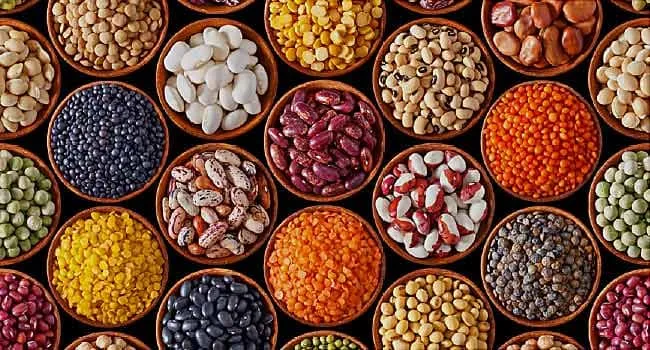
12. Beans and Lentils
Beans, peas, and lentils combine plant protein with fiber, which can support fullness and digestive health. They are also inexpensive, shelf-stable, and easy to add to soups, salads, grain bowls, and tacos.
If you do not normally eat much fiber or currently feel very gassy, start with a smaller portion. Rinsing canned beans can reduce some sodium and may improve their flavor. A gradual fiber increase is generally friendlier than transforming overnight into the International Ambassador of Lentils.
13. Avocado
Avocado provides fiber and unsaturated fat, both of which can help make meals more satisfying. Fat should not be eliminated after a binge; your body needs it for normal functions, and balanced meals are often easier to sustain than rigid low-fat compensation plans.
Add a few slices to whole-grain toast, eggs, a salad, or a grain bowl. Because avocado is energy-dense, use an amount that feels comfortable rather than treating the entire fruit as a mandatory serving.
14. Nuts or Nut Butter
Almonds, walnuts, pistachios, peanuts, and nut butters provide protein, unsaturated fats, fiber, and several minerals. They are useful for creating a balanced snack that lasts longer than fruit alone.
Pair an apple or banana with peanut butter, add walnuts to oatmeal, or eat a small handful of unsalted nuts with yogurt. Portioning them into a bowl may feel more intentional than eating directly from a bag while streaming a show that automatically starts the next episode.
15. Apples
Apples provide water, carbohydrates, and fiber in a portable package. Their crunch and sweetness make them a practical snack when you want something refreshing but need more substance than a beverage.
Pair apple slices with cheese, yogurt, or nut butter for protein and fat. If raw fruit feels uncomfortable because of bloating or reflux, try a cooked apple with cinnamon instead.
What to Drink After Overeating
Plain water is usually the best place to start. Sip it throughout the day instead of chugging an enormous amount at once, which may make a painfully full stomach feel even more crowded. Sparkling water is acceptable, although carbonation may worsen bloating for some people.
Unsweetened ginger tea can be soothing when mild nausea or stomach discomfort is present. Milk or an unsweetened fortified dairy alternative can also contribute fluid and nutrients. There is rarely a need for sports drinks unless you have lost fluid through prolonged vomiting, diarrhea, heavy sweating, or another medical issue.
Water supports normal hydration, but it does not wash away calories or “flush out” a binge. Your kidneys and liver already handle routine waste removal. They do not need a celebrity-endorsed detox tea shouting instructions from the sidelines.
Foods and Habits That May Make You Feel Worse
When you are already uncomfortable, another very large meal may intensify fullness, reflux, and bloating. Greasy foods, heavy cream sauces, large amounts of alcohol, excessive caffeine, and highly carbonated drinks may also worsen symptoms for some people.
That does not mean these foods must be banned forever. It simply means your stomach may appreciate a calmer menu until it returns to normal. Personal tolerance matters: one person may handle a raw salad easily, while another may feel better with soup, rice, eggs, or cooked vegetables.
Do not skip every meal the next day
Skipping food until evening can create intense physical hunger. That hunger may make it harder to eat slowly, recognize fullness, or make a comfortable choice. Resume regular meals and snacks as your appetite returns, aiming for combinations of carbohydrates, protein, fat, and produce.
Do not weigh yourself for reassurance
Your weight can rise temporarily after a large meal because food remains in the digestive tract and salty carbohydrates may increase water retention. A next-morning number does not represent an equivalent overnight increase in body fat. Repeatedly checking the scale may increase anxiety without giving you useful information.
Do not turn exercise into punishment
Gentle movement can support comfort and mood, but strenuous exercise on a painfully full stomach may cause nausea, reflux, or cramping. Choose a relaxed walk, normal daily activity, or rest. Return to your usual workout routine when you feel ready.
A Simple One-Day Meal Plan After a Binge
This sample is not a cleanse or a prescription. Portions should be adjusted for your appetite, health needs, activity level, and usual eating pattern.
Breakfast
Oatmeal topped with banana, berries, and a spoonful of peanut butter, plus water or unsweetened tea.
Lunch
Vegetable soup with beans or chicken, accompanied by whole-grain toast and sliced cucumber.
Afternoon snack
Plain Greek yogurt with fruit, or an apple paired with nuts.
Dinner
Baked salmon, tofu, or eggs with brown rice or a sweet potato and cooked vegetables.
Evening
If you are physically hungry, eat a normal snack. Choosing food at night is not a moral failure, and going to bed ravenous is not a gold-medal achievement.
How to Reduce the Chance of Another Binge
One episode is better treated as information than evidence of poor willpower. Consider what happened before the eating began. Had you skipped breakfast? Were you following rigid food rules? Were you stressed, lonely, bored, sleep-deprived, or surrounded by food while distracted?
Regular meals may help prevent extreme hunger. Including protein and fiber at meals can improve satisfaction, while allowing enjoyable foods in reasonable contexts may reduce the “last chance to eat this” feeling created by strict dieting.
Other useful strategies include eating without a screen when practical, slowing down, putting snacks in a bowl rather than eating from a package, sleeping consistently, and developing nonfood coping options for stress. These might include calling someone, taking a shower, writing down what you feel, stepping outside, or talking with a therapist.
Real-World Recovery Experiences: What the Next Day Often Looks Like
The holiday-dinner experience
A common scenario begins with a celebration meal that quietly turns into several rounds of appetizers, dinner, dessert, and bites taken while packing leftovers. The next morning, the person wakes up full, thirsty, and convinced breakfast must be canceled as punishment.
A more comfortable approach is to drink some water, wait for genuine hunger, and choose something familiar such as oatmeal with banana. Lunch might be soup or a turkey sandwich with vegetables. By dinner, appetite usually feels more recognizable. The useful lesson is that one large holiday meal rarely requires a dramatic response. Returning to normal is usually less uncomfortable than swinging between extremes.
The stressful-evening experience
Another pattern begins after a demanding workday. Someone arrives home having eaten very little since noon, opens a package “for one handful,” and continues eating while answering messages or watching television. By the time physical fullness becomes obvious, the package is empty and guilt has entered the room carrying a clipboard.
The next-day solution includes more than choosing yogurt or eggs. It also means examining the long gap between lunch and dinner. Packing an afternoon snackperhaps fruit with nuts or yogurt with oatsmay reduce the biological hunger that collides with stress at night. The episode becomes a clue about meal timing rather than proof that the person cannot be trusted around food.
The restaurant-weekend experience
Weekends can combine restaurant portions, alcohol, limited sleep, and fewer normal routines. After brunch, snacks, dinner, and late-night takeout, Monday may inspire an unrealistic plan involving only coffee and salad.
In practice, that plan often produces low energy and powerful evening hunger. A steadier Monday might include eggs and toast for breakfast, a grain bowl at lunch, and salmon with vegetables for dinner. Water is consumed regularly, and a gentle walk replaces the punishment workout. The body receives enough food to function, while digestion and fluid balance gradually settle.
The “healthy food” rebound experience
Sometimes the rebound meal creates its own problem. A person feels bloated, then consumes an enormous bowl containing raw kale, beans, bran cereal, berries, seeds, and enough fiber to challenge a small farm animal. Every ingredient is nutritious, yet the sudden volume may worsen gas and abdominal pressure.
The experience demonstrates that healthy eating is not a competition to fit every superfood into one container. When digestion feels sensitive, smaller portions and cooked foods may be more comfortable. Soup, oatmeal, eggs, rice, yogurt, bananas, and cooked vegetables can provide nourishment without creating another oversized meal.
The most important shared experience
Across these situations, people generally feel better when they replace guilt with curiosity. They notice whether the episode followed restriction, exhaustion, stress, alcohol, distraction, or a long period without food. They hydrate normally, wait for appetite to return, and then eat balanced meals rather than trying to erase the past.
Recovery does not require perfect choices. It requires ending the cycle of overcorrection. One breakfast, one walk, or one vegetable cannot undo a bingeand none needs to. The meaningful step is rebuilding a stable pattern over the following days.
When to Seek Professional Help
Speak with a healthcare professional if binge episodes happen repeatedly, feel uncontrollable, cause significant shame, or lead to fasting, vomiting, laxative use, or compulsive exercise. Binge-eating disorder and other eating disorders are treatable health conditions, not failures of character.
Medical care is also important when overeating is followed by severe or persistent abdominal pain, chest pain, fainting, difficulty breathing, blood in vomit, repeated vomiting, or an inability to keep fluids down.
Conclusion
The healthiest response to a binge is surprisingly ordinary: hydrate, allow your stomach to settle, and return to regular meals using foods you tolerate well. Oatmeal, bananas, yogurt, eggs, soup, vegetables, whole grains, fish, beans, fruit, avocado, and nuts can all help you build satisfying meals without restriction or punishment.
Most importantly, do not treat your next meal as a verdict on your previous one. Your eating pattern over time matters far more than a single evening. Choose a comfortable meal, learn what you can from the experience, and move forward. Your body is resilientand it has already survived every buffet you have ever introduced it to.

