
Makeup
10 Fascinating Facts About Tortoiseshell Cats
Jul
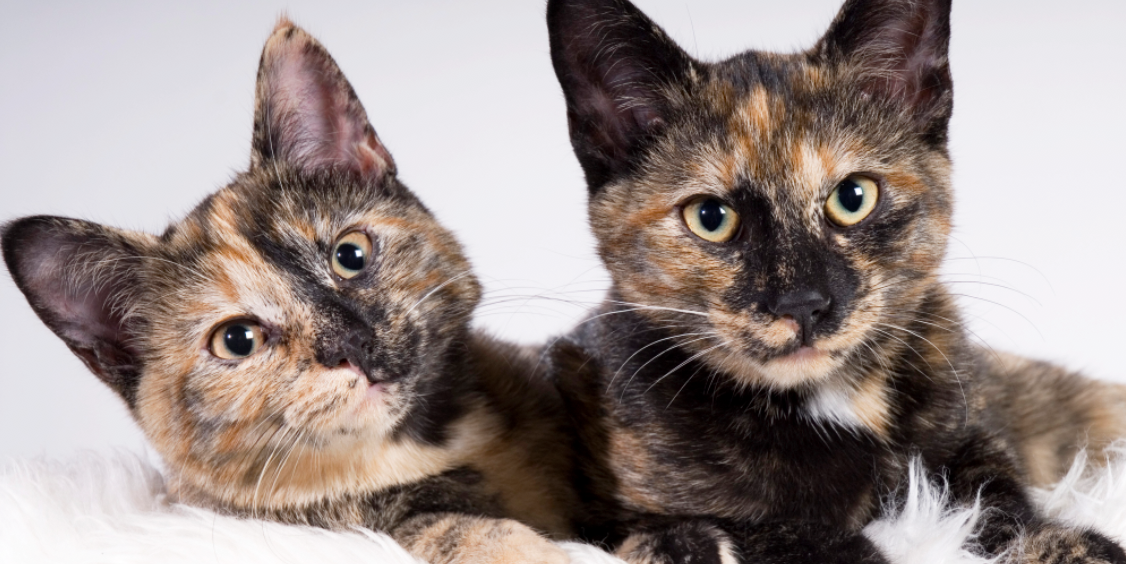
Tortoiseshell cats do not just walk into a room; they arrive like tiny, opinionated autumn storms wearing designer fur. With coats swirled in black, orange, gold, cream, chocolate, or smoky gray, these cats look as if Mother Nature spilled an espresso, a pumpkin latte, and a little glitter on the same canvas, then decided, “Perfect. No notes.”
Known affectionately as tortie cats, tortoiseshell cats are famous for their dramatic coloring, bold personalities, and mysterious genetics. Some people swear their tortie has “tortitude,” which is the unofficial term for sass, confidence, and the ability to judge your life choices from across the room. But beyond the memes and mischievous stares, tortoiseshell cats are genuinely fascinating animals with a coat pattern rooted in feline genetics, biology, and a surprising amount of folklore.
Whether you already live with a tortie, are thinking of adopting one, or simply want to understand why these cats look like walking stained glass, here are 10 fascinating facts about tortoiseshell cats that prove they are more than just pretty faces with strong opinions.
What Is a Tortoiseshell Cat?
A tortoiseshell cat is a domestic cat with a mottled coat pattern that blends two main color families: orange-based shades and black-based shades. The result is a beautiful mix that can look brindled, patched, marbled, speckled, or almost flame-like. The name “tortoiseshell” comes from the resemblance to old-fashioned tortoiseshell material, which had a warm, marbled appearance.
The most important thing to know is this: tortoiseshell is not a cat breed. It is a coat pattern. A tortie can be a domestic shorthair, domestic longhair, Persian, Maine Coon, Cornish Rex, Japanese Bobtail, American Shorthair, or many other breeds and mixes. In other words, “tortie” describes the outfit, not the family tree.
10 Fascinating Facts About Tortoiseshell Cats
1. Tortoiseshell Cats Are Not a Breed
One of the most common misunderstandings about tortoiseshell cats is that they belong to a specific breed. They do not. A tortoiseshell cat can be purebred, mixed breed, shorthaired, longhaired, tiny, chunky, elegant, chaotic, or all of the above before breakfast.
This is why two tortie cats can look completely different. One may have a plush, rounded face and a thick coat, while another may be sleek, athletic, and built like a furry espresso bean. Their shared feature is the coat pattern, not a standardized body type or temperament. So when someone asks, “What breed is your tortoiseshell?” the accurate answer may be “domestic shorthair,” “Maine Coon mix,” or simply “queen of the couch.”
2. Their Coat Colors Come From Feline Genetics
The classic tortoiseshell coat is usually a mixture of black and orange. However, the palette can vary widely. Some torties have deep black and fiery red patches. Others have softer shades such as gray-blue and cream, known as dilute tortoiseshell. There are also chocolate torties, cinnamon torties, and other less common variations depending on the genes involved.
The orange color in cats is connected to the X chromosome. Female cats typically have two X chromosomes, which allows two different color instructions to appear in the same cat. During early development, one X chromosome is randomly switched off in each cell. This process creates a mosaic effect, meaning some areas of fur express orange while others express black or another dark pigment. The result is that gorgeous patchwork coat that makes torties look like they were painted by a very talented raccoon.
3. Almost All Tortoiseshell Cats Are Female
Here is the fact that makes people pause mid-scroll: most tortoiseshell cats are female. Because the tortoiseshell pattern usually requires two X chromosomes to display both orange and non-orange coloring, female cats are far more likely to be torties.
Male tortoiseshell cats can exist, but they are rare. Many male torties have an extra X chromosome, often described as XXY, or they may result from other unusual genetic events such as chimerism. Because of these chromosomal differences, male tortoiseshell cats are often sterile. They are sometimes called the “unicorns” of the cat world, although unlike unicorns, they still require litter boxes and may still knock your water glass off the table.
4. No Two Tortie Coats Are Exactly Alike
Every tortoiseshell cat has a one-of-a-kind coat. Even littermates with similar genetics can develop very different patterns. One tortie may have a black face with a bright orange blaze over one eye. Another may have tiny flecks of cream scattered across her body like confetti. Some look almost evenly blended, while others have dramatic blocks of color.
This uniqueness comes from the randomness of X-chromosome inactivation and how pigment cells spread during development. Think of it as nature’s version of custom tie-dye, except the artist refuses to repeat a design. That means your tortie’s coat is not just beautiful; it is biologically personal.
5. Tortoiseshell and Calico Cats Are Related, But Not the Same
Tortoiseshell cats and calico cats are often confused, and honestly, the cats are not helping by being adorable in overlapping ways. The difference usually comes down to white fur and patch distribution.
A tortoiseshell cat typically has little to no white and shows a blended or mottled mix of orange and black-based colors. A calico cat usually has white fur along with larger, clearer patches of orange and black. If a cat has the tortoiseshell mix plus a lot of white, some people may call her a “tortoiseshell-and-white” or a calico, depending on the pattern. The categories can overlap in casual conversation, but the general rule is simple: torties are more marbled; calicos are more patchwork-with-white.
6. Torbies Are Tortoiseshell Cats With Tabby Stripes
Just when you think feline coat patterns are complicated enough, along comes the torbie cat. A torbie is a tortoiseshell tabby, meaning the cat has tortoiseshell coloring combined with tabby markings. These cats may show stripes, swirls, spots, or the classic “M” shape on the forehead.
Torbie coats can be especially eye-catching because the tabby pattern adds texture to the already colorful tortie mix. You might see orange stripes inside black patches, dark striping through cream areas, or a coat that looks like a tiny tiger walked through a pumpkin patch. Torbies are a perfect example of how cat coat genetics can layer patterns in wonderfully dramatic ways.
7. “Tortitude” Is Famous, But Personality Is More Than Coat Color
Many tortoiseshell cat owners insist that torties have a distinct personality. The nickname for this is tortitude, usually described as a mix of independence, confidence, vocal opinions, loyalty, and occasional spicy behavior. A tortie may adore you fiercely one minute and stare at you the next as if you have personally offended her ancestors.
There has been research into possible links between coat color and owner-reported behavior, and some studies have found that tortoiseshell, calico, and torbie cats were reported as more likely to show certain aggressive behaviors in specific situations. However, this does not mean every tortie is difficult, cranky, or bossy. Cat behavior depends on many factors, including genetics, early socialization, health, environment, stress levels, and how humans interact with them.
So yes, tortitude is a fun word. But your tortie is still an individual, not a furry stereotype with whiskers.
8. Tortoiseshell Cats Appear in Many Cultures and Folklore
Because tortoiseshell cats look so unusual, it is not surprising that people have attached stories and superstitions to them. In different traditions, tortie cats have been viewed as symbols of luck, protection, prosperity, or mystery. Some sailors considered cats lucky on ships, and tortoiseshell cats in particular have often been wrapped in “good fortune” folklore.
Of course, your tortie may interpret “good fortune” as “I successfully stole the warm laundry pile.” Still, the long-standing fascination with these cats shows how memorable they are. Humans have always noticed animals that look rare, dramatic, or magical, and tortoiseshell cats check all three boxes with one flick of the tail.
9. Their Health Needs Are Mostly Like Other Cats
For female tortoiseshell cats, the coat pattern itself does not usually create special health problems. A tortie’s health risks are more connected to her breed background, age, weight, diet, dental care, lifestyle, and veterinary history than to her color pattern.
That means tortoiseshell cats need the same basic care as other cats: high-quality nutrition, clean water, regular veterinary checkups, vaccines as recommended, parasite prevention, dental care, safe enrichment, scratching surfaces, and a litter box that does not look like it belongs in a horror movie. Longhaired torties may need more brushing to prevent mats, while shorthaired torties usually need less coat maintenance.
Rare male tortoiseshell cats may deserve special veterinary attention because some are linked to chromosomal differences that can affect fertility and health. If you have a male tortie, your veterinarian can guide you on any needed testing or monitoring.
10. Tortoiseshell Cats Are Common Enough to Adopt, But Special Enough to Remember
Tortoiseshell cats are not rare in the way male torties are rare. Many animal shelters and rescues have tortie cats waiting for homes. However, each individual tortie feels rare because her coat is unique and her personality is her own.
If you are hoping to adopt a tortoiseshell cat, look beyond the color and spend time learning about the cat’s temperament. Some torties are lap cats. Some are playful comedians. Some are shy observers who need patience. Some are bossy little managers who believe your entire apartment is their office. Coat color may catch your eye, but compatibility should guide your decision.
How to Care for a Tortoiseshell Cat
Caring for a tortoiseshell cat is less about decoding her coat and more about respecting her needs. Like all cats, torties benefit from routine, safety, and predictable care. A consistent feeding schedule, daily playtime, and a calm home environment can help reduce stress and encourage affectionate behavior.
Because many tortie owners describe their cats as energetic or opinionated, interactive play is especially useful. Wand toys, puzzle feeders, climbing trees, window perches, and treat hunts can turn a bored cat into a satisfied cat. A bored tortie may invent her own hobbies, and unfortunately, those hobbies may include “reorganizing” your desk at 2 a.m.
Respect is also important. Cats communicate with body language. A twitching tail, flattened ears, skin rippling, or sudden stillness may mean your cat has had enough petting. Learning these signals can prevent scratches and build trust. The best tortie relationships are not built on forcing affection; they are built on earning it, one slow blink at a time.
Real-Life Experiences With Tortoiseshell Cats
Living with a tortoiseshell cat often feels like sharing your home with a tiny roommate who has strong boundaries, excellent cheekbones, and a complicated calendar you are not allowed to see. Many tortie owners describe the same funny pattern: at first, the cat seems mysterious and independent. Then, slowly, she chooses her person. Once that happens, congratulations. You have been promoted to personal assistant, snack coordinator, door opener, and emotional support human.
One common experience with tortoiseshell cats is their selective affection. A tortie may ignore a room full of guests, then suddenly climb onto one person’s lap as if signing a legal ownership document. She may refuse to be picked up but insist on sleeping against your legs every night. She may reject a fancy cat bed that cost real money and instead curl up inside a cardboard box with the confidence of royalty discovering a vacation home.
Another memorable tortie trait is communication. Some tortoiseshell cats are extremely vocal. They chirp at birds, trill at favorite humans, complain at closed doors, and deliver long speeches before meals. These are not random noises; to the tortie, they are formal announcements. Breakfast is late. The blanket is folded incorrectly. The red dot has escaped again. The household must be informed.
Torties can also be wonderfully playful. Many enjoy chasing feather toys, batting crinkle balls, pouncing from behind furniture, and performing dramatic hallway sprints for reasons known only to cats and possibly ghosts. Their colorful coats make playtime even more entertaining because they seem to flash orange, black, gold, and cream as they move. Watching a tortie chase a toy can feel like watching a living campfire with paws.
Of course, the “tortitude” reputation does show up in some homes. A tortie may be clear about what she likes and what she absolutely does not tolerate. She may love chin scratches but reject belly rubs. She may accept exactly six strokes before issuing a warning tail flick. She may sit beside you rather than on you, which still counts as affection in cat language. The trick is not to take it personally. A tortie’s boundaries are part of her charm.
The most rewarding experience is watching trust develop. A shy tortoiseshell cat may hide at first, observing everything from under a bed or behind a chair. With patience, gentle routines, and quiet encouragement, she may begin appearing at mealtimes, then accepting treats, then napping in the open, then finally choosing to sit nearby. That moment feels huge. Tortie affection can feel earned in the best possible way.
People who love tortoiseshell cats often say they would adopt another in a heartbeat. Not because every tortie is the same, but because each one is unforgettable. Their coats are beautiful, but their real magic is personality: clever, expressive, loyal, funny, and sometimes just dramatic enough to keep life interesting.
Conclusion
Tortoiseshell cats are a perfect blend of science, beauty, and personality. Their coats are created by remarkable feline genetics, their patterns are completely individual, and their reputation for confidence has made them legends among cat lovers. While not every tortie has the famous “tortitude,” many do seem to bring a special spark into the home.
If you are lucky enough to share your life with a tortoiseshell cat, you already know the truth: these cats are not just pets. They are tiny works of art with paws, opinions, and a talent for making ordinary days more entertaining. And if you are thinking about adopting one, be ready. Your furniture, your schedule, and possibly your heart may soon belong to a marbled little masterpiece.
Note: This article is for general educational and lifestyle content. For questions about a specific cat’s health, behavior, fertility, or genetics, consult a licensed veterinarian.

