
Beauty Tools & Accessories
10 Easy Pieces: Classic Fondue Pots
Sep
Fondue has a reputation. It’s either (A) the most delightfully cozy dinner you can have while wearing socks that could pass as small sheep,
or (B) the thing your aunt tried once in 1997 and still talks about like it was a government experiment.
The truth is: fondue is timeless for the exact reason it feels a little retroeveryone gathers, everyone dips, everyone argues about who double-dipped.
That’s community.
This guide is a love letter to classic fondue pots: the cast iron, ceramic, copper, and candlelit beauties that turn melted cheese and chocolate
into a table-centered event. You’ll get a quick buyer’s guide, a curated “10 Easy Pieces” list, and practical tips to keep your fondue smooth (and your sleeves out of the flame).
Why Classic Fondue Pots Still Win (Even in the Age of Air Fryers)
A classic fondue pot does two jobs: it melts your fondue gently and then holds it at a friendly, scoopable temperature while you eat.
Unlike a regular saucepan, it’s built for lingeringbecause fondue isn’t “dinner,” it’s “dinner with a plot.”
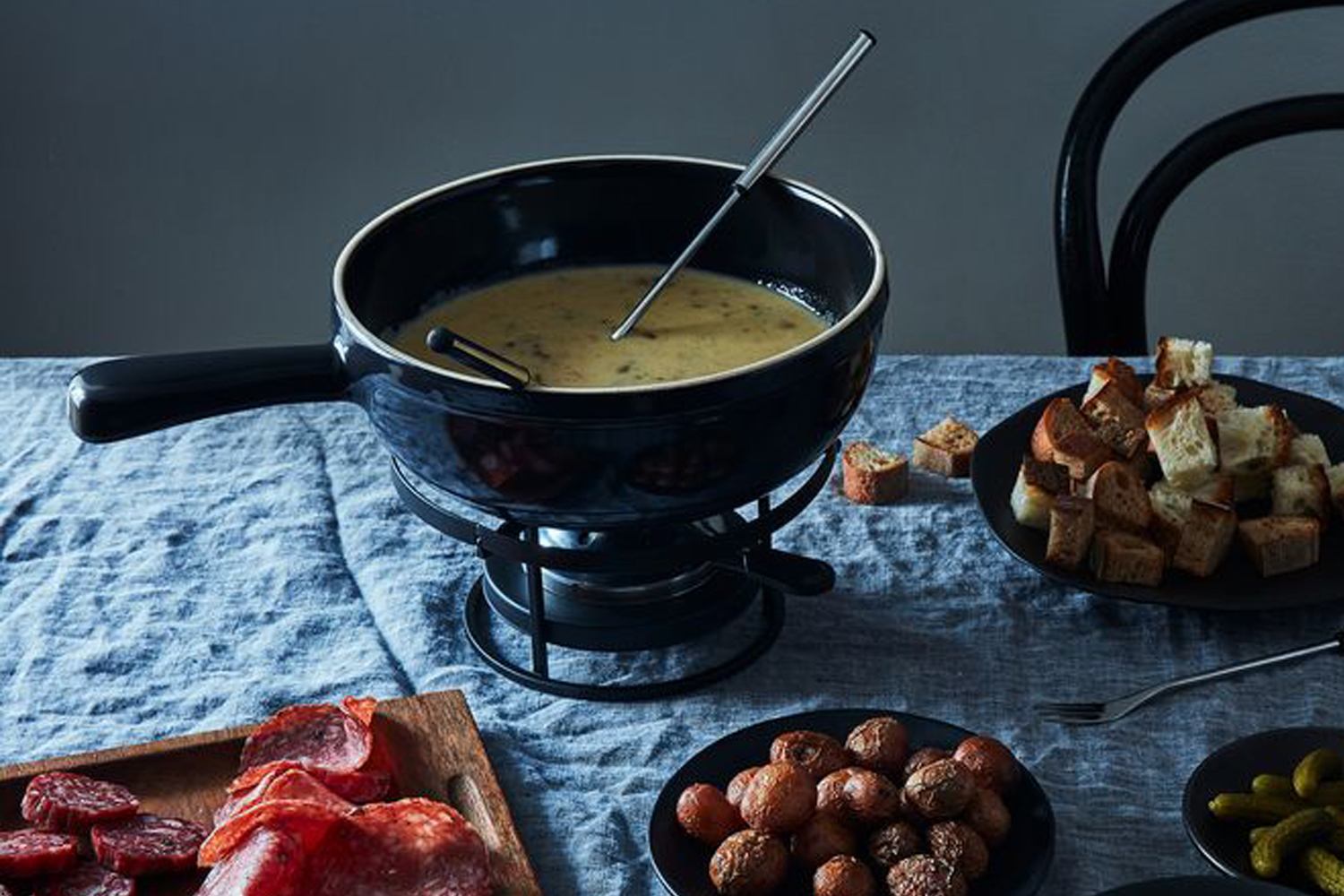
The best classic sets also look good while doing it. A fondue pot sits at the center of the table like a tiny edible campfirewarm, a little dramatic,
and fully capable of ruining your shirt if you lean in like you’re whispering secrets to Gruyère.
How to Choose a Fondue Pot Without Overthinking It
1) Pick your material (this is most of the game)
-
Enameled cast iron: The heirloom choiceexcellent heat retention, sturdy, and usually stovetop-safe so you can melt in the same pot you serve in.
Great for cheese and chocolate. - Ceramic / flameware: Gentle heat and classic “Swiss chalet” vibes. Fantastic for cheese and chocolate; often not ideal for high-heat oil fondues.
- Copper: Luxury-level heat responsiveness. Gorgeous on the table. Also the fastest way to make guests assume you know what you’re doing.
- Stainless steel (often with an insert): Practical, durable, and usually more versatile for broth and oil fonduesespecially if the set includes a splatter guard.
- Glass + tealight sets: “Dessert for two” energy. Perfect for chocolate or small cheese portions, not for cooking raw meats.
2) Choose your heat source (flame, candle, or plug)
- Gel/alcohol burner: Classic tabletop flame. Best for the full fondue experiencejust use it responsibly.
- Tealight candle: Lower heat, slower pace. Great for chocolate, gentle sauces, and small-batch cheese fondue.
- Electric: Not “classic” in the ski-lodge sense, but undeniably consistent for keeping cheese and chocolate silky for longer hangs.
3) Size matters (because fondue can go from “cute” to “why is there so much?”)
- 0.25–1 quart: Couples, desserts, appetizers, and small kitchens.
- 1.5–2 quarts: Sweet spot for 4–6 people.
- 3+ quarts: Parties, big families, or anyone who believes “leftover fondue” is a lifestyle.
4) Safety: the unglamorous, necessary part
Classic fondue often involves an open flame. Keep it on a stable, heat-safe surface, away from anything that can burn (yes, that includes dangling sleeves and “decorative” napkins).
Never move a lit burner, and keep a clear zone around the pot so nobody bumps it during a heated debate about pineapple as a dipper.
If you’re doing meat fondue (hot oil or broth), treat it like tabletop cooking: separate raw and cooked foods, use separate plates and utensils,
and don’t let raw-meat juices mingle with ready-to-eat items. Basically: you’re hosting a party, not a bacteria meet-and-greet.
The “10 Easy Pieces” List: Classic Fondue Pots Worth Setting on the Table
These picks cover the classic spectrumcast iron, ceramic, copper, stainless, and candlelightplus one electric option for people who want fewer variables and more dipping.
Prices change constantly, so think of this list as “best-in-style and function,” not a price quote.
1) Le Creuset Enameled Cast Iron Fondue Set
If you want one fondue pot that feels like it could be handed down with a family recipe and a mild insistence that “we always do fondue on snow days,” this is it.
Enameled cast iron holds steady heat like a champ, and many sets are designed for stovetop-to-table servicemelt your cheese in the same pot you serve in.
- Best for: Classic cheese fondue, chocolate fondue, small-batch broth.
- Why it’s classic: Durable, iconic, and built for the “set it in the middle and let the night unfold” style of entertaining.
2) Staub Enameled Cast Iron Fondue Pot (Small Format)
Staub’s smaller fondue pots are perfect for quick meltsthink chocolate, warm sauce, or a modest cheese fondue that doesn’t require a week of leftovers.
It’s cast iron, so it retains heat beautifully; it’s compact, so it doesn’t bully your table.
- Best for: Chocolate, cheese for 2–4, warm dips.
- Classic bonus: That French enameled cast iron look that screams “cozy dinner party” even if you’re wearing sweatpants.
3) Emile Henry Flame Ceramic Fondue Set
Ceramic fondue sets are the traditionalists’ favorite for a reason: they heat gently and evenly, which helps cheese stay creamy instead of turning into a moody, separated mess.
Emile Henry’s flameware-style ceramic is designed for heat diffusion and an easy “melt, carry, serve” flow.
- Best for: Cheese and chocolate with a smoother, gentler heat curve.
- Why it’s classic: The quintessential “caquelon” vibeold-world, elegant, and made for lingering.
4) All-Clad Fondue Set with Insert (Flame-Based)
All-Clad brings a more engineered approach: sturdy construction and designs that help with controlled melting.
Sets with an insert can function like a double-boiler-style setup for delicate meltsespecially helpful for chocolate (which can scorch if you look at it wrong).
- Best for: Chocolate and cheese when you want extra control and easier cleanup.
- Classic appeal: Old-school tabletop flame, modern build quality.
5) Mauviel Copper Fondue Pot with Stand
This is the “I have a linen napkin collection” optionpolished copper, responsive heating, and serious centerpiece energy.
Copper conducts heat quickly and evenly, which makes temperature control feel more precise once you get the hang of the burner.
- Best for: Hosts who love presentation, cheese and chocolate with quick responsiveness.
- Classic vibe: It looks like it belongs in an Alpine lodge… or a cooking show set.
6) Swissmar Arosa-Style Stainless Steel Set (Often with Ceramic Insert + Guard)
If you want a single set to handle multiple fondue “moods,” stainless steel with a ceramic insert is a workhorse move.
The insert can help with gentler melts (cheese and chocolate), and the base pot can handle higher-heat applications with the right setup.
Many sets also include a splatter guardyour tablecloth will thank you.
- Best for: Versatilitycheese, chocolate, broth, and some meat fondue setups.
- Classic bonus: The traditional fork set + stand ritual, minus the fragility.
7) Swissmar Cast Iron Cheese Fondue Set (Lugano-Style)
Another classic path: enameled cast iron on a sturdy stand with a burner, built for that iconic cheese-fondue experience.
Cast iron’s heat retention helps keep cheese molten longer, and the enamel interior helps with cleanup.
- Best for: Swiss-style cheese fondue nights, cozy group dinners.
- Why it’s classic: It’s the picture you see in your head when someone says “fondue.”
8) Boska Cast Iron Cheese Fondue Set
Boska tends to lean into approachable, giftable fondue gearespecially cast iron sets that feel traditional without feeling precious.
The cast iron pot helps maintain heat; the stand-and-burner setup delivers the full nostalgic experience.
- Best for: Cheese fondue for 4–6, holiday gatherings, “let’s make this a tradition” energy.
- Pro tip: Start the melt gently on the stove when possible, then move to the stand for serving.
9) Candlelight Fondue Set (Boska Twinkle-Style)
Candlelit fondue is the soft-launch version of fondue night: lower heat, slower tempo, and perfect for dessert or small bites.
Many candlelight sets use tealights and a smaller panideal for chocolate or a small cheese portion.
- Best for: Chocolate fondue, date nights, small desserts, gentle dips.
- Classic vibe: It’s fondue as ambianceromantic, cozy, and almost suspiciously easy.
10) Cuisinart Electric Fondue Pot (The “Always Smooth” Option)
Yes, electric isn’t the “burner and flames” classicbut it is the “cheese stays creamy and dippable” classic.
If you’ve ever fought a breaking cheese fondue (grainy, oily, emotionally distant), steady temperature control is your friend.
Electric fondue pots are also great for parties where you want fewer moving parts and more consistent results.
- Best for: Beginners, chocolate, cheese, and long hangs where consistency matters.
- Classic-by-function: It nails the real goal: keeping fondue at the right temp for a long, happy dip.
How to Make Fondue Actually Taste Good (Not Just “Warm”)
A simple, dependable cheese fondue blueprint
Great fondue is mostly temperature management plus a little starch magic. Here’s the reliable approach:
- Start with dry white wine in the pot (or a saucepan if your pot isn’t stovetop-safe). Warm it gentlyno boiling party tricks.
- Add cheese gradually (classic blends include Gruyère + Emmental). Stir until melted and smooth.
- Stabilize with cornstarch (mixed with a little liquid first). This helps keep the emulsion silky.
- Keep it low and slow on the stand or electric settinghigh heat is where cheese goes to get weird.
Chocolate fondue: the “gentle heat” Olympics
Chocolate scorches easily, so use a double-boiler-style insert, a tealight set, or an electric pot with low control.
If you’re using a burner, keep the flame low and stir oftenthink “coax,” not “sear.”
Meat fondue (oil or broth): fun, but treat it like cooking
- Use a splatter guard when possible.
- Keep raw and cooked foods separate (plates, forks, tongseverything).
- Choose oils with higher smoke points if using oil, and keep kids/pets away from the pot zone.
Cleaning & Care: Make Your Fondue Pot Last Longer Than the Party
- Cast iron (enameled): Let it cool, then wash gently. Avoid metal tools that can scratch enamel.
- Ceramic: Soak first if cheese has glued itself on. Warm water and patience do more than brute force.
- Copper: Hand-wash and dry promptly. Polish if you want it shiny; ignore it if you want “vintage French kitchen” vibes.
- Electric: Follow the manual. Usually the insert washes easily; the heating base does not want a bath.
Fondue Night Field Notes: of Cozy Chaos
There’s a special kind of optimism that hits when you pull out a fondue pot. Suddenly you’re not just making dinneryou’re producing an experience.
You start imagining a perfect scene: everyone laughing, bread cubes dipped at tasteful intervals, chocolate flowing like a dessert fountain of wisdom.
And sometimes that happens! But more often, fondue night is a charming little comedy where the plot is “we are all learning together.”
The first lesson is pace. Fondue punishes impatience. Someone will crank the burner because “it’s not bubbling enough,” and five minutes later the cheese has gone from silky
to “why is it clumping like wet sand?” Classic fondue pots teach you to respect gentle heat. You’ll develop the host reflex of quietly adjusting the flame down while smiling and saying,
“It’s perfectjust warming up.” (Meanwhile, you’re thinking, everyone back away from the burner.)
The second lesson is that dipping is a personality test. There’s the careful dipper (controlled, tidy), the enthusiastic dunker (chaotic good),
the double-dipper (chaotic neutral), and the person who tries to cook a full cube of steak in a chocolate pot “as a joke.”
Classic fondue setsespecially the ones with color-coded forksturn this into a low-stakes sport. Guests become oddly attached to their fork color,
as if it’s a jersey and you’re playing in the Cheese Olympics.
Third: the table setup matters more than you think. The best fondue nights have a calm perimeter.
Put dippers in little bowls. Give everyone a small plate. Keep napkins within reach (plural).
If you’re doing meat fondue, treat it like a mini cooking station: one plate for raw items, one for cooked, and a clear rule that raw forks don’t touch ready-to-eat foods.
This isn’t fussyit’s how you keep fondue night from turning into “fondue regret.”
And finally, the secret ingredient is permission to linger. Fondue is one of the few meals that politely forces people to slow down.
You can’t shovel it; you have to participate. You wait your turn, you stir, you chat, you laugh when someone loses a bread cube and insists it’s “gone forever”
like it was a dramatic character exit. Classic fondue pots are basically edible campfires: everyone gathers, everyone relaxes, and the evening stretches out in the best way.
Even if the cheese gets a little thick, you add a splash of wine, stir, and carry on. Which, honestly, is pretty great life advice for a Tuesday.
Wrap-Up: Your Classic Fondue Pot Is a Tiny Tradition Machine
If you want the most timeless pick, go enameled cast iron or ceramic. If you want the most dramatic pick, go copper.
If you want the most foolproof melt-and-hold experience, go electric. Whatever you choose, the point is the same:
a good fondue pot turns eating into a shared activityand that’s always in style.

