
Beauty Tools & Accessories
Bronze Age: An Artful Wall Hook from Fort Standard
May
Some home objects work so quietly that we barely notice them. Then there is the Fort Standard wall hook: a small, sculptural piece of hardware that looks as if it wandered out of a design gallery, remembered it had a job, and politely offered to hold your coat. “Bronze Age: An Artful Wall Hook from Fort Standard” is not just a catchy title; it captures why this compact object has earned attention among people who care about modern home hardware, American design, and the tiny details that make a room feel considered.
Fort Standard, a contemporary design studio rooted in Brooklyn craft, has built its reputation around simple forms, strong materials, and functional pieces that do not shout for attention. The wall hook associated with this “Bronze Age” idea is best understood as a practical object with the manners of sculpture. It is round, warm-toned, minimal, and surprisingly versatile. It can hold dry cleaning, a jacket, a scarf, a tote bag, keys, or an umbrella. More importantly, it can do all of that without making your entryway look like a storage panic attack.
What Makes the Fort Standard Wall Hook Special?
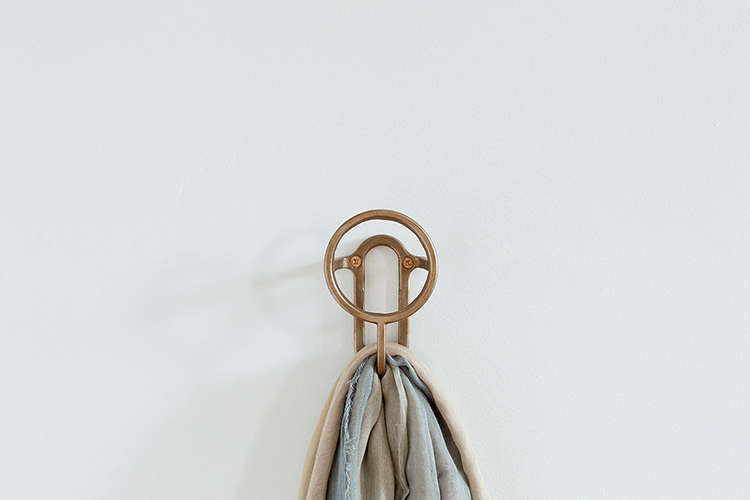
The Fort Standard Brace Wall Hook is currently listed as a cast brass wall hook measuring 2.5 inches wide by 4 inches high. Earlier design coverage described a cast bronze version, which explains the “Bronze Age” nickname and the warm metallic character that made the piece so memorable. Whether discussed as bronze or brass, the appeal is rooted in the same design language: durable metal, restrained geometry, and an artful silhouette that turns ordinary wall storage into a visual detail.
This is not the kind of hook you buy because you lost a battle with clutter at the hardware aisle. It belongs to a different category: designer wall hooks that double as decor. The circular upper form is gentle on garments, helping coats and scarves hang without the harsh pressure point of a sharp peg. The lower brace creates a second functional zone, giving you a clever place to clip keys, loop a scarf, or hang an umbrella. Small object, big résumé.
A Hook That Doubles as Wall Art
Most hooks are designed to disappear. Fort Standard’s wall hook does the opposite, but tastefully. Its circular shape creates a graphic mark on the wall, almost like a tiny bronze or brass drawing. When empty, it still contributes to the room. When used, it becomes part of the daily choreography of leaving and arriving home.
That is why this piece fits so well in modern interiors. Today’s homes often need to be efficient without looking overly utilitarian. A narrow apartment entryway, a bathroom wall, a closet corner, or a mudroom can all benefit from vertical storage. But vertical storage can quickly become visually noisy. The Fort Standard hook keeps things calm. It adds function, but it also adds rhythm, warmth, and a little “yes, I thought about this” energy.
Fort Standard’s Design Philosophy
Fort Standard is known for contemporary American craft, natural materials, and clean-lined objects that are meant to be lived with. The studio’s work often explores the relationship between material and process. That matters here because the wall hook is not merely shaped to look nice; it feels connected to how it is made. The metal has presence. The form feels direct. The proportions are compact but confident.
Good design often looks obvious after someone else has done the hard thinking. The Brace Wall Hook has that quality. A circular top for hanging garments? Sensible. A lower brace for smaller items? Also sensible. A sculptural metal form that ages beautifully? Very sensible. The genius is that all these practical decisions are packed into a piece small enough to fit in your hand.
Bronze, Brass, and the Beauty of Living Finishes
The title “Bronze Age” naturally invites a short material detour. Bronze is traditionally an alloy of copper and tin, while brass is an alloy of copper and zinc. Both metals have long histories in decorative objects, hardware, sculpture, and architecture. Both are valued for warmth, strength, and the way they can develop character over time. In interior design, bronze and brass finishes often create a bridge between old-world richness and modern restraint.
That is part of the charm of this wall hook. A warm metal hook does not feel cold or temporary. It has a human quality, especially compared with plastic hooks or generic painted hardware. It catches light softly. It pairs well with wood, stone, plaster, tile, painted walls, and natural textiles. It can look refined in a minimalist hallway or quietly luxurious in a more layered home.
Why Patina Matters
One of the reasons designers love bronze and brass is patina. A living metal finish can gradually darken, brighten in high-touch areas, and develop subtle tonal variation. That aging process is not a defect; it is part of the story. The hook you install on day one may look more uniform, while the hook you live with for a year may show where your hand grabs keys or where your favorite canvas tote rests every evening.
Of course, not everyone wants patina. Some people prefer a polished, consistent shine. But for those who enjoy materials that evolve, a bronze or brass wall hook offers something mass-produced hardware rarely does: personality. It is like denim, leather, or a good wooden cutting board. It improves by participating in your life.
The Lost-Wax Connection: Ancient Process, Modern Object
Earlier descriptions of the bronze version highlighted investment casting, also known as lost-wax casting. This ancient metal-forming method has been used for jewelry, sculpture, tools, ritual objects, and decorative pieces for thousands of years. In simple terms, a wax form is created, encased, melted away, and replaced with molten metal. The result is a cast object that can capture subtle shape and detail.
That historical connection gives the hook extra romance. Here is a modern object designed for keys and dry cleaning, yet its material language points back to some of the oldest traditions in metalworking. It is not pretending to be an archaeological artifact. It is much better than that: it is proof that old processes can still make everyday life more beautiful.
Where to Use the Fort Standard Wall Hook
The obvious place for a designer wall hook is the entryway. That is where the daily avalanche begins: coats, bags, keys, dog leashes, hats, and the umbrella you swear you will remember next time. A few Fort Standard hooks mounted in a clean row can create a practical landing zone without the bulk of a freestanding coat rack.
In a bathroom, the hook can hold a towel or robe while adding warmth against tile, marble, or plaster. In a bedroom, it can keep tomorrow’s outfit off the chair. You know the chair. Everyone has the chair. In a kitchen, it could hold a linen apron or small market bag. In a workspace, it can manage headphones, tote bags, or a jacket without making the room feel like an office supply closet.
Best Placement Ideas
For a single hook, place it where it can behave like a small accent. Beside a door, near a mirror, next to a vanity, or above a small bench are all natural choices. For multiple hooks, spacing is important. Give each hook enough room so coats and bags do not collide. A row of three to five hooks can work beautifully in a hallway, especially if aligned with other architectural elements such as trim, shelves, or a console table.
Height depends on use. For adult coats, a higher placement is practical. For keys, bags, or children’s items, a lower position may be better. The biggest mistake is installing hooks only for how they look when empty. A great hook should look good both bare and loaded with the slightly chaotic evidence of real life.
How It Compares to Ordinary Wall Hooks
Generic wall hooks usually compete on price, load rating, and finish options. There is nothing wrong with that. A budget hook can do a perfectly respectable job of keeping a jacket off the floor. But the Fort Standard wall hook competes on a different level. It offers utility, yes, but also craftsmanship, material depth, and a distinctive sculptural profile.
Its circular hanger is gentler than many traditional hooks, which can leave pressure marks on garments. The lower brace gives the object a second use without adding visual clutter. The metal construction gives it a sense of permanence. In short, it feels less like an accessory and more like a considered design decision.
Styling the Bronze Age Look at Home
The Fort Standard hook works especially well in interiors that value honest materials. Pair it with white oak, walnut, travertine, limestone, marble, linen, wool, leather, matte paint, or handmade tile. Its warm finish can soften a black-and-white room, add depth to a neutral palette, or bring a refined accent to a colorful wall.
For a minimalist space, install one hook as a quiet focal point. For a family entryway, use several hooks in a row and let them carry real storage responsibility. For a boutique-hotel feeling, place one beside the shower or near a robe. For a creative studio, use it to hang tools, headphones, or a canvas bag. The hook is small enough to adapt, but handsome enough to be noticed.
Color Pairings That Work
Warm brass or bronze tones look excellent against ivory, cream, mushroom, charcoal, deep green, navy, terracotta, clay, and muted pink. They also play well with natural wood and stone. If your space already has stainless steel or black hardware, do not panic. Mixed metals can look intentional when repeated. For example, a brass wall hook, black door hardware, and a brass lamp can create balance rather than conflict.
Care and Maintenance
For day-to-day care, keep it simple. Dust with a soft cloth and wipe gently when needed. If the hook is unlacquered or has a living finish, avoid harsh abrasives unless your goal is to remove patina and make the surface brighter. Moisture can accelerate oxidation, so bathroom use may create faster aging. That is not necessarily bad; it just means the finish will become more expressive over time.
If you love the aged look, let the metal do its thing. If you prefer a cleaner shine, use gentle cleaning methods and test carefully. The golden rule is this: do not attack a beautiful metal object like you are scrubbing a frying pan after a camping trip. Respect the finish, and it will reward you with depth.
Who Should Buy This Wall Hook?
This hook is ideal for people who care about details. If you are furnishing a first apartment on a tight budget, it may feel like a splurge. If you are slowly upgrading your home with fewer, better objects, it makes a lot of sense. It is especially appealing for design lovers, architects, stylists, homeowners renovating entryways, and anyone who believes hardware should be more than an afterthought.
It is also a smart choice for small-space living. In compact homes, every object earns its place. A hook that organizes clutter while adding visual interest is doing double duty. That is the kind of design math we can support.
Why Small Hardware Can Change a Room
People often focus on large furniture first: sofa, dining table, bed, storage cabinet. But rooms are frequently defined by smaller touchpoints. Door handles, cabinet pulls, light switches, hooks, shelves, and towel bars are the things your hands meet every day. When those details feel cheap, the whole room can feel less resolved. When they feel thoughtful, the room gains polish.
The Fort Standard wall hook proves that practical hardware can carry emotional weight. It gives you a place to hang your coat, but it also changes the way a blank wall feels. It adds shadow, dimension, warmth, and utility. That is a lot of work for a little object. Somewhere, a plastic adhesive hook just got nervous.
Experiences Related to “Bronze Age: An Artful Wall Hook from Fort Standard”
Living with a well-designed wall hook changes how you think about the everyday entrance and exit ritual. Before installing a proper hook, the entryway often becomes a negotiation zone. The bag lands on the floor. The keys vanish into a pocket dimension. The umbrella leans in the corner like it has given up on life. A sculptural hook gives all of those objects a home, and somehow the whole room exhales.
The most satisfying experience comes from the moment when function and beauty finally stop arguing. A Fort Standard-style bronze or brass hook is not flashy, but it feels deliberate. You walk in, hang your jacket, clip your keys, and the action feels smooth. There is no bulky rack, no crowded shelf, no sad pile of accessories on a chair. The hook becomes a tiny piece of domestic choreography. It is simple, but simple is often where luxury hides.
Another experience worth noting is how guests notice it. Not loudly, not with the dramatic gasp usually reserved for marble countertops or unusually confident wallpaper. Instead, they pause and say something like, “That hook is nice.” That is the highest compliment for good hardware. It means the object is useful enough to belong and beautiful enough to interrupt autopilot. It has presence without becoming needy.
In a bathroom, the experience is even more practical. A warm metal hook beside a shower or vanity makes towels feel more intentional. It also breaks up the coldness that bathrooms sometimes have, especially when the room is full of tile, glass, and chrome. The hook becomes a small warm note in a hard-surfaced space. Over time, if the finish develops patina, it can make the bathroom feel less showroom-perfect and more lived-in, which is usually a good thing unless your home is secretly a faucet catalog.
For renters, the experience can be surprisingly empowering. You may not be able to replace floors, move walls, or install custom cabinetry, but you can often upgrade small hardware. A beautiful hook near the door can make a temporary space feel more personal. It says, “I live here with intention,” even if the apartment still has a questionable ceiling light and a cabinet hinge that sings the song of its people every morning.
The best part is that the hook encourages better habits without scolding you. A drawer demands sorting. A closet demands commitment. A hook simply offers a place. That is why artful wall hooks are so effective: they make tidiness easy. When the object itself is beautiful, using it becomes satisfying. You do not hang your bag because you should; you hang it because the hook is right there, looking elegant and quietly judging the floor.
Ultimately, the experience of a Fort Standard wall hook is about noticing the small things. It reminds you that design does not have to be large to be meaningful. A compact cast metal hook can bring order to a hallway, warmth to a bathroom, and character to a blank wall. It can hold your coat today and age gracefully tomorrow. That is the beauty of the “Bronze Age” idea: an ancient-feeling material, a modern American design sensibility, and a daily function so ordinary that making it beautiful feels almost rebellious.
Conclusion
“Bronze Age: An Artful Wall Hook from Fort Standard” is a story about more than one handsome piece of hardware. It is about the way small objects can elevate daily life when they are designed with care. The Fort Standard wall hook brings together sculptural form, durable metal, thoughtful function, and a warm finish that feels timeless rather than trendy. It works in entryways, bathrooms, bedrooms, kitchens, and workspaces because it solves a real problem while adding visual character.
In a world full of disposable home accessories, this hook feels refreshingly permanent. It is useful, beautiful, compact, and quietly clever. That combination is rare. And if a wall hook can make you feel a little happier about hanging up your coat, perhaps the Bronze Age is not so ancient after all.
Note: Product names, materials, finishes, dimensions, and prices can change over time. Before purchasing, confirm the current listing details directly with the maker or retailer.

