
Beauty Tools & Accessories
We Raised Two Ducks For A Month And Here Are My Daughter’s Adventures With These Little Fellows (16 Pics)
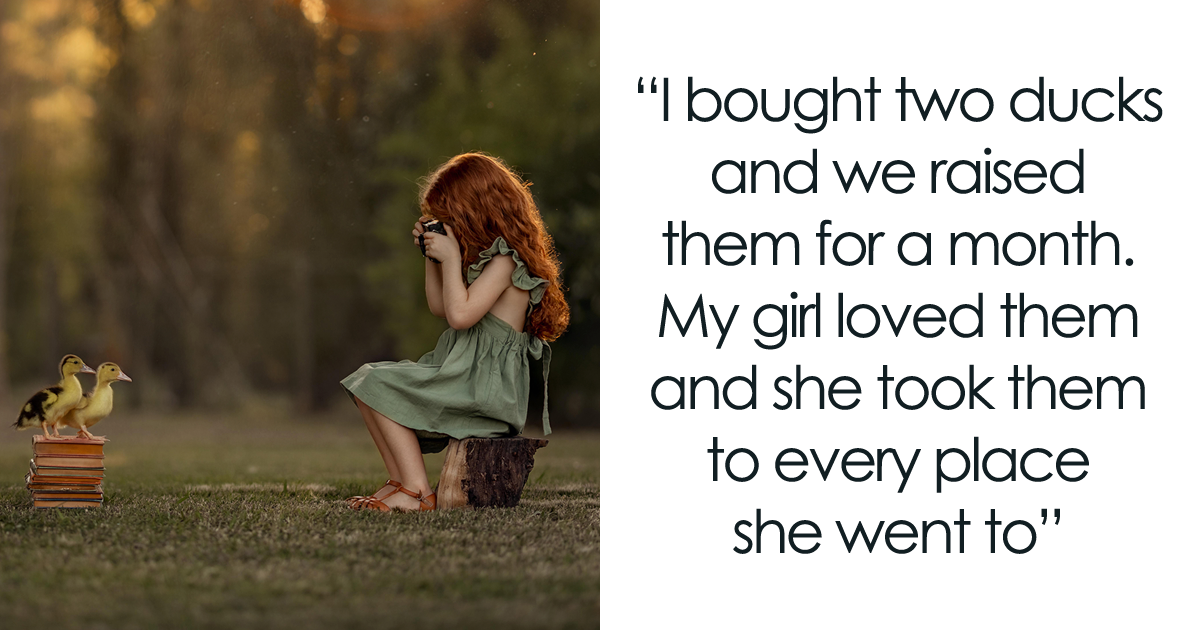
May
Before two ducklings arrived at our home, I thought ducks were basically chickens with better shoes. I was wrong. Ducks are tiny feathered comedians, part-time mud engineers, professional splash artists, and surprisingly effective teachers of patience. For one month, my daughter became the proud guardian, snack supervisor, bath monitor, and chief naming officer of two little fellows who turned our quiet routine into a waddling documentary.
This is the story of raising two ducks for a month: the sweet moments, the chaotic ones, the lessons we learned, and the many times we discovered that “just a little water” means something very different to a duck. Along the way, we learned real duck care basics tooclean drinking water, safe bedding, proper food, supervised handling, and a healthy respect for the fact that ducklings can turn a tidy brooder into a swamp faster than you can say, “Where did the towel go?”
The Day Two Ducklings Took Over Our Hearts
The first day was pure magic. My daughter stood beside the brooder with the seriousness of a tiny wildlife biologist. The ducklings were small, warm, and ridiculously fluffy, with round bodies and feet that looked two sizes too big. She whispered to them as if they were royalty. They answered with tiny peeps, which she immediately translated as, “They love me.”
We named them Puddle and Bean. Puddle was bold, curious, and always first to investigate anything new. Bean was softer in personality, the sort of duckling who seemed to think about life deeply before stepping into the water dish and ruining the bedding. Together, they became the stars of our home for the next four weeks.
Picture 1: The First Hello
The first photo would show my daughter crouched beside the brooder, eyes wide, hands folded carefully, trying her best not to squeal from excitement. The ducklings were still unsure of us, but curiosity won. One stretched its neck toward her finger, and that was itthe friendship contract was signed.
Picture 2: The Naming Ceremony
Naming ducks is apparently serious business. My daughter rejected names like Sunny, Daisy, and Marshmallow because, in her words, “They do not feel ducky enough.” Puddle and Bean passed the test. Puddle earned his name within ten minutes by standing in the waterer. Bean got his because he was small, round, and looked like a baked bean with feet.
What We Learned About Raising Ducklings
Ducklings are adorable, but they are not decoration. They need daily care, proper warmth, clean bedding, suitable feed, and constant access to clean drinking water. Unlike chicks, ducklings use water not only for drinking but also for clearing their nostrils and helping them swallow food. That means water is not optional, but it also means you should prepare for splashing. Lots of splashing.
We set up a warm brooder in a draft-free area, used absorbent bedding, and changed it frequently. “Frequently” quickly became a family vocabulary word meaning “more often than expected.” Ducklings grow fast, eat eagerly, and produce enough mess to make you question the laws of physics.
Food Matters More Than We Expected
One of the biggest lessons was nutrition. Ducklings need a diet suitable for waterfowl, and they have higher niacin needs than chicks. Niacin supports healthy growth and leg development, which matters because ducklings grow at a speed that feels almost cartoonish. One day they looked like cotton balls; a week later they looked like teenagers wearing fuzzy jackets.
We used appropriate starter feed and made sure the ducklings always had water available when eating. Dry feed without water can be a problem because ducklings need moisture to swallow comfortably. My daughter took this rule very seriously. Every feeding came with her official announcement: “Water first, snacks second.” Honestly, many adults could benefit from that level of hydration discipline.
Picture 3: Breakfast With Two Tiny Dinosaurs
The third picture would show Puddle and Bean standing beside their feed bowl like two prehistoric creatures discovering a buffet. Ducklings eat with enthusiasm. They do not nibble politely. They attack breakfast as if they are late for an important meeting.
Picture 4: The Water Bowl Incident
No duck story is complete without a water disaster. Our first water bowl was too open, and Puddle treated it like a personal spa. Within minutes, the bedding was damp, Bean was confused, and my daughter was laughing so hard she could barely help clean up. We quickly switched to a safer water setup that allowed them to dip their bills without climbing in completely.
Keeping Ducklings Safe Around Children
One of the most important parts of this adventure was teaching safe handling. Ducklings are delicate, and children need clear rules. My daughter learned to sit down before holding them, keep both hands gentle, avoid squeezing, and let the ducklings rest when they seemed tired. We also made handwashing non-negotiable after every visit.
Backyard poultry can carry germs even when they look healthy, so good hygiene matters. We kept the ducklings out of the kitchen and away from eating areas. My daughter loved them dearly, but we explained that ducks do not need kisses. They need clean water, clean bedding, good food, and a calm little human who respects their space.
Picture 5: The First Gentle Hold
This picture would show my daughter sitting cross-legged with Bean resting safely in her hands. Her smile was huge, but her hands were careful. It was one of those quiet parenting moments when you realize a child is not just playing with animalsshe is learning responsibility.
Picture 6: Puddle Makes A Break For It
Puddle was the explorer. During supervised playtime, he discovered that the world outside the brooder was full of fascinating things: shoelaces, towel corners, sunlight, and my daughter’s socks. He waddled with confidence, even when his feet disagreed with his direction.
The Great Duckling Personality Test
After a few days, their personalities became obvious. Puddle was the leader, always testing boundaries. Bean was more cautious but deeply attached to routine. If Puddle walked somewhere first, Bean followed. If Bean peeped nervously, Puddle turned around as if to say, “Fine, we will investigate this suspicious towel together.”
My daughter started keeping a “duck diary.” Her notes included observations such as “Puddle likes shiny things,” “Bean is polite,” and “Both ducks are bad at staying dry.” This little diary became one of the sweetest parts of the month. It encouraged her to notice behavior, patterns, and needs rather than treating the ducklings like toys.
Picture 7: The Duck Diary
The seventh picture would show a notebook with wobbly handwriting, duck doodles, and serious scientific claims like “Ducks enjoy chaos.” I cannot argue with the research.
Picture 8: The First Outdoor Visit
When the weather was warm enough and the ducklings were supervised closely, we gave them short outdoor visits in a safe, enclosed space. My daughter called it “duck recess.” Puddle poked at grass. Bean stood still for a moment, then realized grass was not a monster. Soon they were both busy exploring.
Outdoor Time: Fun, But Always Supervised
Outdoor time was wonderful, but we never treated it casually. Ducklings are vulnerable to predators, temperature changes, and unsafe plants or objects. We stayed nearby, kept sessions short, and made sure they could return to warmth afterward. My daughter wanted them to sleep outside under the stars, but we explained that responsible animal care sometimes means choosing safety over cuteness.
That was a valuable lesson. Children often love animals with their whole hearts, but love needs guidance. It is not enough to say, “They look happy.” We also have to ask, “Are they warm? Are they safe? Do they have clean water? Are they tired?”
Picture 9: Puddle Meets A Leaf
Puddle found a leaf and treated it like a rare treasure. He nudged it, stepped on it, backed away, returned, and finally decided it was not edible. My daughter narrated the entire scene like a nature documentary: “The brave duck has discovered the wild leaf.”
Picture 10: Bean Finds Courage
Bean’s big moment came when he finally wandered away from my daughter’s shoes and followed Puddle across the grass. It was only a few feet, but for Bean it looked like crossing a continent. My daughter clapped softly, because loud applause would have ruined the dignity of the achievement.
The Bath Adventure
Ducklings love water, but swimming must be handled carefully. Young ducklings can chill quickly, and they should never be left alone in water. Our “bath adventures” were shallow, warm, brief, and supervised from start to finish. Afterward, the ducklings were dried gently and returned to a warm space.
My daughter thought bath time was the funniest thing she had ever seen. Puddle splashed like he had been training for an Olympic event. Bean floated with a look of mild surprise, as if he had just remembered he was a duck. The entire event lasted only a few minutes, but in family memory it became legendary.
Picture 11: The Tiny Splash Zone
The eleventh picture would show water droplets, two delighted ducklings, and my daughter wearing the expression of someone witnessing pure joy. It also would show several towels in the background, because experience had made us wiser.
Picture 12: Post-Bath Fluff
After bath time, Puddle and Bean became rounder, fluffier versions of themselves. My daughter said they looked like “warm popcorn with beaks.” That description has never left my mind.
How Ducks Changed Our Daily Routine
For one month, our mornings started with duck checks. Fresh water. Fresh feed. Bedding inspection. Temperature check. Quick health observation. My daughter helped with age-appropriate tasks, and she loved having a routine that mattered.
Raising ducks taught her that animals do not pause their needs because humans feel sleepy. Ducks do not care if it is raining, if you are busy, or if your favorite cartoon is on. They need care every day. That lesson landed gently but clearly.
Picture 13: Morning Chores
This photo would show my daughter carrying a small scoop of feed with the pride of someone delivering room service to VIP guests. Puddle and Bean waited impatiently, because ducks believe breakfast should have happened five minutes ago.
Picture 14: The Towel Mountain
Ducklings require towels. Many towels. Towels for supervised bath time, towels for small spills, towels for cleaning, towels you thought were safe but somehow became duck towels. By week two, we had a designated duck laundry system. It was not glamorous, but it worked.
The Sweetest Surprise: Confidence
The biggest surprise was not how cute the ducklings were. We expected that. The biggest surprise was how much confidence my daughter gained. She learned to observe before acting, to move slowly, to speak softly, and to solve small problems. When the water spilled, she did not panic. She said, “We need dry bedding.” When Bean seemed nervous, she gave him space. When Puddle tried to climb where he should not, she redirected him gently.
That is the gift of caring for animals. It teaches responsibility without sounding like a lecture. A duckling does not say, “Please develop empathy and practical life skills.” It simply peeps, splashes, eats, and depends on you. Somehow, the lesson gets through.
Picture 15: The Goodbye Cuddle
By the end of the month, Puddle and Bean were bigger, louder, and far less baby-like. The fifteenth picture would show my daughter sitting beside them, not holding them tightly, just being near them. She had learned that love is not always grabbing. Sometimes love is giving another creature room to be itself.
Picture 16: Two Little Fellows, One Big Adventure
The final picture would show Puddle and Bean standing side by side, looking slightly ridiculous and completely wonderful. Their feet were still too large, their expressions still dramatic, and their impact on our family much bigger than expected.
What A Month With Two Ducks Taught Us
Raising two ducks for a month was funny, messy, educational, and occasionally damp in places that should not have been damp. We learned that ducklings are not low-maintenance pets. They need clean water, the right nutrition, safe housing, good hygiene, and daily attention. We also learned that children can rise beautifully to responsibility when adults guide them with patience.
For families thinking about raising ducks, our advice is simple: research first, prepare more bedding than you think you need, create a safe water system, supervise children carefully, and never underestimate the splash radius of a determined duckling. Ducks are charming, but they are also living animals with real needs.
Extra Experiences From Our Duck-Raising Month
One experience I did not expect was how quickly the ducklings became part of the rhythm of the house. They were not in the living room or kitchen, and we kept their care area separate for cleanliness, but somehow their tiny voices became the soundtrack of the month. My daughter could tell the difference between a hungry peep, a curious peep, and what she called the “Where is my friend?” peep. Whether her translations were scientifically perfect is debatable, but her attention was real.
Another memorable lesson was how fast ducklings grow. Photos from day one and week four looked like two different species had visited us. Their legs strengthened, their bodies stretched, and their personalities became even more obvious. Puddle remained bold, but he also became more relaxed around us. Bean stayed cautious, yet he slowly learned that gentle hands and predictable routines were safe.
Cleaning became a family comedy. Every time we refreshed the bedding, the brooder looked beautiful for approximately seven minutes. Then Puddle would drink water with his whole face, Bean would investigate the damp spot, and my daughter would announce, “They are decorating again.” That phrase helped us laugh instead of groan. Caring for animals is easier when you accept reality: ducks are not designed for your aesthetic goals.
We also learned to celebrate small milestones. The first calm hand-feeding. The first outdoor nibble of grass. The first time Bean followed my daughter’s voice instead of hiding behind Puddle. These were not dramatic moments, but they mattered. They taught my daughter that trust grows slowly. You cannot demand it from an animal. You earn it by being consistent, gentle, and respectful.
At the end of the month, my daughter asked if ducks remember people. I told her that animals learn routines, voices, and safe experiences in their own way. Maybe Puddle and Bean would not remember every detail, but I knew she would. She would remember the warm little bodies, the silly feet, the chores, the laughter, and the responsibility. Most of all, she would remember that caring for something small can make your own heart grow bigger.
Conclusion
Our month with Puddle and Bean was more than a cute family story. It was a hands-on lesson in animal care, patience, hygiene, responsibility, and the joyful chaos of raising ducklings. My daughter began the adventure excited about fluffy pets. She ended it with a deeper understanding of what living creatures need to feel safe and healthy.
Would we do it again? Yesbut with better waterproof planning, more towels, and absolutely no illusions about keeping bedding dry for long. Ducks are messy. Ducks are hilarious. Ducks are surprisingly good teachers. And for one unforgettable month, two little fellows turned our home into the happiest splash zone on the block.

