
Makeup
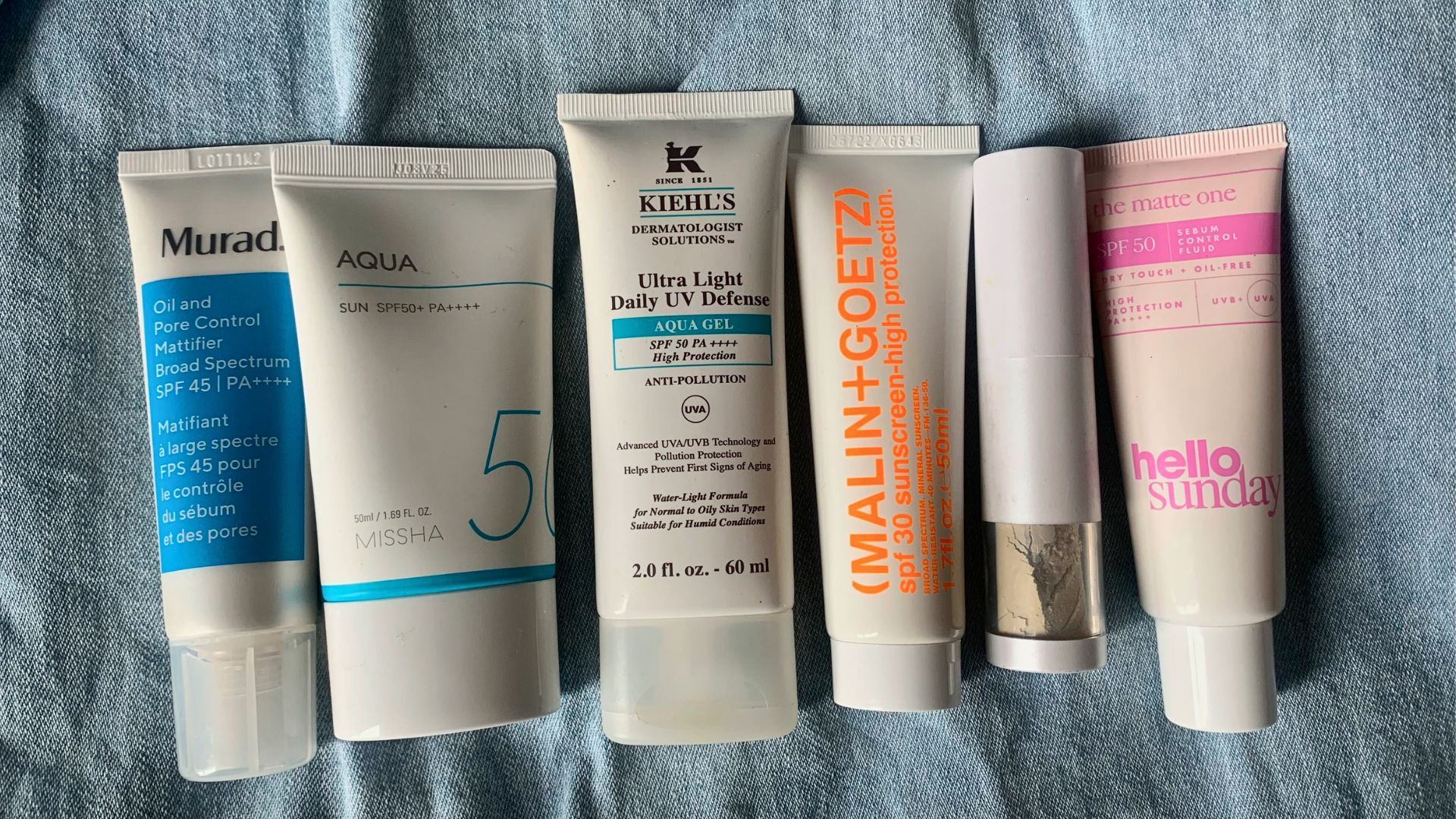
The Best Sunscreen for Acne-Prone Skin
May
If you have acne-prone skin, finding the right sunscreen can feel challenging. Many people worry that sunscreen will clog pores, make the skin oily, or trigger breakouts. This leads to one of the most common skincare questions: Which sunscreen is best for acne-prone skin?
The good news is that modern sunscreens are formulated with lightweight, non-comedogenic ingredients that protect your skin without causing acne. In fact, wearing sunscreen daily is essential for acne-prone skin because UV exposure can worsen inflammation, dark spots, and post-acne marks.
Choosing the right sunscreen can help protect your skin while keeping it clear, balanced, and healthy.
Why Acne-Prone Skin Still Needs Sunscreen
Some people with acne skip sunscreen because they fear it will make breakouts worse. However, avoiding sunscreen can actually lead to more skin problems.
Daily sunscreen use helps:
- Prevent post-acne hyperpigmentation
- Reduce inflammation caused by UV exposure
- Protect sensitive skin during acne treatments
- Prevent premature aging
- Maintain a healthy skin barrier
Many acne treatments such as retinol, benzoyl peroxide, and exfoliating acids make the skin more sensitive to sunlight. Without sunscreen, your skin becomes more vulnerable to irritation and discoloration.
What to Look for in Sunscreen for Acne-Prone Skin
Not all sunscreens are suitable for acne-prone skin. Choosing the right formula is key to avoiding clogged pores and excess oiliness.
1. Non-Comedogenic Formulas
Look for sunscreens labeled non-comedogenic, which means they are designed not to clog pores.
This is one of the most important features for acne-prone skin.
2. Oil-Free or Lightweight Texture
Heavy creams may feel greasy and uncomfortable for oily or acne-prone skin.
Lightweight options such as:
- Gel sunscreens
- Fluid sunscreens
- Water-based formulas
often work better because they absorb quickly without leaving a thick residue.
3. Broad-Spectrum Protection
Always choose broad-spectrum sunscreen to protect against both UVA and UVB rays.
This helps prevent:
- Dark spots
- Acne scarring
- Skin irritation
- Sun damage
4. SPF 30 or Higher
Dermatologists generally recommend SPF 30 or above for daily use.
This provides sufficient protection while remaining comfortable for everyday wear.
Mineral vs. Chemical Sunscreen for Acne-Prone Skin
Understanding the difference between mineral and chemical sunscreen can help you choose the best option.
Mineral Sunscreen
Mineral sunscreens use ingredients like:
- Zinc oxide
- Titanium dioxide
They sit on the skin’s surface and reflect UV rays.
Benefits:
- Gentle on sensitive skin
- Less likely to irritate acne
- Often suitable for redness-prone skin
Potential Drawbacks:
- Can leave a white cast
- Sometimes feel thicker on oily skin
Chemical Sunscreen
Chemical sunscreens absorb UV rays before they damage the skin.
They often contain ingredients such as:
- Avobenzone
- Octinoxate
- Octocrylene
Benefits:
- Lightweight texture
- Easy to blend
- Invisible finish
Potential Drawbacks:
- May irritate highly sensitive skin
For many acne-prone individuals, lightweight chemical sunscreens or hybrid formulas work especially well.
Ingredients Acne-Prone Skin Should Avoid
Some sunscreen ingredients and textures may contribute to clogged pores or irritation in certain people.
Try to avoid:
- Heavy oils
- Thick greasy creams
- Strong fragrances
- Alcohol-heavy formulas if your skin is sensitive
Everyone’s skin reacts differently, so patch testing new products is always recommended.
Best Types of Sunscreen for Acne-Prone Skin
Gel Sunscreens
Ideal for oily and acne-prone skin because they feel lightweight and non-greasy.
Fluid Sunscreens
Fast-absorbing and comfortable for daily use under makeup.
Mineral Sunscreens for Sensitive Acne
Best for people with irritated or redness-prone acne.
Mattifying Sunscreens
Help control excess shine throughout the day.
Tips for Applying Sunscreen on Acne-Prone Skin
To prevent breakouts while using sunscreen:
- Cleanse your skin properly before application
- Use lightweight moisturizers underneath
- Avoid applying too much product buildup
- Remove sunscreen thoroughly at night
- Reapply using lightweight formulas or sunscreen powders
Consistent cleansing and proper skincare help prevent congestion.
Can Sunscreen Cause Acne?
Certain sunscreens can contribute to clogged pores if they are too heavy or not suited for your skin type. However, the right non-comedogenic sunscreen should not worsen acne.
In many cases, breakouts happen because:
- The sunscreen is too rich
- The skin is not cleansed properly
- Multiple heavy products are layered together
Finding the right formula often solves the issue.
How to Build a Sunscreen Routine for Acne-Prone Skin
A simple daily routine may look like:
Morning:
- Gentle cleanser
- Lightweight moisturizer
- Non-comedogenic sunscreen SPF 30–50
Evening:
- Cleanser
- Acne treatment products
- Moisturizer
Keeping your routine simple can help reduce irritation and breakouts.
So, which sunscreen is best for acne-prone skin? The ideal sunscreen is one that is non-comedogenic, lightweight, broad-spectrum, and comfortable enough for daily use.
Gel-based, fluid, or oil-free sunscreens with SPF 30 or higher are often the best choices for keeping acne-prone skin protected without causing congestion.
Daily sunscreen use is essential not only for preventing sun damage, but also for reducing acne scars, protecting sensitive skin, and maintaining a healthier complexion overall.

