
Makeup
Gilded Framed Agate Coasters
Sep
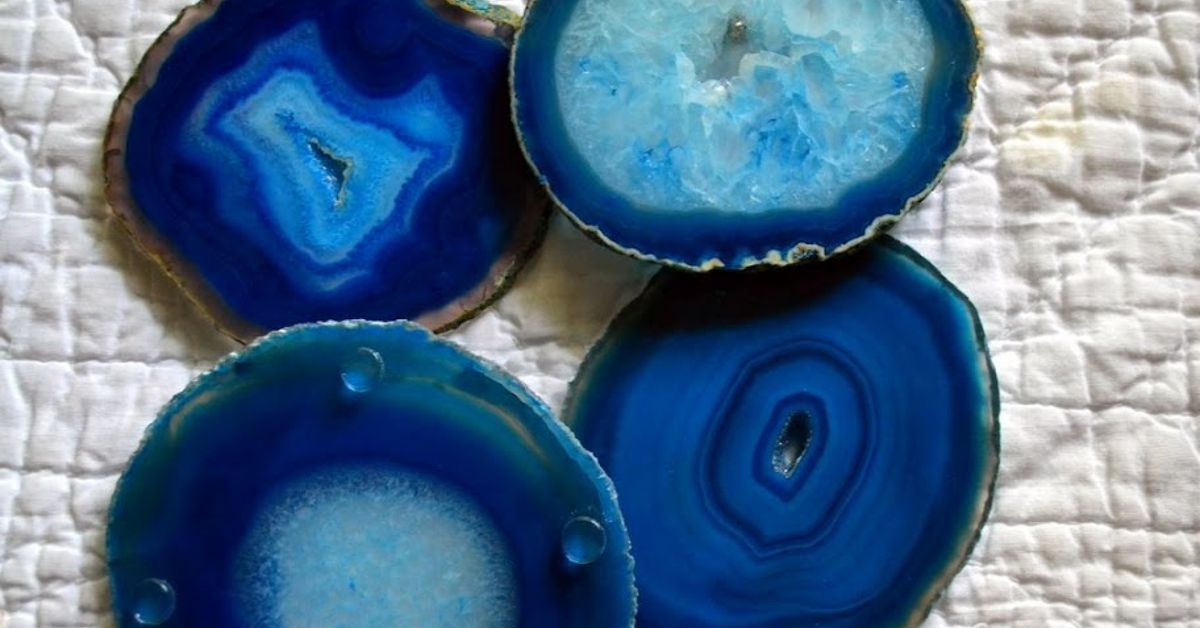
Some coasters quietly protect the furniture and then disappear into the background. Gilded framed agate coasters are not those coasters. With luminous bands of natural stone and metallic edges that catch the light, they look more like miniature works of artart that graciously agrees to hold your iced coffee.
These decorative stone coasters combine polished agate slices with gold-toned framing, leaf, or metallic paint. Every piece has a different outline, color pattern, and degree of translucency, so even a coordinated set retains a collected, organic appearance. They work beautifully in glamorous living rooms, modern offices, wedding displays, and any home where ordinary cork circles feel a little underdressed.
This guide explains what gilded framed agate coasters are, how to evaluate a set, how to make your own, and how to keep the stone and metallic finish looking polished. It also explores practical experiences with selecting, using, gifting, and styling these distinctive home accessories.
What Are Gilded Framed Agate Coasters?
Agate is a variety of chalcedony, which belongs to the quartz family. It is known for its layered bands, cloudy formations, translucent areas, and occasional crystal-lined openings. These patterns develop gradually as silica-rich material fills cavities in rock. The result is a stone that appears to have been designed by an artist with excellent taste and absolutely no interest in making matching copies.
To create coasters, agate is cut into relatively thin cross-sections and polished on one or both faces. The irregular perimeter may then be accented with imitation gold leaf, metallic paint, electroplating, or a separate metal frame. Clear rubber feet or felt pads are commonly attached underneath to protect tables and improve stability.
What Does “Framed” Mean?
The word “framed” may describe several different constructions. Some coasters have only a narrow painted or gilded edge. Others have a substantial metal border that surrounds the stone like a jewelry setting. Product photographs can make the two styles look similar, so shoppers should examine side views and read the materials list before buying.
A painted edge is lighter and usually more affordable. An electroplated or metal-framed coaster tends to have a sharper, more substantial profile. Neither option is automatically superior; the best choice depends on the desired appearance, budget, and level of daily use.
Why Agate Works So Well as a Coaster Material
Agate is generally rated around 6.5 to 7 on the Mohs hardness scale. That makes it resistant to many ordinary scratches, although hardness does not make a thin slice unbreakable. A dropped coaster may still chip or crack, especially near a natural cavity.
Its visual character is the bigger attraction. Light passes through thinner regions, emphasizing the stone’s bands and mineral inclusions. Neutral slices offer white, gray, tan, rust, and smoky brown tones, while commercially dyed pieces may appear in intense blue, pink, green, purple, or black.
Color enhancement is common in the agate market. Dye is not necessarily a defect, but it should be disclosed because treated stone may require additional care. Prolonged sunlight, heat, solvents, or harsh household cleaners can affect some colors. If a seller describes electric-blue agate as completely untouched by human hands, a politely raised eyebrow is appropriate.
How to Choose Quality Gilded Agate Coasters
Check the Usable Surface Area
A coaster can be gorgeous and still fail its one assigned job. Look for pieces approximately four inches across at their narrowest practical point. Very irregular slices may have a generous maximum width but insufficient space for the base of a mug, tumbler, or wineglass.
If purchasing online, compare the listed measurements with drinkware already in your home. A standard soda can is forgiving; an oversized ceramic mug is less interested in compromise.
Examine Thickness and Flatness
Thin slices look delicate and allow more light to pass through, but extremely thin stone is easier to damage. A coaster should lie level without rocking. Minor differences are normal because agate is a natural material, but a dramatic wobble can make drinks unstable.
Inspect photographs for deep fractures, fragile projections, or large crystal cavities near the center. Small druzy pockets can be attractive, but they may collect moisture and make the coaster harder to clean.
Look Closely at the Gilded Edge
A good metallic border should follow the stone consistently without thick drips, cloudy adhesive, or large bare areas. Hand-applied leaf can have small variations that add character. However, peeling, tackiness, and obvious cracking suggest poor preparation or incomplete curing.
Ask whether the edge is gold leaf, metallic paint, electroplated metal, or a separate frame. The answer affects both price and care. “Gold-toned” describes color, not necessarily gold content.
Confirm the Bottom Protection
Transparent rubber bumpers are especially useful on translucent agate because they are less visible from above. Three or four evenly spaced pads prevent the stone from scraping furniture and allow air to circulate beneath a damp coaster. Felt provides a softer look but may absorb condensation.
How to Make DIY Gilded Framed Agate Coasters
A simple DIY version does not require cutting or polishing stone at home. Purchase finished agate slices, then add the metallic edge and protective feet. This approach produces boutique-style coasters without introducing lapidary equipment to a kitchen that already has enough going on.
Materials and Tools
- Four to six polished agate slices, ideally about four inches wide
- Isopropyl alcohol and a lint-free cloth
- Painter’s tape for protecting polished faces
- Gold leaf and compatible gilding size, or a metallic leafing pen
- A small soft-bristled brush
- A manufacturer-approved clear sealer for imitation metal leaf
- Clear self-adhesive rubber bumpers
- Disposable gloves and a protected work surface
Always follow the instructions and safety information supplied with the chosen adhesive, paint, and sealer. Work with adequate ventilation and allow each product to cure completely before the coasters are used.
Step 1: Sort and Test the Agate Slices
Place the slices on a flat table and test them with several cups. Decide which face should point upward, keeping the smoother and more visually appealing surface exposed. If one piece rocks, repositioning the rubber feet may help, but severe unevenness is better addressed by replacing the slice.
Step 2: Clean the Edges
Wipe away polishing residue, oil, and dust with a lint-free cloth lightly dampened with isopropyl alcohol. Keep the stone dry afterward. Clean surfaces help both gilding size and adhesive pads form a stronger bond.
Mask the polished faces near the perimeter if you want a crisp border. Press the tape down carefully without extending it over the edge that will receive the metallic finish.
Step 3: Choose a Gilding Method
A metallic leafing pen is the easiest option. Its chisel tip can follow irregular contours while providing relatively even coverage. Apply thin coats and allow the finish to dry according to the label before adding another layer.
Imitation gold leaf creates a more textured, reflective result. Brush a thin film of gilding size onto a small section of the edge. Wait until it reaches the tack stage specified by the manufacturer, then press the leaf gently into place. Use a soft brush to smooth it around ridges and remove loose fragments.
Do not apply leaf while the size is wet and milky unless the product specifically instructs you to do so. Wet adhesive can create gaps, wrinkles, and a finish that resembles a craft emergency rather than understated luxury.
Step 4: Fill Gaps and Seal the Finish
After the first application dries, inspect the edge under good light. Patch obvious gaps with small pieces of leaf or a carefully matched metallic paint. Tiny variations are normal and often make hand-gilding more interesting.
Imitation metal leaf can oxidize or wear when exposed to moisture and handling, so apply a compatible clear sealer if recommended by the leaf manufacturer. Keep unnecessary coating off the drink-contact surface. A sealer should be fully curednot merely dry to the touchbefore the coaster enters service.
Step 5: Attach Protective Feet
Turn each coaster over and place three or four clear bumpers near the perimeter. Three points create a naturally stable base, while four can provide additional support for larger slices. Maintain equal spacing and avoid positioning feet directly beneath fragile projections.
Press each pad firmly onto a clean, dry surface and allow the adhesive time to develop its bond. The small feet reduce scratching, slipping, vibration, and that sharp stone-on-glass-table sound that makes everyone in the room briefly reconsider their life choices.
Styling Gilded Agate Coasters at Home
White and gray agate with gold edges fits modern, transitional, and glamorous interiors. Brown or rust-colored slices add warmth to wood furniture and leather upholstery. Deep blue and green agate can serve as compact accent colors in otherwise neutral rooms.
Display the coasters in a shallow brass dish, a small marble tray, or an upright holder. Because the pieces already contain strong patterns, they look best when the surrounding arrangement is edited. Pair them with one candle, a simple vase, or a stack of books rather than every decorative object that has ever wandered into the living room.
For entertaining, assign different agate colors to guests as informal drink markers. The coasters also complement cocktail stations, coffee bars, bedside tables, office desks, and wedding reception lounges. Under soft lighting, their metallic edges create a subtle sparkle without turning the table into a disco ball.
Cleaning and Caring for Agate Coasters
Wipe spills promptly with a soft damp cloth. For stubborn residue, use a small amount of mild dish soap and lukewarm water, then dry the coaster thoroughly. Avoid soaking, dishwashers, abrasive pads, steam cleaners, ultrasonic equipment, bleach, vinegar, and solvent-based cleaners.
Keep dyed agate away from prolonged direct sunlight and extreme temperature changes. Although agate itself is fairly durable, color treatments, adhesives, metallic paint, and sealers may be more sensitive. Do not use an agate coaster as a trivet for cookware unless the finished product is specifically rated for that purpose.
Stack coasters gently and place a soft separator between them if the gilded borders rub together. Replace loose rubber bumpers before the stone begins contacting the table. If a gilded edge chips, clean the area and perform a small touch-up with compatible materials instead of recoating the entire piece immediately.
Are Gilded Agate Coasters Good Gifts?
Agate coaster sets make memorable housewarming, wedding, anniversary, hostess, and holiday gifts. Their natural variation makes each set feel personal without requiring risky adventures in monogramming.
For a polished presentation, stack four coordinated slices with thin felt or paper separators and tie them with velvet ribbon. Include a care card explaining whether the stone is dyed and how the metallic edge should be cleaned. Sellers and gift makers should accurately describe treatments and materials rather than implying that gold-colored paint is solid gold.
A handcrafted set becomes especially thoughtful when its colors match the recipient’s home. Smoky gray is versatile, natural brown feels earthy, pale pink looks romantic, and vivid blue supplies immediate drama. Just remember that natural pieces will never match perfectly. That variation is the point, not a manufacturing complaint waiting to happen.
Experiences With Gilded Framed Agate Coasters
The first practical lesson when working with agate coasters is that measurements matter more than listing photos. A group of slices may look enormous in close-up photography, only to arrive with one piece barely wide enough for an espresso cup. Testing each coaster with a water glass, wineglass, coffee mug, and stemless tumbler quickly identifies which slices are genuinely functional. Pieces with narrow waists often become decorative accents rather than everyday coasters.
Sorting the stone before gilding also improves the final set. When several pieces share similar thicknesses and general proportions, the coasters feel coordinated even if their bands are completely different. A pale slice can balance a dark one, while repeated gold edges give the entire collection a common visual language. Trying to force nature into producing four identical circles is less successfuland much less interesting.
Metallic leaf and leafing pens produce noticeably different experiences. The pen is controlled, fast, and forgiving. It works well for a clean, contemporary border and requires very little cleanup. Leaf is more temperamental. It floats, tears, clings to gloves, and occasionally attaches itself to places that were not invited to the project. However, its irregular reflections make the stone feel more luxurious and handmade.
One helpful technique is to finish a single test coaster before committing to the entire set. The trial reveals whether the edge needs one coat or three, whether the sealer changes the metallic color, and whether the rubber feet remain visible through the stone. It is much nicer to discover that a sealer dulls the finish on one coaster than on six of them. Crafting is full of valuable learning opportunities, which is the cheerful name we give mistakes after the supplies have already been purchased.
In daily use, condensation is the most revealing test. Properly placed rubber bumpers keep moisture from becoming trapped beneath the coaster, and prompt wiping protects both the gilding and the furniture. Felt-bottomed pieces glide softly but may remain damp longer. Clear bumpers are usually the better option for a busy coffee table, particularly when the translucent stone makes dark hardware visible from above.
Styling experience suggests that agate coasters have enough personality to remain on display. A set placed in a brass holder becomes part of the room even when nobody is drinking anything. On a glass table, light emphasizes translucency; on dark wood, pale agate creates dramatic contrast. Very colorful dyed slices are most effective when repeated elsewhere through a pillow, vase, or artwork.
Guests tend to pick up the coasters, hold them toward the light, and compare the patterns. This makes them unusually conversational for objects whose basic duty is preventing rings on a table. They also make effective handmade gifts because slight imperfections signal that someone performed actual work instead of clicking the first “add to cart” button available.
Long-term satisfaction depends on treating them as stone accessories rather than indestructible kitchen equipment. Gentle cleaning, careful stacking, and occasional inspection of the feet preserve the finish. When cared for properly, gilded framed agate coasters remain useful, decorative, and just glamorous enough to make a Tuesday-night glass of sparkling water feel like it has a reservation somewhere.
Conclusion
Gilded framed agate coasters combine geological character with a refined metallic finish. Their durability, natural patterning, and decorative versatility make them attractive for both everyday use and special occasions. A quality set should provide adequate cup space, a level surface, a well-finished edge, and protective feet that keep the stone away from furniture.
Whether purchased or made at home, these coasters benefit from accurate material descriptions and gentle maintenance. Select colors that complement the room, respect natural variations, and clean the pieces with mild methods. The reward is a functional accessory that protects the table while looking suspiciously like jewelry for the living room.

