
Skincare
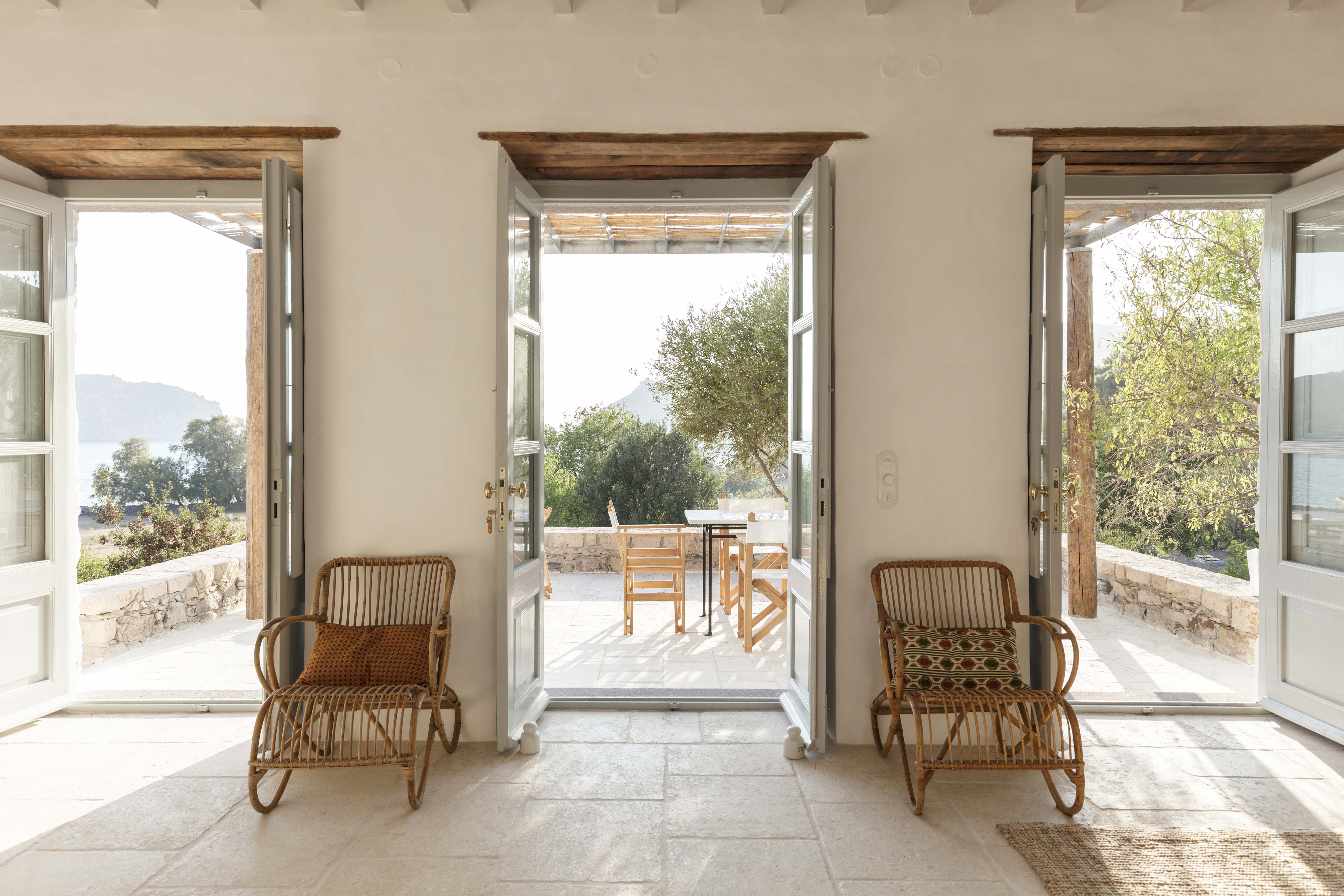
Steal This Look: A Laid-Back Living Room on Patmos, Greece
Sep
Note: This design guide draws inspiration from the relaxed, sun-washed character of Patmos rather than copying any single home. Think less souvenir-shop Santorini and more “I casually live near the Aegean and own exactly three very good bowls.”
A laid-back living room inspired by Patmos, Greece, is not about plastering every wall with blue-and-white stripes or buying enough seashells to alarm a marine biologist. It is about creating a room that feels calm, tactile, light-filled, and pleasantly unfinished in the best possible way.
Patmos has a quieter visual language than the postcard version of the Greek islands. Its charm comes from chalky white walls, weathered wood, stone, open shutters, breezy linen, and rooms that seem designed for long lunches, late-afternoon reading, and doing absolutely nothing without feeling guilty about it. The style is simple, but not sterile. Relaxed, but not messy. Sunlit, but not so bright that you need sunglasses to find the coffee table.
The good news is that you do not need an Aegean Sea view, a centuries-old island house, or a goat named Stavros to bring this look home. You need a thoughtful mix of natural materials, soft neutrals, comfortable seating, restrained color, and enough empty space for the room to breathe.
The Patmos Living Room Formula: Quiet, Natural, and Imperfectly Beautiful
The most convincing Greek island interiors do not feel over-designed. Their appeal comes from contrast: rough stone beside soft linen, old wood beside clean white plaster, simple furniture beside one memorable antique or handmade object.
A Patmos-inspired living room should feel as though it evolved gradually. Maybe the sofa arrived first. Then someone found a sun-faded wooden bench at a flea market. Later, a woven basket became the perfect place for extra throws. A ceramic bowl appeared after a vacation and somehow never left. That is the magic: the room feels collected, not assembled in one aggressive weekend with a shopping cart and a measuring tape.
Focus on Materials Before Decor
Before choosing pillows, candles, or whatever mysterious object gets labeled “coastal sculpture,” start with the materials. Patmos style is rooted in tactile surfaces: limewashed walls, pale wood, stone, cotton, linen, jute, wicker, clay, and aged brass.
These elements work because they create interest without demanding attention. A textured wall does more for a room than twenty tiny accessories lined up like they are waiting for a school bus. A woven rug, a nubby linen sofa, and a rough wood coffee table can make a neutral room feel rich without adding a single loud color.
Begin With the Walls: White, But Never Flat
White walls are the starting point for a Patmos-inspired living room, but bright builder-grade white can make a space feel more dentist-office than Greek island retreat. The goal is a warmer, softer white with a hint of cream, sand, or chalk.
Look for paint colors described as ivory, plaster, linen, shell, alabaster, warm white, or soft limestone. A matte finish works especially well because it absorbs light gently and gives walls a more relaxed appearance. If you want extra texture, consider limewash paint, Roman clay, mineral paint, or a subtle plaster finish.
The point is not to make your walls look old overnight. Nobody needs a fake Tuscan castle situation in a suburban townhouse. Instead, create a surface with visual softness so the room feels lived-in before the furniture even arrives.
Use White as a Backdrop, Not a Personality
White is useful because it lets natural materials stand out. It reflects daylight, makes small spaces feel more open, and gives wood, woven fibers, and pottery a chance to shine. But a room filled with nothing but stark white furniture can feel chilly and a little suspicious, like nobody is allowed to eat crackers there.
Balance white walls with oatmeal upholstery, weathered oak, tobacco leather, aged brass, stone-colored ceramics, or muted olive accents. The room should feel airy, but still human.
Choose Comfortable, Low-Pressure Seating
A laid-back Greek island living room needs seating that invites people to linger. This is not the moment for a rigid velvet sofa that makes guests sit upright as if they are waiting for a job interview.
Start with a deep but streamlined sofa in washed linen, cotton canvas, or a textured performance fabric. Look for soft white, warm beige, flax, sand, pale taupe, or faded gray. Slipcovered sofas are especially practical because they deliver that relaxed, slightly rumpled look while also being friendlier to real life, pets, coffee, and children who believe furniture is gym equipment.
Pair the sofa with one or two chairs made from natural materials. A wood-framed lounge chair, rattan armchair, woven occasional chair, or low-profile upholstered chair works beautifully. The shapes do not need to match exactly. In fact, a carefully mismatched room often feels more authentic than a furniture showroom display.
Try a Built-In Bench Look
Many island homes use built-in seating along walls or beneath windows, which makes rooms feel architectural and relaxed at the same time. You can imitate that feeling without calling a mason.
Use a simple bench, low daybed, window seat, or long upholstered ottoman. Add a custom cushion in off-white linen and finish it with a few pillows in faded blue, olive, tobacco, or subtle stripe patterns. Keep the cushion shapes loose and slightly oversized. Perfectly karate-chopped pillows are not invited to Patmos.
Anchor the Room With Wood, Stone, and Woven Texture
The heart of a Patmos living room is texture. Since the palette is restrained, the room needs materials that create depth. This is where natural wood, stone, jute, rattan, ceramic, and woven textiles earn their keep.
Pick a Coffee Table With Character
A rustic wood coffee table is one of the easiest ways to introduce the look. Choose something low and substantial: reclaimed wood, oak, teak, olive wood, or a vintage-looking table with visible grain. It should feel solid enough to hold coffee, books, a bowl of lemons, and the emotional weight of an entire Sunday afternoon.
A stone-topped table can also work well, especially travertine, limestone, or a concrete finish in a warm neutral tone. Avoid overly glossy finishes. Patmos style favors surfaces that improve with age, not furniture that looks terrified of fingerprints.
Layer a Rug That Feels Organic
A jute, sisal, wool, or flatwoven cotton rug grounds the room without stealing the show. Natural-fiber rugs add warmth and visual texture, especially against pale floors. Choose a large enough size to connect the seating area. Ideally, the front legs of the sofa and chairs should sit on the rug.
For a little pattern, consider a faded stripe, a subtle geometric weave, or an old-world kilim in sand, indigo, rust, and cream. Keep the pattern softened rather than sharp. This room is going for “lazy afternoon by the sea,” not “conference room with a maritime theme.”
Use the Patmos Color Palette: Sun, Stone, Sea, and Olive Leaves
The best Patmos-inspired palette starts with warm neutrals and adds color sparingly. Imagine sun-bleached stone paths, weathered shutters, dry grasses, olive groves, clay pots, and the blue of the Aegean seen from a distance.
Your core colors might include:
- Chalk white and warm ivory
- Sand, oat, and pale beige
- Driftwood brown and weathered oak
- Muted olive green
- Dusty blue or faded indigo
- Terracotta, rust, or sunbaked clay
- Charcoal or black in very small doses
Blue should be an accent, not a takeover. One blue-striped pillow, a ceramic vase, a framed coastal sketch, or a painted side table can give the room a Greek island nod without making it look like a seafood restaurant with a dress code.
Bring in Handmade and Weathered Details
A laid-back Mediterranean living room should have objects with a little soul. Hand-thrown pottery, woven baskets, old books, carved wood stools, vintage brass trays, terracotta vessels, and framed black-and-white photographs all feel more at home here than shiny matching decor sets.
Choose fewer pieces, but make each one count. A large ceramic bowl on the coffee table is stronger than five miniature objects scattered around like they are avoiding eye contact. A vintage stool beside the sofa can act as both a side table and a conversation starter. A large basket can hold blankets, magazines, or the remote controls that have somehow migrated to another dimension.
Decorate With Plants, But Keep It Relaxed
Olive branches, eucalyptus, rosemary, fig trees, palms, and simple leafy plants all work well in this setting. A tall olive tree in a clay pot can bring an instant Mediterranean feeling to a corner. If your space lacks enough light for a real olive tree, choose a hardy indoor plant and let the ceramic pot do some of the aesthetic heavy lifting.
Fresh greenery should look casual. One leafy branch in a handmade vase is enough. You are styling a Greek island-inspired living room, not opening a botanical emergency room.
Let the Light Do Most of the Decorating
Patmos interiors are closely connected to daylight. Large windows, shutters, open doors, and pale surfaces help sunlight move through the room. You can recreate that feeling by keeping window treatments simple and airy.
Choose linen curtains in white, flax, or soft beige. Hang them high and wide so the windows feel larger and the light can enter freely. Avoid heavy drapes, glossy fabrics, or overly formal valances. This style wants the breeze to have a chance.
For evening, layer the lighting. A simple ceramic table lamp, woven pendant, brass wall sconce, or paper lantern can create a warm glow. Use warm bulbs rather than cool white ones. The room should feel like sunset, not like a grocery store aisle at 11:45 p.m.
Make the Layout Feel Social, Not Staged
A relaxed Patmos living room is designed for conversation. Arrange seating so people face each other rather than aiming every chair directly at the television like it is the ruler of the household.
Float the sofa slightly away from the wall when space allows. Add a chair near a window, a stool beside the coffee table, or a small bench that can move around when guests arrive. Flexible seating is especially useful in smaller rooms because it makes the layout feel more casual and less locked into place.
Keep pathways clear. The goal is easy movement from one side of the room to the other, preferably while carrying a drink and pretending you are on vacation.
What to Avoid When Recreating the Greek Island Look
Patmos-inspired decor works best when it feels subtle. The room should reference the island mood rather than turning into a themed rental property.
Avoid filling the space with anchor-print pillows, fishnet wall hangings, faux ship wheels, artificial coral, or signs that say “Beach Vibes Only.” The ocean already has enough going on. Your living room does not need to compete with it.
Also avoid buying every item in the same pale wood finish. A room gains personality from contrast: light oak beside darker wood, woven fibers beside smooth ceramic, modern upholstery beside an antique stool. A little variation makes the room feel collected over time.
A Simple Shopping Plan for the Patmos Living Room Look
If you are starting from scratch, invest first in the large pieces: a comfortable neutral sofa, a substantial rug, a wood or stone coffee table, and good lighting. These items form the foundation of the room.
Next, add softer layers: linen pillow covers, a throw blanket, a woven basket, a ceramic vase, and a few books with beautiful covers. Finish with one or two personal objects, such as a travel photograph, vintage artwork, or a handmade piece from a local maker.
The trick is knowing when to stop. Patmos style is generous with comfort but stingy with clutter. Leave some wall space empty. Leave part of the coffee table clear. Let the rug show. A room does not need to be full to feel finished.
Experience the Look: How a Patmos-Inspired Living Room Changes the Way You Live
A Patmos-inspired living room is not just a decorating project. It changes the way a space feels during the small, ordinary moments that make up most of life. Imagine waking up on a Saturday morning, opening pale linen curtains, and seeing soft sunlight spread across a woven rug. There is no dramatic reveal, no music swelling in the background, and no stylist hiding behind the sofa. There is simply a room that feels calm enough to make your coffee taste better.
You settle into a deep linen sofa with a book you have been “meaning to finish” since last summer. A ceramic cup rests on a weathered wood table. A light breeze moves the curtains. The room does not ask you to perform. It does not care whether you have answered your emails, folded the laundry, or finally figured out why one cabinet door refuses to close properly. It gives you permission to slow down.
That is the secret behind the laid-back Greek island living room. It is not really about Greece alone. It is about creating a home that feels removed from the frantic pace of everything else. The room becomes a small reset button. You may still have a phone buzzing in the next room, a grocery list on the counter, and a dog staring at you because dinner is apparently six minutes late, but the space itself feels steady.
In the afternoon, the room shifts again. The white walls catch warmer light. The wood furniture deepens in color. The woven rug becomes more noticeable under bare feet. You might sit with friends, pour sparkling water into mismatched glasses, and leave a bowl of olives on the table. Nobody needs a formal invitation. The room encourages lingering.
At night, the space becomes softer. A table lamp glows against the textured wall. The room feels less like a styled photograph and more like somewhere you genuinely want to stay. That is important. Beautiful rooms are nice, but rooms that make you want to put your phone down for an hour are better.
Even on the busiest days, the Patmos-inspired approach can help your living room feel like a place of recovery. The natural materials are grounding. The pale palette is restful. The absence of clutter gives your eyes somewhere to rest. The furniture is comfortable enough for actual life, not just for impressing someone who visits twice a year.
And perhaps that is the best part of stealing this look: it does not require perfection. Linen wrinkles. Wood gets scratched. Clay pots chip. Rugs collect crumbs. The style welcomes those things because they make the room feel real. A Patmos living room is not supposed to look untouched. It is supposed to look loved.
Final Thoughts
To steal the laid-back living room look from Patmos, Greece, start with a warm white backdrop, comfortable neutral seating, natural textures, pale wood, woven fibers, handmade ceramics, and a small dose of faded blue or olive. Keep the room relaxed, useful, and slightly imperfect.
The result should feel breezy rather than beachy, thoughtful rather than themed, and timeless rather than trendy. Build a space that looks good in the morning sun, feels comfortable during a long conversation, and still works when someone drops crumbs on the rug. That is the real Mediterranean luxury.

