
Beauty Unlocked
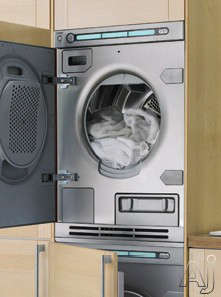
Asko Line Series Style T794FIX – Fully Integrated Electric Dryer
Sep
The ASKO Line Series Style T794FIX is the kind of dryer designed for homeowners who believe laundry appliances should do their jobs quietly and then disappear into the cabinetry. Commonly identified in manufacturer literature as the T794FI, this 24-inch, panel-ready electric dryer combines a compact European footprint with sensor-controlled drying, a stainless-steel drum, specialized fabric programs, and a fully integrated exterior.
It is also a discontinued model, so this is not a typical “click Add to Cart and wait for Tuesday delivery” appliance review. Today, shoppers are more likely to encounter the T794FIX in an existing home, through a used-appliance seller, or as replacement equipment in a custom laundry installation. That makes understanding its dimensions, electrical needs, ventilation requirements, controls, maintenance demands, and replacement risks especially important.
What Is the ASKO T794FIX Fully Integrated Dryer?
The ASKO T794FIX is a front-loading, electrically heated, vented tumble dryer built for integration behind a furniture-style door panel. The “FI” in the model name refers to its fully integrated construction. Some archived retail and design listings append an “X” and call it the T794FIX, while ASKO technical literature generally identifies the appliance as the T794FI.
Unlike a standard white dryer that proudly announces its presence from across the room, this model accepts a matching cabinet panel. When properly installed, the exterior can coordinate with the surrounding millwork, making it especially attractive for kitchens, hallway laundry closets, luxury apartments, and other spaces where visible appliance fronts would interrupt the design.
Behind that discreet exterior is a vented electric dryer with automatic moisture sensing, ten drying programs, a graphic LCD control panel, delayed start, anti-crease operation, an interior light, and a double lint filter. It does not provide steam cycles, app controls, or Wi-Fi connectivity. On the positive side, it will never ask you to create a password before drying your socks.
Key specifications at a glance
| Appliance type | Fully integrated, front-load electric dryer |
|---|---|
| Drying system | Vented |
| Width | Approximately 23 1/2 inches |
| Height | Approximately 33 1/2 to 34 1/2 inches with adjustable feet |
| Cabinet depth | Approximately 23 1/8 inches before an accessory door panel |
| Maximum drying load | Approximately 15 pounds |
| Electrical supply | 220 volts, 60 Hz, 20-amp circuit when installed separately |
| Maximum rated wattage | Approximately 3,000 watts |
| Drum | Stainless steel |
| Noise rating | Approximately 66 dB(A) |
| Door | Panel-ready, reversible, without a viewing window |
| Current availability | Discontinued; generally found used or already installed |
Integrated Design and Cabinet-Friendly Styling
The defining feature of the ASKO Line Series Style T794FIX is not a flashy drying technology. It is the ability to blend into a carefully planned room. The appliance was offered with optional door panels in finishes such as stainless steel, white, and black, while installers could also use a compatible custom wood panel.
This approach offers a cleaner visual result than simply sliding a freestanding dryer under a counter. A matching panel can make the laundry area look like built-in storage rather than an appliance showroom that wandered into the kitchen.
However, panel-ready design comes with homework. The decorative panel and handle must be correctly sized, mounted, and aligned. Hinges need enough clearance to open freely, and surrounding cabinetry cannot obstruct ventilation or service access. The dryer’s body may be compact, but the door requires considerably more space when fully open. Archived planning information indicates an open-door depth approaching 48 inches, so a narrow passageway can become an accidental obstacle course on laundry day.
A reversible door helps with difficult layouts
The dryer was shipped with a left-hinged door, but its door arrangement can be reversed. That flexibility matters in compact rooms, especially when the dryer sits beside a washer, near a wall, or inside a closet. Reversing a fully integrated door is more involved than changing the swing on a basic appliance, so the operating instructions should be followed carefully.
Drying Programs and Everyday Controls
The T794FIX uses ASKO’s Line Series Style interface with a graphic LCD display and a central program selector. The operating sequence is refreshingly logical: select a program, add any available options, and press Start. The display communicates the chosen settings and estimated remaining time instead of forcing the user to decode a constellation of mysterious blinking lights.
Automatic drying programs
The program selection was broad for a compact dryer of its era. Available cycles included:
- Auto Extra Dry
- Auto Dry
- Auto Normal Dry
- Auto Iron Dry
- Auto Jeans
- Auto Synthetic
- Auto Terry
- Auto Down
- Timed Dry
- Air Fluff
The automatic programs use the SensiDry moisture-sensing system to determine when laundry has reached the selected dryness level. This is preferable to guessing a fixed cycle duration, particularly for mixed loads that may vary in moisture content from one wash to the next.
Auto Iron Dry intentionally leaves garments slightly damp, which can make ironing easier. Auto Terry is suited to towels and similar absorbent fabrics, while Auto Down is intended for suitable down-filled items. Air Fluff moves room-temperature air through the drum to freshen or soften items without applying normal drying heat.
Useful options without unnecessary clutter
The dryer also includes low-temperature drying, delayed start from one to 24 hours, an end-of-program signal, TimeSaver cool-down, and an anti-crease option. With anti-crease selected, the drum continues to rotate briefly at intervals after the cycle ends. It cannot fold a fitted sheetscience remains powerless therebut it can reduce the time clothes spend compacted into one warm, wrinkle-friendly pile.
SensiDry and Butterfly Drying Technology
ASKO equipped the T794FIX with its SensiDry sensor system and Butterfly drying action. Moisture sensors help the machine stop an automatic program when the target dryness level is reached. In practical terms, this can reduce unnecessary heat exposure compared with repeatedly selecting an overly long timed cycle.
Sensor drying is most effective when loads contain similar fabrics. A load of lightweight shirts mixed with thick towels may confuse almost any moisture-sensing dryer because the shirts finish first while the towels continue carrying enough water to qualify as small reservoirs. Sorting by fabric weight generally produces more even results.
The Butterfly system is designed to move laundry through the drum in a figure-eight-style pattern. The goal is to separate garments, promote airflow, and reduce persistent bunching. Bulky items can still form a fabric burrito from time to time, but the system is intended to keep loads moving more evenly than simple repetitive tumbling.
Construction Quality and Noise
The T794FIX reflects ASKO’s traditional emphasis on durable internal materials. Its construction includes a stainless-steel drum, ball-bearing suspension, a heavy-duty motor, a galvanized-steel rear panel, and a cleanable fan. These features give the machine a more substantial feel than compact dryers built around lightweight components.
The stainless-steel drum resists chipping and corrosion while providing a smooth surface for clothing. An interior light improves visibility when unloading dark garments, although it will not explain where the missing sock went. That investigation remains open.
ASKO listed the dryer at approximately 66 dB(A). That is not silent, but it is reasonable for a vented tumble dryer. Cabinetry may soften some direct sound, although poor leveling, loose vent components, or an incorrectly mounted decorative panel can create extra vibration and rattling.
Installation Requirements
Installation is the area where buyers should slow down and measure twice. The T794FIX is not a plug-anywhere compact dryer. It requires an appropriate 220-volt electrical connection, proper grounding, adequate clearance, and a compliant exhaust route to the outdoors.
Electrical connection
Archived specifications call for a single-phase 220-volt, 60 Hz supply and a 20-amp circuit when the dryer has its own outlet. ASKO planning literature also notes different circuit considerations when a compatible ASKO washer shares the electrical arrangement. The original appliance may not include a power cord, and electrical work should be completed according to the model instructions and applicable local codes.
Outdoor venting is mandatory
The T794FIX is a vented dryer, not the ventless T794CFI condenser model. Its heated, moisture-laden exhaust must be directed outdoors through an approved metal duct system. It should not vent into a wall cavity, ceiling, attic, chimney, or enclosed cabinet.
ASKO’s planning guide allowed a maximum duct run of up to 60 feet under favorable conditions, with deductions for elbows. Shorter and straighter is better. Long ducts, crushed transition hoses, accumulated lint, and excessive bends restrict airflow, lengthen drying times, increase heat buildup, and make the dryer work harder than it should.
Custom panel considerations
A replacement buyer should never assume an existing custom door panel will automatically fit another dryer. Panel dimensions, hinge hardware, mounting points, handle placement, and finished appliance depth all matter. Before removing an old T794FIX, document the installation with measurements and photographs. That small effort can prevent a cabinetmaking sequel nobody requested.
Efficiency and Fabric Care
An archived technical sheet reports annual energy consumption of 284 kWh under the test method used at the time. That figure should not be directly compared with modern energy labels without reviewing the applicable testing standards. An archived U.S. retailer listing also identifies the model as not ENERGY STAR certified.
Even so, the moisture sensor and low-temperature option can support sensible energy use. Automatic termination prevents the machine from continuing simply because a timer has not reached zero. Lower temperatures can also reduce unnecessary stress on elastic, synthetic fibers, and other heat-sensitive materials when their care labels permit tumble drying.
For better performance, use a high-speed washer spin cycle before transferring the load. Removing more water mechanically is generally more efficient than asking an electric heater to evaporate it. Avoid overloading the drum, separate heavy and lightweight fabrics, and select the least aggressive cycle that achieves the desired result.
Cleaning and Maintenance
The double lint filter should be cleaned after every load. This is not optional housekeeping for people who alphabetize their spice racks; it is basic dryer maintenance. Lint restricts airflow, extends drying time, and can contribute to overheating.
Remove lint gently by hand or with a soft cloth. If residue from laundry products coats the filter, follow the manual’s cleaning directions so air can continue passing through the screen. The fan and accessible air passages should also remain clean.
The exhaust duct requires periodic inspection, particularly when drying time gradually increases or the appliance becomes unusually hot. Check the exterior vent flap as well. It should open freely during operation and should not be blocked by debris, landscaping, nesting material, or the ambitious construction project of a neighborhood bird.
Because the T794FIX is discontinued, preventive maintenance carries extra value. Some components may be harder to source than ordinary filters, belts, or switches for current mass-market dryers. Before buying a used unit, ask for the complete model and serial number and confirm whether an authorized servicer can obtain critical parts.
Pros and Cons of the ASKO T794FIX
Advantages
- Fully integrated, panel-ready design
- Compact 24-inch-class width
- Stainless-steel drum and substantial construction
- Automatic moisture-sensing cycles
- Special programs for jeans, synthetics, towels, and down
- Reversible door and stackable configuration
- Low-temperature, delayed-start, and anti-crease options
- Graphic display with remaining-time information
Limitations
- Discontinued and potentially difficult to repair
- Requires an outdoor exhaust duct
- Needs a suitable 220-volt electrical connection
- Custom panel and handle may require professional installation
- No steam cycle, Wi-Fi, or modern smart-home features
- Smaller load capacity than many current full-size U.S. dryers
- Not a good choice when replacement parts or local service are unavailable
Is a Used ASKO T794FIX Worth Buying?
A used T794FIX can make sense when replacing the same model in an existing integrated installation. Keeping the original cabinet panel, hinge arrangement, vent route, and appliance dimensions may be far easier than redesigning the entire laundry space.
It may also appeal to buyers building a compact, cabinet-front laundry area who have confirmed access to parts and experienced service technicians. However, a low purchase price can quickly lose its charm if the dryer needs an electronic control, sensor, motor component, door assembly, or proprietary mounting hardware that is no longer readily available.
Before purchasing, run a complete sensor-dry cycle with damp laundry. Listen for scraping, rhythmic thumping, bearing noise, or fan vibration. Confirm that the drum heats, the cycle advances, the display operates correctly, the door closes securely, and the machine stops when laundry reaches the expected dryness level. Inspect the lint-filter housing and exhaust connection for heavy buildup or signs of prolonged overheating.
Also verify that the included panel, brackets, power connection, and installation hardware match your project. A panel-ready dryer without the correct mounting pieces can become a very attractive metal box with an identity crisis.
Ownership Experience: What Daily Life With the T794FIX Feels Like
The most noticeable part of living with the ASKO T794FIX is how little it looks like a dryer when it is not running. Close the matching cabinet door and the laundry area becomes visually calm. In an open kitchen, hallway, or multipurpose utility room, that matters more than it may sound. Instead of staring at a large appliance window and a bright control panel, you see the same finish used across the surrounding cabinets.
The daily operating routine is straightforward. Open the furniture-style outer door, open the dryer door, check the lint filter, load the clothes, and select a program from the LCD interface. The controls are more descriptive than those on machines that offer only cryptic icons. Once familiar programs are established, most households will probably rely on Auto Normal Dry, Auto Dry, Auto Terry, and Auto Synthetic, saving Timed Dry for unusual loads.
Sensor operation changes the rhythm of laundry compared with a timer-only dryer. The displayed remaining time may adjust as the machine evaluates the load, so the first estimate should be treated as a prediction rather than a legally binding appointment. A load of similar cotton items is likely to finish more predictably than a mixture of bath towels, gym shirts, denim, and one mysterious blanket that apparently absorbed half the washing machine.
The 15-pound maximum load is practical for routine household laundry but encourages sensible loading. Stuffing the drum completely full reduces the room fabrics need to tumble and separate. Two moderate loads may produce better results than one heroic load that requires repeated drying. Households accustomed to extra-large American dryers may notice the smaller scale, especially when drying king-size bedding or several thick towels at once.
Noise is present but generally manageable. The motor, moving laundry, fan, and exhaust airflow remain audible, yet the integrated installation can make the appliance feel less visually and acoustically intrusive. Proper leveling is essential. If the feet are uneven or the custom panel is loose, a refined Scandinavian dryer can suddenly develop the percussion section of a garage band.
The anti-crease option is useful when a cycle finishes during dinner, a meeting, or any other moment when unloading laundry ranks just below reorganizing the junk drawer. Periodic drum movement helps keep garments from sitting motionless in a compressed heap. It does not replace prompt unloading, but it offers a helpful buffer.
Maintenance becomes part of the ownership habit. The lint filter is directly tied to airflow and drying performance, so cleaning it after each load takes only a few seconds and prevents many avoidable problems. Owners should also pay attention to subtle changes. Longer cycles, hotter cabinetry, a weak exterior vent flow, or a new burning smell are reasons to stop and investigate rather than selecting another hour of drying and hoping the appliance finds inner peace.
The model’s age is the largest emotional difference between owning the T794FIX and buying a current dryer. With a new appliance, a malfunction is usually a warranty question. With a discontinued integrated model, it becomes a parts, technician, cabinetry, and replacement-dimensions question. Keeping the manual, serial number, panel measurements, and service history together can save considerable frustration later.
For the right home, however, the T794FIX remains an appealing example of appliance design that prioritizes the room as much as the machine. It dries clothing through familiar, useful programs, hides behind custom millwork, and avoids the unnecessary digital circus found on some newer products. Its greatest luxury is not an app or animated touchscreen. It is the ability to finish a load of towels and then politely vanish.
Conclusion
The ASKO Line Series Style T794FIX is a distinctive compact electric dryer built around integration, fabric-specific programs, sensor-controlled drying, and durable internal construction. Its stainless-steel drum, SensiDry system, Butterfly tumbling action, double lint filter, reversible door, and panel-ready front made it a strong fit for carefully designed laundry rooms.
Its discontinued status changes the buying decision. Existing owners should maintain airflow carefully and preserve installation information. Used-appliance shoppers should confirm operation, panel hardware, electrical compatibility, venting, parts support, and local service before purchasing.
When those practical details line up, the T794FIX can still serve as an elegant, capable dryer that integrates into the home instead of visually taking it over. When parts support or installation compatibility is uncertain, a current compact dryer may be the safer long-term investmenteven if it refuses to dress like a cabinet.

