
Beauty Tools & Accessories
Foot Health: Common Issues and How to Manage Them
Aug
Your feet are the quiet workhorses of your body. They carry you through grocery store marathons, airport sprints, gym experiments, dog walks, and that mysterious journey from the couch to the fridge at 11:42 p.m. Yet most of us pay attention to foot health only when something hurts, itches, swells, cracks, blisters, or starts making its own tiny protest signs.
Healthy feet matter more than comfort. Foot problems can affect your knees, hips, posture, balance, activity level, and even your mood. A stubborn heel ache can turn a morning walk into a negotiation. A blister can make dress shoes feel like medieval engineering. And for people with diabetes, circulation problems, nerve damage, or immune system concerns, a small foot issue can become serious quickly.
The good news? Many common foot issues can be managed or prevented with practical daily habits, better footwear choices, early treatment, and knowing when to call a professional. This guide explains the most common foot health problems, what causes them, how to manage them, and how to keep your feet from staging a full-scale rebellion.
Why Foot Health Deserves More Attention
Each foot is a complex structure made of bones, joints, muscles, tendons, ligaments, nerves, blood vessels, skin, and nails. That is a lot of teamwork happening inside a shoe. When one part is irritated or overloaded, the rest of the body may compensate. Over time, that compensation can lead to pain in the ankles, knees, hips, or lower back.
Your feet can also reveal clues about general health. Tingling or numbness may point to nerve problems. Swelling can be related to circulation, kidney, heart, or blood pressure issues. Joint stiffness may be linked with arthritis. Non-healing sores need medical attention, especially for anyone with diabetes or poor circulation.
In short, feet are not just “the things at the end of your legs.” They are mobility tools, balance sensors, shock absorbers, and early-warning systems. Treat them accordingly.
Common Foot Problems and How to Manage Them
1. Plantar Fasciitis and Heel Pain
Plantar fasciitis is one of the most common causes of heel pain. It happens when the plantar fascia, a thick band of tissue that supports the arch of the foot, becomes irritated. The classic symptom is sharp heel pain that feels worst during the first steps in the morning or after sitting for a while. It may ease as you move, only to return after long periods of standing or walking.
Common triggers include suddenly increasing activity, wearing unsupportive shoes, tight calf muscles, high-impact exercise, prolonged standing, and changes in body weight. Your heel is basically saying, “We need to discuss the management style around here.”
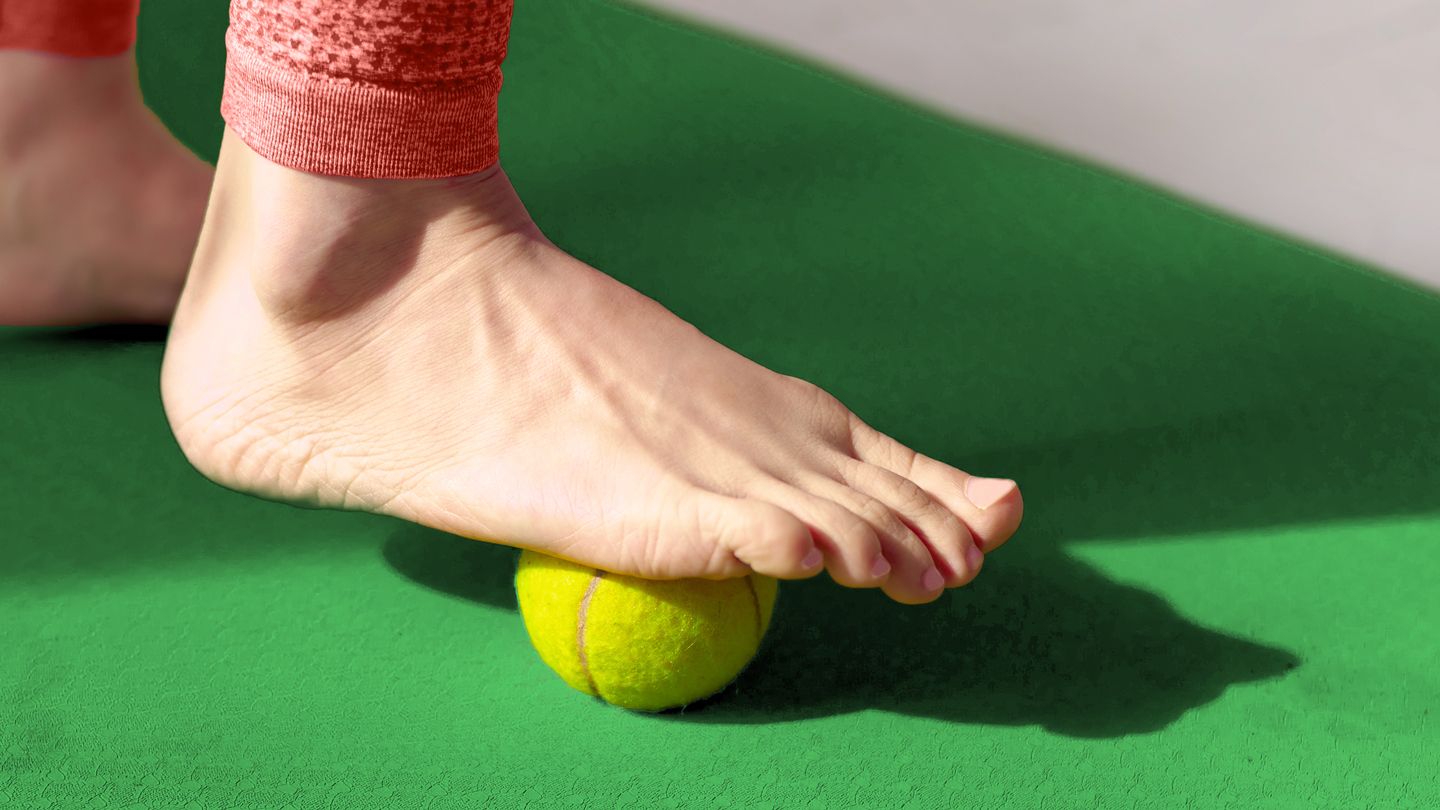
Management often starts with rest from aggravating activities, gentle stretching, supportive shoes, arch support, and ice. Calf stretches, towel stretches, and rolling the sole of the foot over a frozen water bottle may help reduce discomfort. Avoid walking barefoot on hard floors if it worsens pain. If heel pain lasts more than a few weeks, gets worse, or interferes with daily activity, a podiatrist, orthopedist, or physical therapist can evaluate the cause and recommend treatment.
2. Bunions
A bunion is a bony bump that forms near the base of the big toe, often causing the big toe to lean toward the second toe. Bunions can be influenced by inherited foot structure, arthritis, and years of pressure from narrow or poorly fitting shoes. High heels and tight toe boxes do not cause every bunion, but they can make a grumpy bunion even grumpier.
Symptoms may include swelling, redness, stiffness, soreness, difficulty fitting into shoes, and pain while walking. Mild bunions are often managed with wider shoes, soft padding, toe spacers, ice, and anti-inflammatory medication when appropriate. Custom orthotics may help some people by improving pressure distribution.
Surgery is usually considered only when pain, deformity, or walking difficulty persists despite conservative care. The goal is not cosmetic perfection; it is better function, less pain, and shoes that do not feel like tiny punishment chambers.
3. Corns and Calluses
Corns and calluses are thickened areas of skin caused by repeated pressure or friction. Calluses often form on weight-bearing areas such as the ball of the foot or heel, while corns commonly develop on or between toes. They are your skin’s way of building armor, though sometimes the armor becomes the problem.
Management begins by reducing pressure. Choose shoes with enough room, use cushioned pads, and avoid footwear that rubs. A pumice stone can gently smooth thickened skin after bathing, but never cut corns or calluses with sharp tools at home. That is not self-care; that is a horror movie audition.
People with diabetes, poor circulation, or numbness should avoid over-the-counter medicated corn removers unless a clinician approves them. These products often contain acids that can damage healthy skin and increase infection risk.
4. Ingrown Toenails
An ingrown toenail occurs when the edge or corner of a nail grows into nearby skin. It most often affects the big toe and can cause pain, redness, swelling, and sometimes drainage or infection. Causes include trimming nails too short or too rounded, tight shoes, toe injury, and naturally curved nails.
For mild cases, soaking the foot in warm water, wearing roomy shoes, and keeping the area clean may help. Trim toenails straight across and avoid digging into the corners. If there is increasing pain, pus, spreading redness, or if you have diabetes or circulation problems, seek medical care promptly.
A clinician may lift the nail edge, remove part of the nail, or treat infection if present. Recurrent ingrown toenails may need a minor procedure to prevent the same nail edge from growing inward again.
5. Athlete’s Foot
Athlete’s foot is a contagious fungal infection that thrives in warm, damp environments such as sweaty shoes, locker rooms, public showers, and pool areas. You do not have to be an athlete to get it. Honestly, fungus does not check your gym attendance record.
Symptoms can include itching, burning, peeling, cracking, scaling, redness, and sometimes blisters, especially between the toes. Management usually involves keeping feet clean and dry, changing socks daily or more often if sweaty, wearing breathable shoes, alternating shoes so they can dry, and using over-the-counter antifungal creams, sprays, or powders as directed.
Wear sandals or shower shoes in public wet areas. Do not share towels, socks, or shoes. If symptoms do not improve, return repeatedly, spread to the nails, or occur in someone with diabetes or a weakened immune system, medical evaluation is wise.
6. Toenail Fungus
Toenail fungus, also called onychomycosis, can cause nails to thicken, discolor, crumble, lift from the nail bed, or become misshapen. It often develops slowly and may follow athlete’s foot. Toenail fungus is more common in toenails than fingernails because shoes create a warm, dark, moist environment that fungi seem to consider luxury real estate.
Early, mild cases may respond to topical treatments, but many fungal nail infections require prescription medication. Because several nail problems can look like fungus, diagnosis matters. Psoriasis, trauma, aging-related nail changes, and other conditions can mimic fungal infection.
Prevention includes keeping feet dry, changing socks, disinfecting nail tools, avoiding barefoot walking in public wet areas, choosing breathable footwear, and treating athlete’s foot early. Do not ignore a nail that becomes dark, painful, bleeding, or unusually shaped, especially if it changes rapidly.
7. Plantar Warts
Plantar warts are caused by certain strains of human papillomavirus and develop on the soles of the feet. They may look like rough, thickened spots with tiny black dots. Because they grow on weight-bearing areas, they can feel like stepping on a pebble that has moved into your shoe and signed a long-term lease.
Small warts may be treated with over-the-counter salicylic acid products, but people with diabetes, poor circulation, or neuropathy should not use these treatments without medical guidance. Dermatologists and podiatrists can offer stronger treatments such as freezing, cantharidin-based therapy, or other procedures.
To reduce risk, wear flip-flops or shower sandals in public showers, pool decks, locker rooms, and similar moist areas. Avoid picking at warts, and do not reuse files or pumice stones on other parts of the body after touching a wart.
8. Blisters
Blisters are fluid-filled pockets caused by friction, heat, moisture, or pressure. New shoes, long walks, sweaty socks, and ambitious hiking plans are frequent offenders. Most small blisters heal with basic care: protect the area, reduce friction, keep it clean, and avoid popping it if possible.
If a blister breaks, wash gently with soap and water, apply a clean dressing, and watch for infection signs such as redness, warmth, swelling, pus, or worsening pain. Moisture-wicking socks, properly fitted shoes, and blister pads can help prevent repeat episodes.
Anyone with diabetes or reduced sensation should take blisters seriously because they may not feel worsening irritation. A blister that seems tiny can become a bigger problem if pressure continues unnoticed.
9. Flat Feet, High Arches, and Arch Pain
Foot arches vary naturally. Some people have flat feet, while others have high arches. Either structure can be perfectly normal, but pain, fatigue, ankle instability, or uneven shoe wear may signal that the feet need support.
Flat feet may contribute to overpronation, where the foot rolls inward excessively. High arches may reduce shock absorption and place extra pressure on the heel and ball of the foot. Supportive shoes, arch supports, stretching, strengthening exercises, and physical therapy can help many people manage symptoms.
If arch pain appears suddenly, follows an injury, or comes with swelling, weakness, or difficulty walking, get evaluated. Not every arch issue is solved by buying random inserts online at midnight, though the internet will certainly encourage you to try.
10. Diabetic Foot Problems
Foot care is especially important for people with diabetes. Over time, diabetes can damage nerves and reduce blood flow. Nerve damage can cause numbness, tingling, burning, or loss of sensation. Poor circulation can slow healing. Together, these problems increase the risk of unnoticed cuts, ulcers, infections, and serious complications.
Daily foot checks are essential. Look at the tops, bottoms, heels, sides, and between the toes. Use a mirror or ask for help if needed. Wash feet daily in lukewarm water, dry carefully, moisturize dry skin but not between the toes, and wear clean socks and well-fitting shoes. Avoid walking barefoot, even indoors.
People with diabetes should seek prompt care for cuts, sores, redness, swelling, drainage, blackened skin, new pain, warmth, or any wound that does not begin healing. Regular professional foot exams are also important. With diabetes, “I’ll wait and see” is not a foot care strategy; it is a risky little gamble.
Daily Foot Care Habits That Actually Help
Wash, Dry, and Inspect
Wash your feet daily with mild soap and water. Dry thoroughly, especially between the toes, because moisture invites fungal growth. While drying, check for cuts, cracks, swelling, redness, blisters, nail changes, or sore spots. This takes less than a minute and can catch problems early.
Moisturize Dry Skin
Dry, cracked heels can become painful and may increase infection risk if the skin splits. Apply moisturizer to the tops and bottoms of the feet, but avoid heavy lotion between the toes unless a clinician recommends it. That area should stay dry.
Trim Toenails Correctly
Trim toenails straight across, not deeply rounded at the corners. Smooth sharp edges gently with a nail file. If nails are thick, painful, curved, or hard to reach safely, professional nail care may be the better option, especially for older adults or people with diabetes.
Choose Shoes That Respect Your Toes
Good shoes should fit the shape of your feet, not the other way around. Look for enough toe room, firm heel support, cushioning, and flexibility at the ball of the foot. Shoes should feel comfortable at the store; do not buy painful shoes and hope they “break in.” Feet are not motivational speakers. They do not need character-building discomfort.
Rotate Shoes and Change Socks
Alternate shoes when possible so each pair can dry fully. Choose socks that wick moisture away from the skin, especially for exercise or hot weather. Change socks after sweating. This simple habit can reduce odor, friction, blisters, and fungal infections.
Stretch and Strengthen
Feet benefit from movement. Calf stretches, toe curls, towel scrunches, ankle circles, and balance exercises can support flexibility and stability. Start gently, especially if you already have pain. Sudden enthusiasm is how many feet end up filing complaints.
When to See a Doctor or Foot Specialist
Many minor foot problems improve with home care, but some symptoms deserve professional attention. See a healthcare provider if you have severe pain, inability to bear weight, signs of infection, a wound that will not heal, persistent swelling, numbness, burning, sudden color changes, or foot pain that lasts more than a few weeks.
People with diabetes, poor circulation, neuropathy, immune system conditions, or a history of foot ulcers should seek care earlier rather than later. A podiatrist, dermatologist, orthopedist, primary care clinician, or physical therapist may be involved depending on the issue.
Foot Health Myths Worth Retiring
Myth: Foot Pain Is Normal With Age
Foot pain is common, but that does not make it normal. Aging can change skin, circulation, nails, fat padding, joint flexibility, and balance, but persistent pain should be evaluated. Comfort and mobility matter at every age.
Myth: Barefoot Is Always Best
Barefoot walking can be fine for some people in safe environments, but it is not ideal for everyone. People with diabetes, neuropathy, plantar fasciitis, or foot deformities may need protective footwear. Public wet areas also call for sandals or shower shoes.
Myth: If a Shoe Is Expensive, It Must Be Good
Price does not guarantee fit. The best shoe is the one that matches your foot shape, activity, support needs, and comfort. A fancy shoe that squeezes your toes is still a fancy problem.
Myth: You Can Dig Out an Ingrown Toenail Yourself
Bathroom surgery is rarely a good idea. Cutting deep into the nail corner can worsen inflammation, introduce infection, and make the nail grow back incorrectly. If an ingrown nail is painful, infected, or recurring, get professional care.
Practical Foot Health Experiences: Real-Life Lessons From the Ground Up
One of the most useful lessons about foot health is that small choices add up. Imagine someone who starts a new walking routine. The first week feels great: fresh air, better mood, step count looking heroic. Then comes the heel pain. At first, it is just a morning twinge. By week three, the first steps out of bed feel like stepping on a tiny Lego brick designed by a villain. The person buys softer shoes, stretches occasionally, and keeps walking the same distance because “discipline.” Eventually, the heel pain gets louder.
The better approach would have been gradual progress. Increase walking distance slowly. Stretch calves after activity. Wear supportive shoes before pain starts. Rest or cross-train when discomfort appears. Foot health often rewards boring consistency more than dramatic rescue missions.
Another common experience involves dress shoes. Many people wear narrow shoes for weddings, work events, or nights out, then wonder why their toes feel personally betrayed. A single evening in tight shoes may cause soreness or blisters. Repeated pressure over months or years can aggravate bunions, corns, calluses, and ingrown nails. Style is fun, but if shoes make walking miserable, the outfit has lost the argument. A practical compromise is to choose wider toe boxes, use cushioning when needed, limit time in high heels, and bring comfortable backup shoes for long events.
Gym and locker room habits are another overlooked area. Someone may shower barefoot at the gym for years without thinking twice. Then athlete’s foot appears: itching, peeling, cracking, and a sudden interest in antifungal cream labels. The prevention lesson is simple. Wear shower shoes in public wet areas, dry between the toes, change sweaty socks, and rotate athletic shoes. These habits are not glamorous, but neither is explaining to your toes that they accidentally joined a fungus festival.
For people who work long shifts on their feet, foot health becomes a daily performance issue. Nurses, retail workers, warehouse employees, restaurant staff, teachers, hairstylists, and construction workers know that poor footwear can make an eight-hour shift feel like a survival documentary. Supportive shoes, compression socks when appropriate, scheduled sitting breaks, calf stretches, and replacing worn-out shoes can make a major difference. Pain should not be treated as a badge of honor. It is information.
Diabetes-related foot care offers perhaps the clearest example of prevention beating crisis management. A person with reduced sensation may not feel a small pebble in a shoe, a blister from a sock seam, or a tiny cut on the sole. Without daily inspection, that small injury can worsen. The habit of checking feet every day may seem excessive until it prevents a serious infection. Keeping blood sugar managed, avoiding smoking, wearing protective shoes, and seeing clinicians for routine foot exams are not just “nice ideas.” They are protective routines.
The biggest experience-based takeaway is this: your feet usually whisper before they shout. A little redness, a recurring blister, a sore heel, a thickening nail, or a burning sensation is worth noticing early. Foot care does not require obsession. It requires attention, clean socks, sensible shoes, and the humility to ask for help before a minor issue becomes a major inconvenience.
Conclusion
Foot health is not just about avoiding pain. It is about preserving movement, independence, comfort, and daily quality of life. Common foot problems such as plantar fasciitis, bunions, corns, calluses, ingrown toenails, athlete’s foot, toenail fungus, plantar warts, blisters, and diabetic foot complications are manageable when addressed early and thoughtfully.
The basics are powerful: inspect your feet, wash and dry them well, trim nails properly, wear shoes that fit, change socks, protect your feet in public wet areas, stretch regularly, and seek medical care when symptoms are severe, persistent, infected, or linked to diabetes or circulation problems.
Note: This article is for general educational purposes and is not a substitute for professional medical advice, diagnosis, or treatment. If you have diabetes, nerve damage, poor circulation, infection signs, severe pain, or a non-healing wound, contact a qualified healthcare provider promptly.

