
Beauty Unlocked
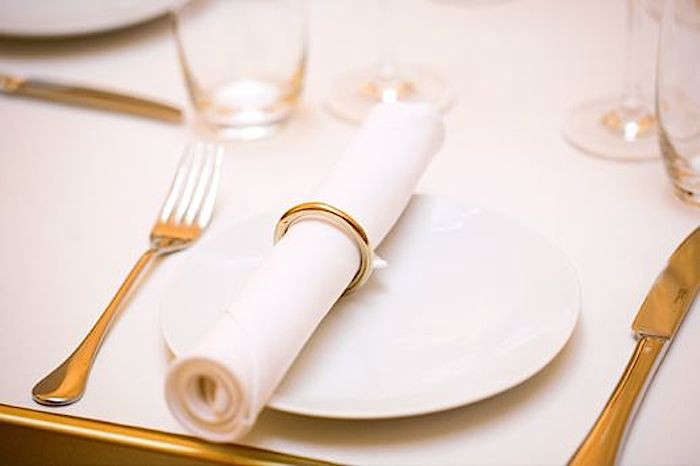
Design Sleuth: Simple Brass Napkin Rings (from the Hardware Store)
Aug
There is a special decorating thrill in finding an elegant object in a thoroughly unelegant aisle. Somewhere between shutoff valves, marine fittings, curtain rings, and bins labeled with fractions, the hardware store may be selling minimalist table accessories without realizing it.
A plain brass ring can look architectural against rumpled linen, handmade pottery, or white dinnerware. This guide explains what to buy, how to size and clean it, and how to keep the table from resembling a plumbing repair that paused for dinner.
Research basis: Remodelista identified a two-inch solid-brass hardware ring as a napkin-ring lookalike, while major hardware suppliers offer broad assortments of brass rings, fittings, couplings, and compression components.
The Design Sleuth Discovery: Hardware Disguised as Tableware
The idea is wonderfully simple: a brass ring designed for another purpose can become a napkin ring without cutting, soldering, or a heroic amount of hot glue. Remodelista highlighted a two-inch solid-brass ring as a convincing substitute for a designer tabletop accessory. Similar possibilities appear in plumbing, marine, utility, and drapery departments.
The trick works because a napkin ring is essentially a small sculpture with one jobholding gathered fabric. The best candidate has a useful opening, a smooth interior, pleasing weight, and an attractive profile from every angle. Remove the industrial packaging, add linen, and the object suddenly looks intentional.
Why Brass Belongs on the Table
Brass is an alloy made primarily from copper and zinc. Its warm color sits between bright gold and earthy brown, allowing it to feel polished, antique, industrial, or romantic depending on the finish.
It also plays nicely with other materials. Brass looks tailored beside white porcelain, relaxed with stoneware and washed linen, and festive in candlelight. Designers often compare napkin rings to jewelry for the table, and brass fills that role without demanding its own spotlight.
Uncoated brass gradually develops patina through exposure to air, moisture, and handling. You may polish it brightly or let it darken naturally. Either works; consistency matters more than perfection.
Research basis: Brass is a copper-zinc alloy; tabletop publications repeatedly use brass and metallic napkin rings as jewelry-like accents that add warmth, texture, and cohesion.
What to Look for at the Hardware Store
Choose the Right Diameter
Commercial napkin rings commonly measure about 1.5 to 2 inches across, a practical starting range. A smaller opening gives cotton a tailored hold; a larger one accommodates thick linen or a loose gather. Bring a folded napkin to test-fit pieces. It may look eccentric in the plumbing aisle, but it beats buying eight rings that only fit fabric compressed to dental-floss density.
Inspect the Interior
Threads, burrs, casting seams, and sharp corners can snag fabric. Run a cotton ball or scrap of cloth around the opening. If fibers catch, the napkin probably will too.
Confirm the Material
“Brass color” may describe solid brass, brass plating, or simply a gold-toned coating. Solid brass can usually be polished repeatedly; plated hardware requires gentler care. A magnet can provide a clue because solid brass is not magnetic, but labeling is more reliable.
Buy the Set Together
Color and shape may vary by manufacturer or production batch. Buy every ring at once and add one spare. Small differences look handcrafted; one completely different ring looks like it joined the table through a clerical error.
Research basis: Retail napkin rings often fall around 1.5 to 2 inches in diameter; hardware retailers distinguish compression, threaded, coupling, and other brass-fitting types, while tabletop products demonstrate solid and plated construction.
Best Hardware Candidates for DIY Brass Napkin Rings
Solid Brass Utility or Marine Rings
These are the closest match to classic minimalist napkin rings. A continuous, smooth circle works with nearly any table style and has no obvious front or back.
Brass Curtain Rings
Plain curtain rings can work beautifully when clips and eyelets are removable. Make sure the joint closes neatly and cannot catch fabric.
Compression Nuts and Couplings
Plumbing components create a chunkier industrial look. Hexagonal compression nuts are especially effective with linen and matte ceramics. Measure the real opening, because plumbing sizes refer to tubing or connections, not necessarily the usable inner diameter.
Wire and Large Key Rings
Heavy brass wire can be shaped into circles, while large key rings make useful bases for greenery, ribbon, or place tags. Hardware has long appeared in DIY napkin-ring projects because it is sturdy, inexpensive, and easy to customize.
Research basis: DIY sources use hardware-store rings, wire, key rings, and repurposed components as napkin-ring bases; plumbing sources explain that nominal sizes correspond to tubing and connection systems rather than decorative opening dimensions.
How to Turn Brass Hardware into Napkin Rings
1. Sort and Wash
Compare every piece under good light. Reject anything with deep scratches, sharp seams, flaking finish, or noticeably different color. Wash the keepers with warm water and mild dish soap to remove dust and manufacturing residue. Rinse and dry immediately.
2. Smooth Rough Spots
On solid, unfinished brass, a very fine abrasive can soften a minor burr. Work gently and consistently. Do not sand plated pieces; the decorative layer may be thin enough to disappear before your patience does.
3. Select a Finish
For bright brass, use a cleaner labeled for brass. Household methods often use lemon, vinegar, salt, flour, or baking soda, but acids and abrasives should be spot-tested because they can change patina, damage lacquer, or wear plating. For a brushed finish, move an ultra-fine abrasive in one direction around solid brass. For natural patina, clean the rings and let time handle the decorating.
4. Buff and Protect
Buff with a soft microfiber cloth. A brass-safe wax or clear protective product can slow tarnishing, but follow its directions and keep a note of what you applied for future cleaning.
Research basis: Brass-care guidance recommends identifying solid versus plated or lacquered metal, washing first, testing acidic cleaners, rinsing thoroughly, drying promptly, and avoiding aggressive polishing on plated pieces.
Common Mistakes to Avoid
Buying by Nominal Plumbing Size
A fitting labeled 1/2 inch does not necessarily provide a 1/2-inch decorative opening, and two pieces with similar labels may have different profiles. Carry a small ruler and measure the actual inner diameter. Better yet, test the napkin itself.
Polishing Before Identifying the Finish
Aggressive metal polish can remove lacquer or wear through brass plating. Start with soap, water, and a soft cloth. Only move to a stronger cleaner after confirming the piece is solid brass or the manufacturer approves the product.
Choosing Texture Over Fabric Safety
Deep threads and crisp hexagonal edges look interesting, but they can punish delicate linen. Decorative appeal does not excuse a snagging interior. Smooth the edge when safe, choose a different component, or reserve the rougher piece for thick, inexpensive cotton.
Overdecorating the Ring
The appeal of this project is simplicity. A place tag, narrow ribbon, or single herb sprig is usually enough. Piling on beads, charms, tassels, flowers, and three varieties of twine can turn a clean brass accent into a tiny craft store carrying luggage.
Ignoring Storage
Do not put slightly damp rings into a sealed box with clean linens. Moisture encourages spotting and tarnish, while rough metal can mark fabric. Dry the rings completely and store them separately in soft wrapping or divided compartments.
Research basis: Product and care guidance supports measuring actual dimensions, distinguishing solid from plated metal, protecting fabrics from rough edges, and following finish-specific cleaning instructions.
How to Style Simple Brass Napkin Rings
Modern Minimalist
Pair brushed brass with white plates, natural or charcoal linen, clear glassware, and one low arrangement of greenery. A loose fold keeps the setting from feeling stiff.
Warm and Rustic
Use aged brass with oatmeal linen, wood, handmade stoneware, and amber glass. Tuck in a dry rosemary, thyme, or bay sprig shortly before guests arrive.
Holiday or Color-Forward
Brass reflects candlelight beautifully and works with velvet ribbon, place tags, or evergreen clippings. It also mediates strong color combinations such as rust and cobalt, moss and blush, or burgundy and pale blue. Repeat the metal in flatware, candlesticks, or a bowl to make the look cohesive.
Place the ringed napkin on the plate, across a plate stack, or beside the forks. Aim for balance and guest comfort; no one should have to excavate dinner from beneath a textile monument.
Research basis: Table-setting authorities place napkins on plates or beside forks and recommend metallic accents, linens, greenery, repeated colors, and small details for cohesive formal or casual tables.
Cost, Value, and the Design-Sleuth Mindset
Hardware is not automatically cheaper. A heavy solid-brass marine ring may cost more than a mass-produced tabletop set. Compare price per piece, then include finishing supplies and time. Hardware is the better value when the component is already attractive and needs little modification.
The larger lesson is to shop by form and function rather than label. Instead of asking where the napkin rings are, ask which circular object has the correct scale, material, and edge quality. That shift is the heart of design sleuthing.
Conclusion: A Small Hardware Find with Major Table Appeal
Simple brass napkin rings prove that thoughtful table decor does not require elaborate crafting or a luxury-store receipt. Choose the right diameter, inspect every edge, verify the material, and select a finish you can maintain. Then let the rings remain simple. Their charm is the contrast between humble origin and elegant resulta plumbing-aisle Cinderella story with fewer mice and more hex nuts.
The Experience of Making and Using Hardware-Store Brass Napkin Rings
The first surprise for many shoppers is how much time can disappear while standing in front of a wall of tiny brass parts. At first, every piece looks promising. Then the practical differences emerge: one ring is too narrow, another has sharp interior threads, and a third is perfect except the manufacturer stamped a large number across the most visible surface. The search becomes a miniature design exercise in scale, texture, and restraint.
A useful approach is to begin with one sample rather than buying a party-sized quantity immediately. Take it home, wash it, test it with several napkins, and place it beside your actual plates and flatware. Hardware-store lighting can make yellow brass look sophisticated and warm; dining-room lighting may reveal a greenish coating or an unexpectedly orange finish. A sample prevents an eight-piece commitment to something that looked better beside the pipe sealant.
Fabric testing is equally revealing. A thin cotton napkin may slip through a large ring and spread untidily, while thick washed linen can bunch inside a smaller opening. The most versatile ring usually allows a relaxed pinch fold: gather the napkin at its center, pull the fabric through, and fan the ends slightly. This looks effortless and accommodates minor differences in napkin thickness.
Cleaning also changes the character of the piece. Some rings brighten dramatically with nothing more than soap, water, and buffing. Others reveal scratches once the oily store film is removed. A softly brushed finish is forgiving because it disguises small marks and fingerprints. High polish looks glamorous in candlelight but asks for more maintenance, especially when guests handle the rings with buttery fingers. Brass is elegant, but it has never turned down a fingerprint.
At the table, the strongest effect often comes from repetition. One plain ring is easy to overlook. Six or eight identical rings create rhythm, linking each place setting without adding clutter. Guests may not immediately realize the rings came from a hardware department. When they do, the discovery becomes part of the evening’s conversationthe desirable kind, unlike discussing the host’s ongoing dispute with the dishwasher.
Storage is simple but worth planning. Keep rings dry, separated from damp linens, and wrapped loosely in acid-free tissue or soft cloth if the finish scratches easily. Store polishing notes with them, especially if they have been waxed, lacquered, or intentionally aged. Before the next dinner, inspect the interiors for roughness and wipe away dust with a soft cloth.
The broader lesson is that successful DIY does not always require transforming a material beyond recognition. Sometimes the best project is an act of reclassification. A ring engineered for a boat, pipe, curtain, or utility strap may already possess the correct proportion and beauty. The maker’s job is simply to notice, edit, clean, and place it in a new context. That is why these simple brass napkin rings feel more satisfying than a complicated craft: the idea does most of the work.
Note: Repurposed hardware is not automatically certified as tableware. Use it only as a decorative napkin holder, prevent direct food contact, discard pieces with sharp edges or flaking coatings, and follow the manufacturer’s safety and care instructions.

