
Beauty Tools & Accessories
Serum and Moisturizer: Understanding the Key Differences for Skin
May
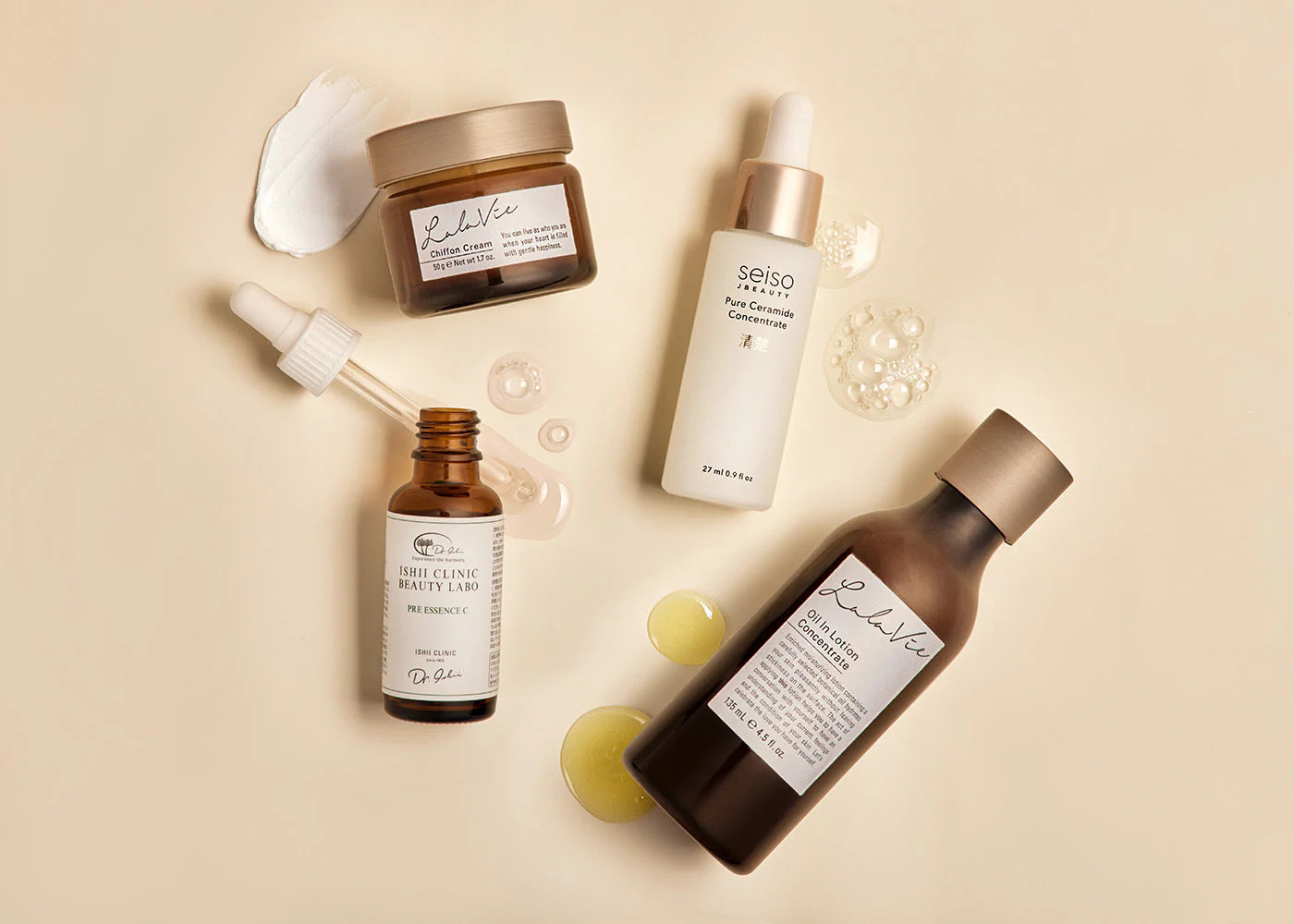
When building a skincare routine, many people wonder: What is the difference between serum and moisturizer? Although both products are essential for maintaining healthy skin, they serve very different purposes. Understanding how serums and moisturizers work can help you choose the right products for your skin type and concerns.
In this guide, we’ll explain the differences between serums and moisturizers, their benefits, and how to use them together for the best skincare results.
What Is a Serum?
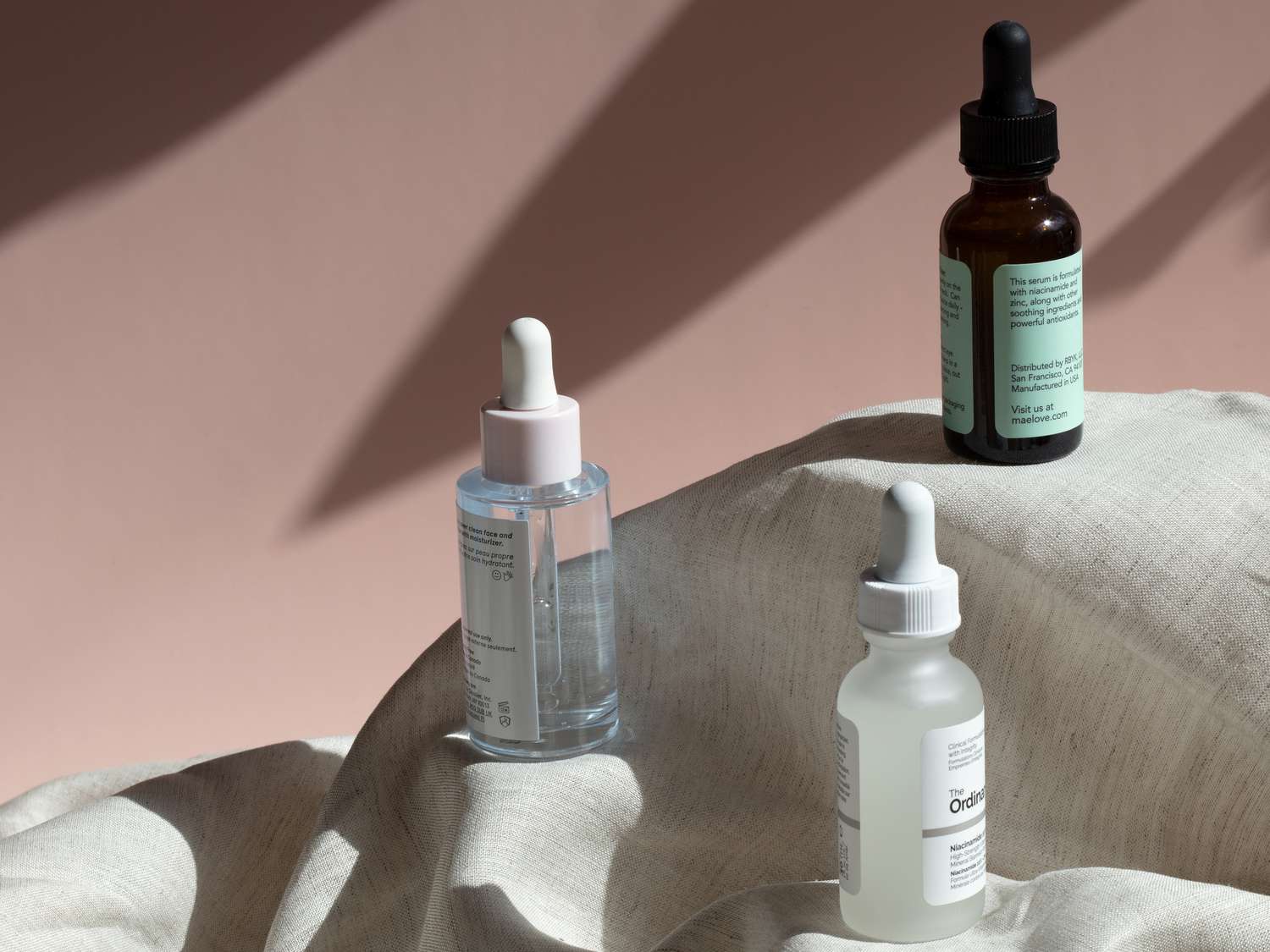
A serum is a lightweight skincare product designed to deliver highly concentrated active ingredients deep into the skin. Serums typically contain smaller molecules that absorb quickly and target specific skin concerns.
Common ingredients found in serums include:
- Vitamin C
- Hyaluronic acid
- Niacinamide
- Retinol
- Peptides
Serums are formulated to address issues such as:
- Fine lines and wrinkles
- Dark spots and hyperpigmentation
- Dehydration
- Acne and blemishes
- Uneven skin tone
Because serums are lightweight and fast-absorbing, they are usually applied after cleansing and before moisturizing.
What Is a Moisturizer?
A moisturizer is a skincare product designed to hydrate the skin and lock in moisture. Unlike serums, moisturizers create a protective barrier on the skin’s surface to prevent water loss and maintain skin hydration.
Moisturizers often contain ingredients such as:
- Ceramides
- Glycerin
- Shea butter
- Squalane
- Oils and emollients
The main functions of a moisturizer are:
- Hydrating the skin
- Strengthening the skin barrier
- Preventing dryness
- Soothing irritation
- Keeping the skin soft and smooth
Moisturizers are typically thicker than serums and are suitable for daily use, both morning and night.
The Main Difference Between Serum and Moisturizer
The biggest difference between a serum and a moisturizer lies in their purpose and formulation.
Serums:
- Deliver concentrated active ingredients
- Target specific skin concerns
- Have a lightweight texture
- Absorb deeply into the skin
Moisturizers:
- Hydrate and protect the skin barrier
- Prevent moisture loss
- Have a thicker texture
- Seal in hydration and skincare products
In simple terms, a serum treats the skin, while a moisturizer protects and hydrates it.
Do You Need Both Serum and Moisturizer?
Yes, most skincare routines benefit from using both a serum and a moisturizer.
Using a serum alone may not provide enough hydration, while using only a moisturizer may not effectively target specific skin concerns like aging or pigmentation.
When combined properly:
- The serum delivers active ingredients into the skin
- The moisturizer locks in hydration and supports the skin barrier
Together, they create a more balanced and effective skincare routine.
How to Apply Serum and Moisturizer Correctly
For the best results, apply skincare products in the correct order.
Step 1: Cleanser
Start with a gentle cleanser to remove dirt and oil.
Step 2: Serum
Apply a few drops of serum to clean, dry skin.
Step 3: Moisturizer
Follow with moisturizer to seal in hydration and active ingredients.
Step 4: Sunscreen (Morning Routine)
Always finish with sunscreen during the daytime.
Which One Should You Choose?
The right product depends on your skin’s needs.
Choose a Serum If You Want To:
- Brighten dull skin
- Reduce wrinkles
- Treat acne
- Fade dark spots
- Improve skin texture
Choose a Moisturizer If You Want To:
- Hydrate dry skin
- Prevent moisture loss
- Strengthen the skin barrier
- Soothe irritation
- Maintain soft skin
For optimal skin health, many dermatologists recommend using both.
Can You Skip Moisturizer If You Use a Serum?
Even if your serum contains hydrating ingredients like hyaluronic acid, it usually cannot replace a moisturizer completely. Moisturizers help prevent water loss and protect the skin barrier, which is essential for maintaining healthy skin.
People with oily skin may prefer lightweight gel moisturizers, while those with dry skin often benefit from richer cream formulas.
Understanding the difference between serum and moisturizer is key to building an effective skincare routine. Serums are designed to deliver powerful active ingredients that target specific concerns, while moisturizers focus on hydration and barrier protection.
Rather than choosing one over the other, using both products together can help your skin look healthier, smoother, and more radiant. By selecting products that match your skin type and concerns, you can create a routine that delivers long-term skincare benefits.

