
Beauty Tools & Accessories
People Are Sharing Their Embarrassing Fitness Fails, And Everyone Who Tried To Get In Shape Will Relate
Aug
Getting in shape looks wonderfully organized on social media. The water bottle matches the yoga mat. The workout clothes have never met a stain. The person exercising appears to know what every machine does, and nobody accidentally starts the treadmill at the speed of a departing aircraft.
Real fitness journeys are considerably less polished.
They involve resistance bands snapping loose, headphones falling into unfortunate places, leggings making unexpected decisions, and exercise machines that appear to require an engineering degree. Sometimes the workout ends with a personal record. Sometimes it ends with a person quietly leaving the gym after walking confidently into a glass wall.
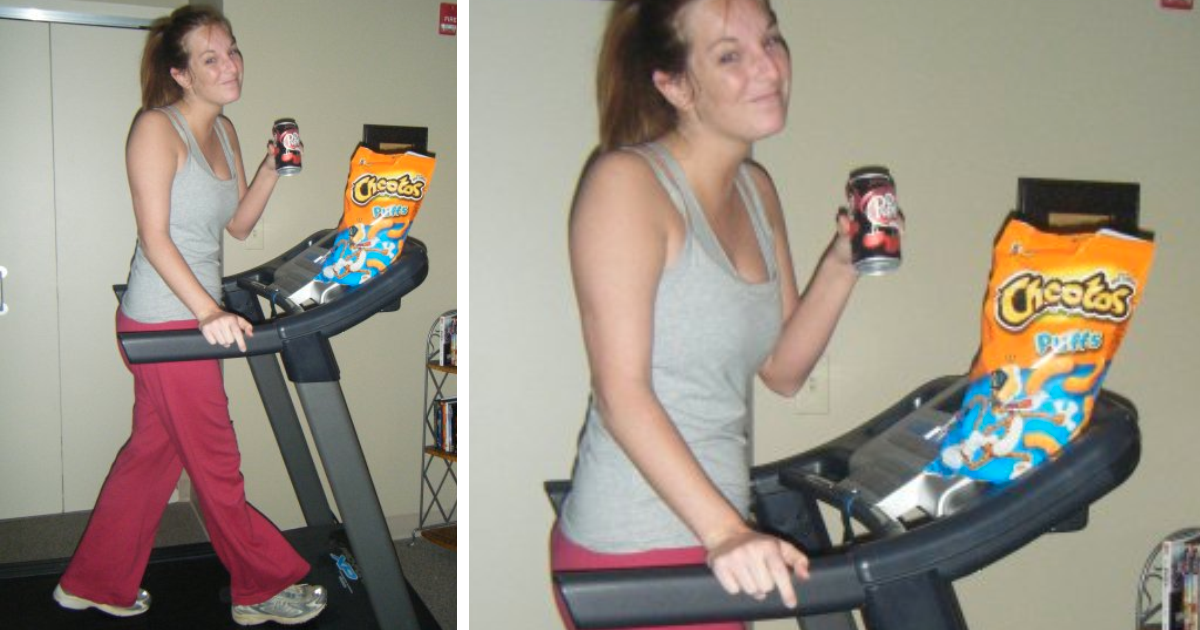
A viral collection of embarrassing fitness fails grew from a social-media prompt asking people to share their most awkward attempts at getting fit. The stories ranged from treadmills being used for everything except walking to carefully prepared workout schedules being interrupted by pizza. Beneath the comedy was a reassuring message: nearly everyone who exercises has experienced a moment when motivation, coordination, and gravity stopped cooperating.
These funny gym stories are not proof that someone does not belong in a fitness space. They are proof that learning physical skills can be messy. Beginners make mistakes, experienced athletes make mistakes, and occasionally even the person who looks like a Greek statue forgets to secure a weight plate.
Why Embarrassing Fitness Fails Feel So Relatable
Exercise places people in unfamiliar situations. A beginner may be learning how to control a moving treadmill, adjust a weight machine, follow a group class, breathe during a lift, and avoid staring suspiciously at the foam rollerall during the same visit.
That is a substantial mental workload. Add fatigue, self-consciousness, loud music, mirrors on every wall, and the possibility that someone nearby is lifting an object roughly the size of a refrigerator, and small mistakes become almost inevitable.
The good news is that most gym members are not carefully documenting everybody else’s errors. They are checking their own form, counting repetitions, choosing a playlist, or trying to remember whether they already completed the second set. The awkward moment that feels unforgettable to one person may barely register with anyone else.
Fitness also requires practice rather than instant competence. Balance, coordination, strength, endurance, and exercise technique develop gradually. A person would not expect to play the violin perfectly during the first lesson, yet many beginners expect their first squat to resemble an instructional video. Bodies apparently receive less patience than violins.
The Most Relatable Types of Fitness Fails
1. The Treadmill Launch
Treadmills create an impressive number of embarrassing workout moments. Someone steps onto a moving belt without checking the speed, presses a button expecting a gentle walk, and suddenly discovers that the machine remembers the previous runner’s ambitious settings.
The safest response is not to attempt a heroic recovery while being transported backward. Use the emergency stop when possible, hold the rails briefly to regain control, and step onto the side platforms. Before starting again, confirm the speed and incline. A treadmill is useful exercise equipment, but it should never feel like a surprise audition for an action movie.
2. The Machine That Nobody Understands
Modern gyms contain equipment with seats, levers, cables, pads, pins, and diagrams featuring tiny illustrated people. A machine may appear obvious until someone sits backward, pulls the wrong handle, or spends five minutes exercising a muscle that may not officially exist.
Asking a staff member for help is safer and faster than experimenting under load. Adjust the seat, choose a light resistance, and rehearse the motion slowly. Proper setup improves alignment and makes the intended muscles do the work. It also prevents the classic fitness fail of completing an entire set before realizing the weight pin was never inserted.
3. The Clothing Betrayal
Workout clothing is supposed to stretch, breathe, and remain attached to the body. Unfortunately, those three goals do not always arrive in the same garment.
Common wardrobe fails include shorts riding upward during cycling, leggings becoming unexpectedly transparent during squats, drawstrings coming loose, and oversized shirts falling toward the face during downward dog. These incidents are rarely dangerous, but they can make a 30-minute class feel approximately seven years long.
Testing clothing at home helps. Squat, bend, reach overhead, jog in place, and check whether everything stays where its manufacturer intended. Supportive shoes should also fit the activity. Running in worn-out casual sneakers may produce a bigger problem than an unflattering mirror angle.
4. The Group-Class Direction Disaster
Instructors move right. The class moves right. One determined participant moves left and meets another participant halfway.
Dance workouts, step classes, kickboxing sessions, and aerobics can challenge coordination before they challenge cardiovascular fitness. Beginners often feel pressure to match the speed and range of experienced participants, but smaller and slower movements are completely acceptable. Positioning yourself near the side or back provides more room to learn without creating an accidental human traffic circle.
5. The Weight Was Heavier Than Expected
Weight-room confidence can grow faster than weight-room strength. A person sees someone perform an exercise, assumes the load looks manageable, and discovers that metal objects are remarkably honest.
Using too much weight often causes shortened movements, swinging, breath-holding, or loss of control. The better approach is to begin with a load that allows smooth repetitions and stable form. Increase resistance gradually. For barbell exercises, learn how to use safety catches and request a spotter when appropriate.
One particularly noisy mistake is removing every plate from one side of a bar while leaving the other side loaded. The imbalance can flip the bar from the rack. Alternating sides while unloading prevents this dramatic announcement to the entire gym.
6. The Home Workout Versus the Furniture
Home exercise removes the audience but introduces coffee tables, ceiling fans, pets, children, lamps, and rugs that migrate during lunges.
A backward step becomes a collision with the couch. A jumping jack becomes an unscheduled inspection of the light fixture. A resistance band becomes a projectile after being attached to a door that was never fully closed.
Before exercising, clear enough space for the complete movement. Check the floor for slippery surfaces and inspect bands for damage. Pets should be kept away from fast movements and weights. A cat may view a yoga mat as an invitation, but it is not a certified training partner.
7. The “No Pain, No Gain” Misunderstanding
Some people proudly return to exercise after months of inactivity and attempt to complete an advanced workout at full intensity. The next morning, sitting down becomes a carefully negotiated process.
Mild, dull muscle soreness after unfamiliar exercise can be normal. Sharp pain, sudden weakness, major swelling, chest pain, dizziness, or discomfort that worsens should not be treated as evidence of a successful workout. Stop the activity and seek appropriate medical advice when symptoms are concerning.
The goal is to challenge the body, not declare war on it.
8. The Fitness Tracker That Becomes a Ruthless Accountant
Wearable devices can encourage movement, but they can also inspire strange behavior. People pace around the bedroom before midnight, swing an arm while sitting, or march beside the couch because a digital circle refuses to close.
Step counts and calorie estimates are tools, not moral judgments. They cannot fully measure recovery, strength, mobility, stress, sleep quality, or the effort required for different bodies. Missing a target does not erase the movement completed that day.
What Funny Gym Fails Can Teach Us
Start With a Warm-Up
A practical warm-up gradually raises heart rate, increases blood flow, and prepares the body for the movements ahead. Five to 10 minutes of easier activity is often enough. Before running, walk or jog slowly. Before strength training, use light resistance and rehearse the exercises you plan to perform.
Starting cold with explosive burpees because a video promised “maximum results in eight minutes” is an efficient way to turn eight minutes into a much longer story.
Learn Technique Before Chasing Numbers
Proper form is not about making an exercise look elegant for the mirror. It helps distribute force appropriately and allows the intended muscles to work. When form collapses, reduce the resistance, shorten the set, or use an easier variation.
A controlled body-weight squat is more valuable than a heavily loaded squat performed like a folding lawn chair. A trainer, physical therapist, qualified instructor, or experienced gym employee can help explain unfamiliar movements.
Progress Gradually
New exercisers often become enthusiastic and try to transform their entire lives by Thursday. They schedule daily high-intensity workouts, eliminate every enjoyable food, buy six supplements, and wonder why the plan feels exhausting by the following week.
Progress is more sustainable when intensity, duration, or resistance increases gradually. Current resistance-training guidance emphasizes that consistency matters more for most people than complicated programming. Walking, body-weight movements, resistance bands, machines, and free weights can all contribute to fitness.
Hydrate and Respect the Weather
Outdoor exercise in hot weather increases the risk of dehydration and heat-related illness. Start more slowly than usual, exercise during cooler parts of the day, wear suitable clothing, and drink water regularly. Feeling faint or weak is a reason to stop and move to a cooler placenot a signal to film one final motivational clip.
Use Recovery as Part of Training
Rest days are not evidence of laziness. Muscles need time to recover, especially after unfamiliar or demanding exercise. Alternating muscle groups, mixing hard and easy sessions, sleeping adequately, and eating balanced meals can support recovery.
A sustainable routine should leave room for normal life. Missing one workout because of work, family responsibilities, illness, or fatigue does not destroy progress. The attempt to “make up” every missed session with punishment usually creates more exhaustion than fitness.
Do Not Confuse Embarrassment With Failure
Dropping a water bottle is embarrassing. Learning that a machine works differently than expected is embarrassing. Turning the wrong direction in a class is embarrassing.
None of those moments means the exercise program failed.
A genuine setback is more likely when embarrassment causes someone to quit an activity they otherwise enjoy. Returning after an awkward moment builds confidence. In many cases, the person who comes back discovers that nobody remembers the incidentor that other members have much better stories of their own.
How to Recover From an Embarrassing Gym Moment
- Check for injury first. Make sure the incident is merely awkward rather than physically harmful.
- Fix the immediate problem. Stop the machine, pick up the bottle, adjust the clothing, or ask for assistance.
- Acknowledge it without creating a courtroom drama. A smile and a simple “Well, that happened” usually work.
- Learn from the mistake. Lower the speed, improve the equipment setup, leave more space, or practice the movement.
- Continue when it is safe. Finishing an easier version of the workout can prevent one awkward moment from controlling the entire experience.
Humor is useful because it reduces the emotional size of the incident. Laughing at yourself does not mean ignoring safety. It means accepting that competence often develops through imperfect attempts.
More Experiences Every Fitness Beginner Will Understand
Consider the enthusiastic beginner who buys a treadmill with visions of sunrise runs and dramatic physical transformation. For the first week, the machine receives regular use. During the second week, a clean towel appears on one handle. Soon, several shirts join it. By the end of the month, the treadmill has become the most expensive clothing rack in the house. This is not unusual because equipment cannot create a habit by itself. Placing short walking sessions on a calendar and connecting them to an existing routinesuch as walking after breakfastmay work better than relying on inspiration.
Another familiar experience happens during the first group fitness class. The participant carefully chooses a position in the back, hoping to remain invisible. The music begins, the instructor demonstrates a combination, and everyone moves with suspiciously perfect timing. The beginner is always half a step behind. When the class travels forward, the beginner travels sideways. When the instructor says, “Now reverse it,” the beginner experiences the same panic normally associated with complicated tax forms. Yet the second class usually feels easier because the movements are no longer completely unfamiliar.
Then there is the first serious leg workout. During the session, everything feels productive. The participant leaves the gym with tremendous confidence and perhaps walks up a flight of stairs simply to celebrate. The following morning, the legs submit a formal complaint. Sitting on the toilet requires arm support, emotional preparation, and possibly a small negotiation with gravity. This soreness may be a reminder to increase training volume more gradually, but it also becomes a story that experienced exercisers instantly recognize.
Home workouts create their own collection of memories. Someone begins a peaceful yoga video while a dog repeatedly walks underneath every pose. A child joins the session and transforms controlled lunges into a competitive jumping contest. During an online strength workout, the instructor announces, “Only five seconds left,” approximately 14 times. The exerciser eventually learns that a quiet room, cleared floor space, and realistic expectations are as important as the workout itself.
Weight training provides another universal lesson: numbers can damage the ego long before they strengthen the muscles. A beginner may choose dumbbells based on what another person is lifting, complete two questionable repetitions, and then spend the rest of the set performing a movement that resembles starting a stubborn lawn mower. Reducing the weight can feel embarrassing, but it is usually the smarter decision. Control, range of motion, and repeatable technique matter more than impressing strangers who are probably not watching.
Even regular exercisers experience absent-minded failures. They arrive at the gym without shoes, forget which locker they used, begin a workout with mismatched dumbbells, or wonder why one side feels heavier before noticing an extra plate. These moments do not disappear completely with experience. People simply become better at correcting them without treating the incident as a referendum on their athletic identity.
The most valuable experience may be returning after a mistake. The person who slipped during a class learns to create more space. The lifter who struggled with an exercise asks for instruction. The runner who started too fast adopts a manageable pace. Embarrassment becomes information, and information becomes progress.
Conclusion: Fitness Is Supposed to Look Human
The road to better fitness is rarely a smooth montage set to inspirational music. It is filled with missed steps, strange noises, failed repetitions, forgotten water bottles, and occasional arguments with exercise equipment.
Those moments are not reasons to abandon a fitness goal. They are part of learning. Starting slowly, warming up, practicing proper form, respecting pain, staying hydrated, and choosing a routine that can be repeated are far more important than appearing flawless.
The next embarrassing gym fail may feel enormous for 30 seconds. Later, it may become the story that reassures another beginner that everybody starts somewhereand almost nobody starts gracefully.

