
Skincare
What Is Sodium Chloride and How Is It Used?
Aug
Sodium chloride may sound like something wearing a lab coat and carrying a clipboard, but you know it by a much friendlier name: salt. It seasons fries, helps preserve pickles, keeps IV fluids balanced, melts ice on roads, supports chemical manufacturing, and quietly participates in several body functions. Not bad for a white crystal that spends most of its life being shaken onto scrambled eggs.
In this guide, we’ll break down what sodium chloride is, how it works, where it shows up in daily life, why your body needs it, and why too much of it can turn from “useful mineral” into “blood pressure’s least favorite roommate.”
What Is Sodium Chloride?
Sodium chloride is an ionic compound with the chemical formula NaCl. It is made from two elements: sodium, represented by Na, and chlorine, represented by Cl. When these two combine, sodium gives up an electron and becomes a positively charged sodium ion. Chlorine gains that electron and becomes a negatively charged chloride ion. Opposites attract, chemistry applauds, and sodium chloride is formed.
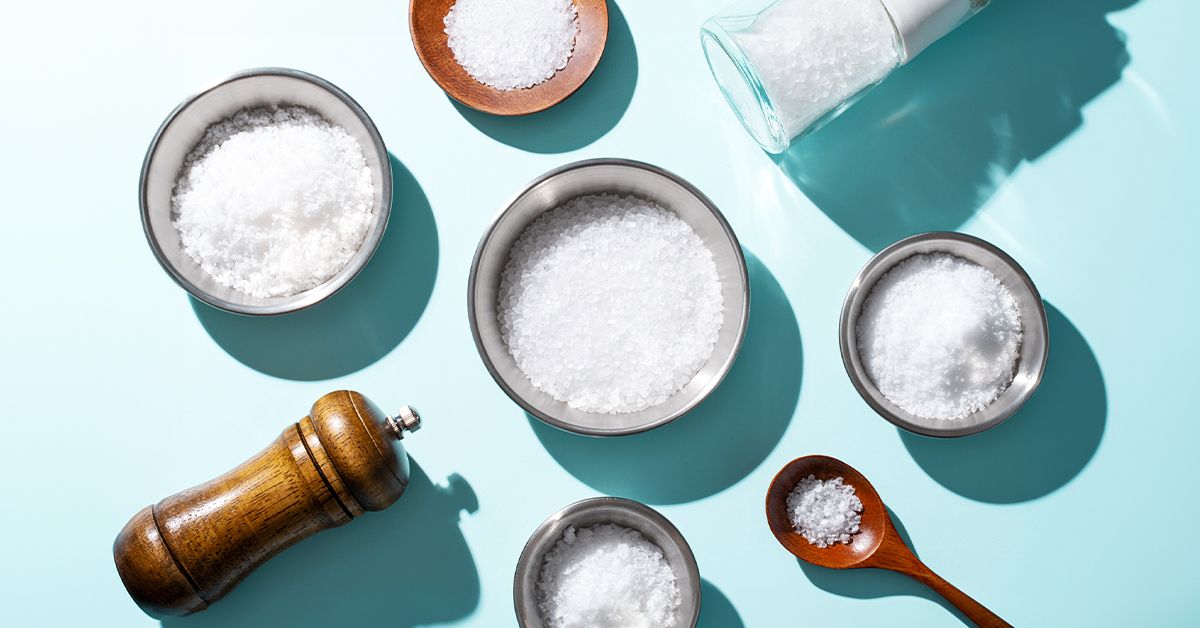
At room temperature, sodium chloride appears as a white crystalline solid. Table salt, sea salt, kosher salt, rock salt, and many food-grade salts are primarily sodium chloride, although their texture, trace minerals, processing methods, and additives may differ.
One important detail: sodium chloride is not the same thing as sodium alone. Sodium is a highly reactive metal in its pure elemental form. Chlorine is a gas that can be hazardous in concentrated forms. But when sodium and chloride bond into sodium chloride, the result is the familiar edible mineral we use every day. Chemistry is basically the world’s best rebranding department.
Sodium Chloride vs. Salt vs. Sodium: What’s the Difference?
People often use the words salt and sodium as if they are identical, but they are not. Salt is sodium chloride. Sodium is one part of sodium chloride. By weight, table salt is roughly 40% sodium and 60% chloride.
This matters because food labels in the United States list sodium, not sodium chloride. A product may contain sodium from table salt, baking soda, monosodium glutamate, sodium nitrite, sodium benzoate, or other sodium-containing ingredients. That is why a food can taste only mildly salty but still carry a surprising sodium load. Some packaged soups are basically sodium wearing a vegetable costume.
As a quick reference, about one teaspoon of table salt contains around 2,300 milligrams of sodium, which matches the Daily Value used on U.S. Nutrition Facts labels. Many health organizations recommend paying attention to sodium intake, especially for people with high blood pressure, kidney disease, heart disease risk, or medical advice to limit sodium.
How Sodium Chloride Works in the Body
Your body does need sodium chloride. Sodium and chloride are electrolytes, meaning they help carry electrical signals in fluids. These ions support fluid balance, nerve impulses, muscle contraction, and acid-base balance. Chloride also plays a role in stomach acid, which helps digestion.
In simple terms, sodium chloride helps the body manage water movement. Sodium helps regulate fluid outside cells, while potassium helps regulate fluid inside cells. This balance is essential for normal nerve and muscle activity. Without enough sodium, the body can develop problems such as weakness, confusion, or abnormal fluid balance. With too much sodium over time, many people face a higher risk of high blood pressure, which can increase the risk of heart disease and stroke.
The goal is not to treat salt like a villain with a cape. The goal is balance. Your body needs sodium chloride, but it does not need a mountain of it hiding in every frozen pizza, deli sandwich, and crunchy snack that whispers, “Just one more handful.”
Common Uses of Sodium Chloride
1. Food Seasoning
The most familiar use of sodium chloride is flavor. Salt enhances sweetness, reduces bitterness, and makes savory foods taste more complete. A tomato with a pinch of salt tastes more like a tomato that finally remembered its life purpose. Salt can also improve texture in foods such as bread, cheese, cured meats, and fermented vegetables.
2. Food Preservation
Before refrigeration, salt was one of humanity’s most valuable food preservation tools. Sodium chloride draws moisture out of food and creates conditions where many bacteria struggle to grow. This is why salt has long been used for curing meats, preserving fish, fermenting vegetables, and making foods like pickles, sauerkraut, olives, and salted cod.
Salt does not magically make all food safe forever, but it can reduce water activity, slow spoilage, and support fermentation when used correctly. In modern food production, sodium chloride remains important for preservation, flavor development, texture, and shelf stability.
3. Medical Saline Solutions
In medicine, sodium chloride is commonly mixed with sterile water to make saline solution. The best-known example is 0.9% sodium chloride, often called normal saline. It is used in hospitals and clinics for IV fluids, wound rinsing, medication dilution, and other medical purposes.
Saline is useful because its salt concentration is close to the body’s natural fluid environment. That said, medical saline must be prepared under strict sterile conditions. Homemade salt water may be fine for certain simple rinsing uses, but it should never be injected, used in IV therapy, or treated as a substitute for professional medical care.
4. Nasal Rinses and Oral Care
Sodium chloride solutions are also used in nasal sprays, sinus rinses, and saltwater gargles. A saline nasal spray can help moisturize nasal passages, thin mucus, and relieve dryness. Saltwater gargles may soothe a scratchy throat or help rinse the mouth after dental procedures, depending on a clinician’s advice.
The key is concentration and cleanliness. A gentle saline solution is very different from swallowing seawater or mixing random spoonfuls of salt into tap water like a kitchen wizard with no measuring spoons.
5. Industrial Chemical Production
Sodium chloride is a major raw material in the chemical industry. It is used to produce chlorine, sodium hydroxide, hydrochloric acid, sodium carbonate, and other chemicals. These substances are then used in products such as plastics, paper, detergents, textiles, glass, water treatment chemicals, and cleaning products.
One major industrial process is the electrolysis of brine, a concentrated saltwater solution. This process helps produce chlorine and caustic soda, two building blocks for many modern materials. In other words, salt is not just sitting in your pantry. It is also backstage at the chemical industry, wearing a headset and making sure the whole production runs on schedule.
6. Road Deicing
Rock salt is widely used to melt ice on roads, sidewalks, and parking lots. Sodium chloride lowers the freezing point of water, helping ice melt when temperatures are near or slightly below freezing. This makes winter travel safer, although road salt can also corrode vehicles, damage concrete, affect soil, and increase chloride levels in waterways.
Because of these environmental concerns, many communities now use careful application rates, brine pre-treatment, alternative deicers, or improved snow-management strategies to reduce unnecessary salt use.
7. Water Softening
Salt is used in many water softeners to regenerate ion-exchange resin. Hard water contains minerals such as calcium and magnesium. A water softener exchanges those minerals for sodium or potassium ions, reducing scale buildup in pipes, water heaters, and appliances.
The salt does not simply “go into” your water in the same way table salt goes into soup. Its main job is to recharge the softener’s resin so the system can keep removing hardness minerals.
8. Agriculture and Animal Nutrition
Livestock need sodium and chloride for normal body functions, so salt is commonly included in animal feed or provided as salt blocks. In agriculture, sodium chloride may also appear in certain mineral mixes, although too much salt in soil or irrigation water can harm plants by interfering with water uptake.
Types of Sodium Chloride Products
Not all salt on the shelf is exactly the same, even when sodium chloride is the main ingredient. Differences usually come from crystal size, texture, additives, source, and processing.
Table Salt
Table salt is finely ground and often contains anti-caking agents to keep it flowing smoothly. Many table salts are iodized, meaning iodine has been added. Iodine is an essential nutrient needed for thyroid hormone production.
Kosher Salt
Kosher salt usually has larger, flakier crystals than table salt. Cooks like it because it is easy to pinch and distribute by hand. However, because the crystals are larger, one teaspoon of kosher salt may contain less sodium than one teaspoon of fine table salt, depending on the brand.
Sea Salt
Sea salt is made by evaporating seawater. It may contain trace minerals that affect color or flavor, but nutritionally it is still mostly sodium chloride. Fancy sea salt may look like it belongs in a tiny museum jar, but it does not become a health food just because it has a dramatic origin story.
Rock Salt
Rock salt is mined from underground deposits of halite, the mineral form of sodium chloride. It is commonly used for deicing, industrial purposes, and some food applications when processed appropriately.
Iodized Salt
Iodized salt contains added iodine, typically in the form of iodide or iodate compounds. This public health strategy helps prevent iodine deficiency. Specialty salts such as sea salt, Himalayan salt, and kosher salt are not always iodized, so checking the label matters.
Health Benefits of Sodium Chloride
Sodium chloride supports several essential functions:
- Fluid balance: Sodium helps regulate how much water stays inside and outside cells.
- Nerve signaling: Sodium ions help transmit electrical impulses in the nervous system.
- Muscle contraction: Electrolytes such as sodium, potassium, calcium, and chloride help muscles contract and relax.
- Digestion: Chloride contributes to hydrochloric acid in the stomach.
- Medical hydration: Sterile saline solutions are used in healthcare for fluid replacement and medication delivery.
These benefits are real, but they do not mean “more salt equals more health.” Nutrition is not a video game where adding more of one mineral unlocks a golden level. The body needs the right amount in the right context.
Risks of Too Much Sodium Chloride
High sodium intake is associated with increased blood pressure in many people. Over time, high blood pressure can strain the heart, blood vessels, kidneys, and brain. Not everyone responds to sodium in the same way, but reducing excess sodium is a common public health recommendation because many people consume more than they need.
In the United States, much of the sodium in the average diet comes from packaged, processed, and restaurant foods rather than the salt shaker. Bread, pizza, sandwiches, soups, cold cuts, cheese, sauces, snacks, and fast food can contribute significant sodium. The sneaky part is that some of these foods do not taste extremely salty, especially when sugar, fat, or strong flavorings distract your taste buds.
People with high blood pressure, heart disease, kidney disease, liver disease, or certain fluid-balance conditions should follow medical guidance about sodium intake. Athletes, outdoor workers, and people who sweat heavily may have different needs, but even then, electrolyte replacement should be based on real conditions, not internet folklore in a neon sports-drink bottle.
How to Use Sodium Chloride Wisely in Food
Reducing sodium does not mean eating food that tastes like damp cardboard. It means using salt more strategically.
- Read Nutrition Facts labels: Compare sodium levels between brands.
- Choose lower-sodium options: Look for “low sodium,” “reduced sodium,” or “no salt added” when appropriate.
- Season gradually: Add a little salt, taste, then adjust.
- Use acids and herbs: Lemon juice, vinegar, garlic, pepper, rosemary, basil, cumin, paprika, and chili flakes can add flavor without relying only on salt.
- Rinse canned foods: Rinsing canned beans or vegetables can reduce some sodium.
- Watch sauces: Soy sauce, salad dressings, marinades, ketchup, barbecue sauce, and bouillon can be sodium-heavy.
One smart cooking trick is to add salt where it matters most. A small amount on the surface of food can taste more noticeable than a larger amount buried inside a recipe. Your taste buds are easily impressed; use that to your advantage.
Real-World Experiences With Sodium Chloride
Experience with sodium chloride usually begins long before anyone learns its chemical formula. Most people first meet it at the dinner table. A parent sprinkles a little salt into soup, and suddenly the broth stops tasting sleepy. A cook adds a pinch to cookie dough, and the sweetness becomes brighter. Someone tries unsalted pasta water once and discovers that noodles can, in fact, taste like regret.
In the kitchen, sodium chloride teaches one of the most useful lessons in cooking: small details matter. A pinch of salt can wake up tomatoes, balance caramel, improve bread dough, and make roasted vegetables taste fuller. But a heavy hand can flatten every flavor into one loud salty note. Good cooks learn that salt is not just an ingredient; it is a timing tool. Salt added early can draw moisture from vegetables, help proteins retain water, or season food from within. Salt added at the end can create a bright surface flavor. Same compound, different result.
People also experience sodium chloride through health habits. Someone may start reading food labels after a doctor mentions blood pressure. At first, the numbers can be surprising. A bowl of soup, a sandwich, and a handful of chips may contain more sodium than expected. The lesson is not that food has become the enemy. The lesson is that packaged foods often do the salting for us before we ever pick up the shaker. Once a person notices that, small changes become easier: choosing low-sodium broth, using herbs, tasting before salting, or splitting restaurant portions.
Sodium chloride also appears in moments of care. A saline nasal spray during dry weather can bring relief when indoor air feels like it was imported from a desert. A saltwater gargle may feel soothing during a rough throat day. A healthcare worker may use sterile saline to rinse a wound or deliver fluids through an IV. These uses show how the same compound can move from pantry staple to medical tool, depending on purity, concentration, and preparation.
There is also the winter experience. Anyone who has walked across an icy sidewalk has benefited from road salt, even if they complained later about white stains on their boots. Sodium chloride helps reduce slipping hazards, but it also reminds us that useful materials can have trade-offs. Road salt can affect cars, concrete, soil, pets’ paws, and waterways. Responsible use matters.
The biggest practical takeaway from everyday experience is balance. Sodium chloride is helpful, familiar, and essential, but it works best when used with awareness. In cooking, that means seasoning with intention. In health, it means understanding sodium intake. In industry and winter maintenance, it means using enough to solve the problem without creating a new one. Salt may be simple, but living with it wisely is a surprisingly grown-up skill.
Conclusion: Sodium Chloride Is Simple, Useful, and Worth Understanding
Sodium chloride is one of the most common and important compounds on Earth. It is the salt in your kitchen, the electrolyte in your body, the mineral in saline solution, the deicer on winter roads, and the raw material behind many industrial chemicals. Its usefulness comes from its chemistry: sodium and chloride ions separate easily in water, interact with biological systems, preserve food, enhance flavor, and support countless practical applications.
Still, sodium chloride deserves respect. Too little sodium can cause problems, but too much sodium, especially from processed and restaurant foods, can increase health risks for many people. The smartest approach is not fear. It is awareness. Read labels, season thoughtfully, use saline safely, and remember that even ordinary salt has extraordinary chemistry behind it.
Note: This article is for educational purposes only and should not replace medical advice. People with blood pressure, heart, kidney, or fluid-balance concerns should follow guidance from a qualified healthcare professional.

