
Beauty Tools & Accessories
7 Surprising Facts About Menopausal Night Sweats
Aug
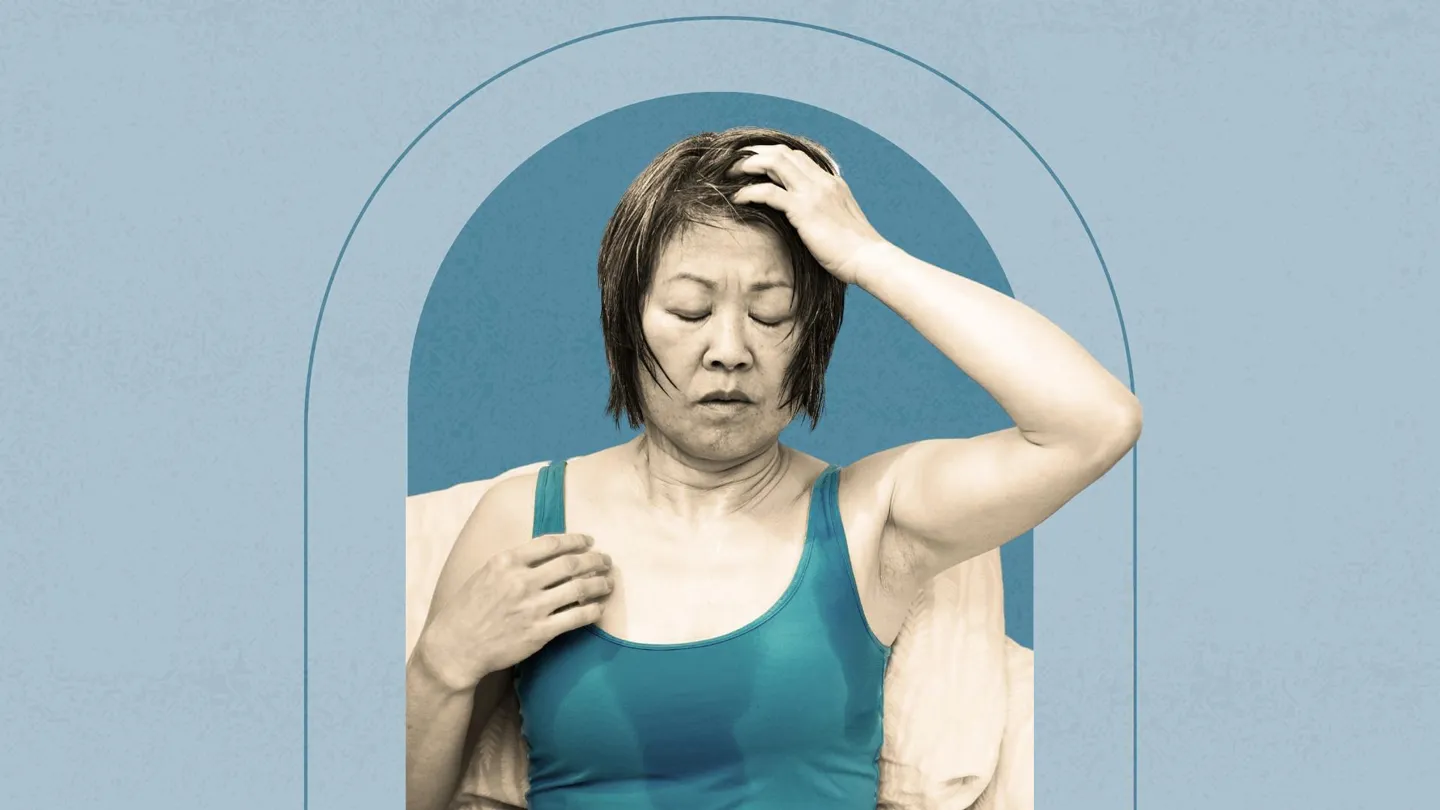
One minute, you are sleeping peacefully. The next, you are wide awake, your pajamas are damp, the sheets feel suspiciously tropical, and your partner is wondering why the bedroom fan has suddenly been promoted to hurricane mode.
Menopausal night sweats are nighttime hot flashes, medically known as vasomotor symptoms. They commonly appear during perimenopause, menopause, and sometimes well into postmenopause. Although they are often treated as an annoying but harmless rite of passage, they involve a surprisingly complex interaction among hormones, brain chemistry, temperature regulation, and sleep.
Understanding what is happening can make these episodes feel less mysteriousand help you choose practical, evidence-based ways to manage them. Here are seven surprising facts about menopausal night sweats, followed by treatment options and a realistic look at what living with them can feel like.
Evidence:
What Are Menopausal Night Sweats?
A night sweat is more than waking up warm because your comforter belongs in an Arctic expedition catalog. Menopause-related night sweats are sudden episodes of intense heat and perspiration that occur during sleep. The warmth often begins around the face, neck, chest, or upper body and may be accompanied by flushing, a faster heartbeat, anxiety, or chills afterward.
Episodes may last from less than a minute to several minutes. Some women experience mild dampness, while others wake with soaked clothing and bedding. Frequency also varies dramatically: one person may have an occasional episode, while another may experience several every night.
Evidence:
1. The Problem Starts in the Brain, Not the Bedroom
It is tempting to blame night sweats on a warm room, thick pajamas, or a mattress that appears to have its own weather system. Those factors can make symptoms more uncomfortable, but menopausal night sweats begin mainly with changes in the brain’s temperature-control network.
During the menopause transition, estrogen levels fluctuate and eventually decline. These hormonal changes affect the hypothalamus, the brain region that helps regulate body temperature. They also influence signaling chemicals such as neurokinin B, which participate in controlling the body’s internal thermostat.
Your Comfortable Temperature Range Becomes Narrower
Normally, your body tolerates small temperature changes without launching an emergency response. During menopause, that comfortable range may become unusually narrow. A tiny increase in core temperature can be misread as overheating.
The brain responds by widening blood vessels near the skin and activating sweat glands. You suddenly feel flushed, hot, and sweaty even though the room temperature has barely changed. In other words, the thermostat is not completely brokenit has simply become dramatically oversensitive.
This explains why turning down the air conditioner can improve comfort without always preventing an episode. The trigger is internal, although the external environment can add fuel to the fire.
Evidence:
2. Night Sweats Can Begin Before Menopauseand Continue Long After It
Many people imagine menopausal symptoms beginning after the final menstrual period. In reality, night sweats often arrive during perimenopause, when periods may still be occurring and pregnancy may still be possible.
Perimenopause commonly begins in the 40s, although it can start earlier. During this stage, estrogen does not simply decline in a smooth, polite line. It fluctuates, sometimes unpredictably, which is why symptoms may appear for several weeks, vanish, and then return without sending a calendar invitation.
They May Last Much Longer Than Expected
A major U.S. study following women through the menopause transition found that vasomotor symptoms lasted a median of approximately 7.4 years. Among participants whose final menstrual period was observed during the study, symptoms continued for a median of about 4.5 years afterward.
The Menopause Society notes that hot flashes and night sweats affect up to 80% of women and commonly persist for seven to ten years. Some women experience them for more than a decade.
That does not mean every episode remains equally severe. Symptoms often change in frequency and intensity over time. Still, being postmenopausal does not automatically mean the nighttime heat waves must have retired.
Evidence:
3. You May Wake Up Before the Night Sweat Begins
The usual story seems obvious: a hot flash happens, sweating begins, and the discomfort wakes you. Research suggests that the sequence can be more complicated.
Sleep studies indicate that some menopausal women experience an awakening immediately before the measurable hot flash. This means a change in the nervous system or sleep pattern may begin first, followed by the temperature surge and sweating.
Not Every Menopausal Sleep Problem Is Caused by Sweating
Hormonal changes can also influence sleep directly. Anxiety, mood changes, nighttime urination, restless legs, pain, snoring, and sleep apnea may contribute to repeated awakenings. A woman may therefore continue sleeping poorly even after her night sweats improve.
This distinction matters. Treating vasomotor symptoms may help enormously, but persistent insomnia may require its own evaluation and treatment. Otherwise, you may replace the sheets, lower the thermostat, and still find yourself negotiating with the ceiling at 3 a.m.
Evidence:
4. Feeling Freezing Cold Afterward Is Part of the Same Episode
One of the strangest parts of a menopausal night sweat is the rapid switch from “I am sleeping inside a volcano” to “Who opened the freezer?”
During a hot flash, blood vessels near the skin widen and sweating increases to release heat. As the sweat evaporates, the body cools. Damp pajamas and sheets then continue pulling heat away from the skin, sometimes causing pronounced chills.
This hot-then-cold cycle can make sleep especially difficult. You may throw off every blanket during the flash, only to retrieve them moments later while shivering. Layered bedding can help because it allows quicker adjustments without requiring a full bedroom renovation at 2:17 a.m.
Why Breathable Materials Help
Lightweight cotton or moisture-wicking sleepwear may reduce the amount of moisture remaining against the skin. A breathable mattress protector and several thin bedding layers are often more practical than one heavy comforter.
These strategies do not correct the underlying hormonal signaling, but they can shorten the uncomfortable aftermath and make it easier to return to sleep.
Evidence:
5. Triggers Are Real, but They Are Not Universal
Alcohol, caffeine, spicy meals, smoking, emotional stress, hot drinks, heavy bedding, and warm rooms are frequently named as night-sweat triggers. They may worsen symptoms for some women, but there is no universal blacklist.
A glass of wine may reliably trigger an episode in one person and have no noticeable effect in another. Coffee may be troublesome only when consumed late in the day. A spicy dinner may be innocent, while a stressful work email turns the bedroom into a tropical greenhouse.
A Symptom Diary Beats Guesswork
For two to four weeks, record the approximate time of each episode along with evening meals, alcohol, caffeine, exercise, medications, stress, bedroom temperature, and menstrual-cycle changes. Patterns may become visible that are difficult to notice from memory alone.
A diary also helps prevent unnecessary restrictions. Eliminating every enjoyable food and beverage “just in case” can make menopause feel like a punishment designed by a very strict wellness influencer. Target the factors that repeatedly matter to you.
It is also important to remember that triggers usually amplify an underlying tendency; they are not necessarily the root cause. You did not give yourself menopause by ordering curry.
Evidence:
6. The Biggest Impact Often Happens the Next Day
The sweating itself may last only a few minutes, but its consequences can follow you into breakfast, work, relationships, and decision-making.
Repeated awakenings fragment sleep and reduce the amount of restorative rest you receive. The next day may bring fatigue, irritability, headaches, low motivation, slower thinking, forgetfulness, and difficulty concentrating. These effects are sometimes casually labeled “menopause brain,” but sleep loss may be doing a substantial share of the mischief.
Night Sweats Can Affect Emotional Well-Being
Being awakened night after night can make ordinary frustrations feel much larger. Anxiety about whether another episode will occur may also make falling asleep harder. Some women begin dreading bedtime, especially when they have an early meeting, a long drive, or caregiving responsibilities the next morning.
Partners may be affected too. One person is throwing blankets across the room while the other is trying to understand why the fan is aimed directly at their face in December. Honest communication and practical changessuch as separate blanketscan protect both sleep and domestic diplomacy.
Night sweats that interfere with work, mood, safety, or relationships deserve medical attention. Symptom severity is measured by its effect on your life, not by whether someone else thinks it is “normal.”
Evidence:
7. Not Every Drenching Night Sweat Is Menopause
Menopause is a common explanation for night sweats in midlife, especially when they occur alongside changing periods, hot flashes, vaginal dryness, or other typical symptoms. It is not the only possible cause.
Heavy nighttime sweating may also be associated with an overactive thyroid, infections, diabetes, anxiety, sleep apnea, alcohol use, medication side effects, and certain cancer treatments. Less commonly, persistent drenching sweats can accompany conditions such as lymphoma or leukemia.
When to Contact a Healthcare Professional
Arrange an evaluation if night sweats are new, severe, worsening, or regularly disrupting sleep. Seek medical advice promptly when they occur with unexplained weight loss, persistent fever, swollen lymph nodes, chest pain, breathing difficulty, severe weakness, or other unusual symptoms.
Review your medications with a clinician as well. Antidepressants, steroids, pain medicines, blood pressure treatments, diabetes drugs, and some cancer therapies can contribute to excessive sweating. Do not stop a prescribed medication on your own; an adjustment or alternative may be available.
A clinician can consider your age, menstrual history, other symptoms, medication list, physical examination, and any necessary testing. Menopause is often the answer, but it should not become a convenient explanation for every soaked pillowcase.
Evidence:
How to Reduce Menopausal Night Sweats
Treatment depends on how often symptoms occur, how much they disrupt your life, your personal preferences, and your medical history. Mild symptoms may respond to environmental and behavioral changes, while moderate or severe episodes may require prescription treatment.
Create a Cooler Sleep Environment
Keep the bedroom comfortably cool, use a fan, wear lightweight sleepwear, and choose bedding that can be removed in layers. Keep cold water and a dry shirt nearby so an episode causes as little disruption as possible.
Avoid large meals, heavy alcohol use, smoking, and personally identified triggers near bedtime. Regular physical activity can support sleep and overall health, although intense exercise immediately before bed may leave some people feeling overheated.
Consider Cognitive Behavioral Therapy
Cognitive behavioral therapy does not necessarily eliminate every hot flash, but it can reduce how distressing symptoms feel and improve coping and sleep. Clinical hypnosis also has evidence supporting its use for vasomotor symptoms. These approaches are different from being told to “just relax,” which is rarely relaxing.
Discuss Hormone Therapy
Systemic menopausal hormone therapy is considered the most effective treatment for hot flashes and night sweats. Estrogen may be prescribed alone for some women who no longer have a uterus. Women with a uterus generally need appropriate endometrial protection, commonly with a progestogen.
Benefits and risks vary according to age, time since menopause, symptom severity, treatment type, dose, and personal medical history. A clinician should review factors such as blood-clot risk, cardiovascular health, unexplained bleeding, and cancer history before recommending treatment.
Ask About Nonhormonal Prescription Options
Nonhormonal treatments include selected antidepressants, gabapentin, and medicines that target neurokinin pathways involved in temperature regulation. FDA-approved options for moderate to severe menopausal vasomotor symptoms include low-dose paroxetine, fezolinetant, and elinzanetant.
Each medicine has its own benefits, side effects, interactions, and monitoring requirements. Fezolinetant, for example, carries warnings related to rare serious liver injury and requires appropriate medical supervision. “Nonhormonal” does not mean “risk-free” or “right for everyone.”
Be cautious with supplements marketed as natural menopause cures. Product quality and evidence vary, and herbal ingredients may interact with medications or be unsuitable for certain health conditions.
Evidence:
A Composite Experience: What Living With Menopausal Night Sweats Can Feel Like
The following account is a fictional composite based on experiences commonly described by women with menopausal vasomotor symptoms. It is not an individual patient’s medical history.
At first, Maria blamed the dog.
She woke at 2:40 a.m. feeling hot, damp, and annoyed. The dog was sleeping peacefully at the bottom of the bed, looking innocent in the highly suspicious way only dogs can manage. Maria kicked off the comforter, opened a window, and returned to sleep.
Two nights later, it happened again. This time, her shirt was wet enough that she changed it. By the end of the month, the episodes were arriving three or four nights a week. They began with a rush of warmth across her chest and face, followed by sweating, a pounding heartbeat, and then chills.
Maria was 47 and still having periods, although they had become unpredictable. Because she had not stopped menstruating, she assumed menopause could not be involved. She wondered whether the mattress was trapping heat, bought expensive cooling sheets, and temporarily banned her husband from adjusting the thermostat.
The sheets helped with comfort, but they did not stop the episodes.
The hardest part was not waking up sweaty. It was the following afternoon. After several interrupted nights, Maria struggled to concentrate during video calls. She reread simple emails three times, forgot why she had entered the kitchen, and felt unusually impatient when her family asked ordinary questions.
She also became anxious at bedtime. Each evening included a quiet calculation: How much sleep would she lose tonight, and what important task would she have to perform tomorrow while pretending to be fully operational?
Maria started tracking her symptoms. She recorded periods, bedtime, stress, alcohol, caffeine, meals, and nighttime awakenings. The diary did not reveal one magical culprit, but it showed that wine and late work stress often preceded her worst nights. It also showed that the sweats clustered during weeks when her menstrual cycle was especially irregular.
At a medical appointment, her clinician reviewed the pattern, medications, and other symptoms. Maria did not have persistent fever, unexplained weight loss, swollen lymph nodes, or signs suggesting an acute illness. Her clinician explained that perimenopause can begin years before the final period and that night sweats are among its most common symptoms.
Simply having an explanation brought relief. Maria had begun to wonder whether she was imagining the problem or failing at sleep, two possibilities that were both inaccurate and thoroughly unhelpful.
She began with practical changes. She used separate blankets from her husband, placed a fan beside the bed, kept a dry shirt within reach, reduced evening alcohol, and stopped answering work messages immediately before bedtime. She also learned breathing and cognitive techniques that helped her respond to an episode without mentally announcing, “Excellent, tomorrow is ruined.”
Her symptoms improved but did not disappear. Because they still affected her functioning, she returned to discuss prescription treatment. After reviewing her history, preferences, and potential risks, she and her clinician selected an option suited to her circumstances.
The improvement was gradual rather than cinematic. There was no triumphant morning when every symptom vanished and uplifting music played in the background. Instead, Maria noticed that she had slept through Tuesday night. Then she realized she had gone several days without changing her shirt at 3 a.m. Her concentration improved, her anxiety around bedtime eased, and the bedroom thermostat stopped being the central issue in her marriage.
Her experience illustrates an important point: successful management does not always mean achieving zero symptoms. It may mean fewer episodes, shorter awakenings, better sleep, greater confidence, and a plan for the nights when symptoms still break through.
Menopausal night sweats are common, but suffering through them without support is not mandatory. Tracking symptoms, asking questions, ruling out other causes, and reviewing evidence-based treatments can turn an unpredictable nightly battle into a manageable health issue.
Conclusion
Menopausal night sweats are not merely the result of an overheated bedroom. They reflect changes in the brain’s temperature-regulation system, may begin while periods are still occurring, and can continue for years after menopause. They may also interrupt sleep in more complicated ways than most people realize, producing daytime fatigue, mood changes, and concentration problems.
Cooling strategies and trigger tracking can make nights more comfortable, while cognitive behavioral therapy, hormone therapy, and nonhormonal prescription treatments may provide additional relief. Because infections, thyroid disorders, medications, sleep conditions, and other health problems can also cause nighttime sweating, persistent or unusual symptoms deserve a professional evaluation.
The most useful surprise may be this: night sweats are common, but they are not something you must quietly endure. Effective help exists, and the right plan can restore both sleep and quality of life.
Note: This article provides general educational information and is not a diagnosis or substitute for personalized medical care. Consult a qualified healthcare professional about new, severe, persistent, or concerning night sweats and before beginning or changing any treatment.

