
Body Care
Creamy Vegan Linguine with Wild Mushrooms
Aug
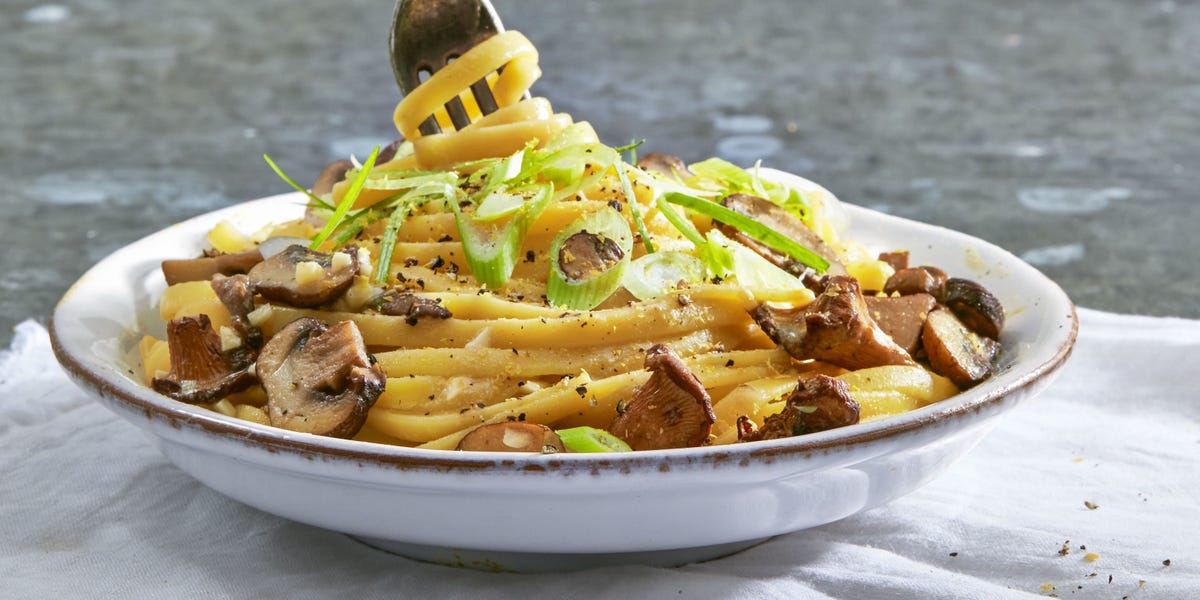
Some pasta dishes politely ask for a place in your weekly dinner rotation. This creamy vegan linguine with wild mushrooms kicks down the kitchen door, twirls dramatically, and announces that dairy was never invited. Silky cashew sauce clings to every strand of linguine, while deeply browned mushrooms bring woodsy flavor, crisp edges, and enough savory personality to make a block of Parmesan feel slightly nervous.
Despite its restaurant-worthy appearance, this vegan mushroom pasta is practical enough for a weeknight. The sauce comes together in a blender, the mushrooms cook in one large skillet, and the pasta finishes directly in that sauce. The entire recipe takes about 45 minutes, including the time required to convince yourself not to eat all the crispy mushrooms straight from the pan.
The result is rich without being heavy, creamy without dairy, and elegant without requiring tweezers, foam, or any other suspicious fine-dining equipment.
Why This Creamy Vegan Linguine Works
The best creamy mushroom pasta relies on contrast. The sauce should be smooth, but the mushrooms should have browned edges. The linguine should be tender, but still retain a slight bite. Rich cashews and olive oil need brightness from lemon, while earthy mushrooms benefit from garlic, thyme, black pepper, and a small spoonful of white miso.
Using several mushroom varieties also creates more interesting flavor and texture. Shiitakes are firm and savory, oyster mushrooms become tender around the stems and crisp along their delicate edges, and maitake mushrooms develop wonderfully frilly browned tips. Cremini mushrooms are less glamorous but highly dependable, making them the sensible friend who remembered to bring an umbrella. Culinary guides consistently recommend mixing varieties and giving mushrooms enough space to brown rather than steam.
The dairy-free creaminess comes from blended cashews, nutritional yeast, miso, lemon, and water. Cashews have a mild flavor and become remarkably smooth when soaked and blended. Miso and nutritional yeast provide savory depth, while lemon prevents the sauce from tasting flat or excessively rich. Similar combinations are widely used in creamy plant-based pasta sauces because they produce body without relying on butter or heavy cream.
Ingredients for Vegan Wild Mushroom Linguine
This recipe makes four generous servings.
For the Creamy Vegan Sauce
- 3/4 cup raw, unsalted cashews
- 3/4 cup water, plus more as needed
- 2 tablespoons nutritional yeast
- 1 tablespoon white miso
- 1 tablespoon fresh lemon juice
- 1 teaspoon finely grated lemon zest
- 1/4 teaspoon freshly ground black pepper
For the Linguine and Mushrooms
- 12 ounces dried linguine
- 1 1/4 pounds mixed mushrooms, such as shiitake, oyster, maitake, cremini, or king trumpet
- 3 tablespoons extra-virgin olive oil, divided
- 1 large shallot, finely chopped
- 4 garlic cloves, thinly sliced or minced
- 1 teaspoon fresh thyme leaves
- 1/3 cup dry white wine or vegetable broth
- 1 to 1 1/2 cups reserved pasta cooking water
- 1/2 teaspoon kosher salt, plus more for the pasta water
- 1/4 teaspoon crushed red pepper flakes, optional
- 2 tablespoons chopped flat-leaf parsley
- Additional lemon juice and black pepper, to taste
- Vegan Parmesan or toasted breadcrumbs, for serving if desired
Choosing the Best Mushrooms
You do not need truly foraged mushrooms to make this recipe. Grocery stores and farmers markets often sell cultivated specialty varieties under labels such as “wild mushroom blend” or “chef’s mushroom mix.” These are ideal because they deliver the appearance and complexity of wild mushrooms without requiring you to wander into a forest holding a basket and an optimistic field guide.
Use any combination that looks fresh and firm. Oyster mushrooms provide delicate, almost silky pieces. Shiitakes offer a stronger umami flavor, though their tough stems should be removed. Maitake mushrooms break into feathery clusters that become especially crisp. King trumpet mushrooms are dense and pleasantly chewy. Cremini mushrooms add affordable bulk and reliable earthy flavor.
Do not cook personally foraged mushrooms unless an experienced identification expert has confirmed that they are safe to eat. Toxic mushrooms can resemble edible varieties, and cooking does not reliably neutralize mushroom toxins. Purchasing professionally grown mushrooms is the safest approach for this recipe.
How to Make Creamy Vegan Linguine with Wild Mushrooms
Step 1: Soak and Blend the Cashews
Place the cashews in a heatproof bowl and cover them with boiling water. Let them soak for 20 to 30 minutes, then drain thoroughly. An overnight soak in cool water also works, but that requires remembering tomorrow’s dinner today, which is an advanced organizational skill.
Add the drained cashews to a high-speed blender with 3/4 cup water, nutritional yeast, white miso, lemon juice, lemon zest, and black pepper. Blend for one to two minutes, stopping to scrape down the sides if necessary. The sauce should be completely smooth and pourable, with approximately the consistency of heavy cream. Add another tablespoon or two of water if it seems too thick.
Step 2: Prepare the Mushrooms
Wipe visible dirt from the mushrooms with a damp towel or soft brush. A quick rinse is acceptable when the mushrooms are especially dirty, but dry them well afterward so they can brown efficiently.
Slice dense mushrooms such as cremini, shiitake, and king trumpet. Tear oyster and maitake mushrooms into bite-size clusters with your hands. Irregular pieces are desirable because thin edges become crisp while thicker sections remain juicy.
Step 3: Brown the Mushrooms in Batches
Heat one tablespoon of olive oil in a wide skillet over medium-high heat. Add half of the mushrooms in a loose, even layer. Leave them undisturbed for two to three minutes, then turn and continue cooking until their moisture has evaporated and their surfaces are golden brown.
Transfer the first batch to a plate. Add another tablespoon of oil and repeat with the remaining mushrooms. Avoid crowding the skillet. When too many mushrooms are packed together, released moisture becomes trapped and the mushrooms simmer in their own liquid. Giving them breathing room encourages deeper browning and more concentrated flavor.
Season the cooked mushrooms with salt and black pepper. Set aside approximately one-quarter of them for garnishing the finished bowls.
Step 4: Build the Aromatic Base
Reduce the heat to medium and add the final tablespoon of olive oil. Add the shallot and cook for two to three minutes, stirring occasionally, until softened. Stir in the garlic, thyme, and optional red pepper flakes. Cook for approximately 30 seconds, just until fragrant.
Pour in the white wine or vegetable broth. Scrape the bottom of the skillet with a wooden spoon to release the browned mushroom bits. Let the liquid simmer until reduced by roughly half. Those browned bits are concentrated flavor, not evidence that the skillet has betrayed you.
Step 5: Cook the Linguine Until Very Al Dente
Meanwhile, bring a large pot of generously salted water to a boil. Add the linguine and cook it for approximately two minutes less than the package recommends. Before draining, carefully scoop out at least 1 1/2 cups of pasta cooking water.
The linguine will finish cooking in the skillet. This gives the noodles time to absorb the mushroom sauce without becoming soft or bloated.
Step 6: Create the Silky Mushroom Sauce
Add the drained linguine, cashew sauce, and 1/2 cup of reserved pasta water to the skillet. Toss continuously over medium-low heat for two to three minutes. Add more pasta water a few tablespoons at a time until the sauce becomes glossy and coats the noodles evenly.
Starchy pasta water is especially useful here because it loosens the cashew cream while helping the sauce cling to the linguine. Finishing slightly undercooked pasta in its sauce is a standard technique for producing a more unified, glossy dish rather than a pile of noodles wearing sauce like an ill-fitting raincoat.
Fold most of the mushrooms into the pasta. Remove the skillet from the heat and add the parsley. Taste and adjust with salt, black pepper, or another squeeze of lemon juice.
Step 7: Serve Immediately
Divide the creamy vegan linguine among warm bowls. Top each serving with the reserved crispy mushrooms, more parsley, cracked black pepper, and vegan Parmesan or toasted breadcrumbs.
A tiny drizzle of truffle oil can be added, but use restraint. Truffle oil is the loud guest at the dinner party: a little can make things exciting, while too much spends the evening interrupting everyone.
Tips for Restaurant-Quality Vegan Mushroom Pasta
Use a Wide Skillet
A broad cooking surface allows moisture to evaporate quickly. A small saucepan traps steam and makes browning more difficult.
Let the Mushrooms Sit
Constant stirring prevents the mushrooms from maintaining contact with the hot skillet. Give them time to form a browned crust before turning them.
Reserve More Pasta Water Than You Think You Need
Cashew sauce continues thickening as it stands. Extra pasta water lets you restore its silky consistency just before serving.
Add Lemon Gradually
Lemon should brighten the mushrooms, not turn dinner into mushroom lemonade. Start with the measured amount, taste the finished sauce, and add more only if needed.
Serve the Pasta Promptly
This dish is at its best immediately after tossing. The sauce remains edible as it cools, but it becomes noticeably thicker.
Easy Recipe Variations
Nut-Free Vegan Mushroom Linguine
Replace the cashews with one cup of drained cannellini beans. Blend the beans with 1/2 cup unsweetened oat milk or vegetable broth, miso, nutritional yeast, lemon, and black pepper. White beans create a creamy vegan sauce while giving the dish a slightly lighter finish. Beans are also used successfully as a dairy-free thickener in other creamy pasta recipes.
Gluten-Free Version
Use a sturdy gluten-free linguine made from brown rice, corn, or a rice-and-corn blend. Begin checking the pasta several minutes before the package’s suggested cooking time because gluten-free noodles can move rapidly from firm to fragile.
Extra-Green Mushroom Pasta
Fold in baby spinach, chopped kale, peas, or roasted asparagus during the final few minutes. Spinach wilts almost immediately, while kale should be sautéed with the shallot so it has time to soften.
More Intense Mushroom Flavor
Soak a small handful of dried porcini mushrooms in hot water for 15 minutes. Strain the soaking liquid through a fine filter, chop the softened mushrooms, and add both to the skillet. Reduce the amount of regular pasta water to account for the porcini liquid.
Smoky Mushroom Linguine
Add 1/4 teaspoon smoked paprika to the shallots and finish the pasta with toasted walnuts. The smoky seasoning and crunchy nuts make the dish feel even heartier.
What to Serve with Creamy Vegan Linguine
Because the pasta is rich and savory, the best side dishes provide freshness, acidity, or crunch. Serve it with a simple arugula salad dressed with lemon vinaigrette, roasted broccolini, garlicky green beans, or shaved fennel with herbs.
Crusty bread is excellent for collecting the last streaks of mushroom sauce. For a more substantial dinner, begin with tomato bruschetta, marinated white beans, or a light vegetable soup.
Storage and Reheating
Store leftover vegan mushroom linguine in an airtight container in the refrigerator for up to four days. The cashew sauce will thicken considerably as it cools.
Reheat the pasta gently in a covered skillet over low heat. Add a splash of water or unsweetened plant milk and toss frequently until the sauce loosens. Avoid blasting it in a dry pan over high heat, unless your culinary goal is linguine-shaped building material.
Freezing is not recommended. Cooked linguine can become soft after thawing, and the creamy sauce may lose its smooth consistency.
Kitchen Experience: What Making This Dish Teaches You
The First Lesson Is Patience
The first experience many cooks have with mushroom pasta is mildly confusing. The skillet begins with what looks like a mountain of mushrooms, yet a few minutes later that mountain has become a modest hill. Mushrooms release a great deal of moisture and shrink as they cook, so the large quantity in this recipe is intentional.
The temptation is to stir them every few seconds, especially when dinner smells good and patience feels unnecessarily formal. Leaving them alone is more productive. Once their liquid evaporates and their surfaces remain in contact with the skillet, pale mushrooms develop mahogany-colored edges and a deeper savory character. The difference between steamed mushrooms and properly browned mushrooms is the difference between “perfectly fine” and “Who made this?”
The Second Lesson Is That Sauce Consistency Changes Quickly
Freshly blended cashew sauce may look thinner than expected. That is usually a good thing. Once it reaches the skillet, it combines with starch from the pasta and begins thickening almost immediately. A sauce that starts as thick as mashed potatoes will become even denser, leaving the linguine sticky rather than silky.
The easiest approach is to keep reserved pasta water beside the stove and add it gradually. At first, the mixture may look loose. After a minute of tossing, it becomes glossy and begins wrapping around the noodles. This stage is less about following an exact liquid measurement and more about observing movement. When the linguine slides easily through the skillet and leaves a creamy trail rather than a dry gap, the consistency is right.
The Third Lesson Is to Taste for Balance
Mushrooms, miso, nutritional yeast, and cashews all contribute savory richness. Together, they can become almost too cozy. Lemon is what opens the windows.
Adding acidity at the end often transforms the pasta more dramatically than adding extra salt. A small squeeze sharpens the garlic, makes the herbs more noticeable, and keeps the sauce from feeling heavy. Black pepper has a similar balancing role, supplying gentle heat and aroma without covering the mushrooms.
This final tasting stage is where the dish becomes personal. Some cooks prefer more lemon, others want additional miso, and enthusiastic garlic supporters may decide that four cloves was merely a polite opening offer.
The Fourth Lesson Is That It Works for Guests
This creamy vegan linguine is particularly useful when feeding people with different eating preferences. It feels familiar enough for traditional pasta lovers, yet it contains no dairy, eggs, or meat when vegan linguine and vegan wine are used.
Most components can be prepared before guests arrive. The cashew sauce can be blended a day ahead, and the mushrooms can be cleaned and torn several hours in advance. When it is time to eat, brown the mushrooms, boil the pasta, and finish everything in the skillet.
Serve the pasta in a wide bowl with the crispiest mushrooms arranged on top. That final garnish makes the dish look intentional and elegant, even if the kitchen currently resembles a small mushroom-related weather event.
The Fifth Lesson Is to Protect the Crispy Topping
Reserving some mushrooms for garnish may seem like a decorative detail, but it changes the eating experience. Mushrooms folded into the sauce become tender and absorb its flavor. Mushrooms added at the end preserve their crisp edges.
Each forkful can therefore include creamy linguine, soft mushroom pieces, and a few browned fragments. This contrast keeps the dish interesting from the first bite to the last. It also explains why the reserved mushrooms should be placed somewhere safe while the pasta finishes. “Safe” generally means far away from anyone standing near the stove and claiming to perform quality control.
A Creamy Vegan Pasta Worth Repeating
Creamy vegan linguine with wild mushrooms proves that an indulgent pasta sauce does not need butter, cheese, or cream. Cashews create the velvety foundation, miso and nutritional yeast deepen the savory flavor, and lemon keeps every bite lively. The real stars, however, are the mushrooms: browned in batches, seasoned thoughtfully, and given enough space to become crisp rather than soggy.
Once the method becomes familiar, the recipe is easy to customize with greens, dried porcini, white beans, toasted nuts, or whichever specialty mushrooms look best at the market. Keep the skillet hot, the pasta water nearby, and at least a few crispy mushrooms hidden for the final garnish.
Note: This original article was developed through a synthesis of established cooking methods and recipe guidance from reputable U.S. culinary publications and food-safety resources, including Bon Appétit, Epicurious, Food Network, Serious Eats, Love & Lemons, Minimalist Baker, The Kitchn, EatingWell, The Washington Post, Martha Stewart, Allrecipes, the Mushroom Council, FDA, and Poison Control.

