
Makeup
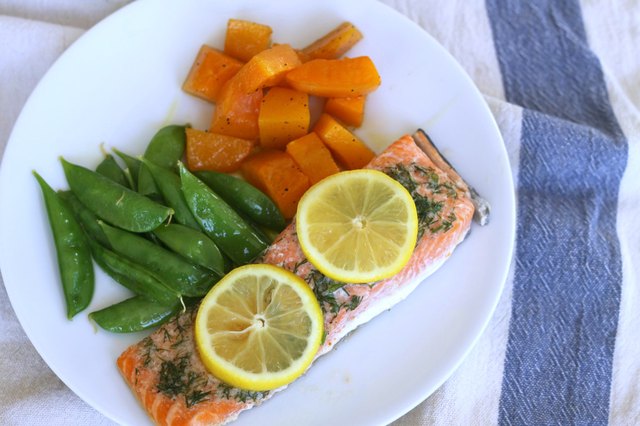
Sheet Pan Dinner: Salmon with Dill, Butternut Squash and Sugar Snap Peas
Aug
Some dinners are dramatic. They demand three pans, two cutting boards, a heroic amount of dish soap, and the emotional stamina of a restaurant line cook. Then there is the sheet pan dinner: calm, practical, and quietly brilliant. This sheet pan salmon with dill, butternut squash and sugar snap peas is the kind of meal that makes a weeknight feel organized even when your inbox, laundry pile, and refrigerator drawer are all telling a different story.
The beauty of this recipe is balance. Rich salmon gets a fresh lift from dill and lemon. Butternut squash brings sweetness, color, and a cozy roasted edge. Sugar snap peas add crunch, brightness, and a little “look at me, I’m green and responsible” energy. Everything cooks on one rimmed baking sheet, which means less cleanup, fewer moving parts, and more time to do something glamorous after dinner, such as not washing five pans.
This guide goes beyond a basic recipe. You will learn how to time each ingredient so the squash becomes tender, the salmon stays moist, and the snap peas remain crisp instead of turning into sad green shoelaces. You will also find seasoning ideas, storage tips, serving suggestions, and practical experience-based notes for making this easy salmon sheet pan dinner taste like something you meant to do on purpose.
Why This Sheet Pan Salmon Dinner Works So Well
A great sheet pan meal is not just food tossed onto metal with hope and olive oil. It is a tiny exercise in timing. The ingredients need to share oven space without all demanding the same cooking time. That is why this combination works beautifully.
Butternut squash needs a head start. Its dense texture benefits from direct heat, giving it caramelized edges and a creamy interior. Salmon fillets cook quickly, especially when they are about one inch thick. Add them too early and they become dry; add them at the right moment and they turn buttery, flaky, and deeply satisfying. Sugar snap peas need only a short roast. Their job is to stay sweet, crisp, and brightnot to audition for vegetable mush.
Dill ties the dish together. Its grassy, lemony flavor is a classic partner for salmon, but it also wakes up the sweetness of the squash and the freshness of the peas. Add lemon juice, garlic, olive oil, and a touch of Dijon mustard, and suddenly this dinner has personality. Not loud personality. More like “wears good shoes and knows where the serving spoons are” personality.
Ingredients for Salmon with Dill, Butternut Squash and Sugar Snap Peas
Main Ingredients
- 4 salmon fillets, about 5 to 6 ounces each
- 4 cups peeled and cubed butternut squash, cut into 3/4-inch pieces
- 2 cups sugar snap peas, strings removed if needed
- 2 tablespoons olive oil, divided
- 1 tablespoon fresh lemon juice
- 1 teaspoon lemon zest
- 2 tablespoons chopped fresh dill, plus more for serving
- 1 teaspoon Dijon mustard
- 2 garlic cloves, finely minced
- 1/2 teaspoon kosher salt, plus more to taste
- 1/4 teaspoon black pepper
- Optional: 1/4 teaspoon smoked paprika or crushed red pepper flakes
Optional Finishing Touches
- Lemon wedges
- A spoonful of Greek yogurt mixed with lemon and dill
- Toasted almonds or pumpkin seeds
- Cooked quinoa, rice, farro, or couscous
How to Make This Easy Sheet Pan Dinner
Step 1: Preheat and Prepare the Pan
Preheat the oven to 425°F. Line a large rimmed baking sheet with parchment paper or foil. A rimmed pan is important because olive oil and juices like to travel. A flat cookie sheet may technically work, but it also may betray you on the walk from counter to oven.
Step 2: Roast the Butternut Squash First
Place the cubed butternut squash on the baking sheet. Toss it with 1 tablespoon olive oil, a pinch of salt, black pepper, and smoked paprika if using. Spread the cubes into a single layer. Roast for 18 to 20 minutes, stirring once halfway through.
This first roast is the secret to the dish. Butternut squash needs time to soften and caramelize. If you add the salmon at the beginning, the fish will be overdone by the time the squash is tender. Giving the squash a head start is not fussy; it is culinary traffic control.
Step 3: Mix the Dill-Lemon Sauce
While the squash roasts, stir together the remaining 1 tablespoon olive oil, lemon juice, lemon zest, chopped dill, Dijon mustard, minced garlic, salt, and pepper. This mixture should smell fresh, sharp, and slightly bossy in the best possible way.
Dijon mustard helps the sauce cling to the salmon, while lemon brightens the richness of the fish. Garlic adds depth, and dill gives the whole dish that classic salmon-dinner aroma that says, “Yes, I know what I’m doing.” Even when dinner was planned exactly twelve minutes ago.
Step 4: Add the Salmon
Remove the pan from the oven. Push the squash slightly to the sides or into small sections to make room for the salmon fillets. Pat the salmon dry with paper towels, then place the fillets skin-side down if they have skin. Brush or spoon the dill-lemon sauce over the top of each fillet.
Return the pan to the oven and roast for 8 to 10 minutes, depending on the thickness of the salmon. For food safety, fish is commonly cooked to an internal temperature of 145°F. If you prefer a softer, restaurant-style texture, use an instant-read thermometer and remove the salmon when it is close to your preferred doneness, allowing carryover heat to finish the job. The fish should flake easily with a fork and look opaque rather than translucent.
Step 5: Add the Sugar Snap Peas
After the salmon has roasted for about 8 minutes, scatter the sugar snap peas around the pan. Toss them lightly with the pan juices or a tiny drizzle of olive oil. Roast for another 4 to 6 minutes, just until the peas are bright green and tender-crisp.
Sugar snap peas are not built for long roasting. They are cheerful little pods with standards. Give them a short burst of heat and they stay sweet and snappy. Overcook them and they lose their crunch, their color, and possibly their will to live.
Step 6: Finish and Serve
Remove the pan from the oven. Sprinkle everything with extra fresh dill and a squeeze of lemon juice. Taste the squash and peas, then add a little more salt or pepper if needed. Serve the salmon with the roasted vegetables as-is, or spoon everything over rice, quinoa, farro, or couscous for a heartier meal.
Best Tips for Perfect Sheet Pan Salmon
Cut the Squash Evenly
Evenly cut vegetables roast evenly. This may sound obvious, but butternut squash has a way of producing cubes, chunks, wedges, and one mysterious boulder if you are not paying attention. Aim for 3/4-inch cubes. Smaller pieces may burn before the salmon is ready; larger pieces may stay firm in the center.
Use a Large Enough Pan
Crowding is the enemy of roasting. If the ingredients are piled on top of one another, they steam instead of caramelize. Use a large half-sheet pan if possible. If your pan is small, divide the recipe between two pans. More space means better browning, better texture, and fewer vegetables sulking in their own moisture.
Pat the Salmon Dry
Moisture on the surface of salmon can interfere with browning and dilute the seasoning. A quick pat with paper towels helps the dill-lemon mixture stick and gives the finished fish a cleaner texture.
Do Not Add the Peas Too Early
Sugar snap peas cook fast. Add them near the end so they retain their color and crunch. This small timing detail makes the dinner feel fresh instead of heavy.
Flavor Variations
Honey-Dill Salmon
Add 1 teaspoon honey to the dill-lemon sauce. The sweetness plays nicely with the squash and gives the salmon a glossy finish.
Garlic Herb Salmon
Add chopped parsley, chives, or thyme along with the dill. This version is excellent when you want a more garden-fresh flavor.
Spicy Sheet Pan Salmon
Add crushed red pepper flakes, a pinch of cayenne, or a small spoonful of chili crisp before serving. The heat balances the natural sweetness of the butternut squash.
Mediterranean Style
Finish the dish with crumbled feta, olives, and a little extra lemon zest. Serve it over couscous or quinoa for a bright, satisfying bowl.
What to Serve with This Salmon Sheet Pan Dinner
This recipe can stand alone as a complete meal, but it also welcomes a simple side. For a lighter dinner, serve it with a crisp green salad. For a more filling plate, add brown rice, wild rice, quinoa, barley, or roasted baby potatoes. A lemony yogurt sauce also works beautifully: stir Greek yogurt with lemon juice, chopped dill, salt, pepper, and a tiny splash of water until spoonable.
If you are serving guests, place the salmon fillets on a platter with the squash and snap peas arranged around them. Add lemon wedges and fresh dill on top. It will look elegant, even though the oven did most of the labor and you barely had to negotiate with a saucepan.
Storage and Meal Prep Tips
Leftover salmon can be stored in an airtight container in the refrigerator for up to 2 days. Reheat gently at a low temperature, or enjoy it cold over salad. Salmon can dry out when reheated aggressively, so avoid blasting it in the microwave unless you enjoy turning a beautiful dinner into office-kitchen folklore.
The butternut squash stores well and can be reheated separately. Sugar snap peas are best fresh, but leftovers can still be chopped into grain bowls or salads. For meal prep, cube the squash up to two days ahead, trim the snap peas, and mix the dill-lemon sauce in advance. Store everything separately until ready to cook.
Nutrition Notes
This dinner brings together protein, healthy fats, fiber-rich vegetables, and vibrant herbs. Salmon is known for its omega-3 fatty acids, while butternut squash contributes complex carbohydrates, color, and natural sweetness. Sugar snap peas add crunch and freshness without weighing the meal down. Olive oil provides richness, and lemon juice keeps the dish bright.
As always, nutrition depends on portion size, exact ingredients, and what you serve on the side. But compared with many takeout options, this healthy sheet pan salmon dinner gives you big flavor, minimal cleanup, and ingredients you can actually recognize without needing a decoder ring.
Common Mistakes to Avoid
Starting Everything at the Same Time
Salmon, squash, and snap peas do not cook at the same speed. Layering the cooking process is the key to success. Squash first, salmon second, peas last. Remember that order and you are already halfway to dinner victory.
Using Wet Salmon
Excess moisture weakens flavor and texture. Pat the fillets dry before seasoning. This tiny step makes a noticeable difference.
Forgetting the Acid
Salmon is rich, butternut squash is sweet, and olive oil is smooth. Lemon juice cuts through all of that and keeps the meal lively. Do not skip it.
Overcrowding the Pan
When ingredients are crowded, they steam. When they have space, they roast. Give the vegetables room and they will reward you with caramelized edges instead of watery disappointment.
A Practical Weeknight Cooking Experience
The first time you make this sheet pan dinner, the main thing you notice is how civilized it feels. There is no frantic stirring, no juggling three burners, no tiny saucepan of sauce threatening to reduce itself into glue while you answer a text. You prep, you roast in stages, and dinner slowly comes together while the kitchen smells like lemon, dill, and roasted squash.
Butternut squash is often the ingredient that makes people hesitate. It looks like a vegetable wearing armor. The trick is to use a sharp knife, trim both ends, peel it with a sturdy vegetable peeler, and cut it into manageable sections before cubing. If that sounds like more commitment than you have on a Tuesday, pre-cut squash is perfectly acceptable. This is dinner, not a wilderness survival badge.
The salmon is the easy part, especially if you buy center-cut fillets of similar thickness. Similar size means similar cooking time. If one fillet is much thinner than the others, tuck its narrow end under slightly or check it early. Salmon rewards attention. It does not need fussing, but it appreciates not being abandoned like a forgotten browser tab.
The sugar snap peas bring the fun. Add them near the end and they keep their sweetness and crunch. Their bright green color makes the entire pan look fresher, which is helpful because roasted squash and salmon, while delicious, live in the warm orange-pink color family. The peas walk in wearing green and suddenly the plate has contrast.
One of the best practical lessons with this recipe is that the sauce does not need to be complicated. Lemon, dill, garlic, Dijon, olive oil, salt, and pepper are enough. The Dijon gives the mixture body, the garlic adds savory depth, and dill makes the salmon taste clean and classic. If you want more richness, add a small pat of butter on top of each fillet during the final minutes of roasting. If you want more brightness, finish with extra lemon zest.
This dish also teaches the value of restraint. A sheet pan dinner can become chaotic if you treat it like a refrigerator cleanout challenge. Salmon, squash, and snap peas already have different textures and flavors. You do not need twelve extra vegetables, three cheeses, and a surprise handful of raisins. Keep the core simple, then add one finishing element if you want: toasted seeds for crunch, yogurt sauce for creaminess, or chili flakes for heat.
Cleanup is where the recipe truly earns loyalty. Parchment paper catches most of the sticky roasted bits, and the pan usually needs only a quick wash. That matters on busy nights. A recipe can be healthy, flavorful, and beautiful, but if it leaves the kitchen looking like a cooking show lost a bar fight, it will not become a regular. This one behaves itself.
The leftovers are also useful. Flaked cold salmon over greens makes a great lunch. Roasted squash can go into grain bowls, wraps, or omelets. Snap peas are best fresh, but even leftover peas can be sliced and tossed into a salad. In other words, the dinner does not end when the plates are cleared. It quietly helps tomorrow-you, who will be grateful and possibly still under-caffeinated.
Conclusion
Sheet Pan Dinner: Salmon with Dill, Butternut Squash and Sugar Snap Peas is the kind of recipe that proves easy cooking does not have to be boring. With smart timing, simple ingredients, and one dependable baking sheet, you get tender salmon, caramelized squash, and crisp-tender snap peas in a meal that feels fresh, colorful, and weeknight-friendly.
The dill-lemon sauce keeps the salmon bright, the squash adds cozy sweetness, and the snap peas provide that satisfying crunch every good dinner needs. Whether you serve it straight from the pan, over grains, or with a quick yogurt sauce, this recipe is flexible enough for a family dinner and polished enough for guests. Best of all, cleanup is mercifully short. That alone deserves applause, or at least a second squeeze of lemon.
Note: This article is original, written in standard American English, and synthesized from reputable U.S. cooking, nutrition, and food-safety guidance without inserting source links or citation placeholders.

