
Hair Care
Best Medication for Nail Fungus: Types and Benefits
Aug
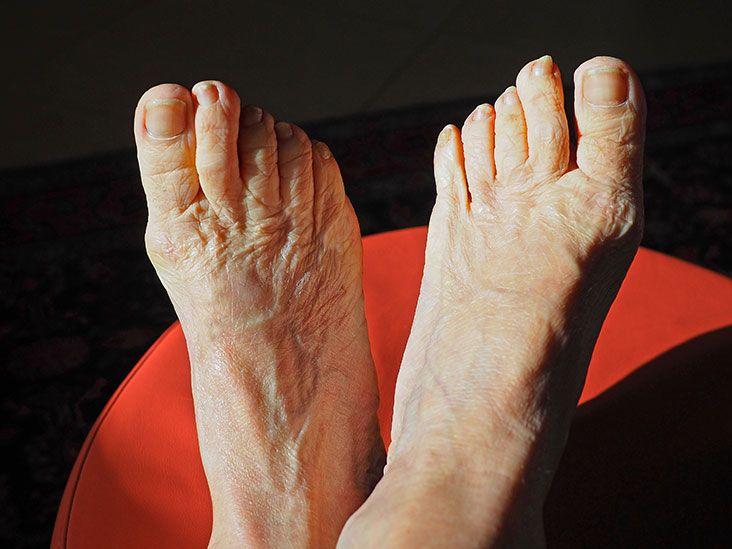
Nail fungus is not exactly the glamorous dinner-table topic anyone hopes to bring up between the salad and dessert. Still, if one of your toenails has turned yellow, thick, crumbly, or oddly shaped, you are not alone. Fungal nail infection, also called onychomycosis or tinea unguium, is common, stubborn, and annoyingly patient. It moves slowly, hides under the nail, and refuses to leave just because you bought new sandals.
The good news is that nail fungus can be treated. The less convenient news is that treatment takes time because nails grow slowly. A medication may kill or suppress the fungus long before the nail looks normal again. That means the real victory often appears gradually, as a healthy nail grows out and replaces the damaged part. Think of it less like flipping a light switch and more like waiting for a tiny keratin lawn to regrow.
So, what is the best medication for nail fungus? For many confirmed toenail fungal infections caused by dermatophytes, oral terbinafine is often considered a leading option because it tends to work better than topical treatments. However, “best” depends on the severity of the infection, the type of fungus, your liver health, other medications you take, pregnancy status, cost, and how patient you are with daily treatment. Topical medications such as efinaconazole, tavaborole, and ciclopirox can be useful for mild to moderate cases or for people who should avoid oral antifungal pills.
This guide explains the main types of nail fungus medication, their benefits, limitations, and practical tips that make treatment more likely to succeed.
What Is Nail Fungus?
Nail fungus is an infection that affects the nail plate, nail bed, or surrounding nail tissue. It most often affects toenails because shoes create the kind of warm, damp environment fungi adore. If fungi had a vacation brochure, it would probably feature sweaty sneakers, public locker rooms, and neglected nail clippers.
Common signs of nail fungus include:
- Yellow, white, brown, or greenish nail discoloration
- Thickened or brittle nails
- Crumbly edges
- Nail lifting from the nail bed
- Distorted nail shape
- Debris collecting under the nail
- Mild discomfort when wearing shoes
Toenail fungus is more common than fingernail fungus, but either can happen. Risk factors include aging, athlete’s foot, diabetes, poor circulation, nail trauma, sweaty feet, tight shoes, communal showers, immune system problems, and sharing nail tools.
Why Diagnosis Matters Before Choosing Medication
Before treating nail fungus, it is smart to confirm that fungus is actually the problem. Several conditions can imitate fungal nails, including psoriasis, eczema, trauma from shoes, aging-related nail thickening, bacterial infection, and even repeated nail polish damage. Treating a non-fungal nail problem with antifungal medicine is like sending a plumber to fix your Wi-Fi. Very confident, very useless.
A healthcare provider may diagnose nail fungus by examining the nail and taking a clipping or scraping for testing. Common tests include potassium hydroxide preparation, fungal culture, pathology staining, or molecular testing. Testing helps identify whether the infection is caused by dermatophytes, yeast, or non-dermatophyte molds. This matters because some medications work better for certain fungi than others.
Best Medication for Nail Fungus: The Main Options
Nail fungus medications fall into two broad categories: oral antifungal medications and topical antifungal medications. Oral treatments travel through the bloodstream and reach the nail from within. Topical treatments are applied directly to the nail and surrounding area. Oral medications usually have higher cure rates, while topical medications generally have fewer whole-body side effects.
1. Oral Terbinafine
Terbinafine, often known by the brand name Lamisil, is one of the most commonly prescribed medications for toenail fungus. It works by interfering with fungal cell membrane production, making it hard for the fungus to survive. For adults, a typical course is 250 mg daily for 12 weeks for toenail fungus and 6 weeks for fingernail fungus, though the exact plan should come from a healthcare provider.
Benefits of terbinafine:
- Often considered a first-choice oral treatment for many dermatophyte nail infections
- Usually more effective than topical-only therapy
- Generic versions are widely available
- Shorter treatment course than many topical medications
- Useful when the infection is deeper, thicker, or affects multiple nails
Terbinafine is not right for everyone. It can rarely cause liver problems, so clinicians may order liver function tests before or during treatment. It can also interact with some medications and may cause side effects such as stomach upset, headache, rash, changes in taste, or changes in smell. Anyone with liver disease should discuss safer alternatives with a clinician.
2. Oral Itraconazole
Itraconazole, also known by the brand name Sporanox, is another oral antifungal medication used for nail fungus. It belongs to the azole antifungal family and works by disrupting fungal cell membranes. Itraconazole may be used as continuous therapy or pulse therapy, depending on the infection and the prescriber’s judgment.
Benefits of itraconazole:
- Can treat certain fungal organisms that may not respond well to other options
- May be useful for fingernail infections and some yeast-related nail infections
- Pulse dosing may be an option for selected patients
- Provides systemic treatment for infections beyond the nail surface
Itraconazole has important safety considerations. It can interact with many drugs and may not be appropriate for people with certain heart conditions, liver problems, or pregnancy-related concerns. Because it can affect drug metabolism, patients should give their clinician and pharmacist a complete medication list before starting it. “Complete” means everything: prescriptions, supplements, over-the-counter products, and that mystery bottle in the kitchen cabinet with the faded label.
3. Oral Fluconazole
Fluconazole, known by the brand name Diflucan, is sometimes used off-label for nail fungus. It is not usually the first medication chosen for typical toenail dermatophyte infection, but it may be considered in certain cases, especially when other medications are not suitable.
Benefits of fluconazole:
- May be useful for selected yeast-related infections
- Often taken weekly in some treatment plans
- Can be an alternative when terbinafine or itraconazole is not appropriate
Like other oral antifungals, fluconazole can interact with medications and may affect the liver. It should be used under medical supervision, especially for long treatment periods.
4. Efinaconazole Topical Solution
Efinaconazole 10% topical solution, sold under the brand name Jublia, is a prescription topical treatment for toenail fungus. It is applied directly to the affected nail, surrounding folds, and underside of the nail tip when accessible. Treatment usually requires daily use for about 48 weeks.
Benefits of efinaconazole:
- Topical option with fewer systemic risks than oral antifungals
- Useful for mild to moderate toenail fungus
- May be appropriate for people who cannot take oral antifungal pills
- Does not require liver monitoring in the same way oral antifungals often do
The main drawback is patience. Efinaconazole must be used consistently for many months. It may cause local side effects such as irritation, redness, itching, ingrown toenail, or application-site discomfort. It also tends to be more expensive than older topical options, depending on insurance coverage.
5. Tavaborole Topical Solution
Tavaborole 5% topical solution, known by the brand name Kerydin, is another prescription topical medication for toenail fungus. It works by blocking fungal protein synthesis. Like efinaconazole, it is usually applied daily for 48 weeks.
Benefits of tavaborole:
- Good option for mild to moderate toenail fungal infections
- Lower risk of systemic side effects compared with oral medication
- Simple once-daily application
- May be used when oral antifungals are not a good fit
Tavaborole requires consistency. Missing applications may reduce the chance of success. Possible side effects include peeling, redness, itching, swelling, and irritation around the treated nail. As with other topical nail fungus treatments, the nail may not look dramatically better for months.
6. Ciclopirox Nail Lacquer
Ciclopirox 8% nail lacquer, often associated with the brand name Penlac, is a prescription topical antifungal applied like nail polish. It is used daily and usually requires periodic removal of built-up lacquer. Professional trimming or debridement may improve results by helping the medication reach the infected area.
Benefits of ciclopirox:
- Older, familiar topical treatment
- Generally low systemic risk
- May be useful for mild infections without deep nail involvement
- Can be a reasonable choice when oral therapy is not preferred
Ciclopirox is typically less effective than oral antifungal medication and may be less effective than newer topical solutions. Still, it can help selected patients, especially when the infection is limited and the nail is regularly trimmed or thinned.
Medication Comparison Table
| Medication | Type | Best For | Main Benefit | Main Limitation |
|---|---|---|---|---|
| Terbinafine | Oral tablet | Moderate to severe dermatophyte toenail fungus | Often highly effective and widely available | Possible liver concerns and drug interactions |
| Itraconazole | Oral capsule or solution | Selected fungal types, some fingernail cases | Broad antifungal activity | Many medication interactions |
| Fluconazole | Oral tablet | Selected cases when other options are unsuitable | Alternative oral option | Often off-label for nail fungus |
| Efinaconazole | Topical solution | Mild to moderate toenail fungus | Lower systemic risk | Daily use for many months |
| Tavaborole | Topical solution | Mild to moderate toenail fungus | Simple topical treatment | Requires long-term consistency |
| Ciclopirox | Topical lacquer | Mild infections or oral-medication avoidance | Low systemic exposure | Lower cure rates than oral therapy |
Which Nail Fungus Medication Works Fastest?
Here is the honest answer: none of them work visually fast. Oral terbinafine may begin killing the fungus within weeks, but the infected nail still has to grow out. Fingernails may improve faster because they grow more quickly. Toenails are the slow walkers of the nail world. A full healthy toenail can take 12 to 18 months to grow out completely.
Topical treatments usually take even longer because they must penetrate the nail from the outside. They can be helpful, but they are not a quick cosmetic fix. Anyone promising a “clear nail in seven days” is likely selling hope in a shiny bottle.
When Topical Medication May Be Better
Topical nail fungus medication may be preferred when:
- The infection affects only part of one or two nails
- The nail matrix is not involved
- The patient has liver disease or medication interactions
- The patient wants to avoid oral antifungal risks
- The infection is mild and caught early
- The person is pregnant, breastfeeding, or medically complex and needs a safer plan
Topicals work best when paired with good nail care. Trimming the nail, thinning thick areas, treating athlete’s foot, and keeping feet dry can make a real difference. Medication is the star, but foot hygiene is the supporting actor that keeps stealing scenes.
When Oral Medication May Be Better
Oral antifungal medication may be considered when:
- Several nails are infected
- The infection is moderate to severe
- The nail is thick, crumbly, or lifting
- Topical treatment has failed
- The infection reaches deeper nail structures
- The patient wants a treatment with a higher chance of clearing the fungus
Because oral antifungals can have side effects and interactions, they should be prescribed after reviewing medical history. Blood tests may be recommended, especially for liver function. Patients should report symptoms such as dark urine, yellowing skin or eyes, severe fatigue, persistent nausea, rash, or unusual taste changes.
Do Over-the-Counter Treatments Cure Nail Fungus?
Over-the-counter antifungal creams, sprays, and powders can help athlete’s foot, which often travels with toenail fungus like an unwanted plus-one. However, most nonprescription products do not penetrate the nail deeply enough to cure established onychomycosis. They may improve surrounding skin and reduce reinfection risk, but severe nail fungus usually needs prescription treatment.
Some people try tea tree oil, vinegar soaks, mentholated ointment, or mouthwash soaks. These home remedies may make nails look or smell better, and some have limited antifungal properties in laboratory settings. But they are not considered reliable cures for confirmed nail fungus. If the nail is painful, spreading, diabetic, or severely thickened, skip the home chemistry lab and call a clinician.
How to Improve Treatment Results
Keep Nails Trimmed and Thin
Thick nails block topical medication. Regular trimming and professional debridement can help reduce fungal burden and improve penetration. Do not dig aggressively under the nail, especially if you have diabetes or poor circulation.
Treat Athlete’s Foot at the Same Time
Untreated athlete’s foot can reinfect the nail. If the skin between the toes is peeling, itchy, or scaly, ask about antifungal cream or powder. Treating only the nail while ignoring the surrounding skin is like cleaning the kitchen but leaving the trash open.
Disinfect Nail Tools
Clean clippers, files, and scissors after use. Avoid sharing nail tools. If you visit a salon, choose one that follows proper sterilization practices, or bring your own tools.
Keep Feet Dry
Change socks daily, rotate shoes, use breathable footwear, and dry between the toes after bathing. Antifungal powder may help people with sweaty feet.
Be Consistent
Nail fungus treatment fails when people stop too soon. The nail may still look ugly after the fungus is controlled because the damaged part has not grown out yet. Consistency is boring, but fungus hates boring consistency.
Who Should See a Doctor Quickly?
Anyone can ask a healthcare provider about nail fungus, but some people should not delay. See a clinician promptly if you have diabetes, poor circulation, immune system suppression, spreading redness, swelling, pain, pus, fever, or a nail that is lifting significantly. Nail fungus may seem minor, but in high-risk patients, foot infections can become serious.
Personal-Style Experiences and Practical Lessons About Nail Fungus Treatment
People often underestimate nail fungus because it usually starts quietly. One tiny yellow corner appears, and the first reaction is usually, “Maybe I bumped it.” Then months pass, the nail thickens, and suddenly the toe looks like it has been attending villain school. The most common experience is not pain; it is frustration. Nail fungus is slow to arrive, slow to leave, and very good at testing human patience.
A practical lesson many patients learn is that the “best medication” is not always the strongest one on paper. It is the treatment that matches the person’s health situation and that the person can actually follow. Oral terbinafine may be a strong option for many people, but it is not ideal for someone with liver disease or certain drug interactions. A topical medication may have lower cure rates, but it may be safer and more realistic for someone who cannot take pills. In real life, the best plan is not just about biology. It is also about routine, cost, safety, and whether the bottle ends up in the bathroom cabinet graveyard after week three.
Another experience people mention is the emotional roller coaster of waiting. During treatment, the nail may look unchanged for weeks. This does not always mean failure. Healthy nail growth begins near the base and slowly pushes the damaged nail forward. Taking monthly photos can help because daily staring makes progress invisible. It is the same reason you do not notice a plant growing if you glare at it every morning with suspicion.
Many people also discover that shoes matter. Tight footwear can repeatedly injure the nail, creating space for fungus to persist. Old shoes may also harbor fungal spores. Rotating shoes, wearing moisture-wicking socks, and treating sweaty feet can support medication. This is especially important for runners, gym users, people who wear work boots, and anyone whose feet spend the day in a private sauna.
Cost is another real-world issue. Some topical prescriptions can be expensive, especially without insurance coverage. Patients may need to ask about generics, coupons, prior authorization, or alternative medications. It is perfectly reasonable to tell a clinician, “I need a treatment I can afford.” A medication that works in theory but costs more than your grocery bill may not be the best practical choice.
Finally, recurrence happens. Even successful treatment does not create lifetime immunity. Fungus can return if athlete’s foot is untreated, shoes remain damp, or nails are repeatedly injured. The long-term win comes from combining medication with prevention: dry feet, clean tools, breathable shoes, treated skin fungus, and early attention when a nail starts changing again. Nail fungus may be stubborn, but a consistent routine is more stubborn. And in this oddly specific battle, stubbornness is a virtue.
Conclusion
The best medication for nail fungus depends on the infection and the person. For many confirmed toenail fungal infections, oral terbinafine is often a leading choice because it tends to be more effective than topical treatment. Itraconazole and fluconazole may be useful in selected cases. Topical medications such as efinaconazole, tavaborole, and ciclopirox offer lower systemic risk and can help mild to moderate infections, especially when oral medication is not appropriate.
The smartest approach is to confirm the diagnosis, choose medication based on severity and health history, and commit to the full treatment plan. Nail fungus is not defeated by panic buying three creams at midnight. It is defeated by the right medication, steady nail care, dry feet, and patience.
Medical note: This article is for educational purposes only and should not replace medical advice. Always consult a qualified healthcare provider before starting prescription antifungal medication, especially if you have liver disease, diabetes, circulation problems, immune system issues, are pregnant, or take other medications.

