
Beauty Tools & Accessories
13 Cholesterol-Lowering Foods to Add to Your Diet Today
Aug
When you hear “high cholesterol,” your brain may immediately picture a sad bowl of plain oatmeal staring back at you from across the breakfast table. Good news: lowering cholesterol does not require a lifetime sentence of bland food and joyless chewing. A heart-friendly diet can include creamy avocado, crunchy nuts, comforting beans, colorful fruit, and even a well-seasoned piece of salmon.
The goal is not to find one magical food that karate-chops your LDL cholesterol into submission. It is to build an eating pattern that adds more soluble fiber, replaces saturated fats with unsaturated fats, and makes plant-based meals feel less like a punishment and more like dinner. These 13 cholesterol-lowering foods can help support healthier LDL levels while keeping your meals satisfying, practical, and delicious.
How Food Helps Lower Cholesterol
Most cholesterol-lowering foods work in one of three ways. First, foods rich in soluble fiber can help reduce the amount of cholesterol absorbed in the digestive tract. Second, foods rich in unsaturated fats can replace saturated-fat-heavy choices such as butter, fatty meats, and full-fat dairy. Third, foods containing plant sterols and stanols can interfere with cholesterol absorption.
The biggest win usually comes from substitution. Adding walnuts to a diet full of bacon cheeseburgers is not a magical loophole in the laws of nutrition. But swapping butter for olive oil, replacing some red meat with beans or fish, and making oatmeal or barley part of your routine can create a much more cholesterol-friendly pattern over time.
13 Cholesterol-Lowering Foods Worth Putting on Your Plate
1. Oats and Oat Bran
Oats are the celebrity spokesperson of cholesterol-lowering breakfasts, and for once, the hype is fairly deserved. They contain beta-glucan, a type of soluble fiber that forms a gel-like texture in the digestive system and helps reduce cholesterol absorption. That may sound less glamorous than a smoothie bowl photographed near a window, but your LDL cholesterol does not care about lighting.
Try old-fashioned oats, steel-cut oats, oat bran, or unsweetened overnight oats. Top them with berries, chopped walnuts, cinnamon, and a spoonful of plain yogurt. Skip the versions that arrive with enough added sugar to qualify as dessert wearing a breakfast costume.
2. Barley and Other Whole Grains
Barley deserves more attention than it gets. It has a pleasantly chewy texture, works beautifully in soups and grain bowls, and provides soluble fiber similar to oats. Other whole grains, including quinoa, brown rice, whole-grain farro, and whole-wheat pasta, can also help improve the overall fiber quality of your diet.
Use barley in vegetable soup, toss it into a cold salad with herbs and lemon, or serve it under roasted chicken or tofu. The goal is not to ban every white-carb food from your kitchen. It is to make whole grains your more frequent default.
3. Beans, Lentils, and Chickpeas
Beans are among the most useful cholesterol-lowering foods because they bring soluble fiber, plant protein, and staying power to the table. They are affordable, versatile, and capable of making a meal feel substantial without relying on large portions of fatty meat.
Black beans work in tacos and grain bowls. Lentils are excellent in soups, curries, and pasta sauces. Chickpeas can become hummus, crispy roasted snacks, or the foundation of a hearty salad. Canned beans are perfectly fine; rinse them first to reduce some of the sodium. Your pantry may become more powerful than your takeout app.
4. Apples, Citrus Fruits, and Berries
Fruit earns its cholesterol-friendly reputation partly through soluble fiber, including pectin. Apples, oranges, grapefruit, berries, grapes, and pears are all easy ways to add fiber without making your meals feel overly complicated.
Keep fruit visible and convenient. Put apples on the counter, washed berries at eye level in the refrigerator, and oranges near your work bag. A snack that is easy to grab is far more likely to win against a vending machine muffin with the emotional depth of drywall.
5. Eggplant and Okra
Eggplant and okra may not have the social-media popularity of avocado toast, but both contain soluble fiber and fit naturally into a cholesterol-lowering eating pattern. Eggplant absorbs flavor like a champion, which makes it ideal for roasted dishes, tomato sauces, grilled sandwiches, and Mediterranean-style meals.
Okra can be added to stews, gumbo, curries, and skillet dishes. If you have only experienced slimy boiled okra, do not give up yet. Try roasting it at high heat with olive oil, garlic, and paprika. It can be surprisingly crisp, flavorful, and far less mysterious.
6. Nuts
Almonds, walnuts, pistachios, pecans, peanuts, and cashews contain unsaturated fats, fiber, plant protein, and other nutrients that support heart health. Nuts are calorie-dense, so think of them as a strategic snack rather than an all-you-can-eat movie companion.
A small handful of unsalted nuts can replace chips, cookies, or processed snack foods. Sprinkle walnuts over oatmeal, add sliced almonds to salads, or keep portioned containers in your desk drawer. Just remember that “a handful” is a serving, while “the entire bag during a three-hour streaming marathon” is a different nutritional category.
7. Chia Seeds and Ground Flaxseed
Chia seeds and ground flaxseed are small but mighty sources of fiber and plant-based omega-3 fats. They are especially useful for people who want a simple way to add more fiber to breakfast, smoothies, yogurt, or baked goods.
Stir ground flaxseed into oatmeal, mix chia seeds into overnight oats, or blend either into a smoothie. Start slowly if your diet is currently low in fiber, and drink plenty of water. Your digestive system appreciates gradual upgrades more than surprise renovations.
8. Avocados
Avocados offer monounsaturated fats, fiber, and a creamy texture that can replace less heart-friendly spreads and toppings. They are not magic green butter, but they can be a smart swap for mayonnaise, cheese-heavy sauces, or processed sandwich spreads.
Try avocado on whole-grain toast, in bean salads, mashed into a sandwich spread, or sliced over tacos. Pairing avocado with fiber-rich foods such as beans, whole grains, and vegetables creates a meal that feels indulgent without leaning heavily on saturated fat.
9. Olive Oil and Other Liquid Vegetable Oils
Replacing butter, lard, shortening, and creamy sauces with liquid vegetable oils can be one of the most practical cholesterol-lowering changes you make. Olive oil, canola oil, sunflower oil, and safflower oil contain unsaturated fats that are more heart-friendly when used in place of saturated fats.
Use olive oil for salad dressings, roasted vegetables, sautéed greens, and marinades. Use canola oil when you need a neutral flavor for baking or cooking. The key word is replace. Pouring olive oil over a butter-drenched meal may be delicious, but it is not exactly the plot twist your LDL cholesterol was hoping for.
10. Soy Foods
Tofu, tempeh, edamame, soy milk, and soybeans can support a cholesterol-lowering diet, especially when they replace higher-saturated-fat animal proteins. Soy itself may have a modest effect on LDL cholesterol, but its biggest strength is that it gives you a flexible, protein-rich alternative to fatty meats.
Try crispy baked tofu in stir-fries, edamame in salads, tempeh in grain bowls, or unsweetened soy milk in oatmeal. Choose minimally sweetened options whenever possible, because a heart-healthy food does not need to arrive disguised as a milkshake.
11. Fatty Fish
Salmon, sardines, trout, herring, and mackerel are rich in omega-3 fats. Omega-3s are especially known for helping lower triglycerides, another type of blood fat that matters for cardiovascular health. Fatty fish is also valuable because it can replace processed meat, fatty red meat, or fried foods in your weekly routine.
Aim for fish prepared in heart-friendly ways: baked, grilled, broiled, air-fried, or gently pan-seared in olive oil. Salmon with roasted vegetables and barley is a far more useful cholesterol strategy than “fried fish basket with mystery sauce and a side of regret.”
12. Foods Fortified With Plant Sterols or Stanols
Plant sterols and stanols are naturally occurring compounds found in plants. Some foods, including certain spreads, yogurts, milks, and juices, are fortified with extra plant sterols or stanols to help reduce cholesterol absorption.
These products can be useful for some people, but they are not mandatory. Read labels carefully, watch portions, and choose products that fit into an overall heart-healthy diet. A sterol-fortified spread is still a spread, not a free pass to build a butter sculpture on your baked potato.
13. Psyllium Husk and Psyllium-Rich Foods
Psyllium is a concentrated source of soluble fiber often found in fiber cereals, powders, and certain supplements. It can be helpful for people who struggle to get enough soluble fiber from food alone, though whole foods should still do most of the heavy lifting.
Use psyllium exactly as directed and drink adequate water. If you take medications or have digestive conditions, ask a clinician or pharmacist before making it part of your routine, since fiber supplements may affect how some medications are absorbed.
How to Build a Cholesterol-Lowering Day of Eating
Instead of trying to eat all 13 foods before noon like a wellness-themed game show, spread them across your day. Start with oatmeal topped with berries, ground flaxseed, and walnuts. For lunch, make a chickpea-and-vegetable salad with olive oil and lemon. Snack on an apple with a few almonds. At dinner, have baked salmon or tofu with barley and roasted eggplant.
This approach gives you several cholesterol-friendly tools at once: soluble fiber, whole grains, plant protein, unsaturated fats, and a lower reliance on saturated-fat-heavy foods. It is also more realistic than chasing a single “superfood” while the rest of your meals are built from drive-thru wrappers.
Foods to Limit When You Are Trying to Lower LDL Cholesterol
Adding heart-healthy foods matters, but reducing certain foods matters too. Saturated fats can raise LDL cholesterol, so try to limit fatty cuts of beef and pork, processed meats, butter, cream, full-fat cheese, deep-fried foods, pastries, and products made with palm or coconut oil.
This does not require nutritional perfection. A birthday cake is not a medical emergency, and a burger at a cookout does not erase every good choice you made that week. Think in patterns. The more often your daily routine includes plants, whole grains, beans, fish, nuts, and unsaturated fats, the more likely your eating habits will support healthier cholesterol numbers.
Real-Life Experiences: What People Commonly Notice When They Make These Changes
The following examples are realistic, common experiences people may have when improving their eating pattern. They are not medical promises, and individual cholesterol results vary based on genetics, medications, activity level, health conditions, and the overall diet.
One of the first experiences people notice is not a lab result. It is fullness. Replacing a sugary breakfast pastry with oatmeal, berries, and nuts can make the morning feel less like a roller coaster. Instead of being hungry again at 10:30 a.m. and staring emotionally at the office donut box, many people find that meals containing oats, beans, fruit, nuts, and whole grains keep them satisfied longer.
Another common experience is a brief adjustment period with fiber. Someone who jumps from a low-fiber diet straight into lentil soup, chia pudding, bran cereal, and a bean burrito may discover that their digestive system has strong opinions. Gas, bloating, or changes in bowel habits can happen when fiber increases too quickly. The practical lesson is not “beans are bad.” It is “introduce fiber gradually, drink water, and allow your gut a little time to adapt.”
People often discover that the hardest part is not finding healthy foods. It is changing automatic habits. The person who always eats buttered toast may need to learn to enjoy avocado toast or nut butter. The person who relies on burgers for dinner may need two or three bean, fish, or tofu meals that genuinely taste good. That first week can feel awkward, especially when your kitchen suddenly contains barley and you are not entirely sure why.
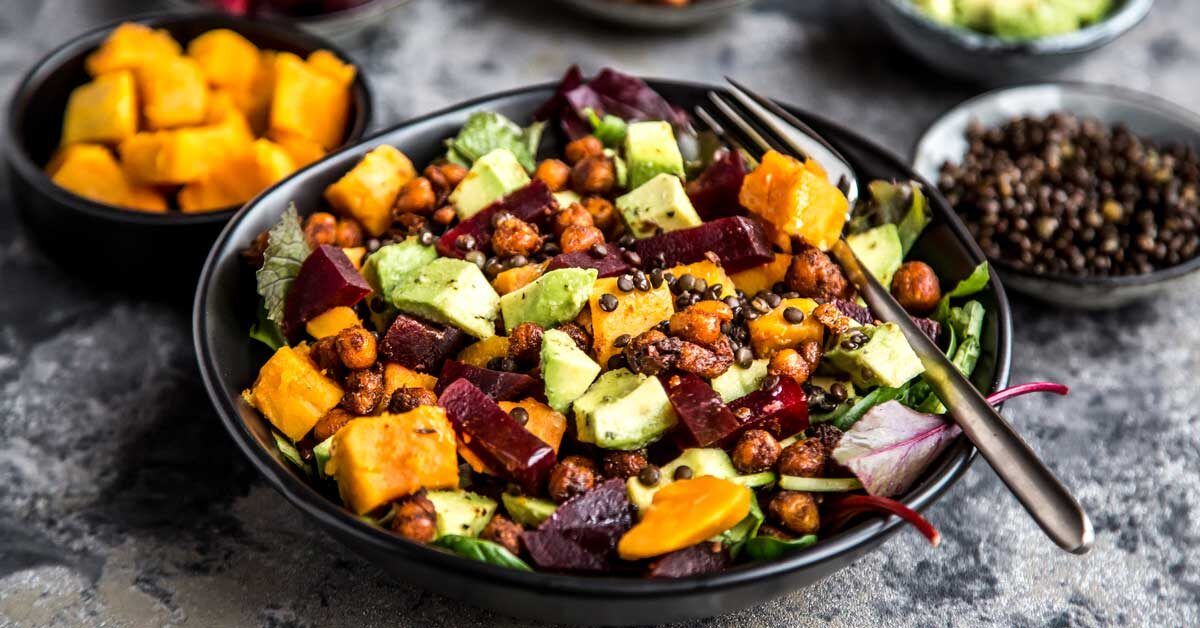
Over time, many people report that their meals become more colorful and less repetitive. Breakfast expands beyond cereal. Lunch becomes more than a sad sandwich. Dinner stops revolving around one large piece of meat and two tiny decorative vegetables. A bowl built with greens, beans, roasted vegetables, avocado, and a whole grain can be filling, affordable, and flexible enough to prevent boredom.
Some people also notice that cooking at home becomes easier once they keep a few staples around: canned beans, frozen berries, oats, nuts, olive oil, whole grains, and frozen fish. These foods reduce the “there is nothing to eat” problem that usually appears at 7:15 p.m., when ordering pizza seems like the only remaining option on Earth.
The most meaningful experience, however, is consistency. Cholesterol-friendly eating is rarely about dramatic perfection. It is about repeatedly choosing oatmeal over pastries, beans over processed meat, olive oil over butter, fruit over candy, and fish or tofu more often than fatty cuts of meat. Those choices can feel small in the moment, but they add up. A healthier cholesterol pattern is usually built one ordinary meal at a time, not through one heroic weekend of kale smoothies.
Final Takeaway
The best cholesterol-lowering foods are not rare, expensive, or hidden in the back corner of a specialty store guarded by a cashier who looks disappointed in your sodium intake. Oats, beans, fruit, nuts, seeds, whole grains, olive oil, soy foods, fish, and vegetables can all support healthier cholesterol levels when they become regular parts of your diet.
Start with two or three changes you can actually keep. Add oatmeal for breakfast, replace one meat-heavy dinner with beans or salmon, and keep fruit and nuts ready for snacks. Your heart does not need an extreme diet. It needs a better routine.

