
Makeup
When Should You Start Using Anti-Aging Products?

May
Many people believe anti-aging skincare is only necessary once wrinkles and fine lines appear. In reality, the best approach to anti-aging is prevention rather than correction. Starting the right skincare habits early can help maintain healthy, youthful-looking skin for years to come.
However, this does not mean you need strong anti-aging products at a very young age. The ideal time to introduce anti-aging skincare depends on your age, skin type, lifestyle, and personal skincare goals. Understanding when and how to begin can help you choose products that support your skin without overwhelming it.
What Happens to the Skin as We Age?
As the skin ages, it naturally begins to lose:
- Collagen
- Elasticity
- Moisture
- Cell turnover efficiency
Over time, this can lead to:
- Fine lines and wrinkles
- Dryness
- Uneven skin tone
- Loss of firmness
- Dullness
Environmental factors like sun exposure, pollution, stress, and smoking can accelerate this process.
Your 20s: Focus on Prevention
Most experts recommend starting preventive anti-aging skincare in your early to mid-20s.
At this stage, the goal is not to treat deep wrinkles but to protect the skin from premature aging.
The most important products in your 20s include:
Sunscreen
Daily SPF is the most effective anti-aging product you can use.
Moisturizer
Keeps the skin hydrated and supports the skin barrier.
Antioxidants
Ingredients like vitamin C help protect against environmental damage.
Simple and consistent skincare habits in your 20s can make a major difference later in life.
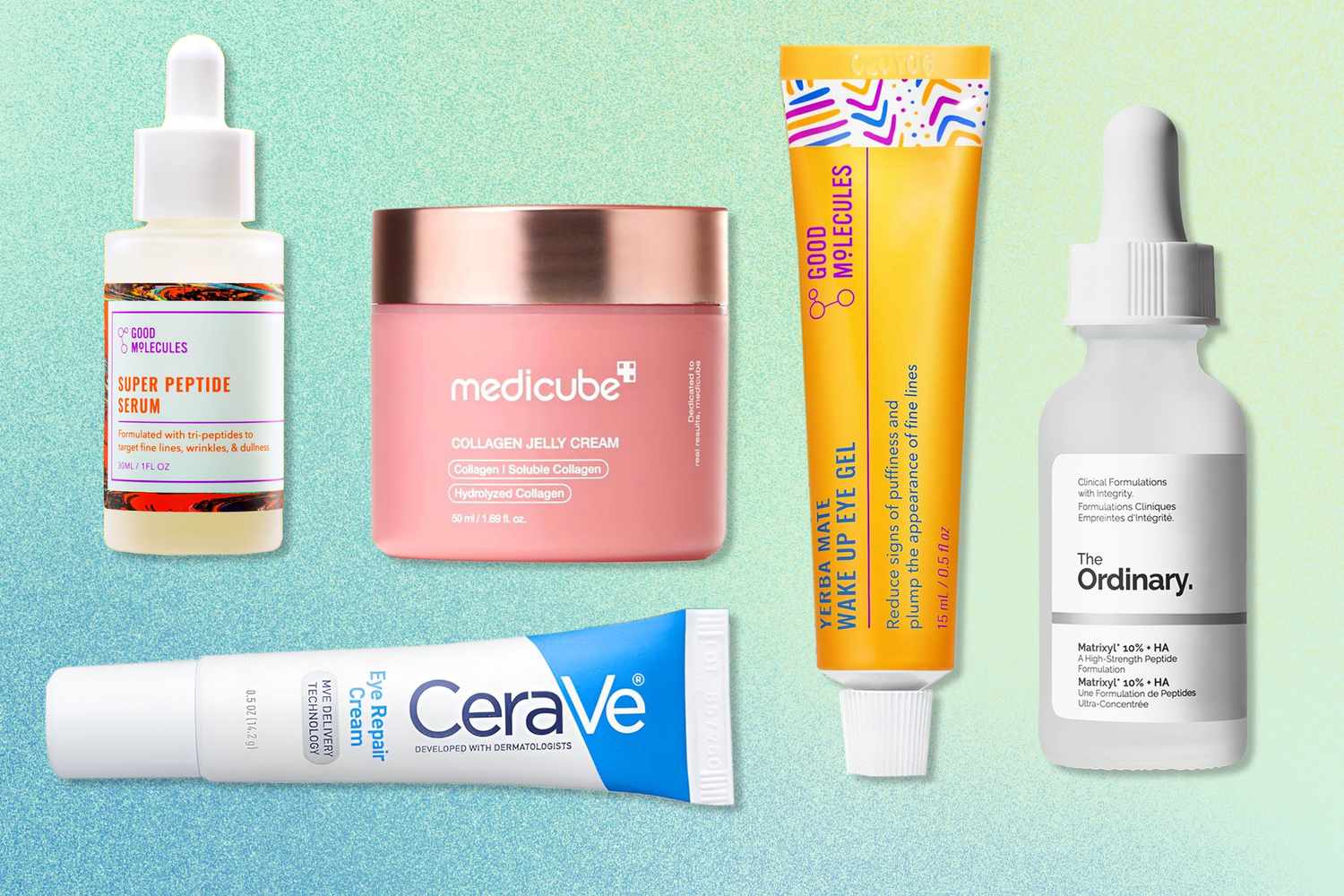
Your 30s: Introduce Targeted Anti-Aging Ingredients
In your 30s, collagen production begins to slow down more noticeably.
This is often when early signs of aging may appear, such as:
- Fine lines
- Mild loss of firmness
- Uneven texture
At this stage, you may consider adding:
Retinoids or Retinol
Help improve skin renewal and collagen production.
Peptides
Support skin firmness and elasticity.
Hyaluronic Acid
Provides hydration and plumps the skin.
Consistency becomes increasingly important during this stage.
Your 40s and Beyond: Focus on Repair and Hydration
As the skin matures further, it often becomes drier and less elastic.
Skincare priorities may include:
- Deep hydration
- Firmness support
- Brightening dark spots
- Smoothing wrinkles
Rich moisturizers, collagen-supporting ingredients, and nourishing treatments become more beneficial.
The Most Important Anti-Aging Product: Sunscreen
Regardless of age, sunscreen is the foundation of anti-aging skincare.
UV exposure is one of the leading causes of premature aging.
Daily sunscreen helps prevent:
- Wrinkles
- Dark spots
- Sagging
- Sun damage
Using SPF consistently is often more effective than many expensive anti-aging treatments.
Signs You May Be Ready for Anti-Aging Products
You may benefit from adding anti-aging products if you notice:
- Fine lines around the eyes or mouth
- Dull or uneven skin texture
- Loss of firmness
- Dryness or dehydration
- Increased sun spots or discoloration
Preventive care works best when started before deep wrinkles develop.
How to Start Anti-Aging Skincare Safely
Avoid introducing too many active ingredients at once.
Start slowly by:
- Adding one new product at a time
- Using lower-strength retinol products initially
- Moisturizing regularly
- Applying sunscreen every day
Gentle consistency is better than aggressive treatments.
A Simple Beginner Anti-Aging Routine
Morning:
Gentle cleanser → Vitamin C serum → Moisturizer → Sunscreen
Night:
Cleanser → Retinol or hydrating serum → Moisturizer
This routine supports healthy aging without overcomplicating skincare.
The best time to start using anti-aging products is before major signs of aging appear. Preventive skincare in your 20s and 30s can help protect collagen, maintain hydration, and reduce long-term skin damage. The key is focusing on sunscreen, hydration, and gentle active ingredients that support healthy skin over time. With consistent care, you can keep your skin looking healthy, smooth, and youthful for years to come.

