
Skincare
Is Soy Bad for You, or Good?
Aug
Soy has lived many lives. One day it is the heroic plant protein saving dinner, cholesterol numbers, and the planet. The next day it is accused of “messing with hormones,” “causing cancer,” or “turning men into tofu.” Poor soybean. It is just a bean, not a tiny villain in a cape.
So, is soy bad for you, or good? The most honest answer is: for most people, whole and minimally processed soy foods can be a healthy part of the diet. Tofu, tempeh, edamame, soy milk, and miso can provide high-quality plant protein, fiber, minerals, and beneficial plant compounds called isoflavones. But context matters. Soy candy bars, ultra-processed meat substitutes, salty soy sauce, and high-dose soy supplements are not the same thing as a bowl of edamame or a tofu stir-fry.
This guide breaks down the science, the myths, the benefits, the risks, and the real-life experience of eating soy without turning your kitchen into a nutrition courtroom.
What Is Soy, Exactly?
Soy comes from soybeans, a legume that has been used for centuries in many Asian cuisines. In the United States, soy shows up in many forms: tofu, tempeh, soy milk, edamame, soy nuts, miso, natto, soy sauce, textured vegetable protein, soy protein isolate, soybean oil, and soy lecithin.
Not all soy foods are nutritionally equal. A cup of steamed edamame is a whole food. Tempeh is fermented and rich in protein. Tofu is simple, versatile, and mild enough to absorb almost any flavor you throw at it. Soy sauce, meanwhile, is mostly used as a salty condiment. Soy protein isolate in a packaged snack is more processed. The soybean family is large, and some cousins are clearly better dinner guests than others.
The Main Nutrients in Soy
Soy is popular because it is one of the few plant foods that provides all nine essential amino acids, making it a complete protein. That does not mean every meal must include soy, but it does make tofu, tempeh, soy milk, and edamame useful options for people who eat vegetarian, vegan, flexitarian, or just “I forgot to thaw the chicken” diets.
Soy foods may also contain fiber, iron, magnesium, potassium, calcium, and unsaturated fats. Fortified soy milk can be a helpful dairy alternative because many brands add calcium and vitamin D. Fermented soy foods such as tempeh, miso, and natto may offer extra flavor complexity and can fit well into a gut-friendly eating pattern, although miso and soy sauce can be high in sodium.
Are Soy Isoflavones the Same as Estrogen?
This is where soy’s reputation gets dramatic. Soy contains isoflavones, which are phytoestrogens, meaning plant compounds that can weakly interact with estrogen receptors in the body. The word “estrogen” makes people panic, but soy isoflavones are not the same as human estrogen. They behave more like a mild, selective signal than a hormonal wrecking ball.
In some tissues, soy isoflavones may act weakly like estrogen. In others, they may block stronger estrogen activity. That is one reason early fears about soy and hormone-related cancers have not held up well in human research. The body is not a simple light switch, and tofu is not secretly operating the control panel.
Potential Health Benefits of Soy
1. Soy Can Support Heart Health
Soy foods may help heart health in several ways. First, soy protein can replace foods high in saturated fat, such as fatty red meats or processed meats. Swapping a bacon cheeseburger for a tofu vegetable bowl is not magic; it is just math, biology, and fewer greasy napkins.
Second, soy protein appears to have a modest cholesterol-lowering effect. The effect is not huge, so eating tofu once will not make your LDL cholesterol run away in fear. But as part of a balanced diet rich in vegetables, fruits, whole grains, legumes, nuts, and healthy fats, soy can be a useful contributor.
2. Soy May Be Helpful for Plant-Based Eating
For people who eat less meat or no meat, soy is one of the easiest protein sources to use. Tofu can become breakfast scramble, taco filling, soup cubes, grilled skewers, or creamy dessert. Tempeh has a nutty bite that works well in sandwiches and grain bowls. Edamame is basically the snack world’s polite green protein pod.
Because soy foods are often affordable and widely available, they can make healthier eating more practical. A healthy diet that is too expensive, complicated, or boring usually ends up abandoned next to the dusty spiralizer.
3. Soy Does Not Appear to Increase Breast Cancer Risk
One of the biggest soy myths is that eating soy increases breast cancer risk. Current human research does not support that fear. In fact, population studies often find that soy foods either have no harmful effect or may be linked with lower breast cancer risk, especially when soy is eaten regularly earlier in life.
This does not mean soy is a cancer treatment. It is not. But moderate intake of traditional soy foods such as tofu, tempeh, soy milk, and edamame is generally considered safe for most people, including many breast cancer survivors. High-dose isoflavone supplements are a different story and should be discussed with a healthcare professional, especially for anyone with a history of hormone-sensitive cancer.
4. Soy May Slightly Help Menopause Symptoms
Some people use soy isoflavones for hot flashes and other menopause symptoms. Research suggests soy may help a little, but results are mixed and the benefit is usually modest. Think “possibly takes the edge off,” not “turns menopause into a spa weekend.”
For menopause support, soy may be one small piece of a larger plan that includes sleep, physical activity, stress management, adequate calcium and vitamin D, and guidance from a clinician when symptoms are disruptive.
5. Soy Foods Can Help With Fullness and Weight Management
Protein and fiber both support fullness, and many soy foods contain one or both. Edamame, tempeh, and whole soybeans offer fiber along with protein. Tofu is lower in fiber but still provides satisfying protein with relatively little saturated fat.
Of course, soy is not a weight-loss spell. A deep-fried tofu platter can still be calorie-dense. But when used in balanced meals, soy can help create satisfying plates without relying heavily on meat, cheese, or cream-based sauces.
When Soy Might Be Bad for You
1. Soy Allergy Is Real
Soy is one of the major food allergens identified under U.S. food labeling law. For people with a soy allergy, soy is not “healthy”; it is something to avoid. Symptoms of food allergy can include hives, swelling, itching, vomiting, diarrhea, wheezing, dizziness, or in severe cases, anaphylaxis.
If you suspect a soy allergy, do not experiment casually with “just a little tofu.” Work with an allergist or healthcare provider. Food labels are your best friend, and yes, your best friend may have very tiny print.
2. Soy Can Interfere With Thyroid Medication Absorption
For most people with normal thyroid function and adequate iodine intake, moderate soy food intake is not considered a thyroid disaster. However, soy can interfere with absorption of levothyroxine and other thyroid hormone medications if eaten too close to the dose.
People taking thyroid medication should follow their clinician’s instructions, often taking medication on an empty stomach and separating it from soy foods, calcium, iron, and certain antacids by several hours. The issue is usually timing, not a lifetime tofu ban.
3. Some Soy Products Are Ultra-Processed
Soy itself is not the problem in many packaged foods. The problem is the company it keeps. Some soy-based burgers, nuggets, bars, and snacks may be high in sodium, refined starches, additives, or saturated fat from added oils. That does not make every meat alternative bad, but it does mean you should read the label instead of assuming “plant-based” automatically means “angel-approved.”
A good rule: choose soy foods that look close to food. Tofu, tempeh, edamame, soy milk with minimal added sugar, roasted soy nuts, and miso used in small amounts are usually better everyday choices than heavily processed soy snacks.
4. Soy Sauce Can Be Very High in Sodium
Soy sauce is delicious. It also brings a lot of sodium to the party. If you are managing high blood pressure, kidney disease, heart disease risk, or sodium intake, use soy sauce sparingly or choose reduced-sodium versions. A splash can add flavor; a flood can turn dinner into a saltwater aquarium.
Does Soy Lower Testosterone in Men?
The internet has spent years whispering that soy lowers testosterone or causes feminizing effects in men. The evidence does not support this claim when soy is eaten in normal food amounts. Soy isoflavones are not the same as human estrogen, and moderate soy intake does not appear to reduce testosterone levels in healthy men.
What matters more for hormone health? Overall diet quality, sleep, exercise, alcohol intake, body weight, stress, and medical conditions. In other words, blaming tofu for every hormone concern is like blaming your houseplant for your unpaid electricity bill.
Is Soy Safe for Children?
For children who are not allergic to soy, foods such as tofu, edamame, and fortified soy milk can fit into a healthy diet. Soy can be especially useful in families that avoid dairy or meat. However, babies and children with medical conditions, allergies, or thyroid disorders need individualized advice from a pediatrician or dietitian.
One important note: infants with congenital hypothyroidism should not have levothyroxine mixed with soy formula because soy protein can reduce absorption of thyroid hormone from the gut. Parents should follow pediatric endocrine guidance carefully.
Whole Soy Foods vs. Soy Supplements
Most positive soy research focuses on soy foods, not high-dose supplements. That distinction matters. A serving of tofu brings protein, minerals, and culinary usefulness. A concentrated isoflavone pill brings a much higher dose of selected compounds without the full food matrix.
For most healthy adults, eating soy foods is a better strategy than taking soy isoflavone supplements. People with a history of breast cancer, thyroid disease, infertility concerns, pregnancy, or complex medical conditions should ask a healthcare professional before using concentrated soy supplements.
Best Soy Foods to Eat More Often
Tofu
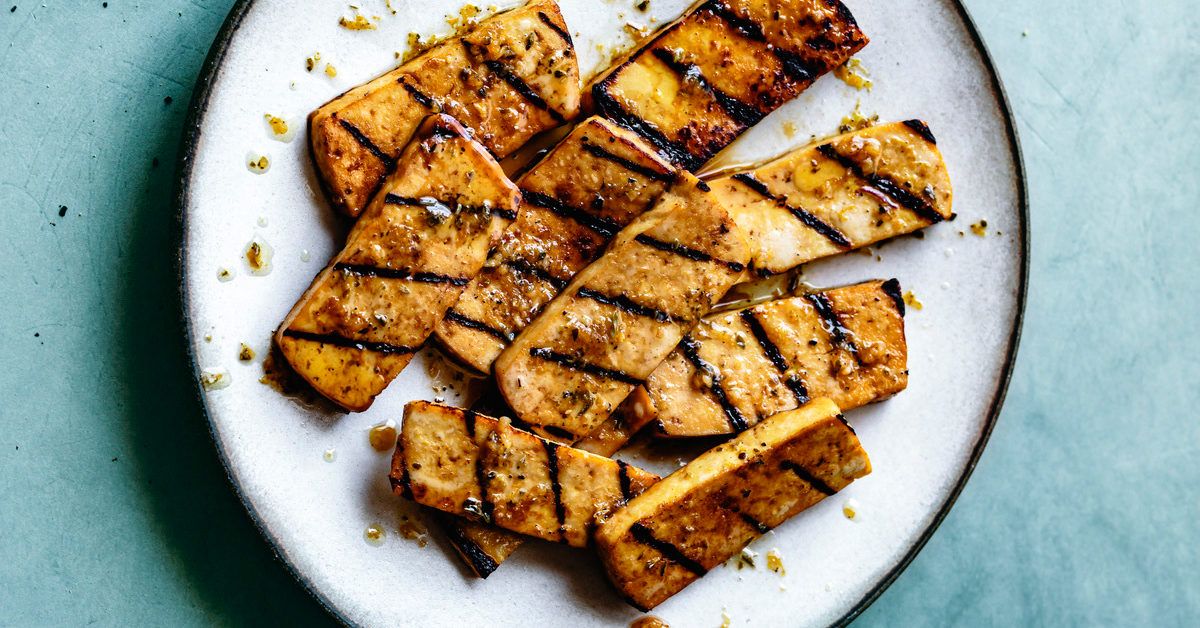
Tofu is mild, affordable, and endlessly adaptable. Firm tofu works well in stir-fries, grilling, air-frying, and scrambles. Silken tofu blends into smoothies, sauces, soups, and puddings. Press it, season it, and give it heat. Unseasoned tofu is bland because it is waiting for instruction, like a very patient intern.
Tempeh
Tempeh is fermented, chewy, and nutty. It works well sliced into sandwiches, crumbled into chili, or marinated for bowls. Because it is less watery than tofu, it browns beautifully and has a more substantial texture.
Edamame
Edamame is one of the simplest soy foods. Steam it, sprinkle lightly with salt or spices, and snack away. Shelled edamame also works in salads, rice bowls, pasta, soups, and stir-fries.
Fortified Soy Milk
Unsweetened fortified soy milk is one of the closest plant-based alternatives to cow’s milk in terms of protein. Look for versions fortified with calcium and vitamin D, and watch for added sugar if you drink it often.
Miso and Natto
Miso adds deep umami flavor to soups, dressings, and marinades, but it is salty, so use it wisely. Natto is fermented soy with a strong flavor and sticky texture. Some people love it. Some people meet it once and need a moment of silence. Nutritionally, it can be valuable, but taste preferences are real.
How Much Soy Is Too Much?
There is no single perfect soy limit for everyone, but moderate intake is the sweet spot. For many adults, one to three servings of soy foods per day can fit comfortably into a healthy diet. A serving might be a cup of soy milk, half a cup of tofu, half a cup of edamame, or a few ounces of tempeh.
Problems are more likely when soy crowds out variety or arrives mostly as ultra-processed foods. A balanced eating pattern should include many protein sources: beans, lentils, nuts, seeds, whole grains, fish, eggs, poultry, dairy or fortified alternatives, and other foods that match your health needs and preferences.
Practical Ways to Add Soy Without Overthinking It
Try a tofu scramble with vegetables for breakfast. Add edamame to a salad instead of croutons. Use tempeh in tacos with lime, cumin, and smoked paprika. Blend silken tofu into a creamy pasta sauce. Choose unsweetened soy milk for smoothies. Stir a teaspoon of miso into soup after turning off the heat.
The trick is not to force soy into meals where it feels weird. Nobody needs tofu in every dessert, every sandwich, and every emotional crisis. Use it where it makes sense.
Myths About Soy That Need Retirement
Myth: Soy Causes Cancer
Human research does not show that moderate soy food intake increases cancer risk. Soy foods may be neutral or protective in some patterns, especially compared with diets high in processed meats and saturated fat.
Myth: Soy Is Only for Vegans
Soy is for anyone who likes it and tolerates it. You can eat salmon on Monday, tofu on Tuesday, and chicken on Wednesday. Nutrition is not a loyalty oath.
Myth: Fermented Soy Is the Only Safe Soy
Fermented soy foods are great, but tofu, edamame, and soy milk can also be healthy. Fermentation can change flavor and digestibility, but it does not make all non-fermented soy dangerous.
Myth: All Soy Is GMO, So It Must Be Avoided
Some soy grown in the U.S. is genetically engineered, especially soy used for animal feed and processed ingredients. But non-GMO and organic soy foods are widely available. Whether you choose conventional, organic, or non-GMO soy, the bigger nutrition question is usually whether the food is minimally processed and part of a balanced diet.
Who Should Be More Careful With Soy?
Most people can eat moderate soy foods safely, but a few groups should pay closer attention. People with soy allergy should avoid soy. People taking thyroid hormone medication should separate soy from their medicine as directed. People with breast cancer history or high risk should discuss soy supplements with their care team, although moderate soy foods are generally viewed differently from concentrated supplements. People on sodium-restricted diets should be careful with soy sauce, miso, and salty processed soy foods.
Anyone with a complex medical condition should treat internet nutrition advice as a starting point, not a prescription. Your doctor or registered dietitian knows more about your lab results than a random comment section named “TofuTruthWarrior88.”
of Real-Life Experience: What Eating Soy Actually Feels Like
In everyday life, soy is less dramatic than the headlines make it sound. Most people do not experience soy as a medical controversy. They experience it as a carton of soy milk in the fridge, a block of tofu they forgot to press, a bowl of edamame at a restaurant, or a tempeh sandwich that either becomes a new favorite or a “thank you, but never again” moment.
The first experience many people have with tofu is disappointment, and that is usually not tofu’s fault. Plain tofu straight from the package tastes like a soft white shrug. It needs seasoning, texture, and heat. Pressing firm tofu, cutting it into cubes, tossing it with soy sauce or tamari, garlic, ginger, cornstarch, and a little oil, then baking or air-frying it can completely change the story. Suddenly, tofu is crispy on the outside, tender inside, and ready to sit proudly on rice like it pays rent.
Soy milk is another practical example. Unsweetened fortified soy milk can work in coffee, oatmeal, smoothies, pancakes, and cereal. Some brands taste beany; others are creamy and neutral. The experience depends heavily on the brand. People who say they hate soy milk may simply hate one version they met during a tragic breakfast incident in 2011.
Edamame is often the easiest entry point because it does not require cooking skills beyond steam, salt, and opening your mouth. It is satisfying, slightly sweet, and fun to eat. For families, it can be a low-pressure way to introduce kids to legumes. Kids may reject it, of course, because children sometimes treat green foods like suspicious government documents. But edamame has a better chance than many vegetables because it is interactive.
Tempeh tends to divide the room. It has a stronger flavor and firmer texture than tofu. Marinating helps. So does slicing it thin and browning it until the edges crisp. In a sandwich with mustard, pickles, lettuce, and tomato, tempeh can feel hearty and satisfying. Crumbled into chili or tacos, it absorbs spices well and adds chew.
The biggest lesson from actually eating soy is that preparation matters more than ideology. A balanced soy meal might be tofu with broccoli, mushrooms, brown rice, sesame, and a ginger-garlic sauce. A less balanced soy meal might be a giant pile of salty processed nuggets with fries and a soda. The soybean did not fail; the meal design did.
Another real-life lesson is that digestion varies. Some people tolerate tofu and soy milk easily but feel gassy after edamame or whole soybeans. Others do fine with tempeh because fermentation changes the food. Starting with small servings can help your digestive system adjust, especially if you are not used to legumes.
Finally, soy works best when it is not treated as a miracle or a menace. It is food. Useful food, nutritious food, sometimes delicious food, occasionally bland food if you neglect it. Keep the whole diet in view, choose mostly minimally processed soy foods, respect allergies and medication timing, and let the soybean step down from the witness stand.
Final Verdict: Is Soy Bad or Good?
Soy is good for most people when eaten as part of a balanced diet, especially in whole or minimally processed forms such as tofu, tempeh, edamame, and fortified soy milk. It provides high-quality plant protein, can help replace foods higher in saturated fat, may modestly improve cholesterol, and does not appear to increase breast cancer risk in human studies.
Soy is not perfect for everyone. Avoid it if you have a soy allergy. Be mindful of timing if you take thyroid medication. Go easy on salty soy sauce and ultra-processed soy products. Be cautious with high-dose soy isoflavone supplements unless a healthcare professional recommends them.
The simplest answer is also the least clickbait-friendly: soy is not a superfood halo or a dietary villain. It is a nutritious legume with real benefits, a few important cautions, and an impressive ability to become dinner when treated properly.

