
Beauty Unlocked
This Mad Science Experiment Is the Key to the Perfect Mint Julep
Aug
A mint julep appears almost suspiciously simple: bourbon, sugar, mint, and enough crushed ice to alarm a small penguin. Yet the difference between a magnificent julep and a watery cup of lawn-flavored whiskey comes down to chemistry, temperature, aroma, and careful technique.
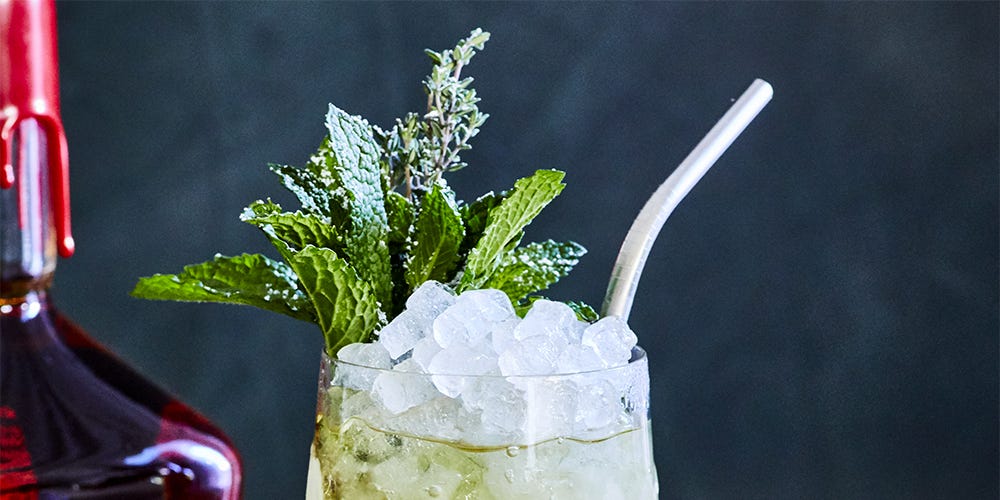
The wildest demonstration of that science came from bartender Jayce McConnell, who created a Carthusian Julep using Green Chartreuse and a laboratory rotary evaporator. His goal was not merely to mix another bourbon cocktail. He wanted to separate, concentrate, dehydrate, and rebuild flavor into an herbaceous powder that could sit dramatically on top of the drink.
Was the process excessive? Absolutely. It involved expensive glassware, a vacuum pump, careful temperature control, roughly two days of evaporation, and another day of dehydration. It was the cocktail equivalent of using a rocket to deliver a pizza. Nevertheless, the experiment revealed several practical secrets that anyone can use to make a better mint julepno chemistry degree or mysterious basement laboratory required.
Why the Classic Mint Julep Is Harder Than It Looks
The traditional mint julep contains only four essential components: bourbon, mint, sweetener, and crushed ice. That short ingredient list leaves nowhere for mistakes to hide. A sour cocktail can cover mediocre liquor with citrus. A tropical drink may arrive wearing half a fruit salad. A julep stands nearly naked in its metal cup, quietly judging your technique.
According to the official Kentucky Derby formula, the drink has been part of Derby culture for nearly a century. More than 125,000 juleps may be served during the Kentucky Oaks and Derby weekend, requiring thousands of bottles of bourbon, more than a ton of mint, and an astonishing mountain of ice. The scale is impressive, but the basic structure remains the same one used by home bartenders.
The Four-Way Balancing Act
A successful julep must keep four forces in equilibrium:
- Bourbon provides caramel, vanilla, oak, fruit, and warming alcohol.
- Mint supplies aroma and the perception of freshness.
- Sugar softens alcohol while connecting the whiskey to the herbs.
- Crushed ice chills, dilutes, and gradually transforms the cocktail.
Use too much syrup and the drink resembles mint candy dissolved in whiskey. Pulverize the leaves and it may taste grassy. Add too little ice and the alcohol remains hot and blunt. Let it sit too long before serving and you have expensive bourbon soup.
Meet the Carthusian Julep
McConnell’s experiment began with a classic challenge: how do you make a familiar drink feel new without destroying what people love about it?
His answer was Green Chartreuse, a potent French herbal liqueur traditionally made from alcohol, sugar, and 130 plants, flowers, roots, pieces of bark, and spices. At 55 percent alcohol by volume, Green Chartreuse is strong enough to stand beside bourbon rather than disappearing behind it. It is sweet, intensely herbal, slightly spicy, and mysterious enough to make an ordinary bottle of simple syrup feel underdressed.
Why Chartreuse Works With Bourbon
Bourbon naturally contributes flavors such as caramel, vanilla, toasted oak, cherry, and baking spice. A wheated bourbon can be especially useful because its softer grain profile gives mint and herbal liqueur room to speak. Cask-strength bourbon adds another advantage: its concentrated flavor survives the substantial dilution produced by a cup packed with pebble ice.
Maker’s Mark Cask Strength, used in the original concept, offers amplified notes of vanilla, salted caramel, dark fruit, oak, and gentle spice. Those flavors form a sturdy foundation beneath Green Chartreuse’s botanical intensity. It is a partnership between a Kentucky barrel and a French monastery, which sounds like the beginning of an unusual buddy movie.
The Ingredient That Became a Science Project
Instead of simply pouring Chartreuse into the julep, McConnell wanted to transform part of the liqueur into a powdered garnish. The powder would decorate the mint bouquet, provide sweetness, and deliver an extra burst of herbal flavor near the drinker’s nose and lips.
The obstacle was heat. Boiling Chartreuse on a stove could darken its sugar, create cooked flavors, and flatten some of its delicate aromas. The solution was a rotary evaporator, commonly called a rotovap.
How a Rotary Evaporator Changes a Cocktail
A rotary evaporator removes volatile liquids under reduced pressure. Lowering the pressure also lowers the temperature at which a liquid boils. This allows a bartender or laboratory technician to separate alcohol and water while applying less heat than conventional stovetop reduction would require.
The evaporation flask rotates inside a warm water bath, spreading the liquid into a thin film and increasing its surface area. A vacuum pump reduces pressure. Alcohol and other volatile compounds evaporate, travel into a cooled condenser, return to liquid form, and collect in a receiving flask.
In McConnell’s trial, the Chartreuse was warmed to approximately 149 degrees Fahrenheit while the flask rotated slowly. After an extended evaporation period, he obtained a nearly alcohol-free herbal base in one flask and a clear alcoholic distillate in another. The remaining herbal mixture was combined with sugar and egg whites, dehydrated, broken into pieces, and blended into powder.
The resulting garnish retained a concentrated botanical personality. Sprinkled over mint and thyme, it added aroma, sweetness, visual drama, and a playful opportunity to lick green powder from the herbs. Fine dining occasionally asks us to behave like sophisticated adults; this garnish politely cancels that request.
Why This Should Remain a Professional Experiment
A rotovap is not a countertop novelty like a waffle maker. It combines heated liquid, vacuum pressure, rotating glassware, pumps, condensers, and potentially flammable alcohol vapor. Laboratory safety guidance calls for inspected glass components, appropriate vapor control, careful adjustment of vacuum and rotation, protective equipment, and trained operation.
Home bartenders should enjoy the idea without attempting improvised vacuum distillation. The valuable part of the experiment is understanding flavor preservationnot turning the garage into a low-budget research institute.
The Real Science Behind a Perfect Mint Julep
1. Mint Makes Cold Feel Colder
Mint does more than smell refreshing. Menthol activates a sensory receptor known as TRPM8, which also responds to cool temperatures. That is why mint can create a cooling sensation even when it has not physically lowered the temperature of your mouth.
A julep therefore uses two kinds of cold at once. Crushed ice supplies actual low temperature, while mint intensifies the perception of coolness. The combination is particularly effective on a hot afternoon, when a frosted cup looks like air conditioning you can drink.
2. Aroma Matters More Than Aggressive Muddling
Many disappointing juleps begin with a bartender attacking mint as though it owes money. Heavy muddling tears the leaves, releases chlorophyll-rich plant material, and can introduce grassy or bitter flavors.
Gentle pressure is usually enough. Lightly bruise the leaves in syrup or bourbon so their aromatic oils move into the liquid. Some bartenders skip muddling almost entirely, lightly slap the garnish, and brush mint around the inside of the cup. The goal is fragrance, not salad dressing.
A generous bouquet of mint at the top of the cup is not merely decoration. Every sip brings the drinker’s nose close to the garnish. A short straw strengthens this effect by positioning the mint directly beneath the face.
3. Crushed Ice Is an Active Ingredient
Crushed or pebble ice has a large surface area, so it cools the mixture rapidly and begins controlled dilution. That dilution is essential. Water lowers the perception of alcoholic heat and helps bourbon’s caramel, fruit, vanilla, and oak aromas become easier to detect.
The drink is designed to evolve. Its first sip may be bold and spirit-forward. A few minutes later, it becomes colder, softer, and more integrated. Near the end, it may taste like lightly sweetened mint-and-bourbon ice water. That changing character is not a defect; it is part of the julep’s structure.
4. Frost Is a Useful Signal
After adding crushed ice, stir until the outside of a metal julep cup becomes noticeably frosty. The frost tells you that the drink, cup, and ice have approached a stable cold temperature. It also indicates that enough melting has occurred to begin taming the bourbon.
A glass tumbler still works, but metal transfers heat more efficiently and creates the classic frosted appearance. Hold a metal cup near its rim or base rather than wrapping both hands around the middle. Your julep has worked hard to get cold; do not hug the frost out of it.
5. Higher-Proof Bourbon Can Survive the Ice
A standard 80- to 90-proof bourbon makes a softer julep, while a whiskey near 100 proof or at cask strength offers more structure. The better choice depends on the amount of syrup, the size of the cup, and how slowly the drink will be consumed.
For a heavily iced julep with Chartreuse, a robust bourbon prevents the cocktail from becoming thin. For a traditional julep with only a modest amount of syrup, a balanced standard-proof bourbon may be easier to manage.
An Original-Inspired Carthusian Julep Recipe
This version captures the logic of the laboratory experiment while leaving the industrial glassware to trained professionals.
Ingredients
- 1 to 1 1/2 ounces cask-strength wheated bourbon
- 1/2 ounce Green Chartreuse
- 6 fresh spearmint leaves
- Plenty of crushed or pebble ice
- 3 large mint sprigs
- 1 small thyme sprig
- A light dusting of confectioners’ sugar
Directions
- Chill a metal julep cup before building the drink.
- Add the Green Chartreuse and mint leaves to the cup.
- Press the leaves gently two or three times. Do not grind them.
- Add the bourbon and fill the cup halfway with crushed ice.
- Stir until the mixture is extremely cold and the ice begins to settle.
- Pack in more crushed ice, forming a rounded mound above the rim.
- Lightly slap the mint sprigs between your palms and place them beside the straw.
- Add the thyme and dust the garnish with confectioners’ sugar.
The sugar lacks the concentrated Chartreuse flavor of the rotovap powder, but the liqueur in the drink still supplies the intended herbal complexity. The snowy garnish also looks appropriately theatrical, especially when served beneath an unnecessarily large Derby hat.
Common Mint Julep Mistakes
Using Tired Mint
Wilted mint offers weak aroma and sad presentation. Keep the stems in cold water and store the leaves loosely covered until serving.
Turning the Mint Into Pesto
Press gently. If the leaves look shredded, the muddler has already filed for overtime.
Being Stingy With Ice
A few cubes do not make a julep. Fill the entire cup, stir, let the ice settle, and add more. The mound above the rim is functional as well as attractive.
Adding Too Much Sugar
Begin with less sweetness than you think you need. Bourbon already contains flavors that people perceive as sweet, while Chartreuse contributes actual sugar of its own.
Serving Immediately Without Stirring
The ingredients need time to chill and combine. Stirring creates the initial dilution that turns cold bourbon and herbs into a coherent cocktail.
Forgetting the Nose
A small, buried mint sprig cannot perfume the drink. Use a large, fresh bouquet and position the straw beside it.
A Practical Tasting Experience: Four Juleps, One Clear Winner
The best way to understand the mad science is to conduct a controlled tasting with four small juleps. No lab coat is required, although wearing one will unquestionably improve morale.
Prepare four identical cups with the same bourbon and sweetness. In the first cup, aggressively muddle eight mint leaves. In the second, press the leaves gently. In the third, use no mint in the liquid but add a large aromatic bouquet. In the fourth, gently press the mint and add a half-ounce of Green Chartreuse.
The first cup usually smells powerful at the beginning, but the flavor can become vegetal. Small fragments float through the drink, stick to the straw, and create the sensation that the cocktail has recently mowed a lawn. The mint character is intense, yet it is not necessarily fresh or elegant.
The second cup tends to be cleaner. The bourbon remains recognizable, while the mint supplies a cooling top note rather than dominating the entire glass. As the crushed ice melts, the sugar, whiskey, and herbal aroma move closer together. This is the classic julep at its most balanced.
The third cup demonstrates the power of smell. Although almost no mint flavor has been extracted into the liquid, the garnish creates a strong impression of mint with every sip. Close your nose temporarily and taste again; the drink suddenly appears less minty. Aroma is doing far more work than the recipe’s tiny number of ingredients suggests.
The fourth cup is the dramatic one. Chartreuse contributes sweetness, spice, flowers, herbs, and a faint medicinal quality. At first, the liqueur may appear to challenge the bourbon. After a minute of stirring and dilution, however, the flavors settle into layers. Caramel and vanilla arrive first, fresh mint follows, and the Chartreuse lingers as a complicated botanical finish.
Now repeat one sip from each cup after five minutes. The juleps have changed. The aggressively muddled version may taste greener. The gently muddled drink becomes softer and more integrated. The garnish-only julep remains aromatic but relatively simple. The Chartreuse variation often becomes the most interesting because dilution opens both the bourbon and the liqueur while reducing their alcoholic heat.
This experiment also teaches patience. A mint julep should not be consumed like a shot wearing a fancy hat. Sip it slowly and notice how temperature, water, aroma, and sweetness shift. The first third is strong and fragrant. The middle is balanced and exceptionally cold. The final portion is light, mellow, and refreshing.
Most importantly, the tasting proves that the perfect mint julep does not depend on owning a rotary evaporator. The machine created an unforgettable garnish, but the drink’s quality still depended on fundamentals: fresh mint, appropriate bourbon, measured sweetness, abundant crushed ice, proper dilution, and aroma placed exactly where the drinker can enjoy it.
That is the practical legacy of the mad science experiment. Spectacle may attract attention, but control produces flavor. A laboratory can turn Chartreuse into powder; a thoughtful bartender can turn four ordinary ingredients into something just as memorable.

