
Beauty Unlocked
Design Sleuth: Equine Coat Hook at the Modern Pantry
May
Note: HTML body only, English content, cleaned for web publishing.
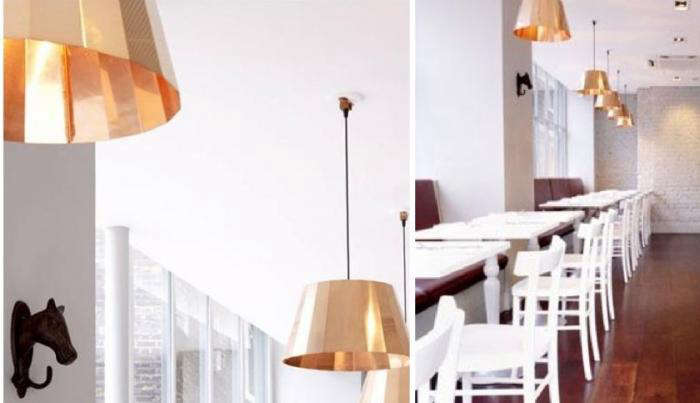
Sometimes the smallest object in a room is the one that steals the whole show. Not the pendant light. Not the table. Not the fancy chair trying very hard to be photographed from its good side. In this case, the scene-stealer is a horse-shaped coat hook spotted at the Modern Pantrya piece of hardware so practical it should be boring, and yet so charming it becomes the kind of detail that sends design lovers down an internet rabbit hole at midnight.
That is the magic of a great “design sleuth” object. It does two jobs at once. First, it solves a real household problem: Where do you hang the coat, tote, apron, dog leash, or kitchen towel that never seems to stay put? Second, it adds character without demanding an entire room makeover. The equine coat hook at the Modern Pantry works because it lives right at the intersection of utility and personality. It is sculptural, a little cheeky, slightly old-world, and surprisingly modern.
And that is why this humble hook deserves a closer look. In a decorating era full of expensive statement pieces and algorithm-approved sameness, a horse hook feels refreshingly specific. It says the homeowner has a point of view. It says storage can be beautiful. It says, “Yes, I care where the coat goes, and no, I will not be hanging it on the treadmill.”
Why This Hook Catches the Eye So Fast
The first reason is simple: silhouette. A standard hook is anonymous. A horse hook is immediately legible. Even from across the room, your brain registers it as object, sculpture, story. That recognition creates a moment of delight, and good interiors live on those little moments. You notice it before you even use it.
The second reason is contrast. At the Modern Pantry, the hook reads as a rugged, almost rustic accent against a more polished and thoughtfully layered setting. That tension matters. Strong rooms rarely succeed because everything matches perfectly. They succeed because materials and moods push against each other in a way that feels intentional. A dark iron animal form against cleaner lines and warmer finishes gives the eye something to do.
Third, it is a master class in scale. The equine hook is not a giant horse bust galloping across the wall yelling for attention. It is a compact object. That restraint is exactly why it works. It offers personality in a dose small enough to stay stylish.
What Makes an Equine Hook Feel Modern Instead of Theme-Park Equestrian
Material Does Most of the Work
When a horse motif appears in dark iron, aged brass, or black cast metal, it instantly feels more grounded than gimmicky. Those finishes have visual weight. They age well, they hide wear, and they bring a sense of permanence that flimsy novelty hardware just cannot fake. A horse shape in a serious material says “collected design detail.” The same shape in shiny plastic says “gift shop near the highway.”
It Is Decorative Hardware, Not Costume Decor
There is a huge difference between adding one memorable horse hook and turning an entire hallway into a stable-themed fever dream. The beauty of this piece is that it functions as decorative hardware. It behaves like a good knob, latch, or sconce: useful first, expressive second. That balance keeps it from crossing into kitsch.
It Nods to Tradition Without Getting Stuffy
Horse imagery carries built-in associationsheritage, movement, strength, elegance, countryside romance, maybe one very opinionated aunt in riding boots. In interiors, those associations can be useful. They bring warmth and narrative. But because a hook is such a small-format object, the symbolism stays subtle. You get the mood without needing to redecorate around it like you are preparing for a fox hunt.
Why the Modern Pantry Context Matters
Part of the appeal here is not just the hook itself, but where it was seen. A restaurant or hospitality space often gives us permission to notice details we might overlook at home. In a well-designed commercial interior, every functional object has to earn its keep. If a coat hook makes the cut in a space known for atmosphere, it is probably doing more than merely holding outerwear.
The Modern Pantry setting also reinforces a smart design lesson: practical objects are often more impactful when they appear in unexpected places. We tend to think of statement pieces as large furniture, artwork, or lighting. But the hook proves that a room can gain depth from the supporting cast. Hardware is the character actor of interior design. It may not get top billing, but remove it, and the whole production suddenly feels flatter.
This is especially true in transitional spaces such as entryways, mudrooms, dining corners, and pantries. These are zones where function rules, which makes beauty even more effective. A handsome hook turns a necessity into a memorable gesture.
How to Use an Equine Coat Hook at Home
In the Entryway
This is the obvious choice, and for good reason. Entryways benefit from wall-mounted storage because it saves floor space, keeps essentials within reach, and creates the beloved “drop zone” that prevents daily chaos. One equine hook can hold a handbag, umbrella, or light jacket. A row of two or three can create rhythm on the wall without feeling too busy.
The trick is not to overload it. A decorative hook works best when each one holds one or two items, max. If it starts carrying six coats, three reusable grocery bags, a scarf, a baseball cap, and the emotional weight of your entire household, it stops looking intentional and starts looking like surrender.
In a Pantry or Utility Space
This placement is wildly underrated. A pantry is full of opportunities for handsome utility: aprons, market totes, brooms, kitchen towels, and baskets all need homes. In a room devoted to order, a sculptural hook introduces charm without sacrificing purpose. That is where an equine hook shines. It brings a touch of wit to a hardworking space.
In a modern pantry with open shelving, glass jars, and warm woods, a dark iron or brass horse hook can be the perfect visual punctuation mark. It breaks up the repetition of containers and straight lines. Think of it as the semicolon of pantry stylingsmall, useful, and way more dramatic than it looks.
In a Kitchen Nook
Hang one near the back door for canvas shopping bags, a garden hat, or a linen market tote. In family kitchens, hooks can keep frequently used items accessible without cluttering counters. A horse hook also feels at home around natural materials like butcher block, unlacquered brass, soapstone, and painted millwork.
In a Bathroom or Bedroom
Here, the hook becomes softer and more personal. Use it for a robe, a towel, tomorrow’s outfit, or a favorite satchel. Because it is sculptural, it can remain visible even when not in use. That is the dream for storage: to look deliberate when empty and useful when occupied.
How to Style Around It Without Going Full Horse Girl
Let us address the hay bale in the room. Horse-inspired decor can go very wrong, very quickly. The solution is restraint. One equine hook is chic. A horse hook, horse wallpaper, horse lamp, horse painting, horse pillow, and horse-shaped soap dish is less “curated home” and more “stable gift shop with Wi-Fi.”
The smartest approach is to use the hook as a cue rather than a command. Pull in adjacent materials and tones instead of more literal horse imagery. Think aged leather, dark iron, patinated brass, plaid, wool, oak, saddle brown, deep green, cream, and charcoal. Those supporting elements create the same atmosphere without hitting guests over the head with a neigh.
The hook also pairs beautifully with old-world and modern elements alike. In a traditional setting, it reads as heritage. In a minimal room, it becomes the one warm, witty note that keeps the space from feeling too severe. In a farmhouse interior, it feels honest. In a city apartment, it feels collected. That versatility is part of its appeal.
Design Pairings That Make the Look Sing
Hook + Mirror
A small mirror above or near the hook creates a useful moment for last-minute checks and visually expands tight spaces. This pairing is especially effective in narrow entryways where every square inch matters.
Hook + Floating Shelf
Add a slim shelf above for keys, sunglasses, or mail. The shelf handles the little things; the hook handles the bulky things. Together, they create a tidy landing strip that feels more considered than a random pile on the nearest surface.
Hook + Basket
Wall hook above, basket below: an unbeatable combination. The hook handles vertical storage, while the basket catches shoes, dog gear, or rolled-up umbrellas. It is practical, but it also creates visual layering that makes the space look finished.
Hook + Statement Lighting
The original appeal of the equine hook becomes even more interesting when you remember it was seen in a room with striking pendant lights. That tells us something important: small hardware can hold its own next to bold lighting if the materials have enough presence. Iron and brass are excellent at this. They do not disappear.
Why Decorative Hooks Are Having a Moment
Decorative hooks make sense right now because people want homes that work harder without feeling colder. The best contemporary interiors are not just photogenic; they are functional, layered, and emotionally comforting. A good hook contributes to all three. It clears clutter, adds form to the wall, and provides that tiny daily ritual of putting something in its place.
There is also a broader appetite for pieces that feel collected rather than mass-generated. An equine hook has a slightly found-object quality, especially in darker finishes. It suggests the home evolved over time. Even if it arrived via online order and not from a dusty antiques market at dawn, we can all agree the fantasy matters.
Decorative hardware also answers a very modern problem: small-space living. Not every home has room for a freestanding coat rack or oversized console. Wall hooks deliver storage without hogging precious square footage. When they are handsome enough, they also reduce the need for extra decoration. One object, two jobs. That is a very satisfying ratio.
Shopping the Spirit of the Look
If you are trying to recreate the feeling of the equine coat hook, start with finish first and shape second. Black cast iron gives you a crisp, sturdy silhouette with a bit of grit. Aged brass adds warmth and a more classic glow. Then look for forms that feel sculptural but not cartoonish. You want a horse that reads like design, not like it escaped from a children’s carousel.
Size matters, too. A compact wall hook around the mid-single-digit height range is ideal because it feels special without becoming intrusive. This is a detail piece, not a wall-mounted monologue.
Above all, choose a hook you will actually use. The entire charm of this category is that beauty and function meet in the middle. If it is too delicate for daily life, it misses the point. The best decorative hooks earn their admiration honestlyone bag, one coat, one towel at a time.
The Real Lesson Behind the Equine Coat Hook
The bigger design lesson here is not “everyone should buy horse hardware immediately,” though the horse lobby would surely appreciate the support. It is that overlooked objects deserve more attention. Hardware, hooks, rails, shelves, trays, and small utilitarian details shape how a room feels every single day. They are tactile. They are visible. They are used constantly. That makes them worth choosing with care.
The equine coat hook at the Modern Pantry is memorable because it understands this principle perfectly. It does not try too hard. It does not dominate the room. It simply turns an everyday gesturehanging something upinto a slightly more beautiful experience. And honestly, that is what good design is: not perfection, not spectacle, just ordinary life improved by a clever object with excellent manners.
Experience: What It Feels Like to Live With a Hook Like This
Here is the part that glossy design shots do not always explain: a coat hook becomes part of your day in a way a decorative bowl or side table never quite does. You touch it when you are rushing out the door. You rely on it when your hands are full. You use it during boring momentsrainy mornings, grocery-hauling afternoons, the familiar 6:12 p.m. ritual of dropping your bag and deciding whether dinner will be ambitious or egg-based. A good equine coat hook earns affection through repetition.
In real life, that means the hook starts to act like a visual anchor. You come home, hang the tote, and instantly the room feels a little more under control. The space is not cleaner in a dramatic before-and-after-TV way, but it is calmer. One less thing lands on a chair. One less jacket drapes over the banister like a teenager refusing responsibility. The hook quietly absorbs that chaos. Because the shape is memorable, everyone in the house tends to use it more consistently too. Strange but true: people are more likely to put things away when “away” is interesting.
There is also a social side to it. Guests notice a horse hook. They ask about it. Sometimes they laugh, sometimes they lean in for a closer look, and occasionally they say, “Wait, why do I suddenly need one of these?” That reaction is part of the joy. It is functional decor with conversational value. Not every object has to tell a story, but it is nice when one can do the heavy lifting while also being a little charming at cocktail hour.
Over time, the material gets even better. Dark iron develops presence. Brass gains patina. Tiny signs of wear make the hook feel settled rather than shabby. That is one reason pieces like this age gracefully: they are meant to be handled. They do not panic when touched. In a world full of fussy surfaces and precious objects, there is something deeply likable about hardware that improves with use. It has confidence. It has grit. It has, dare I say, horse sense.
The best experience, though, is emotional rather than aesthetic. A thoughtfully placed hook creates a tiny pause in the day. Arrive, hang, exhale. Leave, grab, go. That sequence sounds small, but small rituals are what make homes feel supportive instead of chaotic. The equine coat hook delivers that practicality with just enough personality to make the routine feel less mechanical. It is one of those rare pieces that is easy to justify because it works hard, but also easy to love because it makes the room feel more alive.
So yes, on paper, it is only a hook. In daily life, it is a little sculpture, a useful tool, a conversation starter, and a surprisingly effective anti-clutter device. Not bad for a horse on a wall.
Conclusion
The equine coat hook at the Modern Pantry proves that great design does not always arrive in large, expensive, room-dominating packages. Sometimes it shows up as a modest piece of hardware with a strong silhouette and excellent timing. It solves a problem, adds personality, and helps a hardworking part of the home look more intentional.
That is why this design sleuth find resonates so strongly. It captures a decorating sweet spot: practical but not plain, playful but not precious, classic but not dusty. Whether you use one in an entryway, pantry, kitchen nook, or bedroom, the lesson stays the same. Choose utility pieces with as much care as the “pretty” ones, and your home will feel more layered, more memorable, and much more like it belongs to an actual person instead of a catalog.
In other words, let the horse do some of the work.
SEO Tags

