
Beauty Unlocked
How to Get Rid of Hemorrhoids: Treatments for Fast Relief
Aug
Note: This article is for general education only. Hemorrhoids are common, treatable, and absolutely not a reason to feel embarrassed, but rectal bleeding, severe pain, or symptoms that do not improve should be checked by a healthcare professional.
Hemorrhoids are the uninvited guests of the digestive world: uncomfortable, awkward, and somehow always arriving when you least want to talk about them. The good news? Most hemorrhoid flare-ups improve with simple at-home care, smarter bathroom habits, and a few targeted treatments. The even better news? You do not need to redesign your entire life around your backside.
If you are searching for how to get rid of hemorrhoids fast, the real answer is a mix of immediate symptom relief and fixing the root cause. Creams may calm the itch. Warm baths may soothe the pain. But if constipation, straining, or marathon toilet scrolling continues, the hemorrhoids may come back for an encore performance nobody requested.
This guide explains the best hemorrhoid treatments for fast relief, including home remedies, over-the-counter options, diet changes, medical procedures, and practical experience-based tips for getting through a flare-up with less drama and more comfort.
What Are Hemorrhoids?
Hemorrhoids are swollen veins or inflamed vascular cushions in the lower rectum or around the anus. Everyone has hemorrhoidal tissue as part of normal anatomy, but it becomes a problem when it swells, stretches, bleeds, itches, or hurts.
Internal Hemorrhoids
Internal hemorrhoids form inside the rectum. They often cause painless bright red bleeding during bowel movements. In some cases, they may prolapse, meaning they slip outside the anus. When that happens, they can cause pressure, discomfort, mucus, irritation, or the feeling that something is “not quite where it should be.”
External Hemorrhoids
External hemorrhoids form under the skin around the anus. These are more likely to cause itching, swelling, tenderness, and pain. If a blood clot forms inside an external hemorrhoid, it is called a thrombosed hemorrhoid. That can cause sudden, sharp pain and a firm lump near the anus.
Common Hemorrhoid Symptoms
Hemorrhoid symptoms vary depending on the type and severity. Common signs include:
- Bright red blood on toilet paper, stool, or in the toilet bowl
- Anal itching, burning, or irritation
- Pain or soreness around the anus
- Swelling or a tender lump near the anus
- Mucus discharge or a feeling of incomplete emptying
- Discomfort during or after bowel movements
Here is the important part: do not automatically assume all rectal bleeding is from hemorrhoids. Hemorrhoids are common, but bleeding can also come from anal fissures, infections, inflammatory bowel disease, polyps, or colorectal cancer. If bleeding is new, heavy, recurring, or paired with dizziness, abdominal pain, fever, diarrhea, or black stools, get medical care promptly.
How to Get Fast Hemorrhoid Relief at Home
When hemorrhoids flare, the first goal is to reduce pain, swelling, itching, and pressure. Think of it as a “calm the area down” plan. You are not trying to win a toughness contest. You are trying to make sitting, walking, and visiting the bathroom less like a negotiation with a cactus.
1. Take a Warm Sitz Bath
A sitz bath is one of the simplest and most effective hemorrhoid home remedies. Sit in plain warm water for about 10 to 15 minutes, two or three times daily, especially after bowel movements. You can use a bathtub with a few inches of water or a small basin that fits over the toilet.
Warm water helps relax the anal sphincter, ease irritation, and reduce discomfort. Avoid extremely hot water, bubble bath, harsh soaps, or heavily scented products. After soaking, gently pat the area dry with a soft towel. Rubbing aggressively is not skincare; it is betrayal.
2. Use Cold Compresses for Swelling
For external hemorrhoids that feel swollen or tender, a cold compress can help numb pain and reduce swelling. Wrap an ice pack or cold pack in a clean cloth and apply it for 10 to 15 minutes at a time. Do not place ice directly on the skin, because frostbite is not the plot twist anyone needs.
3. Try Over-the-Counter Hemorrhoid Creams or Pads
Over-the-counter hemorrhoid treatments may provide short-term relief from itching, burning, and soreness. Common options include:
- Witch hazel pads for cooling itch relief
- Hydrocortisone creams for inflammation and itching
- Lidocaine products for temporary numbing
- Barrier ointments such as petroleum jelly or zinc oxide to protect irritated skin
- Suppositories for internal irritation in selected cases
Hydrocortisone should usually be used only for a short period unless your clinician tells you otherwise. Long-term steroid use around delicate anal skin can thin or irritate the tissue. If symptoms continue after about a week of home treatment, it is time to call a healthcare provider.
4. Take Pain Relievers When Appropriate
Acetaminophen, ibuprofen, or naproxen may help with pain during a hemorrhoid flare. However, people who take blood thinners, have kidney disease, stomach ulcers, liver disease, heart disease, or are pregnant should ask a healthcare professional before using certain pain relievers. Medication labels are not decorative literature; read them carefully.
The Most Important Fix: Soften Your Stool
Fast relief matters, but the long-term secret to getting rid of hemorrhoids is reducing pressure during bowel movements. Hard stool and straining are two of the biggest hemorrhoid troublemakers. If your bathroom routine looks like a powerlifting event, your veins are going to protest.
Eat More Fiber
Fiber softens stool, adds bulk, and helps bowel movements pass more easily. Good high-fiber foods for hemorrhoid relief include:
- Oatmeal, barley, brown rice, and whole-grain bread
- Lentils, black beans, chickpeas, and split peas
- Apples, pears, berries, prunes, oranges, and kiwi
- Broccoli, Brussels sprouts, carrots, leafy greens, and sweet potatoes
- Chia seeds, ground flaxseed, and nuts
Increase fiber gradually to avoid gas and bloating. Your digestive system likes upgrades, not surprise renovations. Many adults benefit from aiming for roughly 25 to 35 grams of fiber per day, depending on individual needs and medical advice.
Consider a Fiber Supplement
If food alone is not enough, a fiber supplement such as psyllium may help. Psyllium absorbs water and helps create softer, easier-to-pass stool. Start with a small dose and drink plenty of water. Taking fiber without enough fluids can make constipation worse, which is like bringing a fan to a snowstorm.
Drink Enough Fluids
Water helps fiber do its job. Aim for steady hydration throughout the day. You do not need to turn into a walking aquarium, but pale yellow urine is often a practical sign that you are reasonably hydrated. Limit excess alcohol, which may contribute to dehydration and constipation in some people.
Use Stool Softeners or Laxatives Carefully
For short-term constipation, stool softeners or gentle osmotic laxatives may help. However, laxatives are not all the same. Some stimulate the bowel, some pull water into stool, and some soften stool. If constipation is ongoing, painful, or new for you, speak with a healthcare professional instead of guessing in the pharmacy aisle like you are choosing cereal.
Bathroom Habits That Help Hemorrhoids Heal
Your toilet habits can either help hemorrhoids heal or keep them irritated. A few simple changes can make a major difference.
Do Not Strain
Straining increases pressure in the veins around the anus and rectum. If nothing happens after a few minutes, get up and try again later. The toilet is not a conference room. There is no need to stay until the meeting resolves itself.
Limit Toilet Time
Long toilet sitting increases pressure on hemorrhoidal tissue. Try to keep bathroom visits short. Leave the phone outside if necessary. Social media will still be chaotic in five minutes.
Go When You Feel the Urge
Holding stool can make it drier and harder to pass. When your body signals it is time, listen. Ignoring the urge is like snoozing an alarm that becomes louder, angrier, and more constipated.
Clean Gently
Use soft, unscented toilet paper or rinse with water. Avoid scented wipes, alcohol-based products, and harsh scrubbing. If you use wipes, choose fragrance-free options and avoid flushing them unless they are truly sewer-safe. Many “flushable” wipes have caused plumbing disasters that deserve their own horror movie.
When Hemorrhoids Need Medical Treatment
Many hemorrhoids improve with home care, but some need medical treatment. You should contact a healthcare provider if symptoms last longer than a week, bleeding continues, pain is severe, a lump is very tender, or hemorrhoids keep coming back.
Rubber Band Ligation
Rubber band ligation is one of the most common office procedures for internal hemorrhoids. A clinician places a small rubber band around the base of the hemorrhoid, cutting off its blood supply. The hemorrhoid shrinks and usually falls off after a few days. This treatment is often used for symptomatic internal hemorrhoids that do not respond to conservative care.
Sclerotherapy
Sclerotherapy involves injecting a chemical solution near the hemorrhoid to shrink it. It may be considered for certain internal hemorrhoids, especially when banding is not ideal.
Infrared Coagulation
Infrared coagulation uses heat or light energy to scar and shrink hemorrhoidal tissue. It is typically used for smaller internal hemorrhoids and may require more than one treatment.
Hemorrhoidectomy
A hemorrhoidectomy is surgery to remove severe or extensive hemorrhoids. It is usually reserved for large external hemorrhoids, combined internal and external hemorrhoids, recurrent prolapse, or cases that do not improve with office procedures. It can be very effective, but recovery may involve more pain and downtime than less invasive treatments.
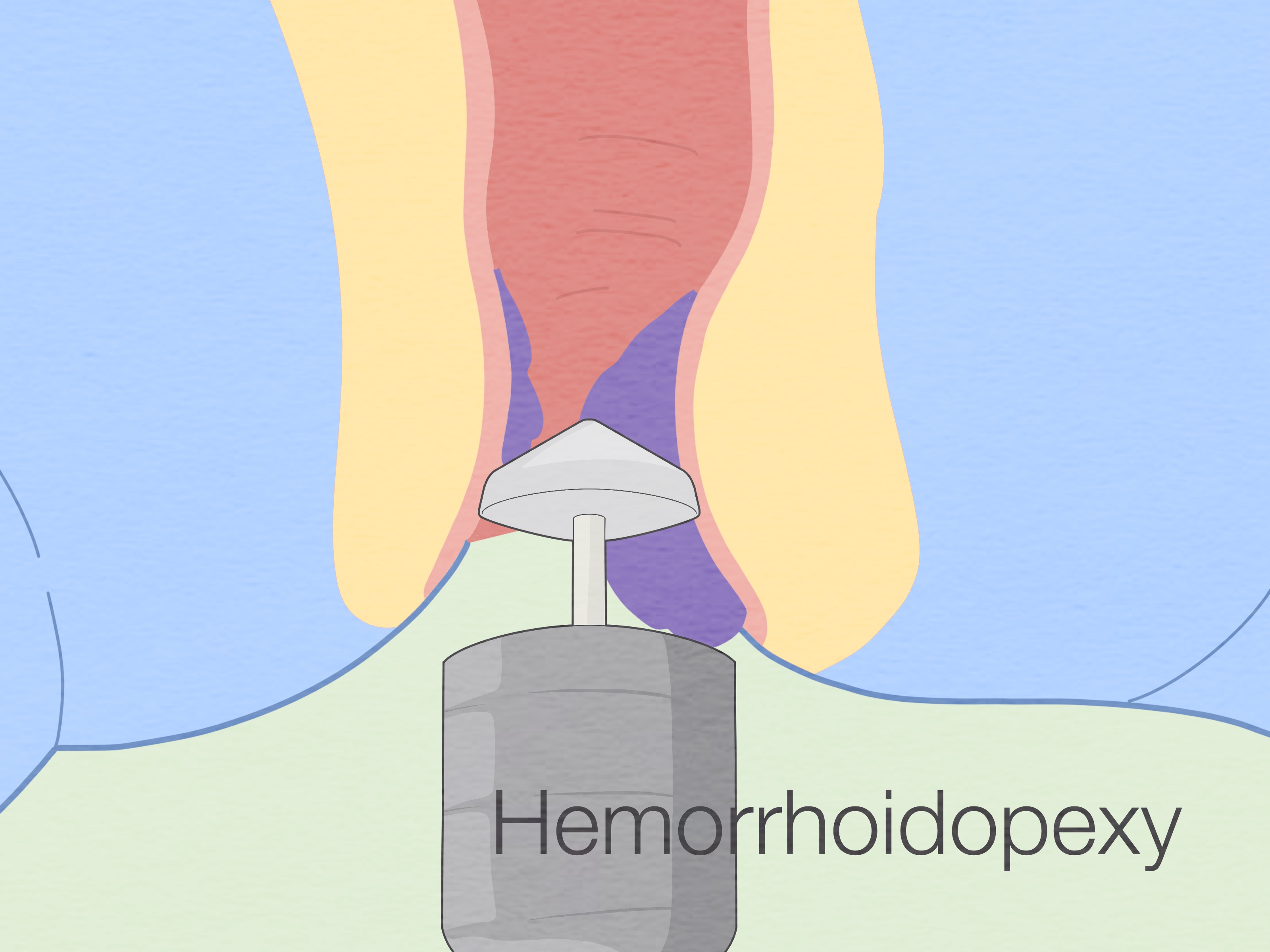
Stapled Hemorrhoidopexy and Other Procedures
Some patients may be candidates for stapled hemorrhoidopexy or other specialized procedures. The best option depends on the hemorrhoid type, severity, symptoms, medical history, and clinician expertise.
What Not to Do When You Have Hemorrhoids
Trying to speed things up the wrong way can make hemorrhoids worse. Avoid these common mistakes:
- Do not pop a hemorrhoid. It can cause bleeding, infection, and more pain.
- Do not use steroid creams for weeks without advice. Long-term use may damage skin.
- Do not ignore rectal bleeding. Get evaluated, especially if bleeding is new or recurring.
- Do not sit on hard surfaces for long periods. Use breaks, movement, or a soft cushion.
- Do not rely only on creams. They may reduce symptoms, but fiber and bowel habits help prevent recurrence.
A Simple 3-Day Fast Relief Plan
For a mild hemorrhoid flare, this practical plan may help reduce discomfort quickly while supporting healing.
Day 1: Calm the Flare
Take a warm sitz bath after bowel movements and before bed. Use a cold compress for swelling. Apply a short-term OTC hemorrhoid product if appropriate. Drink water and avoid straining.
Day 2: Fix the Stool Problem
Add fiber-rich meals such as oatmeal with berries, lentil soup, brown rice, vegetables, or beans. Consider a fiber supplement if your diet is low in fiber. Keep toilet visits short and respond promptly to bowel urges.
Day 3: Prevent the Comeback Tour
Continue warm baths if sore, maintain hydration, and avoid long sitting. If bleeding, severe pain, or swelling continues, call a healthcare provider. Hemorrhoids that keep returning may need a more specific treatment plan.
When to Seek Urgent Care
Get medical help quickly if you have severe anal pain with rectal bleeding, bleeding with abdominal pain, fever, diarrhea, dizziness, fainting, black or tarry stool, or a large amount of blood. Also seek care if you have rectal bleeding for the first time, are over 45 and have not had appropriate colorectal screening, or have unexplained weight loss or changes in bowel habits.
of Practical Experience: What Hemorrhoid Relief Really Feels Like Day to Day
Dealing with hemorrhoids is often less about one miracle cure and more about a collection of small decisions that add up. People usually want to know, “What works fastest?” The honest answer is that fast relief often comes from reducing irritation immediately while making bowel movements easier over the next several days. That means the warm bath, the cold compress, the gentle cleaning, the fiber, the water, and the shorter toilet time all matter. None of them sounds glamorous. All of them are more useful than pretending the problem will vanish while you keep living like your colon is a vending machine that accepts stress and low-fiber snacks.
One common experience is that the first day feels the most dramatic. Sitting may be uncomfortable. Walking may feel awkward. The bathroom may become a place of suspense. During this stage, a sitz bath can feel surprisingly helpful, not because it magically erases hemorrhoids, but because warm water relaxes the area and reduces that tight, irritated feeling. Many people find that soaking after a bowel movement is more useful than soaking randomly, because it calms the tissue right after the moment that tends to aggravate symptoms.
Another real-world lesson: cleaning technique matters. When the area is irritated, aggressive wiping can restart the burning and itching cycle. Switching to gentle rinsing, patting dry, or using soft unscented paper can make a noticeable difference. This is also when people discover that “fresh scent” products are not always friendly products. The anus does not need to smell like a spring meadow. It needs peace.
Food changes can feel slower, but they are often the turning point. Adding oatmeal at breakfast, beans at lunch, fruit as a snack, and vegetables at dinner may not sound like emergency medicine, but softer stool reduces the straining that keeps hemorrhoids angry. Some people notice improvement within a few days after increasing fiber and fluids. Others need a fiber supplement or advice from a clinician, especially if constipation has been a long-term problem.
Work routines matter too. Sitting for hours can worsen pressure and discomfort. Standing up every 30 to 60 minutes, taking short walks, and avoiding hard chairs can help. A soft cushion may feel better, although donut cushions are not perfect for everyone because they can sometimes increase pressure around the anal area. The best cushion is the one that reduces discomfort without making symptoms worse.
The biggest experience-based lesson is this: do not let embarrassment delay care. Healthcare professionals deal with hemorrhoids constantly. To them, this is routine anatomy, not a scandal. If pain is severe, bleeding continues, or home treatment does not help, an office procedure may solve the problem more effectively than another week of cream, hope, and suspicious internet hacks. Fast relief is wonderful, but accurate diagnosis and long-term prevention are what keep hemorrhoids from becoming repeat visitors.
Conclusion
Learning how to get rid of hemorrhoids starts with understanding why they flare in the first place. Warm sitz baths, cold compresses, OTC creams, pain relievers, and gentle cleaning can provide fast hemorrhoid relief. But the real long-term solution is usually softer stool, less straining, more fiber, better hydration, shorter toilet visits, and medical treatment when symptoms persist.
Hemorrhoids are common, treatable, and not a personal failure. Your digestive system is not judging you; it is just asking for better working conditions. Give it fiber, water, patience, and professional help when needed.

