
Hair Care
Health Benefits of Guava: How to Use It, Nutrition, and Risks
Aug
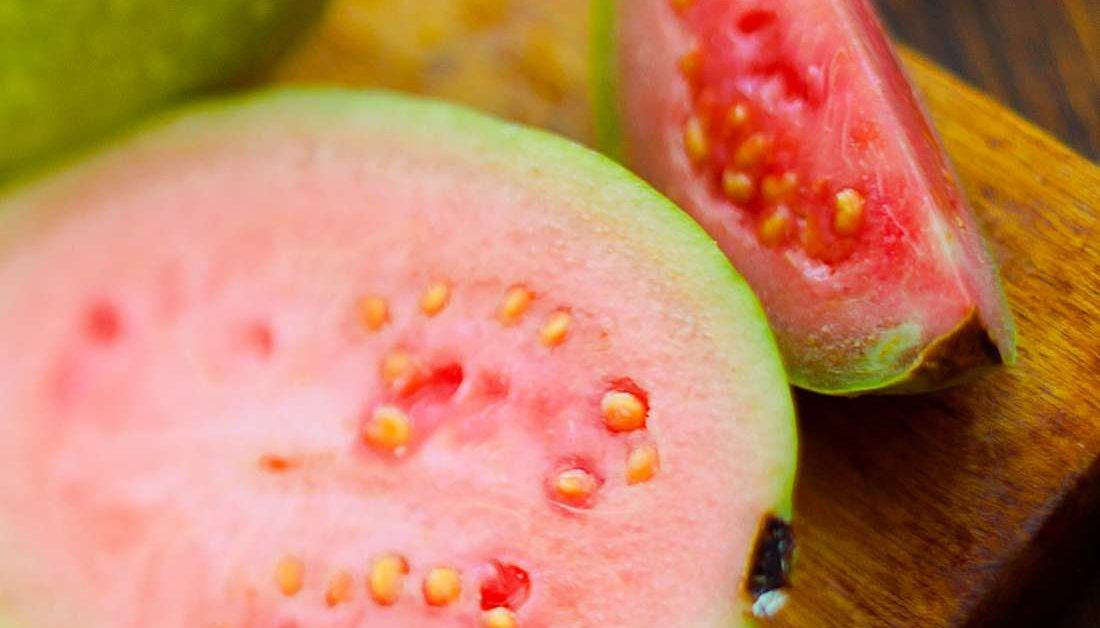
Guava may look like a modest green fruit that wandered into the produce aisle by accident, but its nutrition profile is anything but shy. Beneath the thin skin is fragrant pink, white, yellow, or red flesh packed with vitamin C, dietary fiber, potassium, folate, and protective plant compounds.
Fresh guava can support a balanced diet, digestive health, normal immune function, and heart health. However, it is not a cure for diabetes, high blood pressure, infections, or any other medical condition. Guava leaf tea and concentrated extracts also deserve more caution than the whole fruit because evidence about their effectiveness, dosage, interactions, and long-term safety remains limited.
What Is Guava?
Guava is a tropical fruit produced by plants in the Psidium genus, particularly Psidium guajava. It originated in tropical parts of the Americas and is now cultivated throughout Asia, Africa, the Caribbean, Florida, Hawaii, and other warm regions.
Depending on the variety, a ripe guava may taste sweet, tart, floral, or slightly musky. The peel, flesh, and seeds are generally edible. Pink and red guavas also contain carotenoid pigments, including lycopene, while every common variety offers useful nutrients.
Guava Nutrition Facts
According to data based on the USDA FoodData Central nutrient database, one cup of raw common guava, approximately 165 grams, provides the following estimated nutrition:
| Nutrient | Amount per cup | Why it matters |
|---|---|---|
| Calories | 112 | Provides energy without making guava especially calorie-dense |
| Carbohydrates | 23.6 grams | Includes naturally occurring fruit sugars and fiber |
| Dietary fiber | 8.9 grams | Supports bowel regularity, fullness, and metabolic health |
| Total sugars | 14.7 grams | Naturally occurring sugar rather than added sugar |
| Protein | 4.2 grams | A relatively notable amount for fruit, though not enough to replace protein foods |
| Fat | 1.6 grams | Naturally low in total fat |
| Vitamin C | About 377 milligrams | Supports collagen production, antioxidant defenses, and immune function |
| Potassium | About 688 milligrams | Helps support normal muscle, nerve, and heart function |
| Folate | About 81 micrograms | Needed for cell division and DNA production |
Exact amounts vary with variety, growing conditions, ripeness, and serving size. A single medium guava is smaller than a full cup, but it can still supply substantial vitamin C and around 3 grams of fiber.
Potential Health Benefits of Guava
1. Delivers an Exceptional Amount of Vitamin C
Guava is one of the richest commonly available fruit sources of vitamin C. One cup can provide several times the adult Daily Value, although your body will not store all that vitamin C in a secret emergency vault.
The National Institutes of Health Office of Dietary Supplements explains that vitamin C participates in collagen synthesis, immune function, antioxidant activity, and the absorption of iron from plant foods. Eating guava alongside lentils, beans, spinach, or fortified grains may therefore help the body absorb more nonheme iron.
This does not mean guava prevents every cold or instantly erases wrinkles. It means the fruit supplies a nutrient the body needs for normal tissue maintenance, wound healing, and immune defenses.
2. Supports Digestive Health
With nearly 9 grams of fiber per cup, guava can make a meaningful contribution to daily fiber needs. Fiber adds bulk to stool, helps it move through the digestive tract, and may make bowel movements easier to pass. The National Institute of Diabetes and Digestive and Kidney Diseases recommends consuming adequate fiber and fluids to help prevent or manage constipation.
Guava contains both soluble and insoluble fiber. Soluble fiber can interact with water and support beneficial intestinal bacteria, while insoluble fiber helps move material through the digestive system. For the best fiber payoff, eat the thoroughly washed peel when the variety has a pleasant, tender skin.
Add high-fiber foods gradually if your usual menu considers white bread an entire food group. A sudden guava marathon may cause bloating, cramps, or gas.
3. May Contribute to Heart Health
Guava supplies potassium, fiber, antioxidants, and very little sodium. Potassium helps maintain normal fluid balance, nerve transmission, and muscle contraction. The American Heart Association lists guava among potassium-rich fruits that may fit into a blood-pressure-friendly eating pattern.
Fiber-rich diets may also support healthier cholesterol levels. A small older human trial indexed by PubMed reported improvements in blood pressure and blood lipids after increased guava intake. The findings are interesting, but they do not prove that guava alone treats hypertension or high cholesterol. The study was limited, and modern large-scale clinical evidence is still lacking.
The practical conclusion is less glamorous but more reliable: use guava as one part of a diet rich in fruits, vegetables, legumes, whole grains, nuts, and other minimally processed foods.
4. Can Fit Into a Blood-Sugar-Conscious Diet
Whole guava contains natural sugar, but it also supplies abundant fiber. Fiber slows digestion and generally makes whole fruit more satisfying than juice. Research summarized by the Harvard T.H. Chan School of Public Health supports choosing whole fruit over juice because juice has less fiber, is consumed quickly, and may produce a sharper rise in blood glucose.
Small studies have explored whether guava fruit or guava leaf preparations affect glucose levels. Some results have been encouraging, but they are not strong enough to establish guava as a diabetes treatment. People with diabetes should count guava as a carbohydrate-containing food, watch portions, and follow their individualized nutrition and medication plan.
Fresh guava is also quite different from guava nectar, candy, jam, or paste. Those products may contain a generous amount of added sugarthe kind of generosity nobody requested.
5. Provides Antioxidant Plant Compounds
Vitamin C, carotenoids, flavonoids, and other phytochemicals help protect plant tissues and can contribute to the body’s antioxidant defenses. Pink and red guavas may provide lycopene, the pigment also found in tomatoes and watermelon.
Antioxidants help limit oxidative damage, but popular claims about guava “detoxing” the body or preventing cancer go beyond current evidence. Laboratory findings involving isolated guava compounds cannot automatically be translated into disease prevention in humans. Your liver and kidneys already handle detoxification; the guava does not need to arrive wearing a superhero cape.
6. May Help With Fullness and Weight Management
Guava combines water, fiber, sweetness, and relatively few calories for its volume. Fiber can slow eating and help a meal or snack feel more satisfying. The Mayo Clinic notes that fiber-rich foods can support fullness and healthy weight management.
Guava is not a fat-burning food. No fruit can overrule total calorie intake, sleep, activity, medications, genetics, and the rest of a person’s eating pattern. Still, replacing candy or a sugary pastry with fresh guava can be a useful everyday trade.
How to Select, Store, and Eat Guava
Choosing a Ripe Guava
Look for fruit that feels heavy for its size and has an intact surface. A ripe guava usually gives slightly when pressed and releases a noticeable floral aroma. Hard green fruit generally needs more time, while very soft fruit with leaking areas, mold, or a fermented smell belongs in the compost rather than breakfast.
Leave firm guavas at room temperature until they soften. Once ripe, refrigerate them in a container or produce bag and use them within several days. Cut guava should be refrigerated promptly in a covered container.
Preparing Guava Safely
Rinse guava thoroughly under running water before cutting it, even if you plan to remove the peel. The U.S. Food and Drug Administration recommends washing produce with plain running water rather than soap, detergent, or commercial produce wash.
Cut off the stem and blossom ends, then slice the fruit into wedges or cubes. The peel and seeds are edible, although some varieties have seeds firm enough to annoy sensitive teeth. People who dislike the texture can scoop out the seed-filled center or press blended guava through a sieve, understanding that straining removes some fiber.
Easy Ways to Use Guava
- Eat it fresh: Add lime juice and a small pinch of chili powder for a sweet-tart snack.
- Build a balanced breakfast: Mix guava with plain Greek yogurt, oats, nuts, or seeds.
- Make a smoothie: Blend guava with milk or unsweetened soy milk, ice, ginger, and another fruit. Keep the pulp to preserve fiber.
- Prepare salsa: Combine diced guava with tomato, red onion, cilantro, jalapeño, and lime.
- Upgrade a salad: Pair it with leafy greens, cucumber, avocado, beans, grilled chicken, or fish.
- Use it in savory cooking: Guava works in chutneys, glazes, and sauces, but added sugar should be controlled.
- Enjoy concentrated products occasionally: Guava paste, jelly, nectar, and candy are desserts or condiments, not nutritional twins of fresh fruit.
How Much Guava Should You Eat?
There is no medically required guava dose. Roughly one medium fruit or one-half to one cup of sliced guava can serve as a practical portion, depending on energy needs, digestive tolerance, blood glucose goals, and the rest of the meal.
Guava should add variety rather than replace every other fruit. Different fruits provide different combinations of fiber, vitamins, minerals, and phytochemicals. A colorful rotation of berries, citrus, apples, melons, guava, and other fruits is more nutritionally interestingand prevents your refrigerator from looking like it joined a guava cult.
Guava Leaf Tea Is Not the Same as Guava Fruit
Guava leaves are used in traditional preparations, teas, powders, capsules, and extracts. Laboratory research and several small human studies have investigated possible effects on post-meal glucose, diarrhea, inflammation, and cholesterol. Reviews available through the National Library of Medicine describe potentially active compounds but also emphasize the need for better clinical research.
A cup of herbal tea or a concentrated supplement cannot be assumed to have the same safety profile as eating the fruit. Strength, purity, dosage, and ingredients vary between products. Do not use guava leaf preparations as a replacement for prescribed diabetes, blood-pressure, or gastrointestinal treatment.
Possible Risks and Side Effects
Digestive Discomfort
Large portions can cause gas, bloating, abdominal discomfort, or changes in bowel habits, particularly when fiber intake rises suddenly. Increase portions gradually and drink enough fluid. People following a medically prescribed low-fiber diet should ask their clinician whether guava is appropriate.
Blood Sugar Considerations
Fresh guava contains carbohydrates and can raise blood glucose. People using insulin or glucose-lowering medicine should consider serving size and total meal composition. Pairing guava with yogurt, nuts, eggs, or another protein source may create a more balanced snack. Sweetened juice, nectar, jam, and paste generally require greater caution.
Kidney Disease and Potassium
Guava’s potassium is beneficial for many people, but individuals whose kidneys cannot remove potassium efficiently may require a restricted intake. The National Kidney Foundation advises people with chronic kidney disease or high blood potassium to obtain individualized guidance from a clinician or renal dietitian.
Allergic Reactions
Guava allergy appears uncommon, but any food can cause a reaction. Stop eating it and seek medical advice if it causes hives, swelling, vomiting, or persistent itching. Trouble breathing, throat tightness, faintness, or rapidly worsening swelling requires emergency care.
Supplements, Medications, and Pregnancy
Guava leaf supplements may have additive effects when combined with medicines that lower blood sugar or blood pressure. Reliable information about their use during pregnancy, breastfeeding, childhood, or before surgery is limited. The National Center for Complementary and Integrative Health notes that many herbal supplements have not been adequately tested in pregnant women, nursing mothers, or children and may interact with medications.
Discuss concentrated extracts, capsules, or regular medicinal use of guava leaf tea with a qualified healthcare professional. Normal culinary use of the fruit is a separate matter and is generally well tolerated by healthy adults.
Conclusion
Guava is a flavorful, fiber-rich fruit with an unusually high vitamin C content. Its potassium, folate, carotenoids, and other plant compounds make it a useful addition to a varied eating pattern. The most reliable benefits come from enjoying fresh guava as foodnot expecting a supplement or leaf tea to perform medical miracles.
Eat the washed peel when you enjoy its texture, keep the pulp in smoothies, and treat sweetened guava products as occasional extras. Start with a moderate portion if you are not accustomed to high-fiber fruit. People managing diabetes, kidney disease, allergies, pregnancy, or prescription medications should obtain personalized guidance before using concentrated guava products.
Practical Experience: What Adding Guava to a Weekly Routine Can Be Like
The following example is an illustrative, experience-based scenario rather than a clinical experiment. Imagine someone who regularly eats apples and bananas but has never prepared fresh guava. The first surprise at the store is that ripe guava is easier to choose with the nose than the eyes. A pale green or yellow fruit may look unremarkable yet release a strong tropical aroma when ready. Very hard, odorless guavas need a few days on the counter.
On the first morning, the person washes one fruit, trims the ends, and slices it into wedges. The peel is thinner than expected, while the center contains numerous firm seeds. The flavor falls somewhere between pear, strawberry, citrus, and its own highly perfumed category. Eating the fruit slowly makes the seeds less troublesome, although someone with sensitive teeth may prefer thin slices or seedless puree.
For breakfast, half a cup of chopped guava is added to plain Greek yogurt with oats and walnuts. This combination is noticeably more filling than drinking a glass of guava nectar. The yogurt contributes protein, the walnuts add fat and crunch, and the whole guava retains its fiber. By late morning, the snack drawer is less persuasive than usual. That is not proof of a magical appetite effect; it is simply what can happen when fiber and protein replace a sweet drink.
Later in the week, ripe fruit is blended with unsweetened milk, ice, lime, and ginger. The first version is strained and tastes silky, but much of the fibrous pulp remains in the sieve. The next version is blended longer and left unstrained. It is thicker and more satisfying, though the tiny seed fragments give it a rustic personality. A high-powered blender helps, but it cannot negotiate peace with every guava seed.
A savory experiment may be even more successful. Diced guava, red onion, jalapeño, cilantro, and lime become a salsa for grilled fish or black-bean tacos. The fruit supplies sweetness without requiring a sugary bottled glaze. Slightly underripe guava works especially well because it holds its shape and has a sharper flavor.
Digestive changes are possible. Someone moving from a low-fiber diet to several guavas a day may notice gas or urgency. Reducing the portion to half a fruit, increasing fiber gradually, and drinking water usually makes the transition more comfortable. Bigger is not automatically healthier, especially when the digestive system has not received the meeting invitation.
Storage becomes the final lesson. Buying six ripe guavas at once can create a short and fragrant race against time. A better routine is to purchase a mixture of firm and nearly ripe fruit, ripen it on the counter, and refrigerate each piece as it softens. Extra ripe flesh can be frozen in measured portions for smoothies.
After a week, the most realistic takeaway is not that guava transforms health overnight. It is that the fruit offers an enjoyable way to add vitamin C, fiber, and variety to ordinary meals. The habits that make the difference are practical ones: choosing whole fruit more often than sweetened nectar, controlling portions, keeping the edible skin when tolerated, and combining guava with balanced foods instead of treating it as a stand-alone cure.

