
Beauty Tools & Accessories
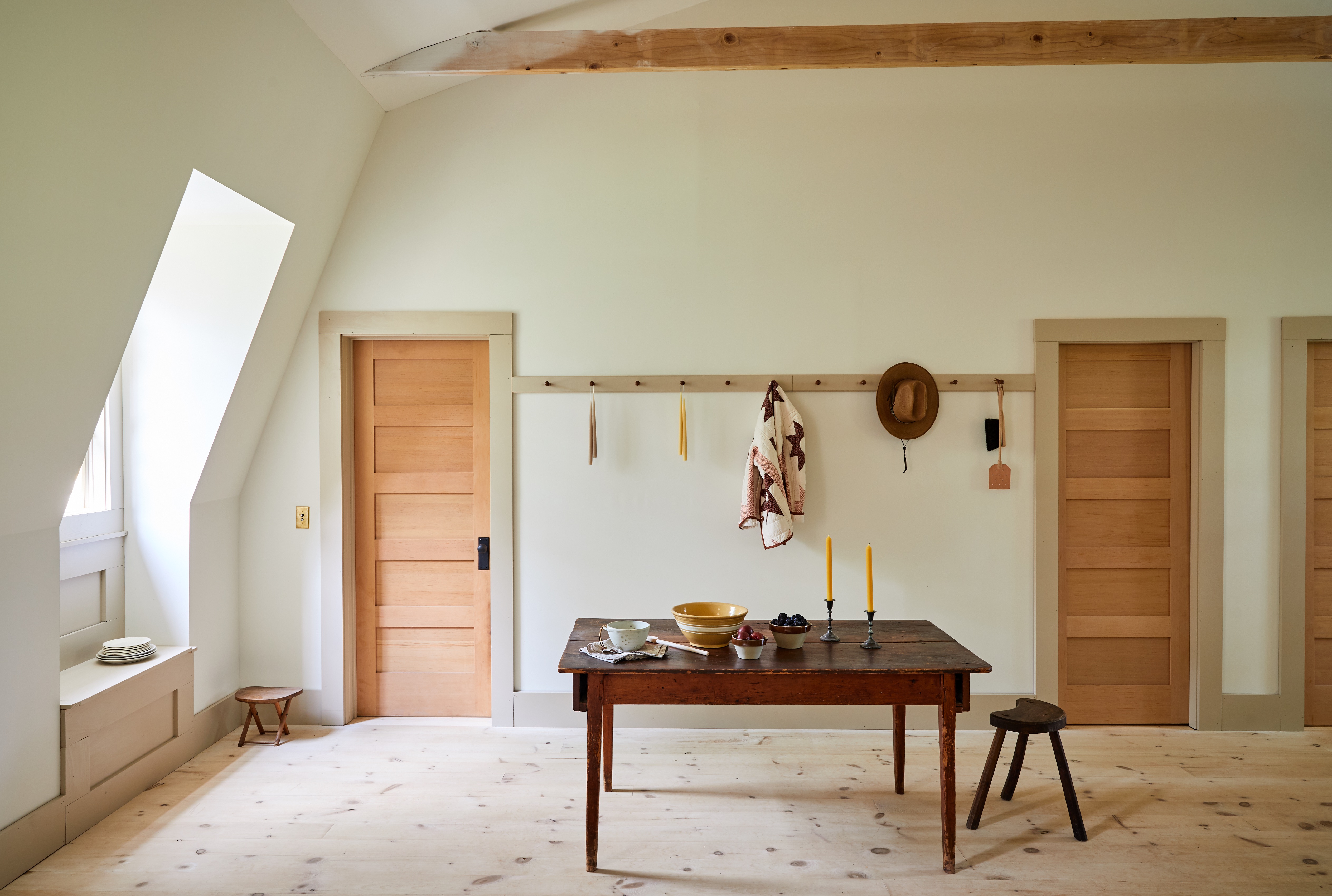
Steal This Look: A Working Dining Room in the Catskills, Shaker Edition
Jul
A great dining room should do more than sit around looking handsome while waiting for Thanksgiving. It should welcome muddy boots, half-finished pies, piles of mail, late-night tea, breakfast with friends, and the occasional ambitious person who decides to pickle something on a Tuesday. That is the charm of a Catskills-inspired working dining room with Shaker influence: it is calm, useful, warm, and gloriously uninterested in performing for the camera every second of the day.
This look is not about creating a museum replica or living inside a historical reenactment with suspiciously perfect apples. It is about borrowing the best ideas from Shaker designsimplicity, craftsmanship, order, and beauty through usefulnessand giving them a relaxed, modern country-life twist. Think pale walls, honest wood, practical storage, handmade ceramics, a hardworking table, and enough visual breathing room to make even a stack of dishes look intentional.
What Makes a Catskills Shaker Dining Room Different?
A Catskills Shaker dining room sits somewhere between farmhouse practicality and quiet minimalism. It feels rooted in the landscape, but not overly rustic. It has personality, but it does not scream from the rafters. Most importantly, it is designed to be used.
The Shaker influence comes from a long tradition of making objects that were straightforward, durable, and thoughtfully proportioned. Historic Shaker interiors relied on built-in storage, peg rails, lightweight furniture, simple lines, and carefully organized rooms. The idea was not to decorate for decoration’s sake. Every object had a purpose, and the room looked better because clutter was not allowed to start its own government.
The Catskills side of the equation softens that discipline. Instead of a severe white room with one perfect wooden chair, imagine a place where a vintage bench sits near a bowl of apples, a linen towel hangs from a peg rail, and a hand-thrown crock holds wooden spoons. It is practical, but never cold. It is spare, but not lonely.
The Core Design Formula
To recreate the look, start with five ingredients: a substantial wood dining table, pared-back seating, light-reflecting walls, visible storage that stays organized, and a few well-chosen handmade objects. The secret is restraint. You are building a room that feels collected over time, not a gift shop that has been attacked by a wagon wheel.
Start With the Bones: Quiet Walls, Honest Wood, and Natural Light
The most successful Shaker-inspired rooms usually begin with a neutral foundation. Warm white, cream, soft putty, pale mushroom, muted stone, and gentle gray-green all work beautifully. Avoid bright, icy white if your goal is a room that feels settled and welcoming. The right white should look like milk in a ceramic pitcher, not the inside of a dentist’s office.
In a working dining room, wall color is not merely background scenery. It helps make the wood furniture, pottery, textiles, and food feel more alive. A warm off-white also makes the room flexible enough to handle seasonal changes. In summer, it looks fresh beside wildflowers and open windows. In winter, it gives candlelight and wood grain a chance to do the heavy lifting.
Wood should appear natural and useful rather than glossy or overly perfected. Wide-plank floors, oak doors, maple furniture, pine trim, or a weathered farm table all suit the look. A few dents, scratches, and signs of use are welcome. They suggest that people actually eat here, instead of surviving entirely on sparkling water and aesthetic restraint.
Let the Windows Do Their Job
Keep window treatments simple. Linen café curtains, woven shades, or unlined panels in a natural fabric can soften the room without blocking the view. In a Catskills-style interior, the landscape is part of the décor. A window that frames trees, hills, snow, rain, or a slightly judgmental squirrel is better than a dramatic curtain trying to win an award.
Choose a Dining Table That Can Handle Real Life
The table is the engine of this room. It should be sturdy enough for family meals, bread dough, homework, flower arranging, laptop work, holiday baking, and the occasional puzzle that refuses to leave for three weeks. A thick-top oak, maple, cherry, walnut, or painted pine table works especially well.
Look for simple construction rather than ornate carving. A trestle table, farmhouse table, refectory table, or plain rectangular table with turned legs can all deliver the right mood. The best choice depends on how you use the room. A trestle base is especially useful when you need flexible seating because people can slide in more easily along the sides without table legs blocking everyone’s knees.
Do not worry if your table is old, mismatched, or a little scarred. In fact, that may be the point. A table with a few marks feels less precious, which makes guests more comfortable. Nobody should be afraid to place a soup bowl on the table without first filing an insurance claim.
How Big Should the Table Be?
For everyday use, leave enough room for chairs to pull back comfortably and for people to move around the table without doing a complicated sideways shuffle. A smaller room can benefit from a narrow farmhouse table or a drop-leaf design. A larger dining room can support a long communal table with benches at one side and chairs at the other.
A useful example: in a compact dining room, place a 60- to 72-inch rectangular table parallel to the longest wall. Add four chairs and a bench that can tuck beneath the table. The bench provides flexible seating when friends arrive, but disappears when the room needs more circulation space.
Mix Seating Instead of Buying a Matching Set
Matching dining chairs can look polished, but a working Catskills dining room benefits from a little variation. Shaker-style ladder-back chairs, spindle-back chairs, simple painted chairs, stools, benches, and a single antique side chair can coexist beautifully when they share a similar scale or color family.
The goal is not chaos. You do not want every chair to look like it arrived from a different decade after losing its luggage. Instead, choose one visual thread: natural wood tones, black-painted finishes, muted greens, warm cream, or woven seats. This creates an easy, collected look while keeping the room coherent.
A bench is especially useful in a working dining room because it can serve several roles. It can seat children, hold baskets, become temporary landing space for a tray of food, or move against the wall when you need an impromptu serving area. That is the kind of furniture multitasking Shaker-inspired spaces appreciate.
Use One Chair as a Quiet Accent
Add a single special chair near a window, sideboard, or peg rail. It could be a vintage rocking chair, a low stool, a painted side chair, or an old wooden chair with a rush seat. This small move prevents the room from feeling too planned. It also gives someone a place to sit while pretending they are only “keeping you company” during dinner prep.
Bring Back the Peg Rail: The Most Useful Wall Detail in the Room
A peg rail is one of the easiest ways to borrow authentic Shaker logic without turning your dining room into a historical exhibit. Installed at chair-rail height or slightly higher, it creates instant storage for aprons, market baskets, linen towels, lightweight trays, hats, brooms, or extra chairs.
The key is to use it with discipline. A peg rail looks wonderful when it holds a few beautiful, useful things. It looks less wonderful when it becomes the final resting place for fourteen tote bags, three raincoats, a lanyard from 2019, and a mysterious scarf that belongs to nobody.
Paint the peg rail to match the wall for a subtle, architectural effect. Choose natural maple or oak if you want it to stand out. Either way, keep the shape simple. Rounded pegs on a straightforward board are enough. The beauty is in the rhythm and utility, not in fancy brackets that look like they were borrowed from a medieval castle.
Other Storage That Belongs Here
Consider a freestanding cupboard, shallow wall shelf, old dresser, or low sideboard for dishes and serving pieces. Built-ins are ideal when renovating, but not mandatory. The point is to give everyday objects a dedicated home so the table can remain open for actual living.
Open shelves can work well, especially for stacks of plates, drinking glasses, ceramic bowls, and folded napkins. Keep the display edited. Everyday objects become decoration when they are repeated, orderly, and useful. One stack of white plates looks calm. Twenty-seven souvenir mugs look like a cry for help.
Use Practical Objects as Decoration
The Shaker-inspired approach shines when ordinary tools and tableware are allowed to be beautiful. A stoneware crock can hold utensils. A yellowware bowl can hold fruit. A hand broom can hang on the wall. A linen cloth can be folded over a bench. A wooden stool can double as a plant stand, extra seating, or a place to set a tray.
This is a room where useful things should not be hidden away simply because they are useful. Choose the things you enjoy touching: a wooden brush, a hand-thrown pitcher, a woven basket, a small tray, a ceramic colander, a vintage breadboard, or hand-dipped candles in earthy colors.
The trick is to edit. Aim for a handful of materials repeated throughout the room: wood, linen, pottery, iron, brass, woven fiber, and glass. When the materials repeat, the room feels intentional even when the pieces are collected from different places.
Pottery Is the Secret Weapon
Handmade ceramics bring warmth to a restrained room. Choose bowls, crocks, pitchers, and mugs in white, cream, oatmeal, brown, ocher, charcoal, or muted blue. They should look good on a shelf, but also survive breakfast. The best pottery is never too precious for a fried egg.
Layer in Textiles Without Losing the Simplicity
A working dining room should not feel bare. Add softness through a linen runner, simple napkins, woven seat cushions, a small rag rug, or a folded quilt on a nearby bench. Choose fabrics with texture rather than loud patterns: flax linen, washed cotton, ticking stripe, faded checks, canvas, wool, or handwoven cloth.
Keep patterns modest and purposeful. A striped kitchen towel, a quilted table cover, or a small geometric textile can add charm without making the room feel overly themed. Shaker-inspired interiors are not afraid of color, but the color should appear in concentrated moments rather than covering every surface.
A faded blue runner, mustard napkins, rust-colored candles, or a green-painted chair can provide enough contrast in a neutral room. These touches should feel like vegetables from a garden basket, not like a paint store exploded during brunch.
Light the Room for Both Dinner and Daily Chores
A single decorative pendant may look wonderful, but a working dining room needs useful light. Start with a central fixture that gives broad illumination across the table. A simple metal pendant, woven shade, schoolhouse-style fixture, or understated lantern can all work.
Add layers with wall sconces, a small table lamp on a sideboard, or candleholders for evening meals. Soft light matters because the room needs to transition from weekday breakfast headquarters to cozy dinner-party territory without requiring a complete set change.
Avoid overly shiny fixtures or anything too ornate. The room should feel crafted, not costume-y. Aged brass, blackened metal, natural fiber, ceramic, and milk glass are all strong choices.
Create a Layout That Encourages People to Stay
A good dining room is not simply a table surrounded by chairs. It is a social machine. The layout should make it easy for people to sit, serve food, clear dishes, and linger after dessert.
Place the table where it receives the best natural light, but do not block the main traffic path. Keep serving pieces near the kitchen or pantry if possible. Use a sideboard for water glasses, candles, and extra plates. Put a basket near the door for market bags or firewood. Hang towels where they are needed, not where they photograph best.
In a larger room, create a quiet secondary zone with a chair, stool, or narrow bench. In a smaller room, let one piece do double duty. A small cupboard can hold dinnerware and become a serving station. A bench can provide seating and storage. A stool can act as an extra chair, plant stand, or emergency pie platform.
Try the “Three-Minute Reset” Test
At the end of a normal day, could you clear the table, hang the towels, stack the dishes, return the baskets, and make the room presentable in three minutes? If not, the problem is not that you need more decorative baskets. You probably need better storage, fewer objects, or a stronger system.
That is the real beauty of this style: it supports daily life instead of demanding constant tidying. A room that works well feels peaceful because it has fewer opportunities to become a tiny household disaster.
How to Avoid Making the Room Look Like a Theme Restaurant
The difference between Shaker-inspired and overly staged comes down to balance. Use the principles, not every symbol. You do not need to fill the room with reproduction furniture, antique signs, faux lanterns, and enough distressed wood to start a small lumberyard.
Pair one or two vintage pieces with clean contemporary elements. Hang modern art beside an old peg rail. Use a simple new pendant above an antique table. Put handmade pottery on open shelves next to everyday glassware. Mix old and new so the room feels lived in rather than preserved behind velvet ropes.
The best Catskills Shaker dining rooms are quietly confident. They do not announce their style from the driveway. They simply make you want to sit down, pour something warm, and stay long enough to hear the second story.
Final Thoughts: A Dining Room That Earns Its Place
A working dining room in the Catskills Shaker style is not about owning perfect furniture or copying a historic interior line for line. It is about making thoughtful choices: fewer objects, better materials, useful storage, warm light, honest wood, and a table that is ready for whatever the day brings.
When done well, the room feels simple without being empty, rustic without being rough, and polished without becoming precious. It becomes the kind of place where homemade bread, work emails, birthday candles, rainy-day crafts, and long dinners can all coexist. In other words, it becomes a dining room that actually deserves the name.
Living With the Look: The Everyday Experience of a Working Catskills Dining Room
The real test of this dining room happens after the styling is finished and the first guest has already spilled something. In the morning, the table becomes a landing strip for coffee, toast, and the newspaper that somehow multiplies even though nobody subscribes to paper anymore. Light moves across the wood surface, catching the grain, the bowl of fruit, and yesterday’s tiny flour dusting from a baking project that got a little too enthusiastic.
By late morning, the room changes jobs without needing to change costumes. A laptop opens at one end of the table. A child draws at the other. A dog naps under a bench with the determination of someone paying absolutely no rent. The peg rail holds an apron, a market tote, and a dish towel that may or may not be clean. Nothing looks staged, but nothing feels chaotic either. The room has enough order to support ordinary mess.
That is where the Shaker influence becomes more than a visual reference. It creates a rhythm. You know where the linens go. You know where extra chairs live. You know that the ceramic crock is for wooden spoons, the cupboard is for plates, and the basket near the door is for things that need to travel back outside. Small systems make a room feel generous because they remove the constant question of where everything belongs.
In the afternoon, the room might become a prep space for dinner. Vegetables are washed. Herbs are chopped. A loaf of bread cools on a towel. The table is not too polished to touch, so people relax around it. A scratched tabletop is forgiving. It tells everyone that life is expected here, including imperfect knife skills and the occasional sauce catastrophe.
Evening is when the room earns its emotional keep. Candles come out, not because the room requires drama, but because dinner feels better with a little glow. The overhead light softens. Chairs scrape lightly across the floor. Someone moves a stool closer to the table because there are more people than expected, which is usually the best kind of problem.
The room does not need elaborate centerpieces. A bowl of pears, a pitcher of branches, or a few taper candles are enough. The warmth comes from the human activity: passing dishes, leaning back after dessert, telling stories twice because someone new has joined the table. The objects in the room stay useful, but they gain meaning through repetition.
A Catskills Shaker dining room also changes with the seasons. In spring, muddy boots and fresh branches show up near the door. In summer, windows open and dinner runs late. In autumn, apples, squash, and heavy linen napkins take over the table. In winter, the same simple wood, pottery, and candlelight feel almost ceremonial. The room does not need a complete redesign every season. It simply absorbs what the season brings.
That is the lasting appeal of this look. It is not trying to freeze time. It is designed to support it. The table gathers marks, the linens soften, the wood darkens slightly, and the useful objects become familiar. Over time, the room becomes less about a style and more about a habit: a place where people come together, put things down, eat something good, and stay a little longer than planned.

