
Hair Care
Can Drinking Alcohol Cause Hives?
Jul
Yes, drinking alcohol can cause hives in some peopleand it can make existing hives much itchier and more noticeable. However, the alcohol itself is n contain a surprisingly crowded guest list of potential triggers, including sulfites, grains, yeast, grapes, flavorings, preservatives, and histamine-related compounds.
A reaction may appear as a few itchy welts around the face and chest or as widespread hives accompanied by swelling, wheezing, or dizziness. The first situation is uncomfortable. The second can be a medical emergency. Understanding the difference between alcohol intolerance, an ingredient sensitivity, and a true allergic reaction is therefore more important than simply blaming the last glass of cabernet.
hat Do Alcohol-Related Hives Look Like?
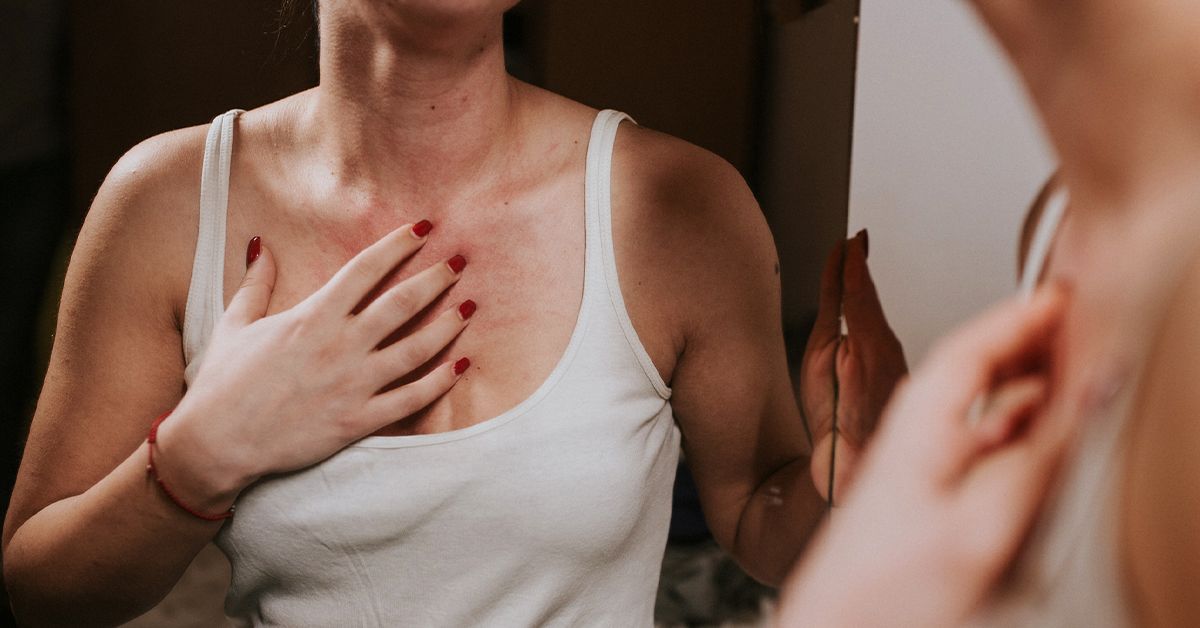
Hives, medically called urticaria, are raised, itchy welts that can be red, pink, or close to your natural skin tone. They may be tiny spots, broad patches, or oddly shaped areas that look as though your skin is attempting abstract art.
Individual welts often change shape, disappear, and reappear somewhere else. Pressing the center of a hive may cause it to briefly turn pale, a feature called blanching. Hives can occur anywhere, but alcohol-related reactions are often noticed first on the face, neck, chest, arms, or abdomen.
Deeper swelling beneath the skin is called angioedema. It commonly affects the lips, eyelids, face, hands, or feet. Swelling of the tongue or throat is much more serious because it can interfere with breathing.
ow Can Drinking Alcohol Cause Hives?
Alcohol can contribute to hives through several mechanisms. Two people may drink the same beverage, develop similar-looking welts, and still have completely different triggers.
Alcohol May Increase Histamine Activity
Histamine is one of the chemicals involved in itching, swelling, flushing, and allergic symptoms. Alcohol metabolism produces acetaldehyde, which may promote histamine release in certain people. Some individuals also break down acetaldehyde less efficiently because of differences in the aldehyde dehydrogenase enzyme.
This reaction is better known for causing facial flushing, warmth, headache, nausea, or a rapid heartbeat. It is not automatically an allergy. Still, increased histamine activity may aggravate itching or contribute to hive-like symptoms in susceptible people.
lcohol Can Worsen Existing Urticaria
For someone with chronic or recurring hives, alcohol may function as an aggravating factor rather than the original cause. Alcohol widens blood vessels, creates a sensation of warmth, and may intensify skin redness and itching. Alcoholic beverages are recognized as possible triggers or symptom amplifiers in people with urticaria.
This means a person may already have an overactive hive response caused by an infection, medication, heat, pressure, stress, or chronic spontaneous urticaria. A drink then turns the volume from “annoying background itch” to “why am I scratching like I rolled in fiberglass?”
ou May Be Reacting to an Ingredient in the Drink
True allergy to ethanol is considered uncommon. More often, a person reacts to something used to make, preserve, flavor, or serve the beverage. Possible triggers include:
- Sulfites and other preservatives
- Barley, wheat, rye, or corn
- Yeast or fermentation byproducts
- Grapes, apples, or other fruits
- Hops and botanical flavorings
- Egg, dairy, or fish-derived fining agents
- Artificial colors and flavorings
- Nuts, fruit syrups, herbs, or spices in cocktails
A person who develops hives after beer, for example, may be reacting to barley or wheat rather than alcohol. Someone who reacts only to a particular cocktail may need to investigate the mixer, garnish, syrup, or liqueurnot interrogate the ice cubes.
ulfites Can Trigger Skin or Breathing Symptoms
Sulfites are preservatives used in various foods, medications, wines, beers, and other beverages. Sensitive individuals may experience wheezing, coughing, flushing, skin reactions, or, rarely, a severe allergic response. People with asthma appear more likely to experience sulfite-related breathing symptoms.
A sulfite reaction is not the same as an allergy to sulfonamide antibiotics, sulfur, sulfates, or every substance whose name happens to begin with “sulf.” Chemistry enjoys making medical labels sound more related than they really are.
lcohol Can Act as a Reaction Cofactor
Alcohol sometimes makes a separate allergic reaction more likely or more severe. A person may tolerate a certain food on an ordinary day but develop hives after eating it with alcohol. Exercise, heat, illness, lack of sleep, and certain medications can also act as cofactors.
Suppose someone eats shrimp at dinner, drinks two beers, takes a hot walk home, and develops hives. The cause may not be beer alone. Alcohol and exercise may have lowered the threshold for a shellfish reaction that otherwise would have remained mild or unnoticed.
hich Alcoholic Drinks Are Most Likely to Trigger Hives?
Wine
Wine may contain sulfites, naturally occurring fermentation compounds, histamine, and other biogenic amines. Grapes, yeast, and processing agents can also be relevant. Reactions may include flushing, nasal congestion, itching, hives, asthma symptoms, or stomach discomfort.
Reacting to red wine but not white wineor the reversedoes not prove which ingredient is responsible. Recipes, grape varieties, fermentation methods, additives, and serving conditions vary considerably among products.
eer and Malt Beverages
Beer introduces several possible triggers at once: barley, wheat, hops, yeast, sulfites, flavorings, and other ingredients. Specialty and craft beers may contain fruit, spices, chocolate, nuts, lactose, or unusual botanicals. For allergy detectives, the ingredient label on a pastry stout can read like a small grocery receipt.
Beer-related sensitivity may produce hives alongside sneezing, wheezing, nausea, abdominal pain, vomiting, or diarrhea. A reaction to one beer does not necessarily mean every beer will cause the same response, but deliberately testing that theory without medical guidance is unsafe if the original reaction was significant.
ocktails and Flavored Liquors
Cocktails can contain fruit juice, egg white, dairy, nut syrups, bitters, herbs, spices, food dyes, energy drinks, and several types of alcohol. Cross-contact at a busy bar is also possible. A reaction attributed to vodka may actually come from almond syrup, citrus, a maraschino cherry, or residue in a shared shaker.
Straight Spirits
Unflavored distilled spirits may contain fewer residual proteins than beer or wine, but they are not automatically safe. Flavorings, colorings, barrel-aging compounds, mixers, and alcohol itself may still contribute. Rare cases of serious reactions associated with ethanol or its metabolites have been documented.
lcohol Allergy, Alcohol Intolerance, or Simple Flushing?
These terms are often used interchangeably, but they describe different processes.
Alcohol Intolerance
Alcohol intolerance usually involves difficulty metabolizing alcohol or acetaldehyde. Common symptoms include facial flushing, warmth, stuffy nose, nausea, headache, and a rapid heartbeat. Although the skin may look dramatically red, flat flushing is not the same thing as raised, migrating hives.
Allergic or Hypersensitivity Reaction
An allergic reaction may include itchy hives, swelling, wheezing, throat tightness, vomiting, abdominal cramps, dizziness, or a drop in blood pressure. The immune trigger may be a beverage ingredient rather than ethanol.
Chronic Hives Aggravated by Alcohol
When someone already experiences hives on unrelated days, alcohol may simply worsen the condition. Chronic hives are defined as hives that continue or repeatedly return for more than six weeks. Many cases are not caused by a traditional food allergy, even though antihistamines may still help control symptoms.
ow Quickly Can Hives Appear After Drinking?
An immediate hypersensitivity reaction may begin within minutes and often develops within approximately two hours. The timing can vary depending on the trigger, amount consumed, accompanying food, exercise, medications, and personal sensitivity.
Delayed rashes have also been reported, but hives appearing the next morning are harder to attribute confidently to alcohol. Infections, medications, foods, pressure, heat, and spontaneous urticaria may be alternative explanations.
Photograph the rash before it disappears. By the time a medical appointment arrives, hives often perform their favorite trick: vanishing and making you look as though you imagined the entire episode.
hat Should You Do If Alcohol Gives You Hives?
Stop Drinking the Suspected Beverage
Do not finish the drink to determine whether the reaction becomes worse. Stop consuming it and avoid additional alcohol until the cause has been evaluated, especially when the reaction is new, recurrent, or associated with swelling.
Manage Mild, Isolated Hives Safely
For mild hives without breathing problems, facial or throat swelling, faintness, or repeated vomiting, a healthcare professional may recommend a nonsedating antihistamine. Follow the product directions or your clinician’s instructions. Cool compresses, loose clothing, and a lukewarm environment may also reduce discomfort.
Do not use antihistamines as permission to keep drinking. Sedating antihistamines such as diphenhydramine or hydroxyzine can interact with alcohol and increase drowsiness, impaired coordination, and other side effects.
now the Emergency Warning Signs
Call 911 or seek emergency medical care immediately when hives occur with any of the following:
- Trouble breathing, wheezing, or chest tightness
- Swelling of the lips, tongue, mouth, face, or throat
- Difficulty speaking or swallowing
- Dizziness, fainting, confusion, or sudden weakness
- Repeated vomiting or severe abdominal symptoms
- Rapidly spreading symptoms involving multiple body systems
If you have been prescribed an epinephrine auto-injector, use it according to your emergency plan and then obtain immediate medical care. Antihistamines cannot replace epinephrine in anaphylaxis.
ow Is the Trigger Diagnosed?
An allergist or dermatologist may begin with a detailed history rather than a single definitive “alcohol allergy test.” Useful information includes the exact drink, brand, amount, ingredients, timing, accompanying foods, medications, exercise, menstrual cycle, heat exposure, and whether other people consumed the same items.
Keep a reaction diary and record:
- The beverage name, type, and brand
- How much you consumed
- Everything eaten during the previous several hours
- Medications and supplements taken that day
- Exercise, illness, heat, or unusual stress
- When symptoms started and how long they lasted
- Photos of the skin eruption
- Any breathing, digestive, or circulatory symptoms
Depending on the pattern, a clinician may consider allergy testing for grains, fruits, foods, or other suspected ingredients. Supervised challenge testing is occasionally used in specialized settings. Do not conduct a home drinking challenge after a reaction involving airway swelling, breathing difficulty, faintness, or widespread hives.
Can Alcohol-Induced Hives Be Prevented?
The most dependable prevention strategy is avoiding the suspected beverage until the cause is understood. Switching randomly from wine to beer to liquor may produce more confusionand possibly another reaction.
Once a clinician identifies a likely trigger, prevention may involve avoiding a particular ingredient, beverage category, or alcohol altogether. Read labels when available, ask bartenders or restaurants about syrups and garnishes, and be cautious with drinks that do not provide complete ingredient information.
People with a history of severe allergic reactions should follow their emergency action plan, carry prescribed epinephrine, and make sure companions know how to help. Alcohol can impair judgment, so emergency planning should happen before the first drink, not during an impromptu committee meeting at closing time.
When Should You Make a Medical Appointment?
Arrange an evaluation when hives repeatedly follow alcohol, occur after very small amounts, involve swelling, or are becoming more intense. Medical advice is also appropriate when hives persist or recur for more than six weeks.
A lesion that stays in exactly the same place for longer than a day, causes pain rather than itching, or leaves bruising may not be ordinary urticaria and should be assessed. Bring photographs, your reaction diary, and ingredient information to the appointment.
onclusion
Drinking alcohol can cause or worsen hives, but the explanation is not always a true allergy to alcohol. Histamine activity, acetaldehyde metabolism, sulfites, grains, yeast, fruit, flavorings, and other beverage ingredients may all play a role. Alcohol may also amplify chronic hives or act as a cofactor that makes a food reaction more severe.
A mild, isolated outbreak may improve after stopping the drink and using clinician-approved treatment. Hives accompanied by throat swelling, breathing difficulty, dizziness, fainting, or repeated vomiting require emergency care. Recurrent reactions deserve a professional evaluation rather than a series of increasingly adventurous experiments at happy hour.
Experiences People Commonly Report With Alcohol-Related Hives
Experience 1: “Red wine makes me itchy, but clear liquor does not.” One commonly described pattern involves facial warmth followed by itchy patches on the neck or chest after red wine. The same person may tolerate a modest amount of an unflavored spirit. This pattern can point toward fermentation compounds, grapes, preservatives, or other wine ingredients rather than ethanol alone. However, tolerance of one liquor is not proof that it is always safe. The amount consumed, accompanying meal, product formulation, and even exercise later that evening may change the response.
Experience 2: “I only break out after craft beer.” A person may drink a standard lager without obvious trouble but develop hives after a heavily flavored craft beer. Specialty beers can contain wheat, fruit, spices, lactose, chocolate, coffee, nuts, or botanical ingredients that are absent from simpler products. The trigger might also be a snack eaten with the beer. Saving the can or photographing the ingredient list gives an allergist much more useful information than the statement, “It was something with a clever name and a drawing of a bearded owl.”
Experience 3: “The reaction happened after drinking and exercising.” Another pattern involves someone who eats dinner, has a drink, and develops widespread hives during a run, dance class, or long walk. Alcohol and exercise can both act as cofactors, meaning they may increase the likelihood or severity of a reaction to a food. In this situation, blaming only the alcoholic beverage could miss the underlying allergen. Recording the meal, exercise timing, temperature, and exact onset of symptoms is essential.
Experience 4: “Every type of alcohol makes my face red.” Flushing after beer, wine, and spirits is often more consistent with alcohol intolerance or inefficient acetaldehyde metabolism than with classic hives. Flushing usually appears as flat redness and warmth. Hives are raised, itchy welts that change shape or location. Some people experience both, which makes photographs particularly helpful. Attempting to cover the response with antihistamines and continue drinking is not a safe solution because it may conceal warning symptoms without correcting the underlying problem.
Experience 5: “One cocktail caused swelling, but I drink vodka at home.” Mixed drinks are frequent sources of mystery reactions. A cocktail may contain citrus, nut syrup, egg white, cream, bitters, fruit purée, or decorative garnishes. Shared tools can create cross-contact with other ingredients. The fact that vodka at home causes no symptoms suggests that another cocktail component deserves investigation, although only a clinician can assess the risk safely.
Experience 6: “The hives appeared the next morning.” Delayed symptoms are harder to connect directly to alcohol. The drink remains one possibility, but so do a medication, infection, food, heat exposure, tight clothing, pressure on the skin, or spontaneous urticaria. A repeated and consistent pattern is more informative than a single episode. People often discover the relevant clue only after comparing several events instead of focusing exclusively on the most memorable item consumed.
Experience 7: “My hives were mild the first time and severe the next.” Allergic reactions are not guaranteed to remain at the same intensity. A previous episode involving only a few welts does not prove the next exposure will be harmless. Changes in dose, illness, exercise, medication use, or accompanying food may affect severity. Recurrent alcohol-associated hives should therefore be discussed with a healthcare professional before another exposure.

