
Skincare
How to Eat the Rainbow: Tips for a Colorful Diet
Jul
Note: This article is written from synthesized guidance from reputable U.S. nutrition and health sources, including federal dietary guidance, academic nutrition resources, medical institutions, and registered dietitian recommendations.
Introduction: Your Plate Is Not a Beige Waiting Room
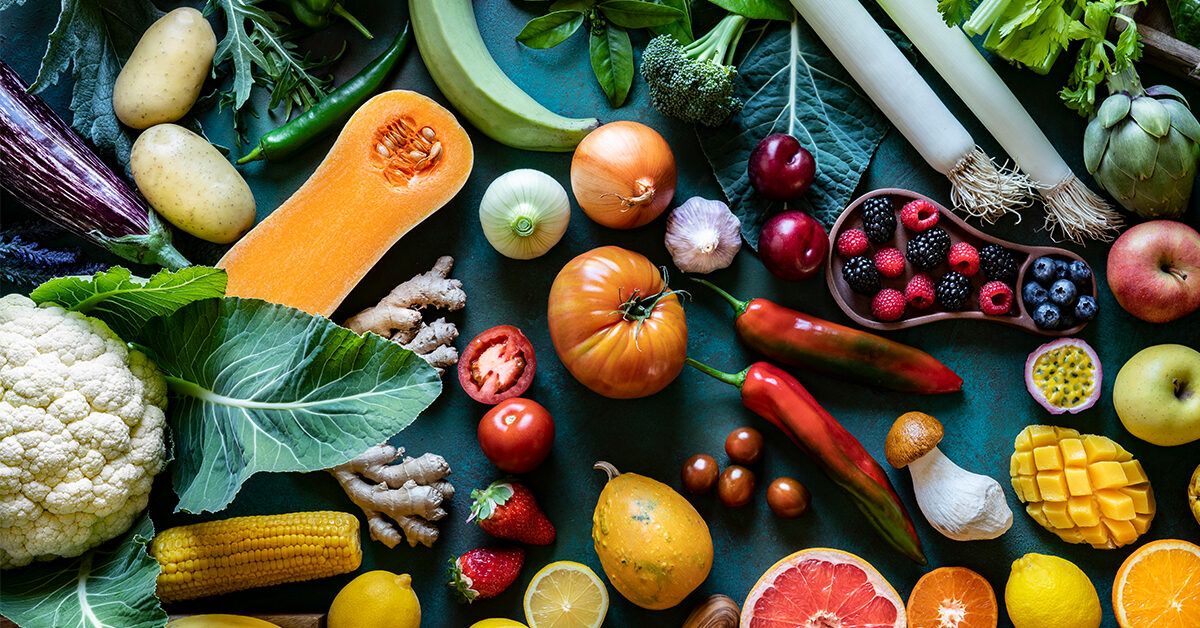
Let’s be honest: many meals accidentally become a tribute to the color tan. Toast, fries, chicken nuggets, pasta, crackers, cerealdelicious, yes, but visually about as exciting as a cardboard box wearing khakis. That is where the idea of “eating the rainbow” comes in. It is a simple, memorable way to build a colorful diet by choosing fruits, vegetables, legumes, herbs, whole grains, nuts, and seeds in a variety of colors.
Eating the rainbow does not mean chasing trendy powders, expensive juices, or a salad so complicated it needs its own assistant. It means putting more naturally colorful foods on your plate because different colors often signal different nutrients and plant compounds. Red tomatoes, orange carrots, leafy greens, purple cabbage, blueberries, white onions, and yellow peppers all bring something useful to the tablebesides making lunch look less like a spreadsheet.
A colorful diet can support heart health, digestion, immune function, healthy aging, and overall wellness. It can also make meals more satisfying because color usually adds texture, flavor, aroma, and variety. In other words, your eyes get a preview, your taste buds get a party, and your body gets a broader range of nutrients. Not bad for adding berries to breakfast or spinach to a sandwich.
What Does “Eat the Rainbow” Actually Mean?
To eat the rainbow means regularly choosing plant foods from several color groups: red, orange, yellow, green, blue, purple, white, and brown. Each color family tends to contain different vitamins, minerals, fiber, antioxidants, and phytonutrients. Phytonutrients are natural compounds in plants that contribute to color, flavor, and aroma. They are not magic fairy dust, but they are one reason colorful fruits and vegetables are linked with better diet quality.
The goal is not perfection. You do not need to eat every color at every meal or turn dinner into a produce-pageant competition. A better target is variety over the day and week. If breakfast is blueberries and oats, lunch is a spinach wrap with tomatoes, and dinner is black beans, roasted sweet potatoes, and cabbage slaw, congratulationsyou have built a rainbow without requiring a unicorn consultant.
Why a Colorful Diet Matters
Color Usually Means Nutrient Variety
No single fruit or vegetable contains everything your body needs. Spinach is wonderful, but it cannot do the job of oranges, lentils, blueberries, mushrooms, and sweet potatoes all by itself. A colorful diet helps widen your intake of vitamin C, potassium, folate, vitamin A precursors, fiber, and many plant-based compounds that support everyday health.
Fiber Keeps Things Moving
Fruits, vegetables, beans, lentils, whole grains, nuts, and seeds are natural sources of dietary fiber. Fiber supports digestion, helps with fullness, and can contribute to healthier blood sugar and cholesterol patterns. A colorful plate often becomes a higher-fiber plate almost by accident, especially when you choose whole plant foods instead of highly processed snacks.
Antioxidants Help Protect Cells
Many colorful plant foods contain antioxidants, which help protect cells from oxidative stress. Blueberries, leafy greens, beans, apples, tomatoes, herbs, and nuts all bring different antioxidant compounds. This is why variety matters: different plant foods offer different protective compounds, and your body appreciates a full toolbox more than one lonely hammer.
The Rainbow Food Color Guide
Red Foods: Tomatoes, Strawberries, Cherries, Beets, Red Peppers
Red fruits and vegetables often contain compounds such as lycopene, anthocyanins, and other carotenoids. Tomatoes, watermelon, pink grapefruit, red peppers, strawberries, raspberries, and cherries are easy red choices. Lycopene is especially associated with tomatoes and watermelon, while berries and cherries bring deep red pigments and antioxidant compounds.
Try this: add salsa to eggs, sliced strawberries to oatmeal, roasted red peppers to sandwiches, or tomato sauce to whole-grain pasta. If your dinner looks pale, a handful of cherry tomatoes can do more visual work than a home makeover show.
Orange and Yellow Foods: Carrots, Sweet Potatoes, Mangoes, Squash, Citrus
Orange and yellow foods often contain carotenoids, including beta-carotene, which the body can convert into vitamin A. Vitamin A supports normal vision, immune function, and healthy skin. Carrots, pumpkin, winter squash, sweet potatoes, oranges, mangoes, pineapple, peaches, apricots, corn, and yellow peppers all fit this sunny category.
Try this: roast sweet potatoes with olive oil and paprika, add mango to a smoothie, snack on orange slices, or toss yellow peppers into stir-fries. Orange foods are especially helpful for people who claim vegetables are boring. A caramelized roasted carrot has entered the chat and would like a word.
Green Foods: Spinach, Broccoli, Kale, Avocado, Kiwi, Herbs
Green foods are the overachievers of the produce aisle. Leafy greens, broccoli, Brussels sprouts, peas, asparagus, green beans, zucchini, avocados, kiwi, parsley, cilantro, and basil can provide folate, vitamin K, vitamin C, fiber, magnesium, and a wide variety of phytonutrients.
Green vegetables are also flexible. Spinach disappears nicely into soups, omelets, pasta, and smoothies. Broccoli can be roasted until crisp at the edges. Herbs can brighten almost anything. If a meal tastes flat, fresh herbs are like a tiny green marching band for your mouth.
Blue and Purple Foods: Blueberries, Blackberries, Purple Cabbage, Eggplant
Blue and purple plant foods often contain anthocyanins, pigments that give berries, grapes, purple cabbage, plums, eggplant, and purple potatoes their bold color. These foods can support a nutrient-rich diet and add dramatic color without requiring culinary skills beyond “wash and eat.”
Try this: add blueberries to yogurt, use purple cabbage in tacos, roast eggplant with garlic, or freeze grapes for a cool snack. Purple cabbage is especially useful because it is affordable, crunchy, and lasts longer than many delicate greens. It is basically the reliable friend of the vegetable drawer.
White and Brown Foods: Onions, Garlic, Mushrooms, Cauliflower, Beans, Whole Grains
Do not ignore white and brown foods just because they are not as flashy. Garlic, onions, leeks, mushrooms, cauliflower, parsnips, potatoes, beans, lentils, oats, brown rice, quinoa, and whole-grain bread can all contribute nutrients and flavor. The rainbow is not only neon. Sometimes it wears beigebut this time, beige has fiber and purpose.
Try this: add mushrooms to tacos, cauliflower to grain bowls, garlic to roasted vegetables, lentils to soups, or oats to breakfast. The key is choosing whole or minimally processed options rather than letting white bread and cookies represent the entire pale-food delegation.
How Much Color Should You Eat Each Day?
A practical goal is to fill about half your plate with fruits and vegetables at meals, while also including whole grains, protein foods, and healthy fats. For many adults, a useful daily target is roughly 1.5 to 2 cups of fruit and 2 to 3 cups of vegetables, though individual needs vary by age, sex, activity level, and health goals.
If that sounds like a lot, start smaller. Add one produce item to breakfast and one extra vegetable to dinner. Build from there. Going from zero vegetables to five cups overnight is a bold move, but your digestive system may write a strongly worded letter. Increase fiber gradually and drink water along the way.
Easy Tips for Building a Colorful Diet
1. Use the “Two Colors Per Meal” Rule
Instead of trying to build a perfect rainbow at every meal, aim for at least two natural colors. Breakfast might be oats with blueberries and sliced banana. Lunch might be turkey, spinach, tomato, and avocado on whole-grain bread. Dinner might include salmon, roasted carrots, and a green salad. Two colors per meal keeps the habit simple and realistic.
2. Shop by Color, Not Just by Recipe
When grocery shopping, look in your cart before checkout. If everything is brown, white, or wrapped in plastic, add color. Pick one red item, one green item, one orange or yellow item, and one blue or purple item. This makes meal planning easier because your kitchen already contains variety.
3. Keep Frozen Produce on Standby
Frozen fruits and vegetables are convenient, budget-friendly, and often just as useful as fresh. Frozen berries work well in smoothies and oatmeal. Frozen spinach can be added to soups, eggs, pasta, and casseroles. Frozen mixed vegetables can rescue dinner when your crisper drawer contains only one heroic lemon and a suspicious bag of wilted lettuce.
4. Add Color to Foods You Already Eat
You do not need to abandon your favorite meals. Upgrade them. Add peppers and onions to scrambled eggs. Put arugula and tomato on a sandwich. Stir peas into rice. Add broccoli to pasta. Top tacos with cabbage, salsa, avocado, and cilantro. A colorful diet becomes easier when it attaches itself to meals you already enjoy.
5. Use Herbs, Spices, and Sauces
Color does not have to come only from large piles of vegetables. Fresh herbs, tomato-based sauces, pesto, chimichurri, salsa, turmeric, paprika, cinnamon, and chili flakes can add flavor and visual appeal. The more delicious vegetables taste, the more likely you are to eat them again. This is nutrition’s least shocking plot twist.
6. Prep Once, Mix All Week
Wash and chop a few colorful ingredients after grocery shopping. Roast a tray of vegetables, cook a pot of beans or lentils, and prepare one grain such as brown rice or quinoa. During the week, combine them into bowls, wraps, salads, soups, and quick sides. Rainbow eating becomes much easier when the rainbow is already sitting in containers, politely waiting for lunch.
7. Choose Whole Fruit More Often Than Juice
Whole fruit contains fiber and takes longer to eat, which helps with fullness. Juice can fit occasionally, but it is easier to drink a lot quickly and miss out on the full fiber benefit. An orange generally beats orange juice for everyday eating, unless the orange has personally offended you.
8. Make Snacks Colorful
Snacks are a perfect place to add produce. Try apple slices with peanut butter, carrots with hummus, grapes with cheese, berries with yogurt, cucumber with guacamole, or bell pepper strips with bean dip. Colorful snacks help close the gap between good intentions and actual intake.
A Sample One-Day Rainbow Meal Plan
Breakfast
Greek yogurt or oatmeal topped with blueberries, sliced strawberries, walnuts, and a sprinkle of cinnamon. Add chia seeds for extra texture and fiber.
Lunch
A whole-grain wrap with grilled chicken or chickpeas, spinach, shredded carrots, tomato, avocado, and a yogurt-herb sauce. Serve with orange slices or grapes.
Snack
Red pepper strips and cucumber with hummus, or an apple with peanut butter.
Dinner
A bowl with brown rice, black beans, roasted sweet potato, sautéed kale, purple cabbage slaw, salsa, and lime. Add grilled fish, tofu, or eggs if desired.
Dessert
Frozen berries with a spoonful of plain yogurt, or baked cinnamon apples. Dessert can absolutely wear a health halo without tasting like homework.
Common Mistakes When Trying to Eat the Rainbow
Only Eating Salads
Salads are great, but they are not the only path to a colorful diet. Soups, smoothies, grain bowls, stir-fries, omelets, tacos, roasted vegetables, pasta dishes, and sheet-pan meals all count.
Forgetting Protein and Healthy Fats
A colorful plate should still be balanced. Pair fruits and vegetables with protein foods such as beans, lentils, fish, poultry, eggs, tofu, yogurt, nuts, or seeds. Add healthy fats like olive oil, avocado, nuts, or seeds to improve flavor and satisfaction.
Thinking Fresh Is Always Best
Fresh produce is wonderful, but frozen, canned, and dried options can also be useful. Choose canned vegetables with no added salt when possible, canned fruit packed in water or juice instead of syrup, and dried fruit without lots of added sugar. Convenience matters because the most nutritious vegetable is the one you actually eat.
Going Too Big Too Fast
If your current vegetable intake is “pickle on a burger,” do not panic. Start with one habit: add fruit to breakfast, include a vegetable at lunch, or roast a colorful side dish at dinner. Small changes repeated often beat dramatic changes abandoned by Thursday.
Budget-Friendly Ways to Eat More Color
Eating the rainbow does not require luxury grocery stores or berries priced like jewelry. Buy seasonal produce, compare fresh and frozen prices, use cabbage instead of delicate greens, choose carrots and sweet potatoes, and rely on beans, lentils, oats, brown rice, and frozen vegetables. Farmers markets, discount produce sections, and store brands can also help.
Another smart strategy is to reduce waste. Plan meals around what spoils first. Use tender greens early in the week and save hardy vegetables such as carrots, cabbage, squash, onions, and frozen vegetables for later. Turn soft fruit into smoothies or compote. Add vegetable odds and ends to soup. Your wallet and your compost bin will both calm down.
Experience Section: Real-Life Lessons From Eating the Rainbow
One of the most helpful things about eating the rainbow is that it changes how you look at meals. Instead of asking, “What should I remove from my diet?” you start asking, “What color can I add?” That shift feels more positive and less like being scolded by a refrigerator. For many people, this is the difference between a short-lived diet and a lasting habit.
For example, a plain breakfast can become colorful with almost no effort. A bowl of oatmeal may start as beige and humble, but add blueberries, banana slices, cinnamon, and chopped walnuts, and suddenly it has texture, sweetness, color, and staying power. The meal does not feel restrictive. It feels upgraded. The same thing happens with eggs. Scrambled eggs are fine, but eggs with spinach, tomatoes, mushrooms, and avocado feel like brunch decided to get its life together.
Lunch is where many people struggle because convenience takes over. A sandwich, wrap, or leftover bowl can easily become more colorful with a few repeat ingredients. Keep washed greens, shredded carrots, sliced peppers, pickles, salsa, and hummus ready. A turkey sandwich with lettuce is acceptable. A turkey sandwich with spinach, tomato, cucumber, avocado, and mustard is lunch with ambition. If you eat plant-based, a chickpea wrap with purple cabbage, carrots, greens, and tahini sauce is filling, colorful, and not remotely sad.
Dinner is the best place to experiment because cooked vegetables can win over even skeptical eaters. Roasting is a game changer. Broccoli, carrots, cauliflower, Brussels sprouts, onions, peppers, and sweet potatoes become sweeter and more flavorful when roasted until browned at the edges. People who say they hate vegetables may actually hate boiled vegetables that were treated like evidence at a crime scene. Add olive oil, garlic, pepper, herbs, and a squeeze of lemon, and the story changes quickly.
Another real-life lesson: repetition is not failure. You do not need a brand-new rainbow every day. If you love blueberries, spinach, tomatoes, and sweet potatoes, keep eating them. Then add one new color or ingredient each week. Try purple cabbage one week, kiwi the next, lentils after that, then roasted beets or mango. Small variety builds confidence. Eventually, your cart gets more colorful without a motivational speech.
Families can make rainbow eating fun by turning it into a simple challenge. Ask kids to choose one fruit or vegetable color at the store. Let them build a rainbow snack plate with strawberries, carrots, cucumbers, blueberries, and whole-grain crackers. Adults can do the same thing, because adults also deserve snack plates and tiny victories. The key is making color feel playful, not punitive.
Dining out can work too. Add a side salad, choose vegetable toppings, order fajitas with peppers and onions, pick a bowl with greens and beans, or choose fruit instead of fries sometimes. The goal is not to become the person interrogating the waiter about the pigment profile of the soup. Just look for opportunities to add produce where it naturally fits.
Over time, eating the rainbow can make meals more enjoyable. You may notice that your plate looks better, your grocery routine becomes more creative, and your favorite meals become more balanced. You may also become the person who says, “This needs something green,” which is both a nutritional insight and a sign that you have emotionally bonded with parsley. That is growth.
Conclusion: Make Your Plate Colorful, Not Complicated
Eating the rainbow is one of the easiest ways to improve diet quality without counting every bite or memorizing a nutrition textbook. Colorful fruits, vegetables, beans, whole grains, herbs, nuts, and seeds bring fiber, vitamins, minerals, antioxidants, and phytonutrients to your meals. They also make food more interesting, which matters because healthy eating should not feel like a beige punishment.
Start with small steps. Add one fruit to breakfast. Put two vegetables in your lunch. Roast a colorful side dish at dinner. Keep frozen produce ready. Try one new plant food each week. Over time, these simple choices can turn your plate into something brighter, more satisfying, and more nourishing.
The best colorful diet is not perfect. It is consistent, flexible, affordable, and enjoyable. So the next time you build a meal, ask one simple question: “What color can I add?” Your body will appreciate it, your taste buds will approve, and your plate will finally stop looking like it was designed by a committee of crackers.
SEO Tags

