
Beauty Tools & Accessories
Microwave Lasagna Recipe
Jul
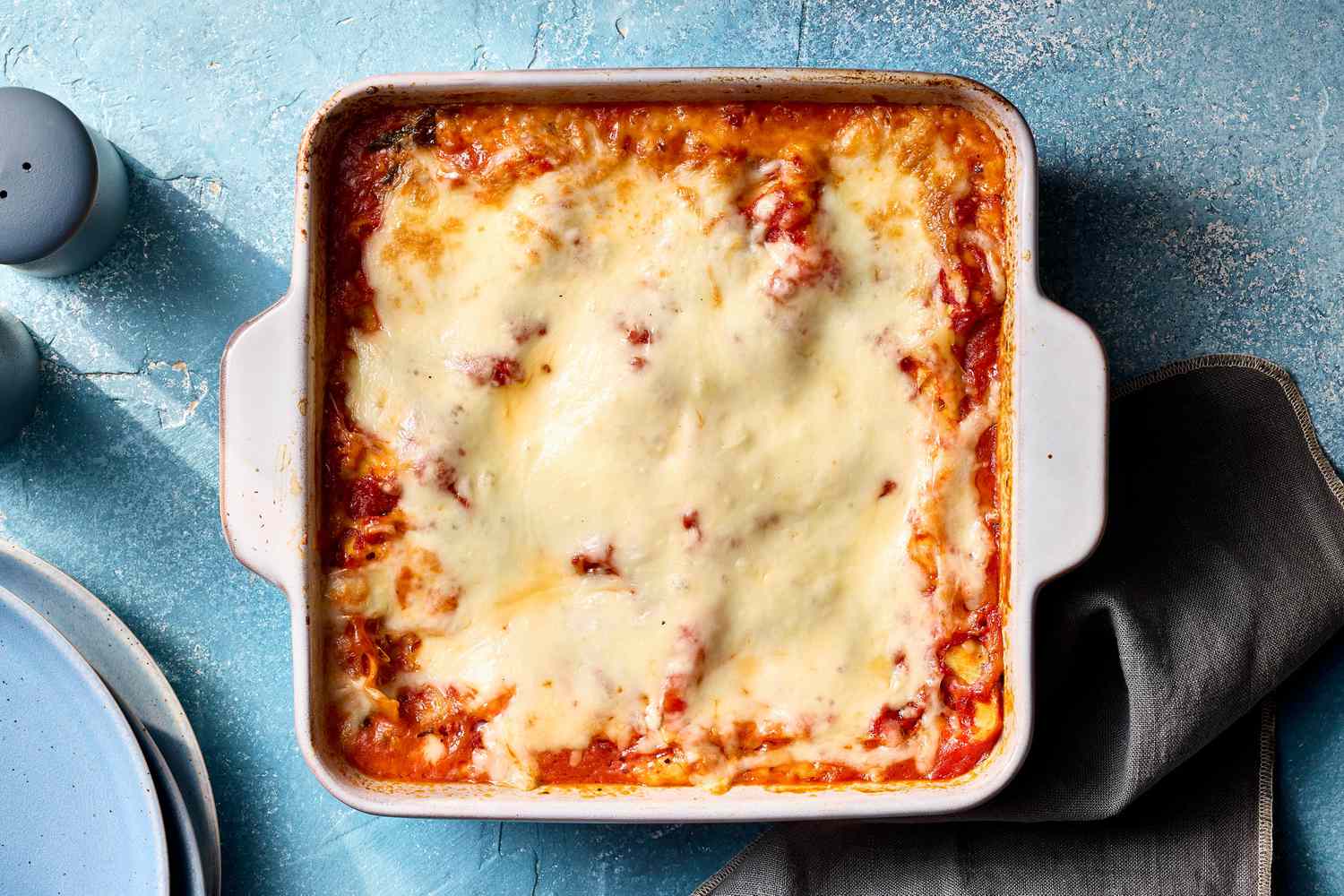
Lasagna has a reputation. It walks into the kitchen wearing a dramatic Italian opera cape, demanding a giant pan, a hot oven, a pile of dishes, and at least one person saying, “Dinner will be ready soon,” for the next two hours. But this microwave lasagna recipe is here to calm everyone down, loosen the apron strings, and prove that cheesy, saucy comfort food does not need to be a weekend construction project.
This recipe is designed for busy nights, tiny kitchens, college apartments, office lunches, quick family dinners, and anyone who has ever stared at a box of lasagna noodles and thought, “Not tonight, pasta architecture.” With the right dish, enough sauce, no-boil noodles, and a little standing time, the microwave can turn out a tender, bubbling, satisfying lasagna that tastes like real dinnernot a sad snack pretending to be one.
The trick is not simply blasting everything on high and hoping for the best. Microwave cooking works differently from oven baking. It heats quickly, sometimes unevenly, and it loves moisture. That means a great easy microwave lasagna needs sauce that is slightly looser than usual, layers that are not too thick, cheese that melts well, and a rest period after cooking so the noodles finish softening and the layers set. Think of it as lasagna with a shorter commute.
Why Make Lasagna in the Microwave?
A classic oven-baked lasagna is wonderful, but it is not always realistic. Maybe it is 92 degrees outside and turning on the oven feels like inviting a dragon into your apartment. Maybe you only need dinner for two. Maybe your oven is already occupied, broken, or currently storing baking sheets you do not want to move. Microwave lasagna solves all of that.
This recipe gives you the major lasagna comforts: tender pasta, seasoned tomato meat sauce, creamy ricotta, stretchy mozzarella, and a savory Parmesan finish. The difference is speed. Instead of waiting for a large casserole to bake through, you build a smaller, microwave-friendly version in an 8-inch square dish. It cooks in stages, rests, and slices into cozy portions that taste much more impressive than the effort required.
Best Dish for Microwave Lasagna
Use an 8-inch square microwave-safe glass or ceramic dish. A shallow dish works better than a deep bowl because the layers cook more evenly. Avoid metal pans, foil, or anything with metallic trim. If your dish has a microwave-safe lid, great. If not, use microwave-safe plastic wrap or a microwave-safe plate set loosely over the top to trap steam while allowing a small vent.
That trapped steam is not optional decoration. It helps cook the noodles. No-boil lasagna noodles need liquid and moisture to soften properly. In an oven, foil does this job. In the microwave, a cover does the same thing. Without it, the top can dry out while the center remains stubbornly chewy, and nobody wants lasagna with the emotional texture of a file folder.
Ingredients for Microwave Lasagna
This recipe makes about 4 generous servings or 6 smaller portions.
Main Ingredients
- 8 to 9 no-boil lasagna noodles, broken as needed to fit the dish
- 1 pound lean ground beef or mild Italian sausage
- 1 jar marinara sauce, about 24 ounces
- 1/2 cup water or low-sodium broth
- 1 cup ricotta cheese
- 1 1/2 cups shredded mozzarella cheese, divided
- 1/3 cup grated Parmesan cheese
- 1 teaspoon Italian seasoning
- 1/2 teaspoon garlic powder
- 1/4 teaspoon black pepper
- 1/4 teaspoon crushed red pepper flakes, optional
- 2 tablespoons chopped fresh basil or parsley, optional
Ingredient Notes
No-boil noodles are the best choice because they are thinner and designed to soften inside sauce. Regular lasagna noodles can work if you soak them first in very hot water until flexible, but no-boil noodles are more reliable for this microwave lasagna recipe.
Marinara sauce should be flavorful because it does a lot of heavy lifting. A tomato basil sauce, garlic marinara, or arrabbiata all work well. If your sauce is very thick, do not skip the added water or broth. The noodles need that extra liquid.
Ricotta cheese gives the lasagna its creamy middle layer. If you prefer cottage cheese, use small-curd cottage cheese and drain off extra liquid first. For a smoother filling, stir the ricotta with a spoonful of Parmesan and a pinch of Italian seasoning.
How to Make Microwave Lasagna
Step 1: Cook the Meat
Place the ground beef or sausage in a large microwave-safe bowl. Break it up with a spoon, cover loosely, and microwave on high for 2 minutes. Stir well, breaking up any large pieces, then microwave for another 2 to 3 minutes, or until fully cooked with no pink remaining. Drain the excess fat carefully.
If you prefer, you can brown the meat in a skillet on the stove. This gives slightly deeper flavor, but the microwave method keeps the recipe true to its speedy spirit. Either way, season the cooked meat with Italian seasoning, garlic powder, black pepper, and red pepper flakes if using.
Step 2: Make the Sauce Mixture
Add the marinara sauce and 1/2 cup water or broth to the cooked meat. Stir until combined. The sauce should look a little looser than traditional lasagna sauce. That is exactly what you want. The noodles will absorb liquid while cooking and resting.
Step 3: Mix the Cheese Filling
In a separate bowl, stir together the ricotta, half of the Parmesan, and 1/2 cup mozzarella. Add a pinch of Italian seasoning if you want a little extra flavor. Do not add an egg for this quick microwave version. The cheese layer sets nicely without it, and skipping the egg makes the recipe simpler and more forgiving.
Step 4: Build the Layers
Spread about 1/2 cup of meat sauce on the bottom of the microwave-safe dish. Add a layer of no-boil noodles, breaking them as needed to fit. Spoon on some ricotta mixture, sprinkle with mozzarella, and cover with more sauce. Repeat the layers until the ingredients are used, finishing with sauce and the remaining mozzarella and Parmesan on top.
Do not worry if the noodles look like a puzzle assembled by a hungry raccoon. Once the lasagna cooks, melts, and rests, the layers come together beautifully. The important thing is to keep every noodle covered with sauce so it can soften.
Step 5: Cover and Microwave
Cover the dish with a microwave-safe lid, microwave-safe plate, or vented microwave-safe plastic wrap. Microwave at 70% power for 10 minutes. This gentler cooking stage helps the noodles hydrate without making the cheese tough.
Carefully rotate the dish if your microwave does not have a turntable. Continue microwaving on high for 4 to 6 minutes, or until the sauce is bubbling around the edges, the noodles are tender when pierced with a knife, and the center is hot. Microwave power varies, so check early if your machine runs strong.
Step 6: Let It Rest
Let the lasagna stand, still covered, for 10 to 15 minutes before slicing. This is the hardest part because the kitchen now smells like victory. But resting is what turns bubbling sauce and sliding cheese into neat, sliceable layers. It also gives the noodles time to finish absorbing moisture.
Microwave Lasagna Recipe Card
Prep Time
15 minutes
Cook Time
16 to 20 minutes
Rest Time
10 to 15 minutes
Total Time
About 40 to 50 minutes
Servings
4 to 6 servings
Directions Summary
- Cook and drain the ground beef or sausage.
- Stir meat with marinara sauce, water or broth, and seasonings.
- Mix ricotta with mozzarella and Parmesan.
- Layer sauce, noodles, ricotta mixture, and cheese in a microwave-safe dish.
- Cover and microwave at 70% power for 10 minutes.
- Microwave on high for 4 to 6 minutes more, until bubbly and tender.
- Rest covered for 10 to 15 minutes before slicing.
Tips for the Best Microwave Lasagna
Use More Sauce Than You Think
Dry lasagna is usually a moisture problem. Microwave cooking needs steam, and no-boil noodles need sauce. If the dish looks slightly saucy before cooking, you are on the right track. If it looks dry before it enters the microwave, it will probably emerge even drier and slightly offended.
Cook in Two Power Stages
Starting at 70% power helps the layers heat more evenly. Full power from the beginning can overcook the edges before the center has caught up. The final high-power stage melts the cheese and gets the sauce bubbling.
Keep the Top Covered
Covering the lasagna traps steam, softens noodles, and prevents sauce splatter. A loose vent is important so pressure does not build. If using plastic wrap, make sure it is labeled microwave-safe and does not touch the food.
Rest Before Cutting
Lasagna needs a nap. Give it one. Cutting immediately can lead to a delicious but chaotic puddle. After 10 to 15 minutes, the sauce thickens, cheese settles, and noodles become tender enough for a clean slice.
Easy Variations
Vegetarian Microwave Lasagna
Skip the meat and stir 2 cups of chopped spinach, mushrooms, zucchini, or roasted vegetables into the marinara. If using frozen spinach, thaw it and squeeze out excess water first. Too much liquid can make the layers watery.
Chicken Alfredo Microwave Lasagna
Swap marinara for Alfredo sauce, use cooked shredded chicken, and add spinach or broccoli. Thin the Alfredo with a splash of milk or broth so the noodles can soften. Finish with mozzarella and Parmesan.
Spicy Sausage Lasagna
Use hot Italian sausage instead of ground beef, add red pepper flakes, and choose a spicy marinara. This version has more personality than a dinner guest who brings their own hot sauce.
Mini Mug Lasagna
For a single serving, layer sauce, broken no-boil noodles, ricotta, and mozzarella in a large microwave-safe mug or ramekin. Microwave in short bursts until the noodles are tender and the sauce bubbles. Let it rest for several minutes before eating because molten cheese has no respect for impatience.
What to Serve With Microwave Lasagna
Because microwave lasagna is rich and cheesy, keep the sides simple. A crisp green salad with vinaigrette balances the sauce and cheese. Garlic bread is never a bad idea, especially if you want something crunchy beside the soft layers. Steamed broccoli, roasted vegetables, or a quick cucumber tomato salad also work well.
For a casual dinner, serve the lasagna straight from the dish after it rests. For a slightly fancier plate, sprinkle fresh basil or parsley on top and add a little extra Parmesan. Suddenly your microwave dinner looks like it owns a villa.
How to Store and Reheat Leftovers
Cool leftover lasagna, then store it in an airtight container in the refrigerator for up to 4 days. For best results, slice it into portions before storing. Smaller pieces reheat more evenly and make lunch easier.
To reheat, place one portion on a microwave-safe plate. Add a spoonful of water or sauce around the edge, cover loosely, and microwave at 50% power for 2 minutes. Continue heating in 30-second bursts until hot throughout. Lower power helps prevent the noodles from getting tough and the cheese from turning oily.
You can freeze microwave lasagna, too. Wrap individual portions tightly and freeze for up to 2 months. Thaw overnight in the refrigerator before reheating for the best texture.
Common Mistakes to Avoid
Using a Dish That Is Too Deep
A deep bowl may seem convenient, but it can leave the center undercooked while the edges overheat. A shallow square dish gives better results.
Skipping the Extra Liquid
No-boil noodles absorb moisture. Without enough sauce or water, they may stay chewy. A slightly loose sauce is your insurance policy.
Overloading the Cheese
Yes, cheese is beautiful. But too much cheese in a microwave can become greasy or rubbery. Use enough for flavor and melt, but let the sauce and noodles do their part.
Cutting Too Soon
This is the classic lasagna crime. Let the dish rest. Your future slice will thank you.
Kitchen Experience: What Microwave Lasagna Teaches You
The first time you make microwave lasagna, it may feel like you are breaking a sacred cooking rule. Lasagna is supposed to be baked, right? It is supposed to emerge from the oven with browned edges and a bubbling top that makes everyone gather around like it is a campfire. But after making microwave lasagna a few times, you start to appreciate it for what it is: not a replacement for every traditional lasagna, but a brilliant shortcut for real life.
The biggest lesson is that microwave cooking rewards patience in a funny way. The machine is fast, but the food still needs time. If you rush the resting step, the lasagna will slump apart like it just heard bad news. If you let it stand, the noodles become softer, the sauce thickens, and the cheese stops behaving like lava. Those 10 minutes on the counter are not wasted time; they are part of the cooking process.
Another experience worth noting is that sauce matters more in microwave lasagna than in many oven versions. In a traditional baked lasagna, the oven slowly dries and concentrates the sauce. In the microwave, the sauce is both flavor and cooking liquid. A bland sauce makes a bland lasagna. A well-seasoned marinara with garlic, basil, and a little sweetness gives the whole dish confidence. If your sauce tastes flat before layering, add a pinch of salt, black pepper, Italian seasoning, or a spoonful of Parmesan.
Microwave lasagna also teaches portion wisdom. A huge 13-by-9-inch lasagna is wonderful for holidays, potlucks, and families with teenage appetites. But on a normal Tuesday, a smaller dish can feel liberating. You get the comfort without committing to a refrigerator full of leftovers. For one or two people, this recipe is especially useful because it gives you dinner tonight and lunch tomorrow without turning your kitchen into a catering operation.
The texture will be slightly different from oven lasagna. The top will not brown unless you finish it under a broiler in an oven-safe dish, and the edges will not get as crisp. But the center can be creamy, tender, and deeply satisfying. If you love browned cheese, you can microwave the lasagna first, then transfer the dish to a toaster oven or broiler-safe oven for a few minutes, assuming the dish is safe for that use. If not, just add fresh herbs and extra Parmesan on top. Beauty comes in many forms, including cheese.
One practical discovery is that broken noodles are not a problem. In fact, they can be helpful. Microwave dishes are rarely shaped exactly like lasagna noodles, so snapping pieces to fit gives better coverage. Once the dish cooks, nobody can tell where the pasta puzzle started. The fork only cares that every bite has sauce, cheese, and noodle.
Finally, microwave lasagna is a confidence recipe. It shows that good home cooking does not always require perfect equipment, fancy timing, or a sink full of pots. It requires understanding the food: noodles need moisture, cheese needs gentle heat, sauce needs seasoning, and lasagna needs rest. Master those ideas, and you can make a cozy, practical, crowd-pleasing dinner with the humble microwave sitting on your counter. Not bad for the appliance people mostly use to reheat coffee three times.
Conclusion
This microwave lasagna recipe is fast, flexible, and surprisingly satisfying. It keeps everything people love about lasagnasaucy layers, creamy ricotta, tender pasta, and melted mozzarellawhile trimming down the time and effort. The key is to use no-boil noodles, keep the sauce moist, cover the dish, cook in stages, and let the lasagna rest before slicing.
Whether you are cooking in a dorm, feeding a small family, avoiding the oven, or simply craving lasagna without the long wait, this recipe deserves a spot in your weeknight dinner rotation. It is cozy, practical, and just dramatic enough to feel like real lasagna without making your kitchen look like a tomato sauce crime scene.

