
Body Care
14 Simple Ways to Move on from a Relationship You Ruined
Jul
Realizing you ruined a relationship can feel like dropping your heart into a blender and accidentally pressing “smoothie.” Maybe you lied, avoided hard conversations, took someone for granted, cheated, exploded during arguments, or simply failed to show up when it mattered. Whatever happened, the hardest part may not be the breakup itself. It may be living with the sentence that keeps replaying in your head: “I did this.”
Here is the good news: regret can become a teacher instead of a life sentence. Moving on from a relationship you ruined does not mean pretending nothing happened. It means taking responsibility, learning from the damage, making amends when appropriate, and rebuilding your life with more honesty than before. You cannot edit the past like a typo in a text message, but you can write the next chapter with cleaner hands and a wiser heart.
This guide offers 14 simple, practical ways to heal after a breakup that involved your mistakes. It is written for people who want emotional recovery, accountability, self-forgiveness, and personal growthnot a dramatic comeback tour featuring 47 unread apology paragraphs.
Why Moving On Feels Harder When You Blame Yourself
A normal breakup already comes with grief, confusion, loneliness, and a suspicious amount of staring at the ceiling. But when you believe you caused the ending, you may also carry guilt, shame, anxiety, and the urge to “fix” everything immediately. Guilt says, “I did something wrong.” Shame says, “I am wrong.” That difference matters.
Healthy guilt can help you repair, apologize, and grow. Shame, on the other hand, can trap you in self-punishment. If you keep calling yourself a terrible person, you may feel like you are taking responsibility, but you are often just freezing yourself in the worst moment of your life. Real accountability moves. Shame sits in the corner wearing sunglasses indoors.
14 Simple Ways to Move on from a Relationship You Ruined
1. Admit What Happened Without Decorating It
The first step is honest ownership. Not the dramatic kind where you announce, “I am the villain,” and collapse onto the nearest sofa. The useful kind is specific: “I lied about where I was.” “I dismissed their feelings.” “I used silence as punishment.” “I kept promising change but did not follow through.”
Specific truth gives you something to work with. Vague self-hatred does not. Write down what you did, what impact it had, and what pattern it came from. Avoid softening the facts with excuses, but also avoid exaggerating them into permanent identity labels. You are not writing a courtroom confession. You are creating a map for growth.
2. Let Yourself Grieve the Loss
Even if you caused the breakup, you are still allowed to grieve. Losing a relationship hurts because it changes your daily rhythm, your sense of future, your routines, and sometimes your identity. You may miss the person, the friendship, the inside jokes, the Sunday coffee runs, or the version of yourself you hoped you could be with them.
Do not rush grief just because you feel guilty. Sadness is not proof that you are selfish. It is proof that something mattered. Give yourself time to cry, feel numb, feel angry, feel embarrassed, and feel strangely hungry at midnight. Healing is not linear; sometimes it is a messy emotional obstacle course with snacks.
3. Make a Real ApologyIf It Is Safe and Welcome
A good apology is not a sales pitch for another chance. It is a clear acknowledgment of harm. If your ex is open to hearing from you, keep it simple: name what you did, acknowledge the impact, express remorse, and avoid demanding forgiveness.
For example: “I am sorry I broke your trust by lying. I understand that made you feel unsafe and disrespected. You did not deserve that. I am working on understanding why I acted that way, and I will not pressure you to respond.”
Do not use an apology to reopen wounds, negotiate, or sneak in a “but you also…” paragraph. If your ex has asked for no contact, respect that boundary. Sometimes the most meaningful apology is changed behavior they never have to witness.
4. Stop Chasing Closure Like It Owes You Money
Closure is lovely in theory. In real life, it rarely arrives wearing a neat little name tag. You may never get the final conversation you want. Your ex may not explain everything. They may not forgive you. They may move on faster than your nervous system finds polite.
Instead of waiting for closure from them, build closure through your own actions. Write an unsent letter. List what the relationship taught you. Identify what you will do differently next time. Closure often comes less from hearing the perfect words and more from becoming someone who no longer needs the old story to change.
5. Create a No-Contact or Low-Contact Plan
If you keep checking their social media, rereading old messages, or “accidentally” watching their stories with the stealth of a raccoon in a pantry, healing will take longer. No contact gives your brain space to stop treating the relationship like an active emergency.
Mute, unfollow, archive chats, remove photo shortcuts, and stop asking mutual friends for updates. If you share children, work, pets, or responsibilities, use low contact instead: keep messages brief, practical, and respectful. Boundaries are not punishment. They are emotional stitches.
6. Separate Remorse from Self-Punishment
Remorse says, “I care that I hurt someone, and I want to change.” Self-punishment says, “If I suffer enough, maybe I will become good again.” The second option sounds noble, but it usually leads to more spiraling, not more growth.
Ask yourself: “Is this thought helping me repair, learn, or act better?” If the answer is no, it may be shame wearing a fake mustache. Replace “I ruin everything” with “I made harmful choices, and I am learning how not to repeat them.” That sentence is less dramatic, but dramatically more useful.
7. Understand the Pattern Behind the Mistake
People rarely ruin relationships out of nowhere. There is often a pattern underneath: fear of vulnerability, conflict avoidance, jealousy, emotional immaturity, people-pleasing, impulsivity, unresolved trauma, poor communication, or a habit of shutting down when things get real.
Understanding the pattern does not excuse the behavior. It explains what needs work. If you cheated, why did you seek validation outside the relationship? If you lied, what truth were you afraid to face? If you became controlling, what insecurity were you trying to manage? The goal is not to build a defense case. The goal is to stop handing your future relationships the same broken toolbox.
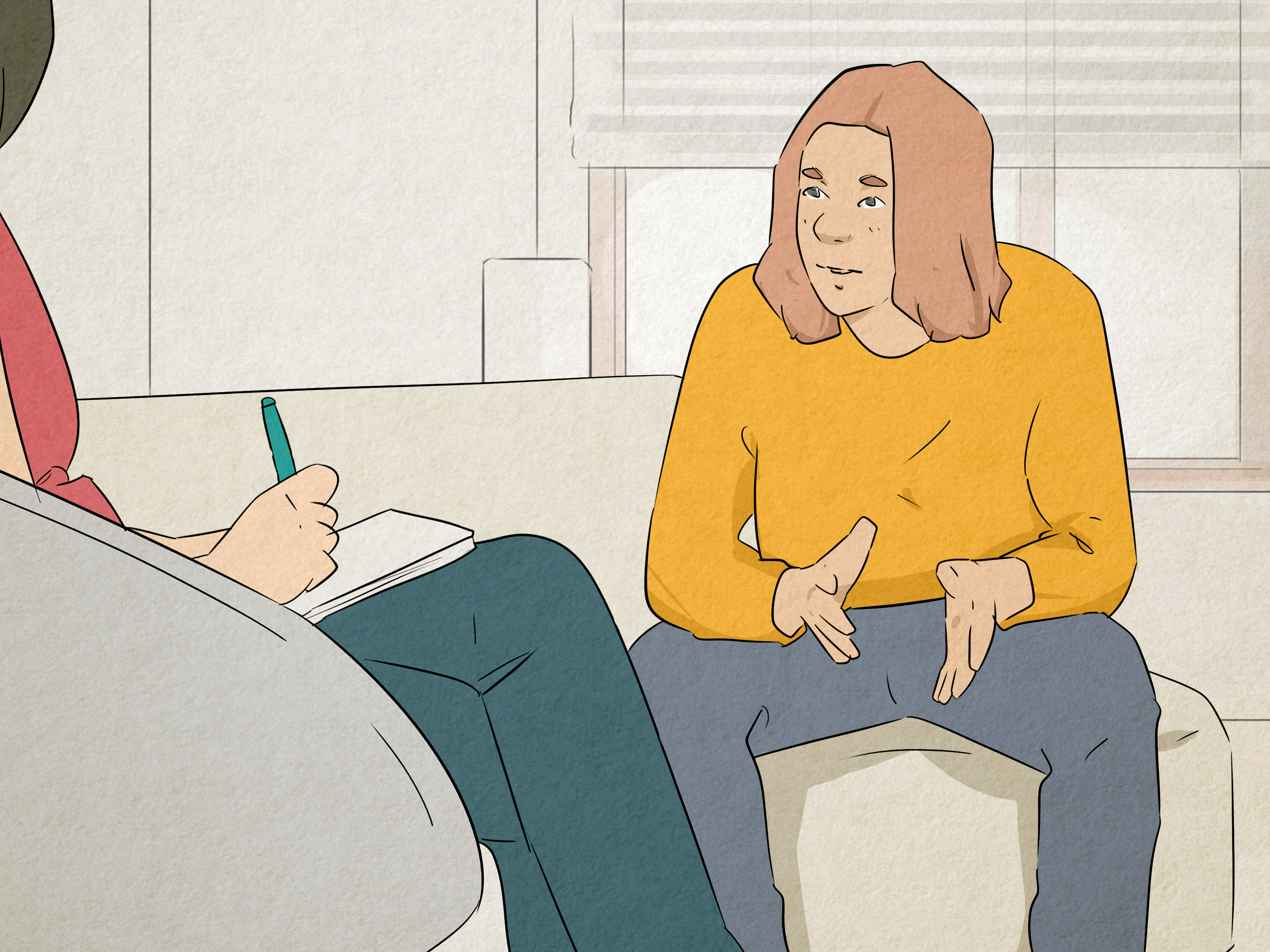
8. Talk to Someone Who Will Tell You the Truth Kindly
You need support, but choose wisely. Avoid people who only say, “You did nothing wrong,” when you clearly did, or people who treat one mistake like a lifetime ban from happiness. Look for a friend, mentor, counselor, or therapist who can hold both truths: you caused harm, and you are still capable of change.
Talking helps you organize the emotional mess. Therapy can be especially useful if your behavior connects to deeper patterns such as attachment fears, anger, addiction, anxiety, depression, or childhood wounds. A good therapist is not there to sprinkle glitter on your mistakes. They help you understand them and build better skills.
9. Rebuild Your Daily Routine
Breakups can destroy ordinary structure. Suddenly, meals become optional, sleep becomes a rumor, and your laundry develops its own ecosystem. Start small. Wake up at a consistent time. Eat real food. Move your body. Shower. Go outside. Answer one important message. Make your bed, even if your heart still looks like an unmade one.
Routine is not glamorous, but it is powerful. It gives your brain predictable signals when your emotions feel chaotic. You are not trying to become a flawless wellness influencer by Tuesday. You are proving to yourself that you can be trusted with your own care.
10. Use Journaling to Turn Regret into Lessons
Writing can help you process what happened without sending your ex a 3 a.m. essay titled “My Personal Growth, Volume One.” Try prompts like:
- What did I do that I genuinely regret?
- What feelings was I avoiding at the time?
- What did my partner need from me that I failed to give?
- What boundary, skill, or habit do I need before dating again?
- How will I know I am changing, not just feeling bad?
Keep the writing honest but not cruel. The point is not to whip yourself with a pen. It is to turn emotional fog into insight.
11. Practice Self-Forgiveness Without Skipping Accountability
Self-forgiveness is not saying, “Oops, my bad, anyway.” It is the process of facing what you did, feeling appropriate remorse, making repair where possible, learning the lesson, and choosing not to live forever inside the mistake.
You may need to forgive yourself in stages. First, forgive yourself for not knowing better. Then forgive yourself for knowing better and still failing. Finally, forgive yourself enough to become someone safer, kinder, and more honest. Self-forgiveness is not the opposite of responsibility. It is what allows responsibility to continue without turning into self-destruction.
12. Avoid Rebound Relationships as Emotional Bubble Wrap
A rebound can feel tempting because attention is a quick painkiller. Someone laughs at your jokes, says you are attractive, and suddenly your nervous system says, “Great, we are cured.” Not so fast, Romeo.
If you jump into dating before understanding your behavior, you may repeat the same pattern with a new person who did not sign up to be your emotional recovery project. Take time to stabilize. Date when you are ready to connect honestly, not when you are trying to outrun guilt, loneliness, or the terrifying silence of your own apartment.
13. Become the Lesson, Not the Warning Label
The best apology is changed behavior. Build the skills you lacked in the relationship. If you were defensive, practice listening without interrupting. If you avoided conflict, learn to say hard things early. If you were unreliable, practice keeping small promises. If you were jealous, work on self-worth and emotional regulation.
Growth is usually boring before it is impressive. It happens when you pause before reacting, tell the truth when lying would be easier, and choose humility when your ego wants a marching band. Over time, those quiet choices become your new character.
14. Believe That Your Future Is Not Canceled
One ruined relationship does not mean you are doomed to ruin every relationship. It means you have evidence that something needs to change. That evidence may hurt, but it is also useful. Many emotionally mature people are not mature because they never failed. They are mature because failure finally got their attention.
You can love again. You can be trusted again. You can become more honest, patient, brave, and emotionally available. But first, you must stop treating the breakup as the end of your worth and start treating it as the beginning of your responsibility.
What Not to Do When You Are Trying to Move On
When guilt is loud, bad ideas can seem reasonable. Do not stalk your ex online “for research.” Do not contact their friends to defend yourself. Do not post mysterious quotes hoping they decode your pain like emotional Morse code. Do not use alcohol, hookups, or overwork as your only coping plan. And please, do not send a twelve-part apology series after they asked for space.
Also avoid rewriting the relationship to make yourself the only victim or the only villain. Most relationships are complicated. Your job is to own your part clearly, not control the entire narrative.
When to Get Professional Help
Consider speaking with a mental health professional if you cannot sleep, cannot function, feel trapped in shame, have panic symptoms, are using substances to cope, or have thoughts of harming yourself. Also seek support if the relationship involved abuse, threats, coercion, or fear. In unsafe situations, prioritize safety planning and confidential support over closure conversations.
Getting help is not weakness. It is maintenance. Even cars get mechanics, and they do not have childhood attachment wounds.
of Real-Life Experience: What Moving On Can Actually Feel Like
Moving on from a relationship you ruined often feels less like a dramatic movie scene and more like a series of ordinary moments where you choose not to make things worse. At first, the pain may show up in tiny ambushes. You open the fridge and remember their favorite coffee creamer. You hear a song you both loved and suddenly the grocery store becomes a personal attack. You reach for your phone to tell them something funny, then remember you are no longer the person they call home.
In my experience, the hardest part is not always missing the relationship. It is facing the version of yourself who did not know how to love well. That confrontation can sting. You may replay conversations and finally understand what your ex was trying to say. You may remember moments when you could have been softer, braver, more honest, or less defensive. That kind of hindsight has excellent vision and terrible timing.
But healing begins when regret becomes practical. Instead of asking, “How do I stop feeling guilty?” ask, “What is this guilt asking me to learn?” Maybe it is asking you to communicate before resentment grows teeth. Maybe it is asking you to stop confusing secrecy with privacy. Maybe it is asking you to get help for anger, insecurity, avoidance, or emotional shutdown. When you answer those questions with action, guilt starts to change shape. It becomes less like a prison and more like a signpost.
There may also be days when you want to prove you have changed immediately. You may want your ex to see the new you, preferably with flattering lighting and a soundtrack. That is normal, but real growth does not need an audience. Some of the most important changes happen privately: deleting the message you should not send, telling the truth when nobody is checking, admitting fault without adding a footnote, or sitting with loneliness instead of using another person as a bandage.
Another surprising experience is learning that self-forgiveness can feel uncomfortable. If you are used to punishing yourself, peace may feel suspicious. You may think, “If I stop hating myself, does that mean I do not care?” No. It means you are ready to care in a healthier way. Self-hatred keeps you focused on yourself. Accountability focuses on the harm, the lesson, and the next right action.
Eventually, the memories become less sharp. You may still feel sadness, but it no longer controls your calendar. You may still wish you had done things differently, but you also begin doing things differently now. That is the quiet miracle of moving on: the past does not disappear, but it stops driving. You take the wheel back, not because you deserve a perfect ending, but because you are willing to become a better person after an imperfect one.
Conclusion
Learning how to move on from a relationship you ruined is not about escaping responsibility. It is about carrying responsibility in a way that helps you grow instead of collapse. Start by admitting the truth, grieving the loss, respecting your ex’s boundaries, and making amends only when appropriate. Then turn inward: study your patterns, build emotional skills, care for your body, seek support, and practice self-forgiveness without pretending the hurt did not happen.
You cannot force someone to forgive you, return to you, or understand your growth. But you can become someone who no longer repeats the same damage. That is not a small thing. That is the foundation of a better life and, someday, a healthier love.

