
Makeup
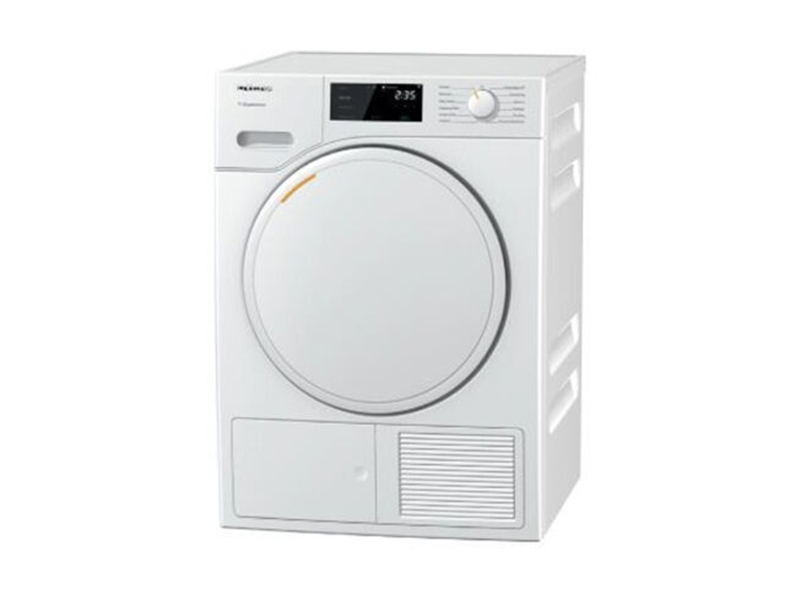
Miele Classic T1 Series 24 Inch Smart Dryer
Jul
A dryer does not usually inspire poetry. It spins damp socks, makes towels fluffy, and occasionally eats one innocent
garment that somehow survives only as a mysterious single. The Miele Classic T1 Series 24 Inch Smart Dryer,
model TXD160WP, tries to make laundry less of a household chore and more of a well-managed system.
This compact 24-inch dryer combines a ventless heat-pump design, smart connectivity, moisture sensing, fabric-specific
programs, and a surprisingly refined approach to garment care. It is built for people who value efficiency, have limited
laundry-room space, or simply do not want to cut a hole through the wall just to dry a pair of jeans.
The Miele Classic T1 is not a bargain-basement appliance, and it does not pretend to be one. It is a premium compact
dryer designed for condos, apartments, laundry closets, remodeled homes, and households that care more about preserving
clothing than winning a speed contest against a giant traditional dryer. The big question is whether its smarter, gentler,
and more efficient approach is worth the investment. Let’s unfold that laundry pile.
Miele Classic T1 TXD160WP at a Glance
| Feature | What It Means for Daily Laundry |
|---|---|
| Width | About 23.5 inches wide, making it suitable for compact laundry rooms and closets. |
| Capacity | Approximately 4.02 cubic feet, or up to 18 pounds of dry laundry. |
| Drying Type | Ventless heat-pump drying that recycles warm air instead of exhausting it outdoors. |
| Electrical Requirement | 120-volt, 15-amp operation, which can simplify installation in many homes. |
| Smart Features | Miele@home connectivity and app-based control through MobileStart. |
| Fabric Care | Honeycomb drum, PerfectDry sensing, Gentle tumble, and Anti-crease action. |
| Efficiency | ENERGY STAR certified heat-pump technology with low-temperature drying. |
What Makes the Miele Classic T1 Different?
The Miele Classic T1 TXD160WP is a compact ventless heat-pump dryer. That phrase sounds a little like
something an engineer says while holding a clipboard, but it matters. Traditional dryers heat air, push it through wet
clothes, and send that hot, humid air outside through a vent. The T1 uses a heat pump to remove moisture and recycle air
inside the machine.
The result is lower-temperature drying, reduced energy use, and no need for an exterior vent. That makes this Miele dryer
especially appealing in apartments, condos, converted basements, accessory dwelling units, and homes where installing a
conventional dryer vent would be expensive or awkward. Nobody enjoys discovering that their renovation budget needs an
extra chapter titled “Surprise Ductwork.”
The dryer is also stackable with a compatible Miele washer and stacking kit. It can be installed side by side, under a
counter in an appropriate setup, or in a laundry closet with the required clearances. Its compact footprint is a serious
advantage for homes where every square foot has already been assigned three jobs.
Heat-Pump Drying: Efficient, Gentle, and Not Always Fast
Heat-pump technology is the core reason the Miele Classic T1 Series dryer stands apart from a standard electric dryer.
Rather than relying on extremely hot air, the machine dries clothing at lower temperatures while recirculating heat.
This approach can help reduce energy consumption and may be easier on elastic fibers, delicates, technical fabrics,
shirts, knitwear, and everyday garments that do not enjoy being roasted into retirement.
The advantage is not merely lower utility usage. Lower drying temperatures can also reduce the risk of over-drying,
shrinkage, fabric stress, and unnecessary wear. Anyone who has pulled a favorite cotton shirt from a conventional dryer
only to discover it now fits a middle-school version of themselves will understand the appeal.
There is a trade-off: heat-pump dryers can take longer than a large, high-powered vented dryer, especially with bulky
loads, thick towels, dense bedding, or laundry that entered the dryer very wet. The best way to improve drying time is to
use a washer with a strong spin cycle, avoid overloading the drum, and separate heavy cotton items from lightweight
synthetics.
The Miele Classic T1 is therefore best viewed as a fabric-care appliance first and a speed machine second. It is not
designed to blast through an oversized family load in record time. It is designed to dry intelligently and consistently.
Smart Dryer Features That Are Actually Useful
Miele@home and MobileStart
The word “smart” can be abused in appliance marketing. A smart toaster does not necessarily need a personality. A smart
dryer, however, can be genuinely useful because laundry cycles are easy to forget until the clothes have been sitting in
the drum long enough to develop their own opinions.
The Miele Classic T1 supports Miele@home, allowing the dryer to connect to a home Wi-Fi network and work
with the Miele app. MobileStart provides remote operation options after the appliance is properly set up. This can be
useful for monitoring a cycle, receiving completion notifications, and managing laundry without repeatedly walking into
the laundry room just to stare at a display that says “12 minutes remaining” for what feels like an hour.
Smart functions depend on a stable Wi-Fi connection, proper app setup, and compatible device software. They should be
treated as a helpful convenience, not a substitute for checking pockets before drying a pen, a battery, or a forgotten
pack of gum.
PerfectDry Moisture Sensing
One of the most important features in this Miele heat-pump dryer is PerfectDry. The system uses moisture
sensing and adjusts the drying process based on water conditions. In simple terms, it is designed to stop the cycle when
clothing reaches the intended dryness level instead of continuing until everything becomes crisp enough to qualify as
archival paper.
This matters because moisture sensing can help improve consistency. Towels need a different finish than dress shirts.
Delicates should not receive the same treatment as heavyweight denim. PerfectDry is intended to help the machine respond
more precisely to each load rather than treating every garment like a bath towel from a college dorm.
DirectSensor Controls
The Miele Classic T1 combines a rotary program selector with DirectSensor touch controls. The interface is designed to
be straightforward rather than intimidating. You select a cycle, adjust available settings, choose the desired dryness
level where applicable, and start the load.
This is a welcome approach for buyers who want smart functionality without a giant touchscreen that requires a tutorial,
a password reset, and possibly a degree in appliance diplomacy.
Fabric Care Features: Why Clothes May Thank You
Honeycomb Drum
Miele’s Honeycomb drum is designed to create a cushioned layer of air around textiles as they tumble. The aim is gentler,
more even drying with less creasing and less abrasion. This is particularly useful for people who dry knitwear, activewear,
dress shirts, outerwear, and fabrics that tend to look tired after repeated exposure to high heat.
Anti-Crease Action
The anti-crease function periodically loosens laundry after the cycle ends. It cannot magically turn a crumpled linen
shirt into a freshly pressed garment from a luxury hotel, but it can reduce the deep wrinkles that occur when clean
clothes sit forgotten in the drum.
FragranceDos
FragranceDos allows compatible fragrance flacons to add scent during drying. This is a luxury feature rather than a
laundry essential, but it can appeal to people who enjoy fresh-smelling towels, bedding, and clothing. The scent level is
adjustable, which is important because there is a fine line between “pleasantly fresh” and “my sweater smells like it
attended a perfume convention.”
FragranceDos is optional. The dryer works perfectly well without it, so buyers who prefer fragrance-free laundry do not
need to treat it as a requirement.
Programs for Everyday Loads and Specialty Fabrics
The Miele TXD160WP includes multiple drying programs designed for specific fabric types and laundry needs. Depending on
the load, users can select options for normal laundry, delicates, dress shirts, bed linens, denim, express drying,
woolens and silks, outdoor garments, proofing, smoothing, and time-controlled drying.
The specialty programs are a meaningful benefit. Outdoor garments, for example, need more careful drying than a cotton
T-shirt. Proofing programs can help reactivate the water-repellent performance of certain treated fabrics. Woolens and
silks require a gentler touch. Bed linens need movement that helps prevent one fitted sheet from swallowing every pillowcase
in the load like a cotton-based black hole.
The Express cycle is useful for smaller loads, but it should not be mistaken for the kind of ultra-fast drying associated
with a full-size vented dryer. Compact heat-pump machines reward realistic expectations. A small load of shirts or gym
clothes can be handled efficiently. A mound of wet bath towels and two comforters is asking for a longer relationship.
Installation Flexibility: A Major Reason to Choose This Dryer
The Miele Classic T1 Series 24 Inch Smart Dryer runs on a standard 120-volt, 15-amp electrical supply and does not require
an exterior vent. That flexibility can be a major selling point in older homes, urban apartments, guest suites, lofts,
and remodeled spaces where installing a 240-volt line or vent duct would be difficult.
The machine can collect condensed water in an internal container, but it also supports direct drainage through the supplied
hose. Connecting the drainage hose to a nearby drain can remove the chore of emptying the water container. It is a small
convenience, but laundry is made of small conveniences. So is civilization.
Buyers should still plan carefully. Ventless does not mean installation-free. The dryer needs proper clearance, a suitable
electrical outlet, level flooring, room for the door to open, and airflow around the appliance. It should not be squeezed
into a closet so tightly that the machine has to negotiate with a mop bucket every time the door opens.
Energy Efficiency and Operating Cost Potential
The TXD160WP is ENERGY STAR certified and uses heat-pump technology, making it notably more energy-conscious than many
traditional electric dryers. ENERGY STAR data lists this compact ventless model with an estimated annual energy use of
roughly 133 kWh under standardized testing conditions.
Real-world savings depend on how often the dryer is used, the size of each load, local electricity prices, washer spin
performance, and maintenance habits. A heat-pump dryer cannot perform its best if lint filters are neglected, loads are
packed too tightly, or every cycle begins with laundry that is still dripping like it just left a rainstorm.
The greater value may be in long-term fabric care as much as electricity savings. Drying at lower temperatures can help
clothing maintain shape, texture, and color over time. That may matter to buyers with expensive activewear, wool sweaters,
technical jackets, premium bedding, or a wardrobe they would prefer not to replace every few seasons.
Maintenance: Simple, but Not Optional
The Miele Classic T1 is designed for convenience, but it still needs maintenance. The machine uses lint filters in the
door opening, and they should be cleaned after every drying cycle. This protects airflow, prevents longer drying times,
and helps maintain efficient performance.
The plinth filter also needs periodic care when the dryer indicates that cleaning is required or when drying times become
noticeably longer. This is an important point for any heat-pump dryer buyer: efficient technology works best when airflow
paths stay clean.
The dryer’s maintenance requirements are not difficult, but they require consistency. Think of it like brushing your teeth.
Skipping it once is unlikely to create chaos. Skipping it constantly is how small problems become expensive stories.
Pros and Cons of the Miele Classic T1 Series Dryer
Advantages
- Compact 24-inch size for apartments, condos, closets, and smaller laundry rooms.
- Ventless heat-pump technology eliminates the need for an exterior dryer vent.
- Standard 120-volt operation can simplify installation.
- ENERGY STAR certified for efficient drying performance.
- Honeycomb drum and low-temperature drying support gentler fabric care.
- PerfectDry sensing helps reduce over-drying.
- Miele@home connectivity adds useful app-based convenience.
- FragranceDos offers optional scent customization.
- Stackable design supports space-saving laundry installations.
Potential Drawbacks
- Premium price compared with many compact dryers.
- Smaller capacity than a typical 7.0- to 8.0-cubic-foot full-size dryer.
- Heat-pump cycles may feel slower than traditional vented drying.
- Lint filter and plinth filter care are essential for optimal performance.
- Specialized heat-pump service may be less available in some areas.
- Large comforters, bulky blankets, and oversized family loads may require extra planning.
Who Should Buy the Miele Classic T1 TXD160WP?
The Miele Classic T1 Series dryer is an excellent match for apartment dwellers, condo owners, empty nesters, couples,
small families, and homeowners completing a compact laundry-room renovation. It is particularly appealing when a vented
dryer is impossible, impractical, or unattractive from a construction perspective.
It also suits buyers who prioritize fabric care over maximum load size. If you own wool, silk, technical sportswear,
premium shirts, delicate knits, waterproof outerwear, or clothes that tend to shrink under aggressive heat, the T1’s
gentle drying system makes a strong case.
It may be less ideal for a large household that regularly dries huge loads of towels, king-size bedding, and sports uniforms
in rapid succession. A full-size dryer may be more practical for that lifestyle. The Miele is smart, but it cannot rewrite
the laws of drum capacity.
Real-World Experience With the Miele Classic T1 Series 24 Inch Smart Dryer
Living with the Miele Classic T1 Series 24 Inch Smart Dryer is less about dramatic “wow” moments and more about a gradual
appreciation for how smoothly it fits into daily life. At first, the compact size may feel like a compromise, especially
for buyers coming from a giant American dryer with a drum large enough to hide a small dog, a winter blanket, and probably
several missing socks. After a few weeks, however, the compact format starts to make sense.
The biggest adjustment is learning to load it differently. The machine handles normal household laundry very well, but
it rewards users who avoid stuffing the drum to the absolute limit. A medium load of shirts, pants, underwear, pajamas,
and lightweight towels tends to dry evenly and with fewer wrinkles. Heavy bath towels, thick hoodies, and dense bedding
are better separated into smaller groups. That is not a flaw so much as a change in laundry habits. The T1 asks you to
organize loads with a little more intention, which sounds mildly annoying until you notice your clothes are coming out
looking better.
The low-temperature drying experience is also different from a conventional dryer. Laundry often comes out warm rather
than scorching hot. That can make garments feel slightly damp at first touch, especially heavier cotton items, but the
moisture sensing system is designed to reach the selected dryness level without baking the fibers. Letting thicker items
rest for a few minutes after the cycle can make the result feel more balanced. The dryer is cautious by design. It would
rather protect your favorite sweater than prove it can turn it into toast.
The smart app features become more useful than expected. The most practical advantage is not necessarily starting a load
remotely; it is getting notified when the cycle ends. That alert can prevent clean laundry from sitting in the drum for
hours, which reduces wrinkles and keeps the anti-crease function from having to work overtime. For busy households, this
is genuinely useful. For people who routinely forget laundry until the next morning, it is almost an intervention.
The ventless design can be especially satisfying in spaces where a conventional dryer vent would be impossible or ugly.
There is no hot exhaust blasting outside, no long duct collecting lint behind a wall, and no need to rearrange a room
around ductwork. Direct drainage makes the experience even easier because you do not have to empty the condensate container.
When properly installed, the dryer feels surprisingly civilized for an appliance whose main responsibility is spinning
damp socks in circles.
Maintenance is the part that separates happy owners from frustrated ones. Cleaning the two door lint filters after each
load becomes a quick routine. It takes less than a minute, and it helps preserve drying performance. Ignoring the filters,
on the other hand, can lead to longer cycles and unnecessary irritation. The plinth filter deserves occasional attention,
too. Buyers who accept this simple routine will likely find the machine easy to live with. Buyers who want a completely
maintenance-free appliance may need to revise their expectations, because no dryer has yet achieved the magical ability
to remove lint from itself while also folding fitted sheets.
Over time, the strongest part of the Miele T1 experience is its sense of restraint. It does not try to overwhelm laundry
with extreme heat or oversized controls. It dries carefully, uses energy thoughtfully, and treats delicate fabrics with
more respect than many traditional dryers. For the right household, that quiet consistency can feel far more valuable than
a flashy feature list.
Final Verdict
The Miele Classic T1 Series 24 Inch Smart Dryer is a premium compact dryer built for people who need
installation flexibility, energy efficiency, and stronger fabric care than a conventional vented dryer can provide.
Its ventless heat-pump design, 120-volt operation, Honeycomb drum, PerfectDry moisture sensing, smart connectivity,
and specialty fabric programs create a thoughtful laundry system for smaller spaces.
It is not the best choice for buyers who need to dry enormous loads at maximum speed every day. But for condos, apartments,
compact homes, laundry closets, and households that want gentler drying with lower energy demand, the Miele TXD160WP is a
compelling option. It is expensive, careful, compact, and a little fancy. In other words, it is very Miele.
Note: Product availability, pricing, app functionality, installation requirements, and included accessories
can change. Confirm final specifications with Miele or an authorized retailer before publishing purchasing guidance.
SEO Tags

