
Body Care
Our New Obsession: Japanese Storage Goods from Matsunoya
Jul
There are home goods that shout, “Look at me!” And then there are Japanese storage goods from Matsunoya, which quietly enter the room, organize your chaos, and somehow make your kitchen counter look like it has been meditating for 30 years. That is the charm of Matsunoya: practical, humble, beautifully made everyday tools that do not behave like décor, yet make everything around them look better.
Matsunoya, also written as Matsunoya Tokyo or 松野屋, is known for aramono, a traditional Japanese term for ordinary household tools such as baskets, brooms, dustpans, sieves, brushes, buckets, and bags. The company was founded in 1945 and has built its identity around simple daily goods made from natural materials, often sourced from small workshops, local makers, farms, and regional producers. In other words, these are not “storage solutions” in the plastic-bin, label-maker, midnight-panic-cleaning sense. They are objects made to be used, repaired, admired, and used again.
And that is exactly why they feel so fresh in American homes right now. After years of glossy organizing systems, clear acrylic containers, and shelves styled with objects that look like they have never experienced a crumb, Matsunoya storage goods bring us back to something warmer: bamboo baskets that breathe, canvas totes that stand up to real life, galvanized metal containers that look better with age, and hand brooms that make even dust feel slightly more poetic. Slightly. Dust is still dust.
What Makes Matsunoya Storage Goods Different?
The main appeal of Matsunoya is not that its products are “minimalist” in the trendy sense. They are minimal because they are honest. A bamboo basket is a bamboo basket. A canvas tool tote is a sturdy bag with pockets. A hand broom is a broom, not a lifestyle manifesto with a subscription plan.
Yet each item has a strong design logic. Matsunoya’s goods tend to favor natural materials, visible craftsmanship, repairable construction, and forms that support everyday use. Instead of hiding household chores behind sleek containers, these tools make daily tasks feel more grounded. A woven basket can hold onions, mail, towels, craft supplies, toys, magazines, or picnic food. A galvanized iron rice basket can organize pantry goods, cleaning cloths, bathroom towels, or garden tools. A heavy canvas tote can move from the entryway to the car to the campsite without asking for emotional support.
The Beauty of Aramono
Aramono roughly refers to miscellaneous everyday household items, often made from materials like bamboo, straw, wood, metal, paper, and natural fibers. Historically, these were practical tools found in ordinary Japanese homes. They were not luxury objects, but they were not disposable either. They were made for life, work, storage, cleaning, cooking, and carrying.
This matters because modern home organization often treats storage as a way to erase life. Matsunoya takes the opposite approach. Its baskets, boxes, totes, and brushes acknowledge that life is messy, but they give that mess a dignified little parking spot. Your kitchen potatoes suddenly look rustic. Your dog leash becomes “entryway texture.” Your laundry cloths appear curated. This is the quiet magic of good Japanese storage: it does not eliminate real life; it frames it better.
Why Japanese Storage Goods Work So Well in American Homes
American homes often have more square footage than Japanese apartments, but that does not automatically mean they are easier to organize. Larger spaces simply give clutter more exciting places to hide. A drawer becomes a cave. A closet becomes a museum of forgotten chargers. A mudroom becomes a place where gloves go to retire.
Japanese storage goods from Matsunoya help because they are flexible. They are not built around one hyper-specific purpose. A basket does not care whether it is holding apples, scarves, socks, or charging cables. A canvas tote can carry tools, picnic supplies, baby gear, sewing materials, or the mysterious collection of objects you keep moving from one room to another because you are “about to deal with them.”
The best Matsunoya pieces also blend with multiple décor styles. They work in a modern apartment, a farmhouse kitchen, a Japandi living room, a cottage-style laundry area, a minimalist office, or a home that can only be described as “we had children and then everything happened.” Natural textures soften hard surfaces, and neutral colors make storage look intentional instead of accidental.
Favorite Matsunoya Storage Goods to Know
Matsunoya’s catalog changes over time and availability can vary by retailer, but several categories capture the brand’s appeal especially well. These are the pieces that make design-minded organizers start whispering dangerous things like, “Maybe I need another basket.”
1. Bamboo Market Baskets
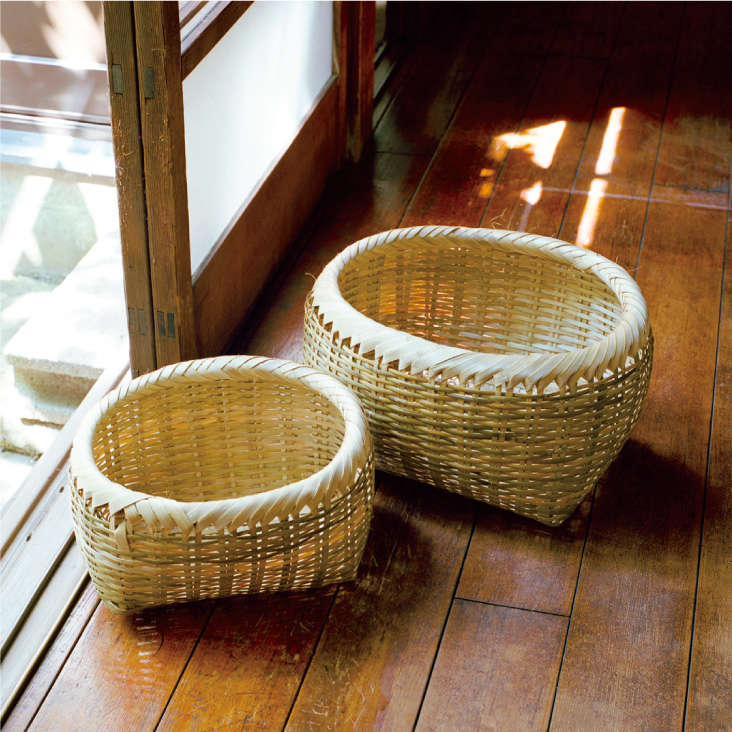
The bamboo market basket is one of the great stars of Japanese storage. Woven baskets have airflow, structure, and a natural warmth that plastic bins cannot fake no matter how many times they appear in a pantry makeover reel. Matsunoya market baskets are often admired for their sturdy handles, simple forms, and ability to shift between storage and carrying.
Use one in the kitchen for root vegetables, bread, tea towels, or farmers market produce. In the living room, it can hold magazines or knitting supplies. In a bedroom, it can become a catchall for scarves, slippers, or linen sprays. In an entryway, it can hold reusable shopping bags and umbrellas. The basket will not judge your umbrella collection, although it may gently suggest you do not need seven.
2. Woven Bamboo Trays and Small Baskets
Small baskets are the unsung heroes of home organization. They do the tiny jobs that prevent visual chaos: corralling keys, lip balm, tea packets, cloth napkins, remote controls, hair ties, desk supplies, or the tiny screws left over after assembling furniture. You know, the screws you keep because throwing them away feels legally risky.
Japanese bamboo trays and shallow baskets are especially useful because they create boundaries without adding bulk. They make open shelving look calmer and keep everyday items within reach. A small woven basket on a bathroom shelf can hold washcloths. On a desk, it can hold notebooks and pens. In a pantry, it can hold spice packets or snack bars. The goal is not perfection; it is fewer tiny avalanches.
3. Galvanized Metal Storage Containers
Matsunoya’s galvanized metal storage goods have a different personality from bamboo. They feel sturdy, slightly industrial, and charmingly old-school. Galvanized iron rice baskets and utility containers are often used for pantry storage, laundry supplies, cleaning cloths, garden items, or household odds and ends.
Metal storage works particularly well when you need something tougher than a basket but more attractive than a plastic tub. A galvanized container can sit on an open shelf without looking like you forgot to close a cabinet. It also pairs beautifully with wood, stone, tile, and neutral walls. The result is practical storage that looks collected rather than purchased in a panic during a closet crisis.
4. Thread-Line Heavy Canvas Totes
Matsunoya’s Thread-Line canvas bags are beloved because they understand the assignment: hold things, stand up, survive use, and look better the more they are carried. Heavy canvas totes are made for real work. They can store tools, gardening supplies, camping gear, art materials, market finds, kids’ essentials, or office items.
The appeal is not just durability; it is organization. A structured canvas tote with pockets can act like a portable storage station. Keep one in the car for errands, one near the back door for gardening, or one in a closet for picnic gear. It is the rare bag that makes you feel organized before you have actually become organized, which is honestly a public service.
5. Brooms, Brushes, and Cleaning Tools
Storage is not only about where things go; it is also about how a home is maintained. Matsunoya’s brooms, dusters, bottle brushes, and hand brushes show how humble cleaning tools can be both useful and visually pleasing. A small grass hand broom can sit by a desk or kitchen counter for crumbs. A dusting brush can live near shelves. A horsehair bottle brush can be kept by the sink without making the sink area look like a utility closet had a nervous breakdown.
Beautiful cleaning tools have a quiet psychological advantage: you are more likely to use them. A broom hanging on a peg is easier to grab than a plastic tool buried behind six spray bottles and one mystery mop head. Matsunoya’s tools encourage small, repeated acts of tidying, which is often more sustainable than one dramatic Saturday cleaning marathon powered by caffeine and regret.
How to Style Matsunoya Storage Goods Without Overthinking It
The best way to use Matsunoya storage goods is to let them work. These objects do not need complicated styling. In fact, over-styling them can miss the point. A bamboo basket looks best when it contains something useful. A canvas tote is more appealing when it shows signs of movement. A metal container earns its charm by doing a job.
Start With Real Messes
Before buying anything, look for the clutter zones in your home. Where do items naturally pile up? The entryway? The kitchen island? The laundry room? The bedside table? The home office? Choose storage based on real behavior, not fantasy behavior. If your family drops keys by the door, put a small basket there. Do not create a key drawer in another room and expect everyone to evolve overnight.
Use Open Storage for Daily Items
Japanese storage goods shine when they are used for things you reach for often. Open baskets are perfect for produce, towels, bags, slippers, paper goods, toys, or craft supplies. The goal is to reduce friction. If storage is easy, people use it. If it requires opening three lids and sliding a box out from under another box, congratulations, you have built a clutter obstacle course.
Mix Materials for Texture
One reason Matsunoya goods look so good is the mix of natural and utilitarian materials. Bamboo, straw, canvas, metal, and wood create visual texture without needing loud color. Try a bamboo basket beside a metal bin, or a canvas tote under a wooden bench. This kind of mix makes storage feel layered, not sterile.
Let Imperfection Be Part of the Look
Part of the charm of Japanese craft and everyday tools is that materials age. Bamboo deepens in color. Canvas softens. Metal develops small marks. Instead of treating these signs as flaws, treat them as evidence that the object is doing its job. A perfectly untouched storage object is often just décor. A used one becomes part of the home.
Room-by-Room Ideas for Using Matsunoya Storage
Kitchen
Use bamboo baskets for onions, garlic, potatoes, bread, or folded dish towels. A shallow basket can hold tea packets or coffee filters. A galvanized container can organize pantry staples or cleaning cloths under the sink. A small hand broom near the counter makes crumb cleanup easy, especially if toast is a major food group in your household.
Entryway
A market basket near the door can hold reusable bags, hats, gloves, or dog-walking supplies. A canvas tote can become an errand bag that is always ready to go. Small trays can collect keys and sunglasses. This keeps the entryway from becoming a daily archaeological dig.
Bathroom
Bamboo and metal storage both work beautifully in bathrooms, as long as they are kept reasonably dry and ventilated. Use baskets for rolled towels, extra toilet paper, hair tools, or bath products. A small tray can organize skincare bottles so the counter looks intentional instead of “apothecary after earthquake.”
Living Room
Woven baskets are excellent for magazines, blankets, toys, remotes, and hobby supplies. The trick is to assign each basket a category. One basket for throws, one for kids’ items, one for reading material. This lets the room stay relaxed without requiring every object to disappear behind cabinet doors.
Home Office
Use shallow baskets for notebooks, chargers, envelopes, pens, and small electronics. A canvas tote can hold project files or creative tools. If you work from home, portable storage is especially useful because it lets you clear a dining table or shared desk quickly without pretending the work does not exist.
Why Matsunoya Fits the Slow Living and Sustainable Home Movement
The growing interest in Japanese storage goods is not just about aesthetics. It reflects a larger shift toward buying fewer, better household items. Matsunoya’s approach values useful design, natural materials, and small-scale production. That does not mean every product is handmade in the romantic candlelit-workshop sense, but the brand’s philosophy favors everyday tools with integrity, durability, and a clear purpose.
This makes Matsunoya feel aligned with slow living, sustainable organizing, and mindful consumption. A good basket can replace disposable packaging. A durable tote can reduce reliance on flimsy bags. A beautiful broom can make cleaning more immediate and less dependent on disposable wipes. The point is not to turn your home into a museum of Japanese objects. The point is to choose tools that support how you actually live.
Buying Tips: How to Choose the Right Matsunoya Piece
Because Matsunoya goods are often made in small batches and sold through select design shops, Japanese lifestyle stores, and specialty retailers, availability can change. When choosing a piece, start with function. Ask what the item needs to hold, where it will live, and how often you will use it.
For heavy items, choose structured canvas or metal. For breathable kitchen storage, choose bamboo. For small daily clutter, choose shallow trays or compact baskets. For cleaning, choose brushes and brooms that can be stored visibly and grabbed quickly. Also check measurements carefully. Japanese storage pieces can look larger or smaller in photos than they are in real life, and nobody wants to discover that their “laundry basket” is actually better suited to holding three lemons and a receipt.
Our 500-Word Experience: Living With Matsunoya-Style Storage
The first time you bring a Matsunoya-style basket into your home, you may think it will be a simple purchase. “It is just a basket,” you say, with the confidence of a person who does not yet know they are about to reorganize an entire shelf. Then you place it on the counter, drop in a few onions, and suddenly the kitchen looks calmer. Not renovated. Not magazine-perfect. Just calmer, like it had a cup of tea and decided to stop taking everything personally.
That is the experience these Japanese storage goods create. They do not demand a total home makeover. They improve one small area at a time. A bamboo basket near the stove becomes the place for garlic, shallots, and folded dish towels. A canvas tote by the door becomes the errand bag. A small tray on the desk becomes the landing spot for pens, sticky notes, earbuds, and the one paper clip that has apparently become part of the family. Each object solves a tiny domestic problem, and those tiny solutions add up.
The best part is how natural the system feels. Many modern organizing products require you to change your habits dramatically. Matsunoya-style storage works with habits you already have. If you drop mail on the table, add a basket. If you leave gardening gloves by the back door, give them a canvas tote. If bathroom products migrate across the counter like tiny moisturized tourists, place them in a shallow tray. The object creates a home for the mess without making you feel like you failed at adulthood.
There is also a tactile pleasure to these goods. Bamboo has texture. Canvas has weight. Metal has coolness and sturdiness. These materials make storage feel less like hiding and more like caring. A plastic bin can be useful, of course, but it rarely makes you want to slow down. A woven basket does. It invites you to notice what you own and how you use it.
Over time, the pieces begin to age. The basket darkens slightly. The tote softens at the handle. The metal container picks up a tiny mark from real use. Instead of looking ruined, they look more yours. That may be the deepest appeal of Matsunoya: the goods are not trying to stay perfect. They are trying to stay useful.
In a busy American home, that usefulness feels refreshing. You do not need a silent minimalist apartment, a tea room, or a perfectly edited pantry to appreciate these pieces. You need a place where things pile up, which means nearly every home qualifies. Matsunoya storage goods bring order without coldness, beauty without fuss, and practicality without that unfortunate “office supply closet” energy. They remind us that organization is not about making life look untouched. It is about making daily life easier to touch, carry, clean, store, and enjoy.
Conclusion: The Quiet Genius of Matsunoya
Our new obsession with Japanese storage goods from Matsunoya is really an obsession with better daily living. These baskets, totes, bins, brooms, and brushes prove that ordinary household items can be beautiful without becoming precious. They can be practical without being ugly. They can organize a home without turning it into a showroom where nobody is allowed to eat crackers.
Matsunoya’s appeal comes from its respect for simple tools, natural materials, and regional craftsmanship. In a world full of fast décor and disposable storage, that feels quietly radical. Whether you start with a bamboo basket for produce, a galvanized container for pantry goods, a Thread-Line canvas tote for errands, or a small broom for crumbs, the result is the same: a home that works a little better and looks a little more human.
Note: This article was created from current, real-world information about Matsunoya, Japanese aramono, traditional household tools, specialty design retailers, and modern home organization practices. No outbound source links or citation placeholders are included so the content is ready for web publishing.

