
Body Care
14 Types of Bangs for Every Face Shape and Hair Texture
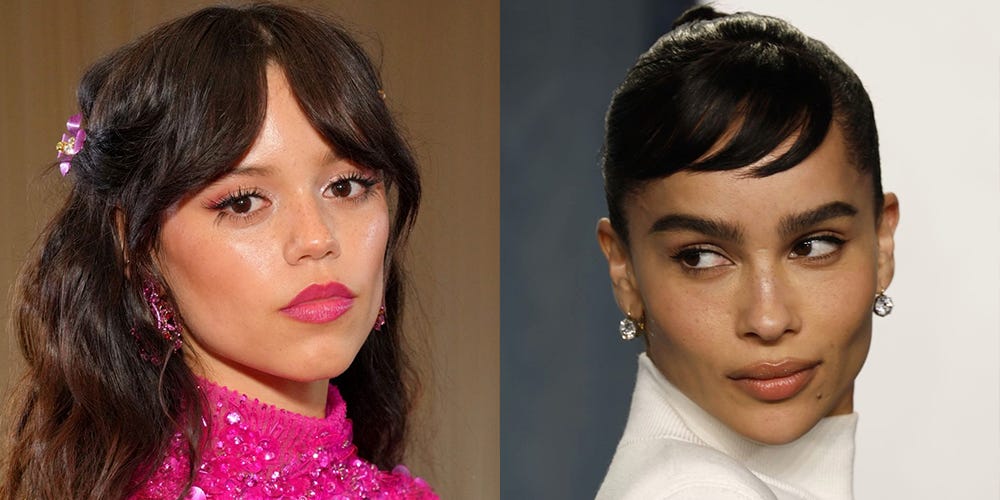
Jul
Bangs are the hair equivalent of a plot twist: thrilling, transformative, and occasionally followed by,
“Why did I do that?” The good news is most bang regrets aren’t about bangs themselvesthey’re about picking
the wrong type of bangs for your face shape, hair texture, and daily patience level.
Think of fringe like face-framing lighting in a movie: the right angle can highlight cheekbones, soften a strong jaw,
shorten a longer face, or add definition to rounder features. And because bangs can sit at different “landmarks”
(above the brows, at the brows/eyes, at the cheekbones, or closer to the jaw), the same general style can look wildly
different depending on length and density.
Fast Cheat Sheet: How to Pick Bangs That Actually Flatter You
- Round faces: add angles and length with side-swept, curtain, or longer “grown-out” fringe.
- Square faces: soften edges with wispy, textured, curtain, or shag-inspired bangs.
- Heart faces: balance a wider forehead with airy, feathery bangs or softly rounded fringe.
- Oval faces: you’re the “can I try everything?” face shapemost bang styles work.
- Long/oblong faces: a straighter, fuller fringe can visually shorten the face.
- Diamond faces: styles that spotlight cheekbones (micro bangs, curtain bangs) can look amazing.
Before You Commit: 5 Reality Checks That Save People from Bang Drama
-
Texture matters as much as face shape. Straight hair shows every millimeter of a blunt line; curls shrink,
spring, and do their own interpretive dance. -
Density is the difference between “chic” and “why is my forehead naked?”
Fine hair often needs slightly more “bang real estate” to look full. - Cowlicks have opinions. If your hairline has a strong swirl, super blunt bangs may demand extra styling.
- Maintenance is a lifestyle. Some bangs look great with a quick blow-dry; others want trims every 2–4 weeks.
- Glasses + bangs = an ongoing relationship. Not badjust real. Choose lighter fringe if you hate hair on lenses.
14 Types of Bangs (and Who They’re Best For)
1) Curtain Bangs
What they are: A center-parted fringe that’s shorter near the middle and longer toward the sides, like face-framing “curtains.”
Best for: Nearly all face shapesespecially round, square, and ovalbecause they create soft vertical lines.
Best textures: Straight to wavy, and even curly when cut to follow the natural pattern.
Upkeep: Friendly grow-out; style with a round brush or quick bend from a blow-dry.
2) Bottleneck Bangs
What they are: A textured, shaggy cousin of curtain bangsshorter and slimmer in the center, then longer as they curve around the eyes and cheekbones.
Best for: Most face shapes, especially if you want face-framing without a heavy “wall” of hair.
Best textures: Straight, wavy, curlythis style loves movement.
Upkeep: Lower-maintenance than full blunt bangs; texture spray + a light brush-through can be enough.
3) Wispy (Feathered) Bangs
What they are: Light, airy pieces that don’t form one solid linemore “soft focus” than “sharpie marker.”
Best for: Square and heart-shaped faces because they soften strong angles and balance a broader forehead.
Best textures: Fine to medium hair; also great on wavy hair when blended into layers.
Upkeep: Easy entry point if you’re nervous; a quick blow-dry prevents weird bends.
4) Blunt (Straight-Across) Bangs
What they are: A fuller, more solid fringe cut straight acrossbold, graphic, and instantly noticeable.
Best for: Long/oblong faces (visually shortens the face) and oval faces; can emphasize strong jawlines if you want that look.
Best textures: Straight or slightly wavy, medium-to-thick density.
Upkeep: Higher maintenancestyling and frequent trims help keep the line crisp.
5) Side-Swept Bangs
What they are: Bangs styled (and often cut) to sweep across the forehead, creating asymmetry and dimension.
Best for: Round faces (adds angles) and heart faces (balances the forehead), plus anyone craving a “gateway bang.”
Best textures: Straight to curly; works especially well if you like volume.
Upkeep: Easier grow-out; blow-dry in the direction you want right after washing.
6) Micro (Baby) Bangs
What they are: Super-short fringe cut well above the browsedgy, fashion-forward, and very “I meant to do this.”
Best for: Diamond faces (cheekbones pop), plus square and oval faces when you want a statement.
Best textures: Straight to curly (yes, curly micro bangs can look incrediblejust plan for shrinkage).
Upkeep: Frequent trims (often every 2–4 weeks) to avoid accidental “grown-out awkward.”
7) Birkin Bangs (Soft French Fringe)
What they are: Long-ish, wispy, slightly imperfect bangs that graze the lashes and open gently around the center.
Best for: Most face shapes, especially square and heartsoftness breaks up angles and balances the forehead.
Best textures: Straight, wavy, and loose curls; looks best with a little natural texture.
Upkeep: Forgiving; they blend easily into cheekbone-grazing layers as they grow.
8) Bardot Bangs (Thicker Curtain Fringe)
What they are: A fuller, more voluminous take on curtain bangssultry, bouncy, and very “big hair energy.”
Best for: Many face shapes because the shape frames the face rather than cutting it in half.
Best textures: Medium-to-thick hair; wavy styling really shows them off.
Upkeep: Style for lift at the roots; a round brush and light volumizing product go a long way.
9) Rounded (Arched) Bangs
What they are: Bangs cut in an archshorter toward the center, longer at the edgescreating a curved frame.
Best for: Round faces (adds structure) and heart faces (creates balance); also flattering on oval faces.
Best textures: Straight to wavy; works well with bobs and lobs.
Upkeep: Medium; they look best with a soft bend and tidy ends.
10) Choppy Bangs
What they are: Intentionally uneven, piecey endsless “perfect line,” more “cool-girl texture.”
Best for: Square faces (softens angles) and oval faces (adds personality without overpowering features).
Best textures: Wavy hair is a natural match; straight hair benefits from texturizing/point cutting.
Upkeep: Lower pressure; they hide grow-out better than blunt bangs.
11) Shaggy Bangs
What they are: Bangs that blend into layers (often paired with a shag or wolf cut), giving a lived-in, face-framing vibe.
Best for: Square and round faceslayers help soften and elongate, depending on length.
Best textures: Wavy to curly; also great for adding movement to thicker hair.
Upkeep: Easy styling; they’re meant to look a bit undone (the dream).
12) Long, Grown-Out Bangs
What they are: Fringe that sits around cheekbone to jaw lengthoften swept to the sides or worn slightly parted.
Best for: Round faces (creates length) and anyone who wants a “safer” option than a heavy blunt bang.
Best textures: All textures; curly versions should be shaped to the curl pattern.
Upkeep: Low-maintenance; they blend into face-framing layers as they grow.
13) Curly Bangs
What they are: Fringe cut to enhance curl shapecan be centered, side-parted, short, or longer, but ideally shaped on dry or near-dry curls.
Best for: Any face shape when customized; curly bangs add structure and draw attention to the eyes.
Best textures: Curly and coily hair, obviouslybut the key is planning for shrinkage and avoiding overly blunt lines.
Upkeep: Define with leave-in + mousse, diffuse gently, and try not to over-touch (frizz loves attention).
14) “Bunny” Bangs (Soft Straight-Across with Longer Edges)
What they are: A cute, airy straight-across bang paired with longer outer piecessoftness is the whole point.
Best for: Heart-shaped faces (draws attention to cheekbones and balances the forehead) and oval faces for a playful look.
Best textures: Straight to wavy; fine hair benefits from keeping the fringe light but not too sparse.
Upkeep: Moderate; the shape stays flattering as it grows because the edges already blend outward.
Styling Tips by Hair Texture
- Straight hair: Bangs can separate easilyuse light product and a quick blow-dry to keep them cohesive.
- Wavy hair: Lean into texture. “Perfectly imperfect” fringe looks intentional when blended into layers.
- Curly/coily hair: Plan for shrinkage. Shape the fringe to the curl pattern and avoid harsh, razor-straight lines.
- Fine hair: Consider slightly more density in the fringe so it reads as “bangs,” not “three confused strands.”
- Thick hair: Ask for internal texturizing so bangs don’t feel bulky or heavy on the forehead.
What to Tell Your Stylist (So You Leave Happy)
- Bring 3–5 photos of the same bang type on similar hair texture (not just the same celebrity in different lighting).
- Say where you want the longest pieces to land: brows, eyes, cheekbones, or jawline.
- Be honest about your routine: “I’ll blow-dry” vs. “I air-dry and sprint out the door.”
- Mention cowlicks, oily forehead, and glassesthese change the plan more than most people realize.
- If you’re unsure, ask for longer “test-drive” bangs that can be swept aside while you decide.
Experience Notes: of What Bang Life Really Feels Like
Most people don’t regret bangs because they look “bad.” They regret the learning curve. The first week is usually a comedy:
you wash your hair, let it air-dry, glance in the mirror, and discover your fringe has chosen a new career as modern art.
Then you learn the secret that bang veterans know: bangs are tiny, face-level hair pieces that need direction. Blow-drying them
(even for 30–60 seconds) is less about glamour and more about preventing a spontaneous cowlick situation.
Another common experience: bangs make you notice your forehead’s “weather.” Humidity can turn wispy fringe into fluffy chaos,
while dry winter air can make blunt bangs feel staticky and clingy. If you work out, you’ll probably become best friends with
dry shampooor at least with the idea of it. Many people also discover that bangs have a social life: they love to separate,
flip outward, or creep into your eyes during a serious conversation, like they’re trying to add dramatic tension.
People with curly hair often describe bangs as surprisingly empoweringwhen done right. The big “aha” moment is realizing curly bangs
shouldn’t be forced into straight-bang rules. When the fringe is shaped to the curl pattern, it can frame the eyes beautifully and
give the whole haircut structure. The cautionary tale is shrinkage: bangs that look “perfect” wet can jump up when dry. That’s why so
many curl-friendly stylists emphasize cutting with the curl pattern in mind and checking the shape as it dries.
First-timers also talk about the identity shift. Bangs can make your features look different in photossometimes instantly softer,
sometimes more editorial. You might love how they highlight your eyes, but need a week to adjust to seeing “a new you” in the mirror.
The most practical emotional support is this: hair grows. If you’re nervous, longer curtain or side-swept bangs are the easiest on-ramp,
because they can be tucked back or blended into layers without screaming, “I made a decision!”
Finally, there’s the maintenance honesty. Some people enjoy regular trims because it feels like keeping a look polished. Others realize
they’re not “every-3-weeks” people, and that’s okaychoosing a bang type with a forgiving grow-out (wispy, curtain, bottleneck, longer fringe)
is the difference between loving bangs and resenting them. In the end, the best bang experience usually comes from a match between your face shape,
your texture, and your real-life routinenot your fantasy routine where you wake up with perfect hair and unlimited time.
Conclusion
The best bangs aren’t the trendiestthey’re the ones that match your proportions and your lifestyle. If you want the most universally flattering
options, start with curtain, bottleneck, or long side-swept bangs. If you’re craving a statement, blunt or micro bangs deliver instant personality
just know they ask for more upkeep. And if your texture is curly or coily, choose shapes that honor your natural pattern (and plan for shrinkage).
Pick the bang type that makes your mornings easier, not harder, and you’ll be in the “bangs are amazing” camp more often than not.

