
Beauty Unlocked
Traditional Dutch Taai-Taai Cookie Recipe
Jul
If you’ve never met a taai-taai cookie, picture this: a Dutch holiday treat that’s sweet, spiced, and proudly chewylike gingerbread’s
more stubborn cousin who refuses to be dunked in coffee without a fight. Taai-taai is tied closely to the Sinterklaas season (early December),
when Dutch families celebrate with treats, poems, and plenty of cookie-shaped cuteness.
In this guide, you’ll get a traditional, make-ahead taai-taai cookie recipe with practical U.S. pantry swaps, plus the “why” behind each stepso you
don’t just bake cookies, you bake cookies with a plan (and a tiny bit of swagger).
What Are Taai-Taai Cookies?
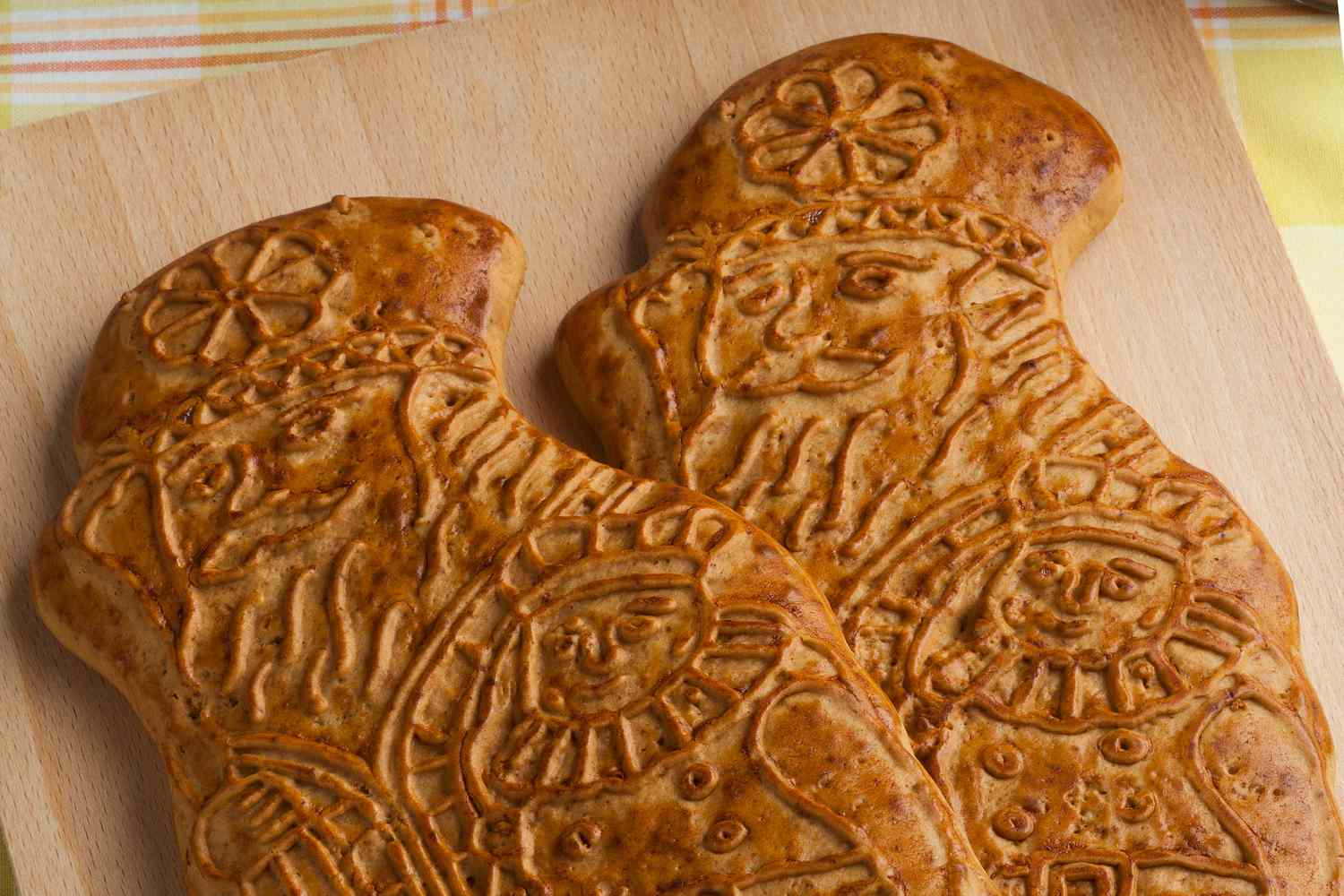
Taai-taai (roughly “tough-tough”) are classic Dutch Sinterklaas cookies known for their firm, chewy bite and warm, honeyed spice. Traditionally they’re
pressed into wooden moldsoften shaped like people, animals, or St. Nicholas figuresthen baked quickly at a fairly high temperature. The result is a
cookie that’s not cake-soft and not cracker-crisp, but somewhere in that pleasantly chewy middle ground.
Why Taai-Taai Tastes the Way It Does (A Quick, Useful Breakdown)
Honey brings chew and depth
Honey isn’t just there for sweetness. It adds moisture retention and a distinctive, rounded flavor. In taai-taai, honey helps create that signature
chew that makes you slow down and actually taste the cookie (instead of inhaling six without noticing).
Rye flour adds “winter cookie” energy
Many taai-taai recipes use a blend of wheat flour and rye flour. Rye contributes a deeper, slightly earthy flavor and can make baked goods feel denser
and more substantialperfect for a cold-weather cookie that’s meant to pair with hot drinks.
Anise and speculaas-style spices do the holiday heavy lifting
Traditional taai-taai is often anise-forwardthink gentle licorice warmth rather than candy-store intensity. Some versions also lean into a broader
speculaas-style spice blend (cinnamon, cloves, mace, ginger, and friends). We’ll keep the core recipe traditional and give you a clearly-labeled
“spice blend” option if you want more aromatic drama.
Ingredients You’ll Need (Plus Smart U.S. Substitutions)
Key ingredients
- Brown sugar: Dutch recipes often use basterdsuiker. In the U.S., dark brown sugar is a solid stand-in.
- Honey: Use a flavorful honey you like. Clover is mild; wildflower brings more character.
- Rye flour: Medium or dark rye works well. If you only have light rye, that’s fineyour cookies will be a bit milder.
- All-purpose flour: Keeps the dough workable and the cookies pleasant rather than aggressively rustic.
- Ground anise (or freshly crushed anise seed): Freshly crushed tastes brighter.
- Leavening: Baking powder is classic in many home recipes. (Optional: baker’s ammonia for extra lift/crispness in thin cookies.)
- Egg: Used for a shiny egg wash and traditional look.
Optional: speculaas-style spice blend
If you want taai-taai with a more “spiced Dutch holiday cookie” profile, add a small amount of speculaas-style spice blend. It’s still taai-taaijust
wearing a fancier winter coat.
Equipment
- Mixing bowl and sturdy spoon (the dough can be stiff)
- Saucepan (for warming honey and sugar)
- Rolling pin
- Cookie cutters or a carved wooden mold (traditional, but not required)
- Baking sheets + parchment
- Pastry brush (for egg wash)
- Kitchen scale (optional but helpful for consistent results)
Traditional Dutch Taai-Taai Cookie Recipe
Yield: About 14–18 medium cookies (depending on cutter size)
Time: 25 minutes active + 24 hours resting + 12 minutes bake
Texture goal: Firm, chewy, lightly spiced cookies with a glossy finishperfect with coffee, tea, or hot chocolate.
Ingredients (U.S. measurements)
- 1 cup packed dark brown sugar, divided (reserve about 2 tablespoons for later)
- 3/8 cup honey (6 tablespoons)
- 1/4 cup water, divided
- 2 1/2 cups all-purpose flour, plus more for rolling
- 1 1/4 cups rye flour
- 1/2 teaspoon fine salt
- 2 tablespoons ground aniseed (or 2 tablespoons anise seed, freshly crushed and sifted)
- 2 2/3 teaspoons baking powder
- 1 large egg, beaten (for egg wash)
Optional spice upgrade (choose one)
- Option A (simple): 1 teaspoon cinnamon + 1/4 teaspoon ground cloves
- Option B (speculaas-style): 1 1/2 teaspoons speculaas spice blend (store-bought or homemade)
Step-by-step instructions
-
Make the hot honey-sugar base.
In a small saucepan, combine all but about 2 tablespoons of the brown sugar with the honey and about
3 tablespoons of the water. Bring to a gentle boil, stirring until smooth. -
Stir in flours and salt.
Remove from heat. Add the all-purpose flour, rye flour, and salt. Stir until a thick dough forms. It will look rugged and
feel stiffthis is normal. -
Rest the dough for better texture.
Cover tightly (bowl with lid or wrap) and let rest at room temperature for 24 hours.
This waiting time helps hydration and flavor development and makes the dough easier to roll cleanly. -
Finish the dough.
The next day, add the reserved brown sugar, remaining water (about 1–2 tablespoons), anise, and baking powder.
If using the optional spice upgrade, add it now. Knead in the bowl or on the counter until evenly combined. -
Roll to thickness.
Lightly flour your surface. Roll the dough to about 1/2 inch thick. (Yes, thicker than your average cookie.) -
Heat the oven and prep pans.
Preheat to 410°F. Line baking sheets with parchment. -
Cut shapes.
Use cookie cutters, or press dough into a lightly floured mold, then release onto the sheet.
Place cookies about 1 inch apart. -
Egg wash for shine.
Brush the tops lightly with beaten egg. Don’t flood the edgesthink “polished,” not “omelet.” -
Bake.
Bake for 12 minutes, until puffed and set. They won’t look deeply brownedtaai-taai is more “golden and glossy” than “dark and dramatic.” -
Cool properly.
Cool on the sheet for 5 minutes, then move to a rack. They firm up as they cool.
Shaping Taai-Taai Like a Pro (Even Without Fancy Dutch Molds)
Traditional taai-taai is often molded into festive figures. Wooden molds are classic, but cookie cutters work beautifully.
If you do use a mold, keep these tips in mind:
- Lightly oil or flour the mold to help release details cleanly.
- Press dough in firmly, then scrape excess off with a flat edge for crisp outlines.
- Flip confidentlyhesitation is how cookies become “abstract art.”
How to Control the Texture: Chewy vs. Less Chewy
For more chew (traditional vibe)
- Keep the thickness close to 1/2 inch.
- Don’t overbake. Pull at 12 minutes when set.
- Store airtight so the honey keeps them pleasantly firm-chewy.
For a slightly crisper cookie
- Roll a bit thinner (closer to 3/8 inch).
- Bake 1–2 minutes longer, watching carefully.
- Consider using baker’s ammonia in thin batches (see next section).
Optional Ingredient Deep Dive: Baker’s Ammonia (Should You Use It?)
Baker’s ammonia (ammonium bicarbonate) is an old-school leavener used for dry, crisp cookies and crackers. It releases gases rapidly in the oven and
can create a lighter, snappier textureespecially in thinner cookies. The tradeoff? It can smell strong while baking, so ventilation helps.
How to swap it in: If you’re rolling thinner and want extra lift, you can replace the baking powder with
1/4 teaspoon baker’s ammonia dissolved in a teaspoon of warm water, then mixed in with the “finish the dough” step.
(Keep cookies thin; thick bakes can trap odor.)
Serving Ideas (The Best Part After “Eat Cookie”)
- With coffee: The bitterness makes the honey and anise pop.
- With tea: Black tea, chai, or spiced herbal blends fit the flavor profile.
- With hot chocolate: Cozy meets chewy. A+ winter math.
- On a holiday board: Pair with speculaas/spiced cookies, citrus, and nuts for a Dutch-inspired spread.
Storage and Make-Ahead Tips
Short term
Store taai-taai airtight at room temperature. They keep well for about a week and often taste even better after a day as the flavors settle in.
Longer term
Freeze baked cookies in a freezer-safe container for up to 2 months. Thaw at room temp. You can also freeze the rested dough; thaw overnight in the
fridge, then bring to cool room temp for rolling.
Troubleshooting (Because Cookies Have Opinions)
My dough is too sticky to roll
Add a light dusting of flour and chill for 20–30 minutes. Sticky dough is common when honey is the star; chilling makes it more cooperative.
My cookies spread and lost detail
The dough was likely too warm or too wet. Next batch: chill the cut shapes for 10 minutes before baking and keep flouring your cutter or mold lightly.
My cookies are too hard
Slight overbaking can push taai-taai from “chewy” into “jaw workout.” Bake just until set. If they’re already baked, store them airtight with a slice
of bread for a day to soften slightly.
My cookies taste flat
Anise loses potency over time. If your spice has been sitting in the cabinet since a previous administration, try freshly crushing anise seed, or add
the optional speculaas-style spice blend.
FAQ
Are taai-taai and pepernoten the same?
They’re related in the “same holiday season, different personalities” way. Pepernoten are also honey-and-anise flavored, but are typically smaller and
have a different shape and texture. Kruidnoten are a different cookie againtiny, crunchy, and heavily spiced.
Do I really have to rest the dough for 24 hours?
For the most traditional results, yes. Resting improves the dough’s consistency and helps the flavors meld. If you’re in a pinch, you can rest it
overnight, but the full day is worth it.
Can I make these without rye flour?
You can, but you’ll lose some of the characteristic depth. If needed, substitute with more all-purpose flour. The cookies will still be tastyjust a
bit less “wintery.”
What Baking Taai-Taai Feels Like (The Real-Life Experience Part)
Taai-taai is one of those recipes that changes your relationship with timebecause it politely demands that you slow down. Day one is all about making a
dough that looks like it could patch a small hole in a wall. You heat honey and sugar, stir in flour, and suddenly your spoon is doing strength
training. The dough is warm, thick, and a little dramaticlike it’s warning you, “I’m not a delicate cookie dough. I’m a tradition.”
Then comes the most unusual step for many American home bakers: you leave it alone. No immediate rolling. No instant gratification. Just a covered bowl
on the counter, quietly becoming better. That resting period has a surprisingly cozy vibelike marinating, but for cookie dough. The next day, the dough
feels more unified and less wild. It rolls more cleanly, and it’s easier to press into shapes without turning into a sticky mess that clings to your
cutter like it’s trying to hitch a ride.
Shaping taai-taai is where the fun shows up. If you use cookie cutters, it’s straightforwardstamp, lift, repeat, and try not to eat the scraps. If you
use a mold, it’s a tiny theatrical production: dust the mold, press in dough, level it off, and flip with confidence. There’s a particular satisfaction
in seeing a crisp outline appearproof that you’re basically a holiday cookie engineer now. And because taai-taai is thicker than many cookies, the
shapes feel substantial in your hand, like edible ornaments that happen to taste great.
While they bake, the kitchen smells like honey warming up and spice waking up. The anise note is gentle but unmistakablemore “holiday bakery” than
“licorice candy aisle.” And if you add a speculaas-style spice blend, you’ll get that familiar winter-cookie aroma: cinnamon-forward, a little clove,
and a general sense that you should be wearing socks you actually like. The cookies puff slightly, the egg wash turns glossy, and they come out looking
like they’re dressed up for a seasonal party.
The first bite is always the moment people remember. Taai-taai doesn’t shatter like a crisp cookie and it doesn’t collapse like cake. It gives you a
firm chew, then softens as the honey and rye do their thing. It’s the kind of cookie that practically begs for a hot drinkcoffee if you want contrast,
tea if you want comfort, hot chocolate if you want full winter-movie energy. It’s also a cookie that sparks conversation, because the texture is
different from what many Americans expect. People take a bite, raise an eyebrow, and then… take another bite. That second bite is where appreciation
kicks in.
The best part? Taai-taai is naturally a “make it with someone” recipe. Kids love the shapes. Adults love the nostalgia, even if it’s borrowed nostalgia.
And everyone loves having a treat that feels like a storybecause taai-taai isn’t just a cookie. It’s a little piece of Dutch holiday culture you can
bake into your own season, one chewy bite at a time.
Conclusion
Taai-taai is a traditional Dutch cookie with a big personality: honey-sweet, anise-warm, and satisfyingly chewy. If you follow the rest time, roll it
thick, and bake it just until set, you’ll end up with a cookie that feels both old-world and totally doable in a modern American kitchen. Make a batch,
shape a few silly figures, and let your holiday baking routine pick up a delicious new accent.

