
Beauty Tools & Accessories
How to Find Friends from High School on Facebook: 8 Steps
Jul
High school may be over, but the mystery of whatever happened to the guy who could solve algebra problems in his head is still very much alive. Facebook can make reconnecting with former classmates surprisingly easyprovided you know how to search beyond typing one name and hoping the internet performs emotional archaeology.
Whether you are planning a reunion, looking for an old best friend, or simply wondering if the class clown finally became a dentist, this guide explains how to find friends from high school on Facebook in a smart, respectful, and safe way.
Why Facebook Is Still Useful for Finding Old Classmates
Facebook remains one of the most practical places to reconnect with people from high school because many users keep their real names, hometowns, schools, workplaces, and family connections on their profiles. Even when someone has changed their last name, moved across the country, or replaced their 2008 profile photo with a picture of a golden retriever, there are usually clues that can help you identify the right person.
The secret is to treat your search like a friendly detective missionnot a dramatic true-crime podcast. Use details you already know, narrow results carefully, check mutual friends, and avoid making assumptions based on one blurry profile photo from a beach vacation.
Before You Start: Gather Your Best High School Clues
Before opening Facebook, take two minutes to make a small list of what you remember. This will save you from scrolling through 300 people named “Chris Johnson” and wondering whether you accidentally attended high school with half the planet.
- First and last name, including possible nicknames
- Graduation year or approximate age
- High school name and city
- Nearby towns or neighborhoods
- Sports teams, clubs, bands, or activities
- Mutual classmates you still remember
- Possible married names or professional names
You do not need a complete biography. Even one useful detailsuch as “played varsity soccer,” “lived in Dayton,” or “graduated around 2004”can turn an impossible-looking search into a manageable one.
How to Find Friends From High School on Facebook: 8 Steps
Step 1: Search for Their Full Name
Start with the most obvious option: type your former classmate’s full name into the Facebook search bar. Then choose the people results rather than pages, groups, businesses, or random posts from someone selling a used treadmill.
Use the name you knew in high school first. If you are searching for someone who may have changed their surname after marriage, try their first name with their former last name, then search possible variations later.
For example, if you are looking for “Jessica Miller,” do not immediately give up when Facebook produces a small army of Jessicas. Search the name, then begin narrowing the results using information such as city, education, work, or mutual friends.
Step 2: Filter Results by City, School, Work, or Mutual Friends
Facebook’s people search tools can help refine results using details such as location, education, workplace, and friends in common. This is the step that separates a useful search from the digital equivalent of shouting someone’s name in a crowded stadium.
Start with the school or city if you know it. A classmate may no longer live in your hometown, but their education details, mutual connections, or public activity may still point in the right direction.
Try combining clues instead of relying on just one. A person named “Michael Brown” in Chicago may be hard to identify. A person named “Michael Brown” who attended Lincoln High School, graduated around 2001, and shares three friends from marching band is much more likely to be your Michael Brown.
Step 3: Search for Your High School Name
Type your high school’s name into Facebook search. Look for official school pages, alumni groups, reunion groups, sports booster pages, community groups, or graduation-year groups.
Many schools have unofficial Facebook groups created by alumni. Some are lively reunion-planning spaces; others are mostly people posting old yearbook photos and debating whether the cafeteria pizza was secretly excellent. Both can be useful.
Search using a few versions of the school name:
- “Lincoln High School alumni”
- “Lincoln High School class of 2005”
- “Lincoln High School reunion”
- “Lincoln High School Springfield”
- “Class of 2005 Springfield alumni”
Once you find a relevant group, review its members, posts, photos, and event listings. You may spot classmates who do not appear easily in regular people searches.
Step 4: Use “People You May Know” Strategically
Facebook’s “People You May Know” suggestions can be surprisingly helpful when you reconnect with even one or two classmates. The platform may recommend people based on shared friends, schools, workplaces, networks, or other common connections.
This does not mean every suggestion is a former classmate. Sometimes Facebook seems convinced you should know a person because you both once liked a local restaurant in 2014. Still, after you add a few verified classmates, the suggestions can become much more relevant.
Scroll through the list slowly and look for familiar names, graduation photos, old team logos, hometown references, or shared friends. Think of it as flipping through a yearbook that occasionally recommends someone from your dentist’s office.
Step 5: Check Mutual Friends Before Sending a Request
Mutual friends are one of the fastest ways to confirm that you have found the right person. If a profile shares several people from your graduating class, former neighborhood, sports team, or school club, that is a strong clue.
Do not rely on mutual friends alone, though. Some people have large friend networks, and one shared acquaintance does not automatically prove anything. Review the profile as a whole: name, city, photos, school references, public posts, and familiar faces in tagged pictures.
If you are unsure, ask a trusted classmate before sending a request. A quick message such as “Do you know whether this is the same Andrea from Central High?” can save everyone from an awkward conversation with a stranger who merely shares a name.
Step 6: Search Nicknames, Maiden Names, and Name Variations
People change names for many reasons: marriage, divorce, professional branding, cultural preferences, privacy, or simply because their childhood nickname no longer fits the adult who now manages a mortgage and three calendar apps.
Try common variations:
- First name plus maiden name
- First name plus married surname
- Nickname plus hometown
- First name plus school name
- Middle name or middle initial
- Former surname plus mutual classmate’s name
For instance, “Katie Rodriguez” may now use “Katherine Reed,” “Kate R.,” or a professional name that does not look anything like the name written under her senior portrait. Search broadly, but always respect boundaries. The goal is reconnectingnot collecting personal details that someone chose not to share publicly.
Step 7: Explore High School Reunion and Alumni Groups
Facebook groups are often the hidden shortcut for finding old classmates. Search for your graduation year, school mascot, school district, hometown, or reunion event. Even if there is no official alumni page, someone may have created a group titled something wonderfully specific, such as “Eastwood High Class of 1998: Still Recovering From Senior Prom.”
When you join a group, read the rules before posting. Some groups welcome introductions and reunion announcements. Others are primarily for sharing local history, school photos, or event updates.
A respectful post can work well:
“Hi everyone! I graduated from Westview High in 2006 and am hoping to reconnect with a few classmates. I would love to hear from anyone who remembers the debate team, the school newspaper, or Mr. Harris’s famously impossible chemistry tests.”
Keep the post warm and specific, but do not publish anyone else’s private contact information. Let people decide whether they want to respond publicly or through a direct message.
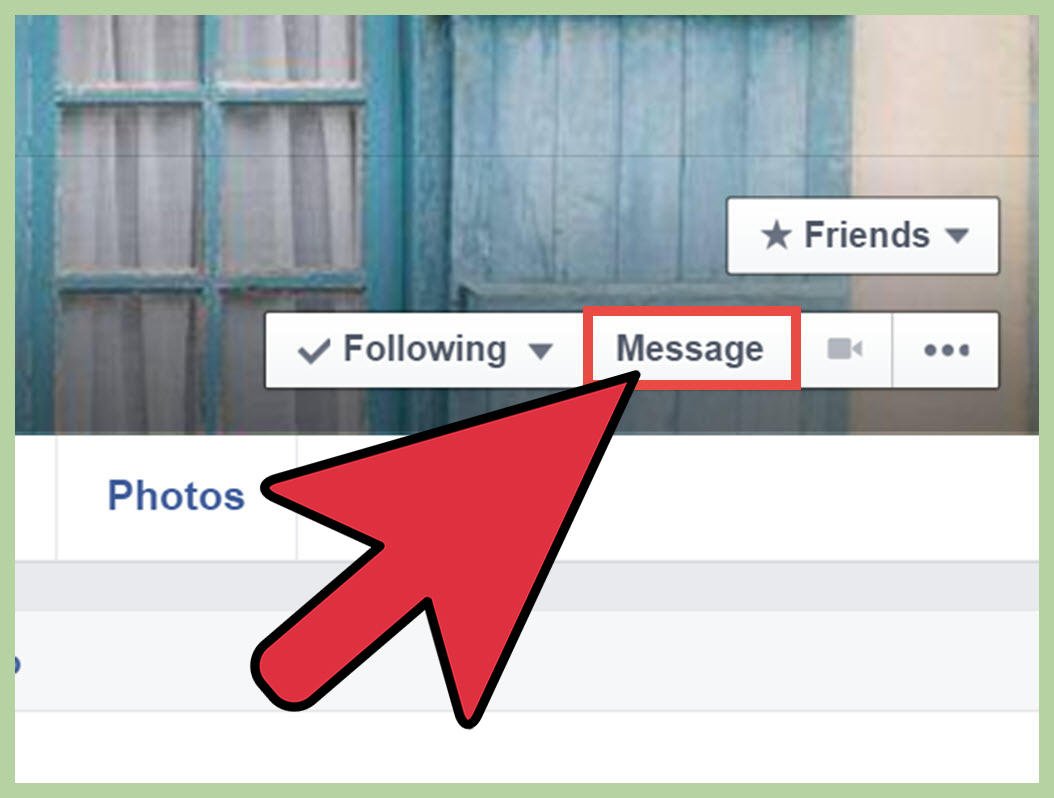
Step 8: Send a Friendly, Low-Pressure Message
Finding someone is only half the adventure. The other half is reaching out without making it sound like you have spent twelve years hiding behind a fern outside their house. Keep your first message simple, kind, and easy to answer.
A good first message usually includes three things: who you are, how you know each other, and why you are reaching out.
“Hi, Maya! I hope you’re doing well. This is Jordan from Ridgeview Highwe were in Mrs. Lewis’s history class and worked together on that very dramatic Civil War project. I came across your profile while reconnecting with old classmates and wanted to say hello. No pressure at all, but I’d love to hear how life has been treating you.”
That is enough. You do not need to write a novel, attach a yearbook scan, or explain every career move since graduation. Give the person room to respond on their own terms.
How to Confirm You Found the Right Classmate
Before sending a friend request, look for a few reliable signs that the profile belongs to the person you remember. You are not conducting a background investigation; you are simply avoiding the “Congratulations, you have messaged a stranger named Kevin for no reason” situation.
- Shared classmates or hometown connections
- School, college, or workplace details that make sense
- Photos with familiar people or locations
- Public posts mentioning your town, school, or graduation year
- A recognizable name variation, nickname, or family connection
If the account looks brand new, has very few personal details, uses unusually generic photos, or sends a strange message right away, be cautious. Fake or compromised social media accounts can impersonate real people, especially when scammers think nostalgia might make someone lower their guard.
Facebook Safety Tips When Reconnecting With Old Friends
Verify Before You Trust
It is normal to feel excited when an old classmate appears in your search results. That excitement is exactly why it is worth pausing for a moment. Check mutual friends, familiar details, and profile history before accepting a request or replying to a message.
If someone immediately asks for money, gift cards, login codes, financial help, or emergency assistance, stop. A real friend may need help someday, but verify through another phone number, another social platform, or a mutual contact before taking action.
Review Your Own Privacy Settings
Reconnecting can also be a good reason to look at your own Facebook privacy settings. Decide who can see your future posts, friend list, contact details, photos, and tagged content. You can be friendly without making your entire life publicly searchable.
Consider keeping sensitive informationsuch as your phone number, home address, birthday, workplace schedule, and children’s routineslimited to people you know and trust. Nostalgia is fun. Identity theft is not the kind of reunion story anyone wants.
Respect a Lack of Response
Not every former classmate will respond, and that is okay. People may be busy, inactive on Facebook, private about their past, or simply not in the mood to revisit the era of locker combinations and fluorescent gym uniforms.
Send one polite message or friend request, then let it rest. The best reconnections happen when both people feel comfortablenot when one person receives seven follow-up messages titled “Just checking in!!!”
What to Do When You Cannot Find Someone on Facebook
Sometimes the person you are looking for simply is not active on Facebook. They may use a different name, maintain strict privacy settings, have deleted their account, or prefer another platform. That does not mean your search has failed; it just means Facebook is one tool, not a magical yearbook with GPS.
Try these alternatives:
- Ask mutual classmates whether they are still in touch.
- Look for an official school alumni association or reunion committee.
- Search local community groups connected to your hometown.
- Check professional platforms for classmates who use work-related profiles.
- Search for public reunion events, school fundraisers, or alumni newsletters.
- Reach out to a former teacher, coach, or club adviser when appropriate.
Be patient. The goal is to reconnect naturally, not to force a result. Sometimes one recovered connection leads to five more, and suddenly you are back in touch with the entire drama club before you have even finished your coffee.
Experiences From Reconnecting With High School Friends on Facebook
Finding friends from high school on Facebook can feel strangely emotional. You may start with a simple search because you are curious about one person, then suddenly find yourself looking at old class photos, remembering inside jokes, and wondering why every school hallway seemed approximately three miles long.
One of the most common experiences is the “I barely recognized them, but I knew immediately” moment. People change hair, careers, cities, names, and facial hair choices. Yet one detaila smile, a familiar expression, a sibling in a photo, or a mention of the old school mascotcan make recognition click instantly. It is like your brain opens a dusty filing cabinet labeled “2003,” and every memory falls out at once.
Another memorable experience is reconnecting with people who were not necessarily close friends at the time. High school social circles can be rigid. There were athletes, theater kids, student council people, band members, quiet library regulars, and the mysterious students who seemed to be friends with everyone. Years later, those divisions often matter far less.
A person who was once just “the guy from chemistry class” may become a genuinely interesting adult with shared hobbies, similar career experiences, or stories that make you realize how much life has happened since graduation. Facebook can create low-pressure opportunities to reconnect without pretending that everyone was inseparable in tenth grade.
There is also the experience of seeing how differently everyone’s lives unfolded. Some classmates stayed in the hometown. Others moved across the country, started businesses, raised families, changed careers, joined the military, became teachers, traveled widely, or adopted enough pets to qualify as a small wildlife sanctuary.
Those discoveries can be inspiring, surprising, or occasionally humbling. It helps to remember that social media is a highlight reel, not a complete documentary. A vacation photo, promotion announcement, or family portrait tells only part of a person’s story. Reconnecting works best when you approach people with curiosity rather than comparison.
For many people, the first friend request feels awkward. You may stare at the “Add Friend” button as though it is a launch sequence for a space mission. What if they do not remember you? What if they remember you too well? What if they still hold a grudge about that group project from junior year?
Usually, the anxiety is much bigger than the actual interaction. A short message that reminds someone where you knew each other can make the request feel personal and comfortable. Most people are pleasantly surprised to hear from someone connected to an important chapter of their life.
Reunions are another reason people begin searching for old classmates. Someone sees a reunion announcement, joins a Facebook group, and soon finds themselves messaging people they have not spoken to in twenty years. These exchanges often begin with nostalgic details: a favorite teacher, an infamous school dance, the terrible cafeteria food, or the classroom heater that either froze everyone or turned the room into a sauna.
The funny part is that shared memories often return faster than expected. You might forget what you ate for breakfast yesterday but remember the exact sound of the final bell, the layout of your locker row, and the name of the substitute teacher everyone somehow managed to confuse.
Not every reconnection turns into a deep friendship, and that is perfectly normal. Some people exchange a few messages, enjoy the memories, and move on. Others become regular Facebook friends who like each other’s updates but rarely talk. A few may rediscover a strong connection and begin texting, calling, meeting for coffee, or planning visits.
The value does not have to be measured by how often you communicate afterward. Sometimes the simple act of saying hello, apologizing for an old misunderstanding, congratulating someone on a milestone, or sharing a memory is meaningful on its own.
There can also be bittersweet moments. You may learn that a former classmate has faced loss, illness, or difficult changes. You may discover that someone you admired in school had struggles you never knew about. Reconnecting can remind us that everyone carried a story, even back when we were mostly worried about homework, prom tickets, and whether our hair looked ridiculous in the yearbook photo.
That is why kindness matters. A thoughtful message can mean more than you realize. You do not need a perfect speech. Sometimes “I saw your profile and thought of you. I hope you’re doing well” is enough to open a door.
In the end, finding old friends from high school on Facebook is not really about collecting friend requests. It is about rediscovering people who shared a particular time and place with you. They knew you before the career, the adult responsibilities, the endless passwords, and the grocery-store loyalty cards.
Some connections will remain a pleasant memory. Others may become part of your life again. Either way, the search can be a reminder that the past is not always as far away as it feelsand sometimes all it takes is one name in a search bar to bring an entire hallway of memories back to life.
Conclusion
Learning how to find friends from high school on Facebook is mostly about using the right clues, searching patiently, and reaching out with genuine kindness. Start with names, schools, cities, and mutual friends. Explore alumni groups, use friend suggestions wisely, and confirm that a profile is authentic before connecting.
Most importantly, keep the experience light. You are not trying to rebuild every friendship exactly as it was. You are simply giving old connections a chance to become new conversations. Somewhere out there, your former lab partner may be just as curious about what happened to youand hopefully they still remember that you were innocent when the volcano project exploded.
SEO Tags
Note: Facebook menu labels, search filters, and privacy options may vary by device, location, and app version. Use the platform’s current Help Center and Privacy Checkup tools when adjusting account settings.

