
Makeup
Do Centipedes Bite?
Jul
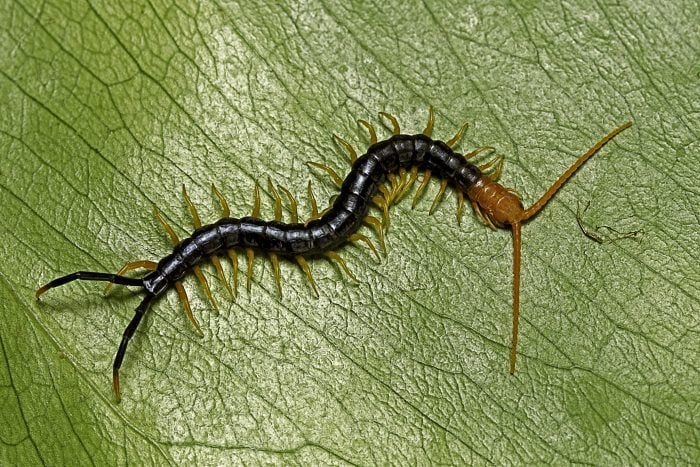
Yes, centipedes can bite—although technically, they do not bite the way a mosquito, flea, or cranky toddler might. Centipedes use a pair of modified front legs, called forcipules, to pinch and inject venom into prey. That sounds like the opening scene of a tiny horror movie, but here is the comforting part: most centipede encounters in American homes are harmless, brief, and far more dramatic in your imagination than on your skin.
The main keyword here is simple: do centipedes bite? The better question is: how likely is a centipede to bite you, what happens if it does, and should you panic-run through the hallway holding one shoe like a medieval sword? The answer: usually no panic required. Centipedes would rather hunt insects, hide in damp corners, and avoid humans entirely. You are not dinner. You are basically a loud apartment building with shoes.
Still, a centipede bite can happen if the animal is trapped, handled, stepped on, or pressed against skin. Larger centipedes can cause a more painful reaction, while the common house centipede is usually considered more creepy than dangerous. Let’s break it down clearly, calmly, and with only a reasonable amount of leg-counting.
What Is a Centipede, Really?
Centipedes are arthropods, not insects. Insects have six legs; centipedes looked at that number and apparently said, “Cute. Let’s keep going.” They have long, segmented bodies with one pair of legs per body segment. The word “centipede” means “hundred-footed,” but most species do not actually have exactly 100 legs.
The centipede most people notice indoors is the house centipede. It is usually yellowish-gray, fast-moving, and decorated with long, delicate legs that make it look like an escaped eyebrow with ambition. Adult house centipedes typically have 15 pairs of legs, long antennae, and a talent for appearing in bathrooms when you are least emotionally prepared.
Despite their unsettling appearance, centipedes are predators. They eat other small pests such as spiders, cockroaches, silverfish, flies, carpet beetle larvae, and other tiny arthropods. In other words, a house centipede may be the weird roommate who pays rent by eating the bugs you dislike even more.
So, Do Centipedes Bite Humans?
Yes, centipedes can bite humans, but bites are uncommon. Centipedes are not blood feeders. They do not seek out people, pets, or sleeping ankles as a food source. Most bites happen when a person accidentally traps or handles one. For example, a centipede may react defensively if it gets squeezed inside clothing, stepped on barefoot, caught in bedding, or picked up by someone who is being brave for exactly three seconds.
The bite is really a venomous pinch from the centipede’s front appendages. These forcipules work like tiny claws that help the centipede capture insects and other prey. When used defensively against humans, they can leave two small puncture marks and cause localized pain.
Smaller centipedes, including many house centipedes, often cannot easily pierce human skin. Larger outdoor species, especially some Scolopendra centipedes found in warmer regions, are more capable of producing a painful bite. In the United States, the risk varies by species, size, and situation. A tiny centipede in a basement is usually a nuisance. A large centipede handled carelessly outdoors deserves more respect and much less finger-poking.
What Does a Centipede Bite Feel Like?
A centipede bite may feel like a sharp pinch, sting, or burning sensation. Some people compare it to a bee sting, though reactions vary. The bite area may become red, swollen, tender, itchy, warm, or slightly numb. Two small puncture marks may be visible, especially after a bite from a larger centipede.
Common centipede bite symptoms
- Immediate pain or burning at the bite site
- Redness or mild discoloration
- Swelling around the affected area
- Itching or irritation
- Tenderness when touched
- Occasional numbness or tingling near the bite
Most centipede bite symptoms are local, meaning they stay near the bite area. In many cases, discomfort improves within several hours and usually resolves within a day or two. Larger species may cause stronger pain and swelling, but serious outcomes are rare.
That said, every body is different. Some people react strongly to insect and arthropod venom. A person with allergies, sensitive skin, a weakened immune system, or a bite near the face, mouth, or throat should take symptoms more seriously.
Are Centipedes Poisonous or Venomous?
Centipedes are venomous, not poisonous. The difference matters. Venom is injected through a bite, sting, or similar delivery system. Poison is harmful when touched, swallowed, or absorbed. A centipede uses venom to subdue prey, but that does not mean it is a major medical danger to humans.
For most people, centipede venom causes pain and irritation rather than life-threatening illness. Think of it as nature’s spicy warning label. The venom is meant for insects and small prey, not for battling humans who are 100,000 times larger and armed with flip-flops.
Still, venom can trigger inflammation. That is why the bite may swell, burn, or throb. Larger centipedes can inject more venom and may cause a more memorable experience. The phrase “more memorable” here means you will probably tell the story at dinner, whether anyone asked or not.
Can a House Centipede Bite You?
Yes, a house centipede bite is possible, but it is unlikely. House centipedes are fast, shy, and more interested in hunting household pests than confronting humans. Their delicate legs and lightweight bodies make them look dramatic, but they are not aggressive.
If a house centipede does bite, the reaction is usually mild. Some people may feel a small sting or pinch. Others may not notice much at all. In many cases, the bigger problem is emotional: you see a lightning-fast creature sprint across the wall, your soul briefly exits your body, and then you spend the next hour inspecting towels like a detective in a bug-themed crime show.
House centipedes may actually signal another issue: food. If you see many of them, your home may have other insects or spiders that are attracting them. Centipedes are predators, so a steady population often means the buffet is open somewhere in the basement, bathroom, garage, crawl space, or cluttered storage area.
What Should You Do If a Centipede Bites You?
Most centipede bites can be managed at home with basic first aid. The goal is to clean the area, reduce pain and swelling, and watch for unusual symptoms.
Centipede bite treatment at home
- Wash the area with soap and water. Cleaning the bite helps reduce the chance of skin infection.
- Apply a cold compress. Wrap ice or a cold pack in a cloth and place it on the bite for short intervals to ease pain and swelling.
- Avoid scratching. Scratching can break the skin and invite bacteria to move in like they signed a lease.
- Use over-the-counter relief if needed. A pain reliever, antihistamine, or mild anti-itch cream may help with discomfort, depending on your symptoms and personal health needs.
- Monitor the bite. Symptoms should gradually improve, not get worse.
Do not cut the bite, attempt to suck out venom, or apply harsh chemicals. Those old-school tricks belong in the same museum as butter-on-burns advice and emails from princes offering money.
When Should You Get Medical Help?
Most centipede bites are not emergencies. However, medical attention is important if symptoms are severe, spreading, or unusual.
Get medical help if you notice:
- Trouble breathing
- Swelling of the lips, tongue, throat, or face
- Dizziness, fainting, or confusion
- Severe or worsening pain
- Rapidly spreading redness or swelling
- Pus, red streaks, fever, or signs of infection
- A bite involving a young child, older adult, or person with serious health conditions
- A bite from a large centipede, especially if symptoms are intense
In the United States, you can also contact Poison Control at 1-800-222-1222 for guidance after a bite or suspected venom exposure. If symptoms suggest a severe allergic reaction, call emergency services immediately.
Do Centipedes Carry Diseases?
Centipedes are not known as major disease transmitters to humans. They do not feed on blood, and they are not like mosquitoes or ticks. The main concern after a centipede bite is usually pain, swelling, irritation, or possible secondary infection if the skin is scratched or not cleaned properly.
This is good news. A centipede appearing in your bathroom at 1 a.m. may damage your dignity, but it is not usually a public health disaster.
Why Are Centipedes in Your House?
Centipedes like dark, damp, protected spaces. Indoors, they are commonly found in bathrooms, basements, closets, laundry rooms, crawl spaces, garages, and around floor drains. Outside, they hide under mulch, stones, logs, leaf litter, boards, and other moist debris.
They come inside for three main reasons: moisture, shelter, and food. If your home has damp corners and plenty of small pests to eat, a centipede may decide the place has potential. It does not care about your decor, although it may strongly prefer your basement’s “abandoned storage cave” aesthetic.
How to Prevent Centipedes in the Home
The best centipede control strategy is not dramatic spraying. It is making your home less attractive to them. Since centipedes need moisture and prey, prevention should focus on dryness, sealing entry points, and reducing other pests.
Practical ways to reduce centipedes
- Fix moisture problems. Repair leaks, improve ventilation, and use a dehumidifier in damp basements or crawl spaces.
- Seal entry points. Caulk cracks, repair screens, add door sweeps, and close gaps around pipes or utility lines.
- Reduce clutter. Cardboard boxes, piles of laundry, and basement clutter create hiding places.
- Remove outdoor shelter. Keep mulch, leaves, stones, boards, and firewood away from the foundation when possible.
- Control other pests. If centipedes are eating insects indoors, removing the food source helps reduce the hunters.
- Vacuum sightings. For occasional centipedes, a vacuum is simple, low-risk, and does not require turning your hallway into a chemical battlefield.
Sticky traps can help monitor where centipedes and other small pests are traveling. If you are seeing centipedes frequently, look for dampness and other insect activity nearby. The centipede may be the clue, not the whole mystery.
Centipedes vs. Millipedes: Which One Bites?
People often confuse centipedes and millipedes. Both have many legs, both enjoy damp places, and both can make a person say, “Absolutely not,” out loud. But they are different animals.
Centipedes are usually flatter, faster, and predatory. They have one pair of legs per body segment and can bite or pinch with venomous front appendages. Millipedes are slower, rounder, and often curl into a coil when disturbed. They feed mostly on decaying plant material and do not bite, although some can release irritating defensive fluids.
If it runs fast and looks like it is late for a meeting, it is probably a centipede. If it curls up politely like a tiny cinnamon roll of nope, it is probably a millipede.
Should You Kill Centipedes?
This depends on your comfort level. From an ecological perspective, centipedes are beneficial predators. They help control insects and spiders. From a human perspective, a centipede sprinting across the bathroom wall can feel like a personal attack on peace and civilization.
If you see one occasional house centipede, you can remove it with a cup and paper, vacuum it, or leave it alone if you are feeling generous and emotionally advanced. If you see many centipedes, focus on moisture and pest reduction. Killing one centipede does not solve the reason it found your home appealing.
Are Centipede Bites Dangerous to Pets?
Dogs and cats may encounter centipedes while sniffing, pawing, or trying to eat them. A small centipede may cause little to no reaction. A larger centipede can cause pain, drooling, pawing at the mouth, swelling, or distress if it bites inside the mouth or on sensitive tissue.
If your pet has swelling, repeated vomiting, breathing trouble, extreme pain, or unusual behavior after contact with a centipede, call a veterinarian. Pets are curious, brave, and occasionally committed to making terrible snack decisions.
Common Myths About Centipede Bites
Myth 1: All centipedes are deadly
No. Most centipede bites are painful but not life-threatening. Serious reactions are rare, especially from common household species.
Myth 2: House centipedes chase people
They may run in your direction, but that does not mean they are plotting. They are fast, easily startled, and often trying to escape. Unfortunately, their escape route may be directly toward your bare foot, because comedy is built into the universe.
Myth 3: A centipede bite means your home is dirty
Not necessarily. Centipedes are attracted to moisture and prey. Even clean homes can have damp areas, foundation gaps, or occasional insects.
Myth 4: More chemicals always solve the problem
Not always. Long-term control usually works better when you reduce moisture, seal entry points, remove hiding places, and manage other pests.
Experience Section: Real-Life Lessons From Centipede Encounters
Most centipede stories begin the same way: someone walks into a bathroom, flips on the light, and suddenly discovers they can perform athletic movements not seen since high school gym class. The house centipede is famous for this. It does not stroll. It launches. One second your wall is blank; the next second a many-legged blur is crossing the tile like it has a boarding pass and the gate is closing.
One common experience is the “basement surprise.” A person goes downstairs to grab holiday decorations, old books, or that mysterious box labeled “miscellaneous,” and a centipede appears near the wall. The first reaction is usually fear, but the situation often reveals something useful: the basement may be damp, cluttered, or home to other small insects. In that case, the centipede is not the villain so much as the weird little inspector pointing out a moisture problem.
Another familiar situation happens in bathrooms. House centipedes like humidity, and bathrooms often provide it. Someone may see one in the bathtub or sink and assume it came from the drain. Sometimes they are simply trapped there after wandering in. Smooth surfaces make escape difficult, which is why a centipede may look as if it has moved into the tub permanently. It has not. It is just having a very bad climbing day.
People who have actually been bitten often describe the experience as sudden and sharp. For example, a centipede hidden in clothing, towels, gardening gloves, or bedding may bite when pressed against skin. The bite may sting, swell slightly, and feel sore for several hours. Most mild cases improve with washing, a cold compress, and patience. The emotional recovery from realizing there was a centipede in your towel may take longer, but that is a separate category of healing.
Gardeners may encounter larger centipedes outdoors under pots, mulch, stones, or boards. The practical lesson is simple: wear gloves when moving damp outdoor materials, shake out shoes or gloves stored in garages, and avoid picking up centipedes by hand. Curiosity is admirable, but fingers are not scientific equipment.
Parents often worry when children find centipedes indoors. The best response is calm prevention. Teach kids not to handle unknown bugs, clean the area if a bite occurs, and watch for symptoms. Most household encounters are minor, but a calm adult reaction helps prevent the moment from becoming a full family theater production.
The biggest lesson from centipede experiences is this: sightings are usually a sign to check the environment. Is there moisture under the sink? Are there gaps near the foundation? Is there clutter in the basement? Are other pests present? Fixing those issues reduces centipedes naturally and makes the home healthier overall. In other words, the centipede may be gross, but it can also be the tiny, terrifying messenger your house did not know it needed.
Conclusion: Do Centipedes Bite?
Centipedes can bite, but they rarely bite humans unless handled, trapped, or threatened. Most bites cause temporary pain, redness, swelling, or irritation. House centipedes are usually harmless and may even help control other household pests. Larger centipedes can cause more painful reactions, so it is smart to avoid touching them and to use basic first aid if bitten.
The best defense is prevention: keep your home dry, reduce clutter, seal entry points, and control the insects that centipedes eat. If a bite causes severe symptoms, signs of infection, or an allergic reaction, get medical help right away.
Note: This article is for general educational purposes and is based on real pest-management and medical guidance. It is not a substitute for professional medical advice, diagnosis, or treatment.

