
Body Care
Juicing for Weight Loss: Does It Work?
Jul
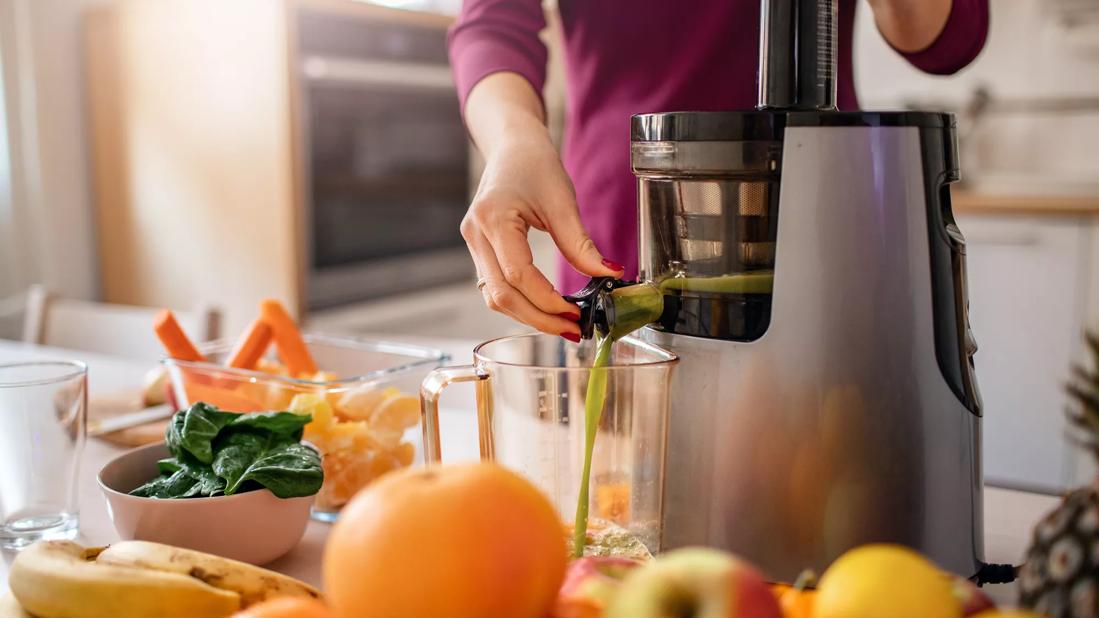
Few things look more virtuous than a mason jar packed with glowing green juice. It practically whispers, “I have my life together,” even if you drank it while eating leftover pizza over the sink. But can jnsive way to turn carrots into very colorful water?
The honest answer is a little less glamorous than a juice-bar menu: juicing can support weight loss in some situations, but it is not a magic fat-burning shortcut. A glass of vegetable-heavy juice may help when it replaces soda, a sugary coffee drink, or an afternoon pastry. A juice-only cleanse, however, is usually too low in protein, fiber, calories, and staying power to create healthy, sustainable results.
Weight loss is not about finding the most dramatic beverage in the refrigerator. It comes from building a routine that helps you consume fewer calories than you use while still getting enough protein, fiber, vitamins, minerals, sleep, movement, and actual enjoyment from food. Juice can have a place in that routine. It just should not be asked to do all the heavy lifting while your dinner plate quietly takes the night off.
The Quick Answer: Can Juicing Help You Lose Weight?
Juicing may help with weight loss if it replaces higher-calorie, less-nutritious foods or drinks. For example, swapping a large sweetened latte and a pastry for a small vegetable juice plus a protein-rich snack may reduce your daily calorie intake. Replacing a can of soda with unsweetened green juice may also help reduce added sugar.
But juicing does not automatically melt fat. A juice made mostly from apples, mangoes, grapes, oranges, and beets can contain a surprising amount of natural sugar and calories. It may be more nutritious than soda, but your body does not award bonus points just because the drink arrived wearing a wellness influencer’s straw hat.
Juice-only diets and “detox cleanses” are even less reliable. They may make the scale drop quickly, but much of that early change can come from water loss, depleted glycogen stores, and less food sitting in the digestive tract. That is not the same as meaningful fat loss. Clinical guidance from Mayo Clinic and Cleveland Clinic notes that juice cleanses are not proven detox tools, can fall short on nutrition, and often lead to regain once normal eating resumes. hy Juicing Sometimes Appears to Work
When people say, “I lost five pounds on a juice cleanse,” they are usually reporting a real change on the scale. The problem is interpreting what that number means.
It Can Create a Temporary Calorie Deficit
A typical juice cleanse often contains fewer calories than a person’s usual diet. If someone normally eats restaurant meals, snacks late at night, drinks alcohol, and grabs sugary beverages, switching to juice for a few days can sharply reduce calorie intake. The scale may respond quickly.
But a very low-calorie plan can also leave people tired, hungry, cranky, and about one slow Wi-Fi connection away from declaring war on the kitchen. When normal meals return, appetite often returns with backup dancers.
It May Replace Sugary Drinks
This is where juice can genuinely be helpful. Replacing soda, sweet tea, energy drinks, or oversized flavored coffee with a modest serving of 100% vegetable juice can reduce added sugars and improve overall beverage choices. The Centers for Disease Control and Prevention identifies sugary drinks as a major source of added sugars in the American diet, and the American Heart Association recommends limiting added sugars as part of a heart-healthy eating pattern. portant distinction: 100% fruit juice is not identical to soda. It can provide vitamins and plant compounds. Still, it is easier to drink the sugar from several pieces of fruit than it is to chew the same amount of fruit, especially once much of the pulp and fiber have been removed.
It Can Encourage More Produce
Some people simply do not enjoy eating kale salads, roasted Brussels sprouts, or celery sticks that squeak loudly enough to attract neighborhood pets. For them, juicing can be a practical way to increase fruit and vegetable intake.
That matters because fruits and vegetables provide vitamins, minerals, potassium, and plant compounds that support overall health. Still, whole produce remains the better everyday choice because it contains more of the natural fiber that helps with fullness, digestion, cholesterol management, and steadier blood sugar. hat Juicing Removes From the Equation
Juicing extracts liquid and many micronutrients from fruits and vegetables, but it often leaves behind much of the pulp. That pulp is not culinary rubble. It contains fiber, and fiber is one of the reasons whole foods are so useful for weight management.
Fiber slows digestion, helps you feel fuller after eating, and can make a meal more satisfying. A whole apple takes time to chew and occupies space in your stomach. Apple juice can disappear in about four heroic gulps, usually before your brain has even opened the “Was that enough?” email.
Johns Hopkins Medicine notes that fiber in whole fruits and vegetables can support fullness and help control blood sugar spikes. Harvard Health and Mayo Clinic similarly emphasize that whole produce provides a more complete nutritional package than juice alone. ice is also typically low in protein and healthy fats. Those nutrients matter because they make meals more satisfying and help preserve lean mass during weight loss. A breakfast made only of juice may feel refreshing for 20 minutes, but it may also leave you so hungry by 10:30 a.m. that a vending-machine granola bar starts looking like a life coach.
The Biggest Problems With Juice Cleanses
Juice cleanses are often marketed as a reset, detox, reboot, refresh, transformation, rebirth, or whatever dramatic word fits on a bottle label. The trouble is that the human body already has organs dedicated to processing and removing waste products, including the liver and kidneys. There is no strong scientific evidence that drinking juice alone “flushes toxins” from a healthy body. hey Are Often Too Low in Protein
Protein helps protect muscle while you lose weight. Losing weight without enough protein or resistance exercise can mean losing some lean tissue along with fat. That is not ideal because muscle helps support strength, mobility, metabolism, and everyday function.
They May Leave You Constantly Hungry
Liquid calories are usually less filling than meals you chew. A juice may contain plenty of calories but still fail to satisfy hunger. This can make overeating later more likely, especially after a long day, a stressful meeting, or an encounter with freshly baked cookies.
They Can Cause Low Energy and Digestive Trouble
Very restrictive juice plans may lead to fatigue, headaches, irritability, dizziness, diarrhea, or trouble concentrating. Cleveland Clinic notes that cleanses can create nutrient gaps, disrupt normal eating patterns, and leave people without enough energy for workouts or daily responsibilities. hey Encourage an “All or Nothing” Mindset
A week of green juice followed by a weekend of takeout, pastries, and regret is not a sustainable nutrition strategy. Weight management works better when your habits are realistic enough to repeat on regular Tuesdays, stressful Thursdays, vacations, holidays, and days when the blender is hiding in the back of a cabinet under a pile of reusable bags.
Juicing vs. Smoothies for Weight Loss
If your goal is weight loss, smoothies are often a better option than juice because smoothies typically keep the edible parts of the fruit and vegetables, including more fiber. A smoothie can also become a balanced mini-meal when it includes protein and healthy fat.
A practical smoothie might include:
- Unsweetened Greek yogurt, cottage cheese, tofu, or protein powder
- Berries, half a banana, or another modest portion of fruit
- Spinach, kale, zucchini, or frozen cauliflower
- Chia seeds, flaxseed, or nut butter
- Water, unsweetened milk, or a dairy-free alternative
That combination gives you more protein, fiber, and fullness than juice alone. Johns Hopkins Medicine notes that blended whole fruit generally provides more fiber than fruit juice, which is one reason smoothies can be a more useful option for people trying to manage appetite. at said, smoothies can also become calorie bombs when they include large amounts of fruit juice, sweetened yogurt, syrups, honey, granola, chocolate chips, and enough peanut butter to build a small retaining wall. Healthy does not mean unlimited.
How to Use Juice Wisely in a Weight-Loss Plan
You do not need to ban juice forever or pledge allegiance to plain water until retirement. The key is to use juice as a supporting actor, not the main character.
Make Vegetables the Main Event
Build your juice around vegetables such as cucumber, celery, spinach, kale, romaine, parsley, lemon, ginger, tomatoes, carrots, or beets. Add a small amount of fruit for flavor rather than making fruit the entire production.
A useful formula is roughly three parts non-starchy vegetables to one part fruit. For example, combine cucumber, spinach, celery, lemon, ginger, and half a green apple. The apple makes the drink taste friendly instead of like lawn clippings, while the vegetables keep the sweetness more moderate.
Keep Portions Reasonable
A small glass is usually enough. Think of juice as a concentrated food, not as a replacement for unlimited hydration. Water should remain your main beverage, while juice can be an occasional addition to a balanced diet.
If you buy bottled juice, check the label carefully. Look for “100% juice” and avoid products with added sugars. Also watch serving sizes. A bottle may look like one serving, but the nutrition label may quietly reveal that it contains two or three. Sneaky little bottle.
Pair Juice With Protein and Fiber
Instead of drinking juice by itself, pair it with something filling. Good options include eggs, plain Greek yogurt, cottage cheese, a handful of nuts, roasted chickpeas, whole-grain toast with avocado, or a turkey-and-vegetable wrap.
This approach lets you enjoy juice while giving your body the protein and fiber it needs for better appetite control.
Do Not Drink Your Entire Produce Budget
Whole fruits and vegetables should still make up most of your intake. The CDC recommends that adults consume fruits and vegetables daily, and whole produce is generally the most satisfying way to get them. ink of juice as one lane on the produce highway, not the entire interstate.
Who Should Be Extra Careful With Juicing?
Juicing is not automatically safe for everyone. People with diabetes or prediabetes should be especially careful with fruit-heavy juices because liquid carbohydrates can raise blood sugar quickly. Whole fruit is often the more satisfying option because it contains more fiber. ople with kidney disease may need individualized guidance because certain fruits and vegetables can be high in potassium or may not fit fluid restrictions. Anyone taking prescription medication should also check for food-drug interactions. Grapefruit juice, for example, can interact with some medications. egnant people, young children, older adults, and individuals with weakened immune systems should avoid unpasteurized juice because untreated juice can contain harmful bacteria. The U.S. Food and Drug Administration recommends choosing pasteurized or otherwise treated juice products for safety. nally, anyone with a history of an eating disorder, chronic medical condition, recent surgery, or unexplained weight loss should speak with a qualified health professional before attempting a restrictive cleanse.
A Better Weight-Loss Blueprint Than a Juice Cleanse
The most effective weight-loss plan is rarely the most dramatic one. It is the one you can maintain without becoming exhausted, socially isolated, underfed, or personally offended by the sight of broccoli.
A sustainable plan usually includes:
- Mostly whole, minimally processed foods
- Fruits and vegetables in forms you enjoy
- Protein at meals and snacks
- High-fiber foods such as beans, oats, whole grains, and whole fruit
- Water and low-calorie beverages as your main drinks
- Regular movement and strength training
- Enough sleep and stress-management habits
- Flexible eating that leaves room for favorite foods
NIDDK emphasizes that healthy eating patterns and regular physical activity are central to losing weight and maintaining weight loss over time. Federal physical activity guidance recommends that adults aim for at least 150 minutes of moderate-intensity activity each week, plus muscle-strengthening activity on two or more days. at may sound less exciting than a three-day celery cleanse, but it is far more likely to work after the blender novelty wears off.
Real-World Juicing Experiences: What People Often Learn
The following examples are composite experiences based on common patterns reported by people who experiment with juicing. They are not medical case studies, and they do not replace individualized advice from a registered dietitian or health professional.
Experience 1: The “I Finally Stopped Drinking Soda” Win
One common success story begins with a person who does not actually need a juice cleanse. They need a better afternoon drink. Maybe they usually reach for a soda, sweet tea, or giant iced coffee around 3 p.m. They start making a small juice with cucumber, celery, lemon, ginger, and a little apple.
At first, the juice is not magical. Nothing sparkles. No chorus of kale appears. But over several weeks, they notice they are drinking fewer sugary beverages and feeling less dependent on the afternoon sugar rush. Their weight loss does not come from “detoxing.” It comes from making one repeatable swap that lowers calories without making life miserable.
Experience 2: The “Juice Cleanse Rebound” Lesson
Another person decides to do a five-day juice cleanse before a vacation. The first two days feel exciting because the scale drops quickly. By day three, they are tired, distracted, and thinking about toast with the emotional intensity of a romance novel.
They finish the cleanse, eat a huge restaurant meal, and then feel frustrated when the scale rises again. Eventually, they realize the cleanse was not proof that they lacked discipline. It was proof that extreme restriction is difficult to sustain. Their better plan becomes simpler: balanced meals, a daily walk, protein at breakfast, vegetables at lunch and dinner, and juice once or twice a week because they genuinely enjoy it.
Experience 3: The “Fruit Juice Is Still a Drink” Discovery
Some people begin juicing with good intentions but accidentally create dessert in a glass. Their recipe may include several apples, a large orange, pineapple, mango, grapes, and a little spinach for moral support.
The drink tastes wonderful, but it does not keep them full. They soon discover that a juice can contain the sugars from multiple servings of fruit while being much easier to consume than whole fruit. Rather than quitting juicing entirely, they shift toward vegetable-heavy recipes and use fruit as flavor. The juice becomes less like liquid candy and more like a refreshing supplement to meals.
Experience 4: The “Smoothie Solves the Breakfast Problem” Shift
A person who regularly skips breakfast may initially use juice as a fast morning option. But by midmorning, they are starving and grabbing whatever is easiest. They switch to a smoothie with Greek yogurt, berries, spinach, chia seeds, and milk. The smoothie takes only a few more minutes, but it keeps them full longer because it contains protein, fiber, and some healthy fat.
The lesson is not that juice is bad. The lesson is that different tools solve different problems. Juice may work as a refreshing drink. A smoothie may work better as a meal. A whole apple may work best when you need something to chew while pretending not to stare at the office snack table.
Experience 5: The “Consistency Beats Drama” Result
The most sustainable results often come from people who stop searching for the perfect juice recipe and focus on their overall routine. They use juice occasionally, eat whole produce most days, prepare meals ahead of time, move their body regularly, and avoid treating one cookie as a moral failure.
Over time, their progress may be slower than a dramatic cleanse advertisement promises. But it is more likely to last. They are not constantly restarting. They are simply living in a way that supports their goals, one normal meal at a time.
The Bottom Line
Juicing for weight loss can work only when it supports a broader calorie-conscious, nutrient-rich eating pattern. A small vegetable-heavy juice can be a smart replacement for sugary drinks or low-quality snacks. It can help some people eat more produce and stay consistent with healthier habits.
But juice is not a detox, a fat burner, or a substitute for balanced meals. Whole fruits and vegetables generally offer more fiber, greater fullness, and better long-term support for appetite control. For most people, the best strategy is not “juice instead of food.” It is “use juice wisely, eat plenty of whole foods, move regularly, and build habits that do not require a dramatic restart every Monday.”
Note: This article is for general educational purposes and is not a substitute for personalized medical advice. Consult a qualified health professional before starting a restrictive diet, especially if you are pregnant, managing diabetes, have kidney disease, take prescription medication, or have a history of disordered eating.

