
Beauty Tools & Accessories
Flavanols in Plant Foods May Stave Off Effects of Being Sedentary
Jul
Sitting at a desk may look harmless. After all, the chair is not chasing you, your heart rate is calm, and the most dangerous object nearby may be an aggressively full email inbox. Inside the body, however, long stretches of uninterrupted sitting can quietly interfere with blood flow and the ability of arteries to widen normally.
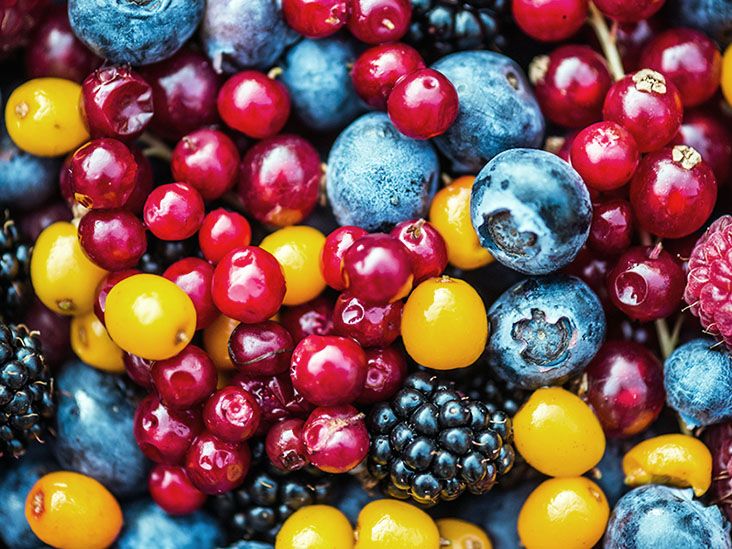
Emerging research suggests that flavanolsplant compounds found in cocoa, tea, apples, berries, grapes, and several other foodsmay help protect blood vessel function during sedentary periods. In controlled experiments, people who consumed a high-flavanol cocoa drink before sitting for two hours maintained healthier artery responses than those given a low-flavanol drink.
That does not mean chocolate can replace exercise, nor does it give anyone permission to fuse permanently with the couch. The findings instead point toward a practical combination: eat a varied, plant-rich diet, interrupt prolonged sitting whenever possible, and treat flavanol-rich foods as supporting actors rather than caped nutritional superheroes.
Why Prolonged Sitting Affects the Circulatory System
Sedentary behavior generally means being awake while sitting, reclining, or lying down and using very little energy. Desk work, driving, studying, gaming, watching television, and long flights can all produce extended periods of inactivity.
When the leg muscles remain inactive, they perform fewer of the contractions that normally help move blood through the lower body. Blood flow and the mechanical force of blood moving along artery wallsknown as shear stressmay decline. The endothelium, the delicate layer of cells lining blood vessels, depends partly on these signals to regulate vascular tone.
The Importance of Endothelial Function
A healthy endothelium releases substances, including nitric oxide, that help arteries relax and widen. This widening allows more blood to reach tissues when demand increases. Poor endothelial function is considered an early sign of vascular trouble and is associated with cardiovascular risk.
Researchers often assess endothelial function using flow-mediated dilation, or FMD. During this test, ultrasound is used to measure how much an artery expands after blood flow is temporarily restricted and then restored. A lower response suggests that the vessel is not relaxing as effectively.
Even a single uninterrupted sitting session can temporarily reduce FMD in arteries of the arms and legs. One afternoon glued to a spreadsheet will not automatically cause heart disease, but repeated vascular stress over many days and years may contribute to a less favorable cardiovascular environment.
What Exactly Are Flavanols?
Flavanols are a subgroup within the large flavonoid family of plant compounds. They are also called flavan-3-ols. Common examples include epicatechin, catechin, and larger compounds known as proanthocyanidins.
Flavanols should not be confused with flavonols, another flavonoid subgroup that includes quercetin. The names differ by one letter, apparently because nutritional science enjoys keeping copy editors alert.
Plants produce flavonoids for functions such as defense, pigmentation, and protection from environmental stress. In humans, flavanol metabolites may influence nitric oxide signaling, inflammation, oxidative processes, and other pathways involved in blood vessel function. Their effects are more complicated than simply “neutralizing free radicals,” despite what many supplement labels would have shoppers believe.
Common Flavanol-Rich Foods and Drinks
- Cocoa and specially processed high-flavanol cocoa powder
- Black tea and green tea
- Apples, particularly when eaten with the peel
- Blueberries, blackberries, raspberries, and cranberries
- Grapes and plums
- Some beans, nuts, and other plant foods
The amount present in a food can vary substantially according to plant variety, ripeness, storage, and processing. A food being brown, purple, or marketed as “super” does not guarantee a particular flavanol dose.
What the Sedentary-Flavanol Study Found
In a randomized, double-blind, crossover study, researchers examined 40 healthy young men. Half had relatively high cardiorespiratory fitness, while the other half had lower fitness levels. Each participant completed sitting trials after consuming either a high-flavanol cocoa drink or a low-flavanol comparison drink.
The high-flavanol beverage contained approximately 695 milligrams of total flavanols, including 150 milligrams of epicatechin. The comparison drink contained about 5.6 milligrams of total flavanols. Participants then remained seated for two uninterrupted hours while researchers measured vascular responses in the brachial artery of the arm and the superficial femoral artery of the leg.
High-Flavanol Cocoa Preserved Artery Dilation
After the low-flavanol drink, two hours of sitting reduced flow-mediated dilation in both arteries. After the high-flavanol drink, those declines were prevented. In other words, the vessels retained a better ability to widen despite the prolonged inactivity.
The benefit appeared in both the high-fitness and low-fitness groups. Surprisingly, better cardiorespiratory fitness did not prevent the temporary vascular impairment associated with sitting when participants consumed the low-flavanol drink.
This does not mean fitness is unimportant. Regular activity has enormous benefits for the heart, metabolism, muscles, bones, brain, and overall longevity. It means that a workout earlier in the day may not completely erase every immediate physiological effect of sitting without a break.
Not Every Measurement Improved
The flavanol intervention did not prevent all changes associated with sitting. It did not improve the study’s microvascular measurements, blood flow patterns, or blood pressure response. Diastolic blood pressure increased during sitting regardless of which beverage participants consumed.
This distinction matters. The research found a specific benefit in the ability of larger arteries to dilate; it did not show complete protection from sedentary behavior.
Similar Results Were Found in Older Adults
A related randomized crossover study involved 20 apparently healthy adults with an average age of about 72. Participants consumed either a high-flavanol cocoa beverage containing 695 milligrams of flavanols or a low-flavanol beverage before sitting for two hours.
During the low-flavanol condition, sitting reduced flow-mediated dilation in arteries of both the arm and leg. The high-flavanol beverage prevented those declines. This suggests that the vascular effect may not be limited to young adults.
Once again, however, flavanols did not fix everything. Sitting increased systolic and diastolic blood pressure in the older participants, and the high-flavanol beverage did not stop that increase. Measures of muscle microvascular function were not improved either.
The older participants were also unusually active for their age, and the sample was small. The results therefore cannot automatically be applied to all older people, particularly those with diabetes, hypertension, cardiovascular disease, mobility limitations, or other medical conditions.
What the Research Doesand Does NotProve
What It Suggests
These experiments provide evidence that a large, acute dose of cocoa flavanols can preserve one important measure of artery function during a two-hour period of uninterrupted sitting. The results were observed in young men with different fitness levels and in a separate group of healthy older adults.
What It Does Not Establish
The studies did not show that eating flavanol-rich foods prevents heart attacks, strokes, blood clots, or cardiovascular death among people who sit for long periods. They measured short-term physiological responses rather than long-term clinical outcomes.
The young-adult study included only men, and neither trial included a large, broadly representative population. The cocoa drinks were carefully formulated research products, not ordinary candy bars or packets of sugary hot chocolate.
It is also uncertain whether smaller amounts from everyday food would produce the same immediate effect. The approximately 695-milligram dose used in the trials may be difficult to obtain consistently because flavanol content is rarely displayed on food labels.
Why Dark Chocolate Is Not an Exercise Substitute
The phrase “cocoa flavanols” tends to make chocolate lovers hear whatever they would most like to hear. Unfortunately, a caramel-filled candy bar does not become cardiovascular equipment merely because cacao appears on the ingredient list.
Commercial chocolate may contain substantial added sugar, saturated fat, and calories. Processing can also change the amount of naturally occurring flavanols. Even a high cacao percentage does not reveal the exact flavanol content.
The U.S. Food and Drug Administration has allowed a narrowly worded qualified health claim for certain high-flavanol cocoa powders, but it emphasizes that the supporting evidence for reducing cardiovascular disease risk is very limited. The claim does not apply broadly to ordinary cocoa, chocolate bars, or every product made from cacao beans.
For everyday eating, unsweetened cocoa, minimally sweetened dark chocolate in modest portions, plain tea, fruit, beans, and nuts are more sensible choices than treating dessert as preventive medicine.
How to Add More Flavanol-Rich Foods to a Sedentary Day
There is no established U.S. dietary requirement for flavanols, and the new sitting studies do not justify prescribing an exact daily dose. A practical strategy is to regularly eat a variety of whole plant foods rather than chasing one compound.
Build a Flavanol-Friendly Breakfast
Stir unsweetened cocoa and berries into oatmeal, or pair an apple with nuts. This provides flavanols alongside fiber, vitamins, minerals, and other beneficial plant compounds.
Replace a Sugary Drink With Tea
Plain green or black tea can contribute flavanols without the added sugar found in many soft drinks, sweetened coffees, and bottled teas. People sensitive to caffeine can choose smaller servings, brew tea more lightly, or explore appropriate decaffeinated options.
Keep Fruit Near the Desk
An apple, bunch of grapes, or container of berries is easier to choose when it is visible and ready to eat. The office vending machine becomes less persuasive when lunch is not your last known encounter with a plant.
Use Cocoa Intelligently
Choose unsweetened cocoa powder and add a small amount to oatmeal, yogurt, smoothies, or warm milk. Check the full Nutrition Facts label and ingredient list rather than relying on front-of-package promises.
Movement Still Provides the Strongest Practical Protection
Flavanol-rich foods should complement physical activity, not replace it. Current U.S. guidance encourages adults to move more and sit less. Most adults should work toward at least 150 minutes of moderate-intensity aerobic activity each week, plus muscle-strengthening activity on two or more days.
Just as important, activity can be divided into smaller portions. A five-minute walk, a standing phone call, a trip to refill a water bottle, or a few minutes of light movement can help interrupt an otherwise motionless afternoon.
During long desk sessions, consider standing or moving every 30 to 60 minutes. On a flight or road trip, take safe opportunities to walk and change position. People with disabilities or limited mobility can use suitable seated movements or work with a health professional to identify accessible options.
Think of the strategy as layers of protection: regular exercise, frequent movement breaks, a heart-supportive diet, adequate sleep, and management of blood pressure, cholesterol, and blood sugar. Flavanols may be one useful layer, but they are not the whole jacket.
Experiences From Flavanol-Friendly, Less-Sedentary Routines
The following practical scenarios illustrate how the research can be translated into daily habits without pretending that one snack cancels an entire day of inactivity.
The Desk Worker Who Starts With Tea and Good Intentions
A common office routine begins with coffee, continues with email, and somehow reaches lunchtime without the employee remembering that legs have functions beyond supporting a laptop. Replacing a second sugary coffee with plain green or black tea adds a flavanol-rich drink, while keeping an apple nearby makes the midmorning snack automatic.
The larger improvement comes from pairing those choices with a recurring reminder to stand. At the end of each hour, the worker walks to the printer, refills a glass, or circles the room for three minutes. The tea supports a plant-rich eating pattern; the movement breaks address the sitting itself.
The Student Facing a Marathon Study Session
A student preparing for an exam may expect to remain seated for most of the evening. A bowl of berries, grapes, and nuts is a more useful study companion than a family-size bag of candy. Unsweetened cocoa stirred into oatmeal or yogurt can add another cocoa-based option without turning the snack into dessert with a minor in nutrition.
Using study intervals also creates natural activity breaks. After 40 or 50 minutes of reading, the student stands, stretches, walks through the hallway, and returns for the next block. These pauses may also refresh attention, making them less of an interruption and more of a system upgrade.
The Traveler on a Long Flight
Long-distance travel can make uninterrupted sitting difficult to avoid. A traveler might pack an apple, berries, or a modest portion of dark chocolate rather than relying entirely on airport pastries. Tea can be an easy flavanol-containing beverage when it is available without a landslide of sugar.
Food is only one part of the plan. When permitted and safe, changing position, moving the ankles, and occasionally walking through the cabin can break up immobility. Anyone with a history of blood clots or elevated clotting risk should seek individualized medical advice rather than relying on cocoa or fruit for protection.
The Older Adult Who Watches Evening Television
An older viewer may enjoy berries with plain yogurt or a warm drink made with unsweetened cocoa. Commercial breaks or the end of each episode can become cues to stand, walk around the room, or perform appropriate balance and strength exercises near stable support.
This combined routine is more consistent with the research than simply adding chocolate while remaining seated all evening. For people with balance problems, pain, heart disease, or mobility limitations, activity choices should be adapted with help from a qualified clinician or physical therapist.
The Gamer Who Uses Breaks Between Rounds
Gaming sessions can make two hours disappear with suspicious efficiency. A player can keep tea, an apple, or grapes nearby and use loading screens or the end of each match as prompts to stand. A few squats, calf raises, stretches, or laps around the room can turn digital downtime into physical uptime.
The lesson from all these experiences is not that everyone needs laboratory cocoa before opening a laptop. It is that diet and movement can work together. Flavanol-rich foods are easy to include, but the chair should still be abandoned periodically, however emotionally attached it may have become.
Conclusion
Controlled studies in young men and healthy older adults suggest that consuming a high-flavanol cocoa drink before two hours of sitting can prevent temporary declines in flow-mediated dilation in arteries of the arms and legs. The findings are biologically interesting and potentially useful, especially because higher fitness alone did not eliminate the immediate vascular effects of uninterrupted sitting.
Still, flavanols did not prevent every harmful response. Blood pressure and several microvascular measurements were unaffected, and the trials were too small and brief to demonstrate protection from cardiovascular disease.
The most reasonable takeaway is pleasantly unglamorous: eat more varied plant foods, choose tea, apples, berries, grapes, and minimally sweetened cocoa products regularly, and break up long sitting periods with movement. The future of vascular health may involve sophisticated plant chemistry, but it also involves getting out of the chair.
SEO Data

