
Skincare
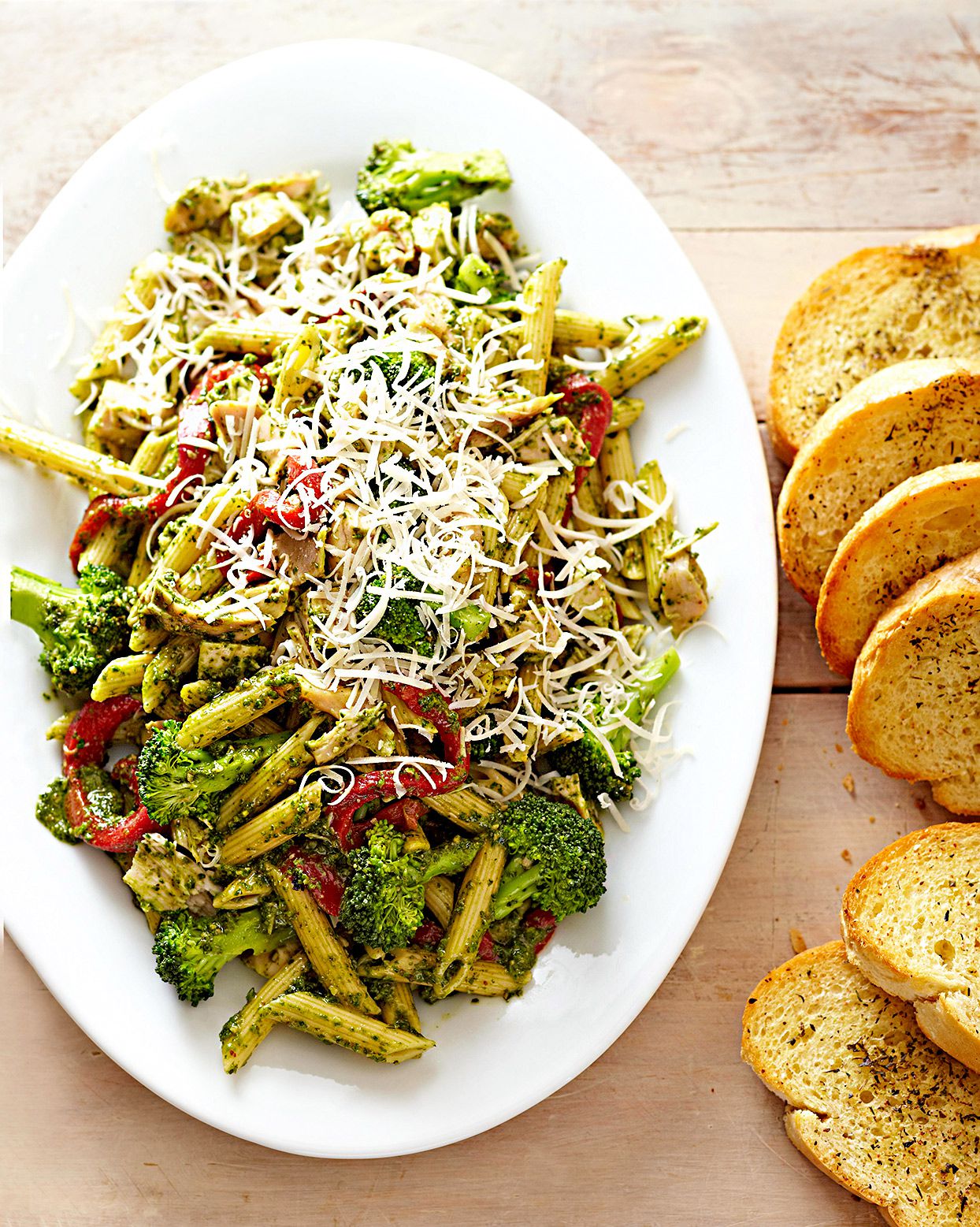
Pesto Penne Salad with Deli-Roasted Chicken Recipe
Jul
Some recipes walk into your kitchen wearing a tuxedo. This one strolls in wearing sunglasses, carrying a rotisserie chicken, and politely asking where you keep the Parmesan. Pesto Penne Salad with Deli-Roasted Chicken is the kind of meal that feels fresh, filling, and impressively put togethereven when your biggest culinary achievement that day was opening the deli container without spilling juice on your shirt.
This dish brings together tender penne pasta, juicy deli-roasted chicken, basil pesto, cherry tomatoes, mozzarella, crisp vegetables, and a lemony dressing that keeps every bite bright. It works as a quick weeknight dinner, a picnic-ready pasta salad, a meal-prep lunch, or a potluck dish that disappears faster than the person who “forgot” to bring drinks.
The best part? You do not need to roast a chicken, make fresh pasta, or whisper motivational speeches to basil leaves. A good store-bought pesto and a ready-made deli-roasted chicken do the heavy lifting, while a few smart techniques make the final salad taste balanced, fresh, and homemade.
Why This Pesto Penne Salad Works So Well
A great pasta salad needs more than cold noodles and wishful thinking. It needs structure, moisture, contrast, and enough flavor to stay interesting after a few hours in the fridge. This recipe checks all the boxes.
Penne is a smart pasta choice because its tube shape catches pesto inside and out. Every piece becomes a tiny flavor tunnel, which is exactly the kind of engineering we support at dinner. The ridges also help hold onto cheese, olive oil, herbs, and tiny bits of chicken.
Deli-roasted chicken, often sold as rotisserie chicken, adds savory depth without extra cooking. It is tender, seasoned, convenient, and already has that roasted flavor people associate with comfort food. Shredded or chopped, it turns this salad from a side dish into a full meal.
Basil pesto provides the backbone. Traditional pesto is usually made with basil, garlic, olive oil, Parmesan, pine nuts, and salt. Its bold flavor means you need fewer ingredients to make the salad taste complete. A little lemon juice and olive oil loosen the pesto into a dressing, while mozzarella and tomatoes give the salad a fresh, Caprese-inspired personality.
Recipe Overview
- Prep time: 20 minutes
- Cook time: 11 to 12 minutes
- Total time: About 35 minutes
- Servings: 6 main-dish servings or 8 side-dish servings
- Best for: Lunch, dinner, picnics, potlucks, meal prep, summer parties
- Main keyword: Pesto Penne Salad with Deli-Roasted Chicken Recipe
Ingredients for Pesto Penne Salad with Deli-Roasted Chicken
For the pasta salad
- 12 ounces penne pasta
- 3 cups chopped or shredded deli-roasted chicken, skin removed if preferred
- 1 cup basil pesto, homemade or store-bought
- 1 1/2 cups cherry tomatoes, halved
- 1 cup mozzarella pearls or diced fresh mozzarella
- 1 cup baby spinach or arugula, roughly chopped
- 1/2 cup cucumber, diced
- 1/3 cup red onion, finely chopped
- 1/3 cup sliced black olives or Kalamata olives
- 1/4 cup grated Parmesan cheese
- 1/4 cup toasted pine nuts, almonds, or walnuts
- 2 tablespoons chopped fresh basil
- Salt and freshly ground black pepper, to taste
For the pesto dressing
- 2 tablespoons extra-virgin olive oil
- 1 tablespoon fresh lemon juice
- 1 tablespoon mayonnaise or plain Greek yogurt, optional but helpful for creaminess
- 1 to 2 tablespoons reserved pasta water, as needed
- 1/2 teaspoon garlic powder, optional
- 1/4 teaspoon crushed red pepper flakes, optional
How to Make Pesto Penne Salad with Deli-Roasted Chicken
Step 1: Cook the penne properly
Bring a large pot of salted water to a boil. Add the penne and cook according to the package directions, but lean slightly tender rather than very firm. Pasta salad is different from hot pasta: noodles firm up as they cool, so pasta that is too al dente can taste stiff once chilled.
Before draining, reserve about 1/4 cup of pasta water. You may only need a spoonful or two, but this starchy water can help loosen the pesto dressing and make it cling to the pasta beautifully.
Step 2: Drain and cool the pasta
Drain the pasta well. For a cold pasta salad, rinse it briefly under cool water to stop the cooking, then shake off as much water as possible. Too much water will dilute the pesto, and nobody wants a salad that tastes like basil had a long conversation with a garden hose.
Spread the pasta on a baking sheet for a few minutes if you have time. This helps it cool evenly and prevents clumps. While still slightly warm, toss it with one tablespoon of olive oil and a few spoonfuls of pesto. Warm pasta absorbs flavor better than refrigerator-cold pasta.
Step 3: Prepare the deli-roasted chicken
Remove the chicken meat from the bones and chop or shred it into bite-sized pieces. A mix of white and dark meat gives the salad the best texture and flavor. If the chicken skin is very seasoned and crisp, you can chop a small amount and add it for extra flavor, but keep it modest so the salad does not become greasy.
Step 4: Mix the pesto dressing
In a small bowl, whisk together the basil pesto, olive oil, lemon juice, mayonnaise or Greek yogurt, garlic powder, red pepper flakes, and one tablespoon of reserved pasta water. The dressing should be creamy, pourable, and glossy. If it looks too thick, add another spoonful of pasta water or olive oil.
The optional mayonnaise or Greek yogurt is not there to turn this into a heavy deli salad. It simply helps the pesto stay smooth and prevents the pasta from drying out after chilling.
Step 5: Combine the salad
In a large mixing bowl, add the cooled penne, deli-roasted chicken, cherry tomatoes, mozzarella, cucumber, red onion, olives, spinach or arugula, Parmesan, and basil. Pour the pesto dressing over the top and toss gently until everything is evenly coated.
Taste and adjust. Add more salt if the pasta tastes flat, more lemon juice if it needs brightness, more pesto if you want a stronger basil flavor, or more Parmesan if you believe cheese is less of an ingredient and more of a lifestyle.
Step 6: Chill, then finish before serving
Cover the bowl and refrigerate the salad for at least 30 minutes. This gives the flavors time to mingle. Before serving, toss again and check the texture. If the pasta has absorbed too much dressing, add a small drizzle of olive oil, a spoonful of pesto, or a splash of reserved pasta water if you saved extra.
Top with toasted nuts, extra Parmesan, and fresh basil just before serving for the best flavor and texture.
Chef-Style Tips for the Best Pesto Chicken Pasta Salad
Use short pasta with texture
Penne is excellent, but rotini, fusilli, bow ties, cavatappi, and shells also work. Smooth pasta can be slippery, while ridged or twisted pasta grabs pesto and keeps each bite flavorful.
Do not overdress too early
Pasta absorbs dressing as it sits. Start with most of the dressing, then save a little pesto or olive oil for refreshing the salad before serving. This small move can turn “yesterday’s pasta” into “why is this so good?”
Balance richness with freshness
Pesto, chicken, cheese, and nuts are rich. Tomatoes, lemon juice, cucumber, and greens keep the salad lively. Without those fresh elements, the salad may taste heavy after a few bites.
Toast the nuts
Toasting pine nuts, walnuts, or almonds adds a deeper flavor and better crunch. Place them in a dry skillet over medium heat for a few minutes, stirring often, until fragrant. Watch closely because nuts go from golden to dramatic very quickly.
Serve at cool room temperature
This salad tastes best slightly cool, not icy cold. If it has been refrigerated for several hours, let it sit for 10 to 15 minutes before serving. The pesto loosens, the chicken tastes more tender, and the flavors become easier to notice.
Flavor Variations and Easy Add-Ins
Caprese-style pesto penne salad
Add extra mozzarella pearls, more tomatoes, and a drizzle of balsamic glaze before serving. This version is colorful, crowd-friendly, and perfect for summer gatherings.
Mediterranean pesto chicken pasta salad
Add artichoke hearts, roasted red peppers, Kalamata olives, feta, and a handful of chopped parsley. The briny ingredients make the salad bold and satisfying.
Creamy pesto penne salad
Increase the mayonnaise or Greek yogurt to 1/4 cup for a creamier dressing. This style is great for people who like classic deli pasta salad but want something fresher and more herb-forward.
Vegetable-loaded version
Add blanched green beans, roasted zucchini, peas, broccoli florets, or grilled corn. Vegetables bring color, texture, and sweetness, especially when serving this salad as a main dish.
Spicy pesto chicken salad
Add crushed red pepper flakes, chopped pepperoncini, or a spoonful of Calabrian chili paste. The heat cuts through the richness of the pesto and wakes up the whole bowl.
What to Serve with Pesto Penne Salad
This recipe is hearty enough to stand alone, but it also pairs well with simple sides. Serve it with garlic bread, grilled vegetables, tomato soup, fresh fruit, or a crisp green salad. For a picnic or potluck, pair it with corn on the cob, watermelon, deviled eggs, or lemon bars.
If you are serving it for dinner, a chilled sparkling water with lemon or iced tea works beautifully. For a backyard meal, add grilled asparagus or a platter of sliced tomatoes with flaky salt. The goal is to keep the sides easy because the pasta salad is already doing plenty of delicious work.
Make-Ahead and Storage Tips
Pesto Penne Salad with Deli-Roasted Chicken is a strong make-ahead recipe, but it tastes best when assembled thoughtfully. You can cook the pasta, chop the chicken, prepare the vegetables, and mix the dressing up to one day in advance. Store each component separately, then combine a few hours before serving.
If the salad is already mixed, store it in an airtight container in the refrigerator. For best quality and food safety, enjoy it within 3 to 4 days. Since it contains cooked chicken, do not leave it sitting at room temperature for more than 2 hours, or more than 1 hour if the weather is very hot.
Before serving leftovers, stir well and refresh with a little olive oil, pesto, lemon juice, or Parmesan. Pasta is thirsty. It will drink up dressing overnight like it has been hiking through the desert with no water bottle.
Common Mistakes to Avoid
Using bland pasta water
Salt the pasta water generously. Pasta salad is harder to season after chilling, so flavor should start in the pot.
Adding watery vegetables
Tomatoes and cucumbers are delicious, but they can release water. Halve tomatoes and dice cucumbers shortly before mixing, or pat them dry if they seem very juicy.
Using too little pesto
Pesto is the main flavor, so do not be shy. If your pesto is thick, loosen it with olive oil, lemon juice, or pasta water rather than reducing the amount.
Skipping acidity
A splash of lemon juice makes the salad taste fresher and keeps the richness in check. Without acidity, pesto pasta salad can taste flat.
Serving straight from the coldest corner of the fridge
Very cold pasta can taste muted. Let the salad rest briefly before serving, then toss and garnish.
Nutrition and Meal-Prep Notes
This pesto penne salad offers carbohydrates from pasta, protein from chicken and cheese, fats from pesto and olive oil, and freshness from vegetables. To make it lighter, use whole-wheat penne, add extra greens, reduce the cheese slightly, and choose Greek yogurt instead of mayonnaise in the dressing.
For higher protein, add more chicken or mix in chickpeas. For a gluten-free version, use your favorite gluten-free penne and watch the cooking time carefully, since gluten-free pasta can become soft quickly. For a nut-free version, choose a nut-free pesto or make one with basil, Parmesan, garlic, olive oil, lemon juice, and sunflower seeds if tolerated.
Frequently Asked Questions
Can I use homemade pesto?
Yes. Homemade pesto gives the salad a brighter, fresher flavor. Use basil, garlic, Parmesan, olive oil, pine nuts or walnuts, salt, pepper, and a little lemon juice. Blend until smooth but not completely pureed if you like texture.
Can I use store-bought pesto?
Absolutely. Store-bought pesto is one of the reasons this recipe is so practical. Look for refrigerated pesto when possible because it often tastes fresher than shelf-stable versions.
Can I make this without chicken?
Yes. Skip the chicken and add chickpeas, white beans, grilled tofu, or extra mozzarella. You will still have a flavorful pesto penne salad.
Can I make it dairy-free?
Use a dairy-free pesto and replace the mozzarella and Parmesan with dairy-free alternatives or extra vegetables. Avocado can add creaminess, but add it just before serving.
Can I serve it warm?
Yes. This salad can be served slightly warm, room temperature, or chilled. Warm pasta will absorb the pesto more deeply, while chilled pasta is ideal for picnics and meal prep.
Personal Kitchen Experience: Why This Recipe Earns a Repeat Spot
The first time I made a version of this pesto penne salad, it was not because I had a grand culinary plan. It was because there was a deli-roasted chicken on the counter, a half-used jar of pesto in the fridge, and a box of penne in the pantry that had been silently judging me for weeks. In other words, the recipe began the way many great weeknight meals begin: with hunger, convenience, and mild refrigerator guilt.
What surprised me was how quickly the dish felt intentional. The roasted chicken brought savory depth, the pesto made everything taste fresh and aromatic, and the tomatoes added little bursts of sweetness. Once the mozzarella went in, the salad suddenly looked like something you would bring to a cheerful outdoor lunch instead of something assembled during a “what can I make before everyone gets cranky?” moment.
The biggest lesson from making this recipe multiple times is that texture matters. The first attempt was tasty but a little dry the next day. The pasta had absorbed most of the dressing overnight, which is classic pasta salad behavior. Pasta may seem innocent, but leave it alone with pesto for eight hours and it becomes a tiny carb sponge. The fix was simple: make the dressing slightly looser than seems necessary and save a spoonful or two of pesto for refreshing leftovers. A drizzle of olive oil and a squeeze of lemon before serving also bring the salad right back to life.
Another helpful discovery is that deli-roasted chicken works best when chopped into uneven, bite-sized pieces rather than perfectly cubed. Shredded edges catch pesto better, while larger pieces make the salad feel hearty. A mix of breast and thigh meat gives the best flavor balance. If you use only white meat, the salad is still good, but dark meat adds extra juiciness.
This recipe also taught me to respect red onion. Too much raw onion can hijack the entire bowl and make every bite taste like it is trying to win an argument. Finely chopping it and using just enough gives the salad a pleasant bite without overpowering the pesto. If you want a softer flavor, soak the chopped onion in cold water for 10 minutes, then drain it well before adding.
For gatherings, this salad is a quiet champion. It travels well, looks colorful, and can be served without reheating. That alone makes it valuable. No one has to ask where the oven is, whether there is an outlet for a slow cooker, or why the casserole is still cold in the middle. You set down the bowl, add a serving spoon, and let the pesto do its work.
It is also a forgiving recipe. Missing cucumbers? Add roasted peppers. No mozzarella pearls? Dice a ball of fresh mozzarella or use shaved Parmesan. Want more crunch? Add toasted almonds. Need to stretch it for more people? Add extra pasta, tomatoes, and greens, then increase the dressing. The recipe bends without breaking, which is exactly what home cooking should do.
The best version, in my experience, is served after 30 to 60 minutes of chilling, then rested briefly at room temperature before eating. That window gives the flavors enough time to settle without letting the pasta become too firm. Add the nuts at the end so they stay crunchy, and finish with fresh basil for that “yes, I definitely planned this” look.
In short, Pesto Penne Salad with Deli-Roasted Chicken is the kind of recipe that makes convenience taste clever. It is quick enough for Tuesday, pretty enough for Saturday, and flexible enough for whatever your fridge is offering today. Not every meal needs to be a project. Sometimes dinner just needs a good shortcut, a big bowl, and enough pesto to make everyone suspiciously quiet for the first few bites.
Conclusion
Pesto Penne Salad with Deli-Roasted Chicken is a fresh, satisfying, and practical recipe that turns simple grocery-store ingredients into a meal that feels homemade and polished. With tender penne, savory roasted chicken, basil pesto, juicy tomatoes, mozzarella, crisp vegetables, and a bright lemony finish, this pasta salad works for busy weeknights, make-ahead lunches, picnics, and potlucks.
The secret is balance: cook the pasta so it stays tender when cool, loosen the pesto into a creamy dressing, add fresh ingredients for contrast, and refresh leftovers before serving. It is easy, flexible, and full of flavorthe kind of dish that proves convenience food can still have personality.
Note: This article is written for web publication in standard American English and is based on practical cooking methods, common pasta salad techniques, and safe handling guidance for cooked chicken.
SEO Tags

