
Body Care
The Biggest Kitchen Backsplash Trends for 2026, According to Pros
Jul
If the kitchen is the heart of the home, the backsplash is the jewelry, the eyeliner, and the “I swear I have my life together” expression all rolled into one. For years, backsplashes were treated like the practical cousin of kitchen design: useful, wipeable, and usually dressed in safe subway tile. In 2026, that polite little wall is having a much bigger moment.
Design pros are moving away from cold, cookie-cutter looks and toward backsplashes with warmth, texture, personality, and a little architectural swagger. The biggest kitchen backsplash trends for 2026 are not about being loud just for the sake of it. They are about creating a kitchen that feels collected, custom, and lived in rather than straight out of a showroom where nobody has ever spilled tomato sauce.
That means richer materials, more tactile finishes, warmer colors, and smarter details that work hard while looking effortless. Some trends lean timeless, like stone slab backsplashes and handmade tile. Others add a fresh twist, such as fluted surfaces, ledges, and color-drenched range walls. Together, they tell a clear story: homeowners want kitchens that feel more human and less like a catalog page from the all-white era.
Below, we break down the backsplash ideas pros say will define 2026, why these looks are gaining momentum, and how to choose one that still feels smart after the trend cycle moves on to whatever comes after “quiet luxury.”
Why Kitchen Backsplashes Matter More in 2026
The backsplash is no longer just the strip between the counter and the cabinets. In many kitchens, it is becoming a focal point that shapes the room’s mood. It can soften a modern kitchen, add polish to a rustic one, or bring much-needed life to a space full of flat cabinetry and hard surfaces.
That shift makes sense. Kitchens have become more open, more visible, and more multifunctional. They are where people cook, snack, work, chat, host, doom-scroll, and occasionally pretend to meal prep for the week. Because the kitchen is on display more often, designers are using the backsplash to make the space feel intentional from every angle.
In 2026, the best backsplash ideas are doing three jobs at once: protecting the wall, supporting the architecture, and adding character without making the room feel chaotic. That balance is what separates a trend that feels elevated from one that ages faster than a viral paint color.
1. Full-Height Slab Backsplashes Are Getting Even More Popular
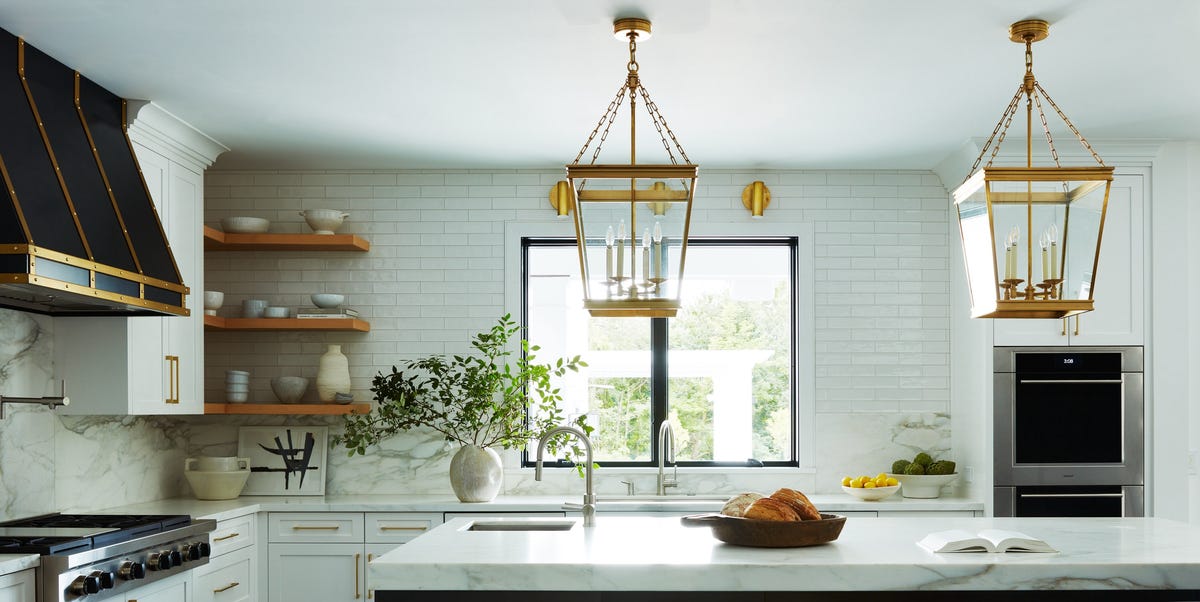
If 2026 had a signature backsplash power move, this would be it. Full-height slab backsplashes, often made from quartzite, quartz, marble, or another solid surface, are climbing the wall and claiming more visual territory. Instead of stopping at a short strip behind the countertop, the material often runs all the way to the bottom of the upper cabinets, the range hood, or even the ceiling.
The appeal is easy to understand. A slab backsplash looks seamless, upscale, and calm. It reduces grout lines, which means less visual interruption and less scrubbing with a toothbrush while asking your choices some difficult questions. It also creates a strong sense of continuity when the countertop material flows directly into the wall.
This trend works especially well in kitchens with dramatic veining, because the stone becomes artwork in its own right. In more restrained kitchens, a quieter slab can still add luxury through texture and finish rather than pattern. A honed or leathered surface, for example, makes the look feel softer and less formal.
Where it works best
Full-height slabs shine in modern, transitional, and high-end classic kitchens. They are especially effective around the range wall, where they create a tailored focal point.
What to watch
Budget matters here. Stone or solid-surface backsplashes cost more than standard tile. The smartest splurge is often to use the slab on one statement wall and keep the rest of the kitchen simpler.
2. Handmade and Zellige Tile Brings Back Soul
Smooth, machine-perfect tile is not disappearing, but 2026 is giving more love to materials with visible variation. Handmade ceramic, zellige, and other artisanal tiles are among the most talked-about backsplash choices because they bring depth, movement, and a less manufactured feel.
Zellige, in particular, has stayed relevant because it reflects light beautifully while still feeling earthy. Its subtle irregularities create a soft shimmer that changes throughout the day. Morning sun makes it glow. Evening task lighting makes it feel moodier. In other words, it has range.
Designers love this look because it warms up a kitchen without requiring a loud color palette. Even a white or cream handmade tile can feel far richer than a standard glossy rectangle. That is a big reason the biggest kitchen backsplash trends for 2026 lean artisanal rather than overly polished.
Where it works best
Handmade tile is ideal in kitchens that need texture more than contrast. Think warm white kitchens, light wood kitchens, or spaces with open shelving that benefit from a subtle reflective surface.
What to watch
Not every handmade tile is equally practical near heavy splatter zones. If you cook often, ask about sealing, texture, and maintenance before committing.
3. Warm Neutrals and Earthy Colors Are Replacing Stark White
The all-white kitchen is not vanishing overnight, but the backsplash palette is definitely warming up. Instead of icy white, cool gray, and high-contrast black-and-white combinations, pros are leaning toward cream, sand, mushroom, taupe, clay, olive, terracotta, and other earthy tones.
This does not mean every backsplash needs to look like it was inspired by a desert canyon at sunset. It simply means designers are prioritizing colors that feel grounded and welcoming. Warm neutrals pair beautifully with wood cabinetry, mixed metals, and natural stone, all of which remain strong in kitchen design.
Darker neutrals are also gaining traction. Charcoal browns, muddy greens, and moody taupes can make a kitchen feel collected and architectural without crossing into “surprise, you now live in a cave” territory. They are richer than plain beige but more flexible than a trendy bright color.
Why this trend has staying power
Warm shades tend to work with more materials over time. They are forgiving, layered, and easier to live with than harsh cool tones, especially in kitchens that open into living areas.
4. Hand-Painted and Heritage-Style Tiles Add Storytelling
One of the most charming backsplash trends for 2026 is the return of hand-painted, specialty, and heritage-inspired tile. This includes everything from Delft-style patterns to painterly botanicals, subtle motifs, and old-world-inspired pieces that feel collected rather than theme-y.
The key word here is selective. Designers are not necessarily covering every inch of wall in busy pattern. Instead, they are using decorative tile in ways that feel intentional: behind a range, framed within a niche, or mixed with simpler field tile. The result is personality without pandemonium.
This trend speaks to a larger movement toward homes that feel individual. After years of safe, highly marketable kitchens, people seem more willing to choose a backsplash that says something. Not a monologue. Just a smart little sentence.
How to make it look timeless
Choose a pattern that fits the architecture of the house. A heritage-style tile looks more convincing when it feels connected to the home’s bones rather than copied from a social media post at 1:12 a.m.
5. Fluted, Reeded, and Tactile Tile Is Adding Dimension
Flat tile still has plenty of life left, but textured surfaces are becoming a standout feature in 2026 kitchens. Fluted, reeded, and ridged tiles add a subtle three-dimensional effect that plays with light and shadow, making even a neutral backsplash feel special.
This is one of the smartest trends for people who want interest without a busy pattern. A fluted backsplash can feel modern, classic, or even slightly vintage depending on the tile material and layout. It also pairs well with today’s softer design direction, because the texture adds richness while the color can remain understated.
Another reason this trend is catching on is that it works with several materials. You can find fluted ceramic, porcelain, limestone-inspired tile, and even stone-look versions that deliver the effect without demanding a full custom budget.
Best uses
Vertical fluting can visually heighten a kitchen, while horizontal texture can make a narrow wall appear wider. It is especially striking when extended up to the cabinets or paired with open shelving.
6. Tone-on-Tone Grout and Simpler Layouts Feel More Current
Sometimes the trend is not the tile itself but how it is installed. In 2026, pros are favoring softer, more cohesive layouts over super-contrasty looks that can feel dated fast. Matching or closely matched grout is part of that shift.
High-contrast grout had a long, dramatic run, but it can stamp a backsplash with a very specific era. Tone-on-tone grout gives the tile room to shine without turning every joint line into a graphic event. It also tends to look cleaner and calmer, especially in open kitchens.
Classic shapes remain popular, particularly rectangular tile, but the layout is evolving. Beyond the traditional brick pattern, designers are using stacked vertical, stacked horizontal, and herringbone installations to make a familiar material feel new. This is good news for anyone who wants a fresh kitchen without betting the whole design on a risky shape.
7. Range Walls, Ledges, and Partial Backsplashes Are Getting More Architectural
Not every backsplash trend in 2026 is about covering more wall. Some are about using coverage more strategically. Designers are creating stronger focal points at the range wall, sometimes with a taller slab or tile field, and sometimes with a shorter stone backsplash finished with a useful ledge or shelf.
This approach feels thoughtful because it solves both aesthetic and functional needs. A ledge can hold oil, salt, art, or a tiny vase that makes you feel like the kind of person who casually keeps fresh branches in the kitchen. It also breaks up expanses of stone or tile in a way that feels custom.
Partial-height backsplashes are especially appealing in kitchens where homeowners want the elegance of stone without committing to full-wall coverage everywhere. When done well, the look feels tailored rather than unfinished.
How to Choose the Right Backsplash Trend for Your Kitchen
The smartest backsplash is not necessarily the trendiest one. It is the one that fits your kitchen’s architecture, your cleaning habits, your lighting, and your budget. A gorgeous handmade tile may be worth it in a lower-splatter area, while a solid-surface backsplash may be the better call behind a serious cooktop.
Start by looking at the permanent elements in your kitchen: countertop, cabinet color, flooring, and hardware. Then decide what role you want the backsplash to play. Should it blend in and add texture? Should it act as a focal point? Should it bring in warmth that the rest of the room lacks?
Also think about scale. In a small kitchen, a busy pattern can dominate quickly. In a large kitchen with lots of uninterrupted wall space, a simple backsplash may need texture or height to avoid feeling forgettable.
And always, always sample materials in your actual kitchen lighting. A backsplash that looks creamy and elegant in a showroom can read yellow, gray, or unexpectedly “dentist office” under different bulbs.
Backsplash Mistakes to Avoid in 2026
Even the best trends can go sideways when used without context. One common mistake is choosing a backsplash that fights the home’s style. A super-modern glossy tile may feel awkward in a traditional house, while an ornate patterned backsplash can feel forced in a minimalist space.
Another problem is chasing trends too literally. Because backsplash installations are not cheap to replace, it is wise to interpret a trend rather than copy it word for word. For example, instead of choosing a wildly specific color that may date quickly, you might use a warm neutral handmade tile that still nods to the artisanal movement.
Maintenance is the other major trap. White grout, highly uneven surfaces, and reflective materials all have their place, but they should be selected with open eyes. Your future self, standing there with a sponge after taco night, deserves a vote.
What It’s Actually Like to Live With These 2026 Backsplash Trends
Once the samples are returned, the installer leaves, and the kitchen reveal photos are over, the real test begins: living with the backsplash every day. This is where 2026’s biggest trends become more than pretty ideas. They become part of the rhythm of the room.
A slab backsplash, for example, tends to feel even better after install than it did on paper. Homeowners often love how calm it makes the kitchen look. There is less visual busyness, fewer grout lines to notice, and a more luxurious sense of flow from counter to wall. In a busy household, that simplicity can make the whole room feel more organized, even when real life is happening all over the island.
Handmade tile creates a different kind of experience. It feels softer, more relaxed, and more personal. The uneven surface catches light in a way that changes through the day, so the backsplash never looks flat or boring. People often describe these kitchens as warmer and more inviting, which is exactly why artisanal finishes are sticking around. The trade-off is that texture can also make crumbs, splashes, and grease a little more noticeable if the tile is very irregular or the grout is too light.
Textured and fluted tiles tend to surprise people in a good way. From a distance, they may read as simple, but up close they give the kitchen a subtle designer quality. They are the kind of detail guests notice while leaning on the counter with a drink, asking who designed the space. That said, homeowners quickly learn that lighting matters. Under-cabinet lighting can make fluting look incredible, while poor lighting can flatten the effect.
Warm neutrals also tend to age gracefully in real life. A cream, clay, or taupe backsplash usually feels less stark than bright white and more forgiving with everyday messes. It also helps the kitchen blend into the rest of the home, which matters in open layouts. Instead of feeling like a hard stop, the kitchen feels like part of the broader living space.
Decorative or hand-painted tile brings the most emotional payoff when it is used in moderation. A range alcove lined in character-rich tile can make daily cooking feel more special, even if dinner is just reheated pasta and a heroic amount of grated cheese. People do not just notice these backsplashes; they remember them. That is the real value of a good design choice. It turns a functional room into one with a point of view.
In the end, the best backsplash trends for 2026 are the ones that improve both the look and the lived experience of the kitchen. They make the room easier to enjoy, more expressive, and a little more forgiving of the beautiful mess that comes with actually using it.
Conclusion
The biggest kitchen backsplash trends for 2026 all point in the same direction: more warmth, more texture, and more individuality. Full-height slabs offer a seamless luxury look. Handmade and zellige tiles add soul. Fluted surfaces bring dimension. Warm neutrals, darker earthy tones, and heritage-inspired details make kitchens feel layered rather than lifeless. And thoughtful additions like ledges, range-wall moments, and tone-on-tone grout prove that even small choices can have a huge impact.
If you are planning a kitchen update this year, the goal is not to chase every trend at once. It is to choose the backsplash idea that makes your kitchen feel more like your kitchen: practical, polished, and just interesting enough to earn compliments before anyone even notices what is for dinner.

