
Beauty Unlocked
8 Foods High in Vitamin A
Jun
Note: This article is for general nutrition education only and should not replace personalized medical advice. People who are pregnant, managing a medical condition, or taking supplements should ask a qualified healthcare professional before making major changes.
Vitamin A is one of those nutrients that quietly does big things while other vitamins hog the spotlight. It supports healthy vision, helps the immune system do its bouncer-at-the-door routine, contributes to skin and cell growth, and plays a role in normal reproductive health. Not bad for a vitamin that mostly shows up wearing orange, green, or occasionally “liver brown.”
If you have ever heard that carrots help your eyes, there is truth hiding behind the old dinner-table legend. Carrots do not give you superhero night vision, sadly. No one is reading a menu in a cave because they ate baby carrots. But carrots and other colorful foods contain carotenoids, especially beta-carotene, which the body can convert into vitamin A. Animal foods, fortified dairy, and some fish provide preformed vitamin A, also called retinol, which the body can use more directly.
Vitamin A is measured in micrograms of retinol activity equivalents, usually written as mcg RAE. For adults and children age 4 and older, the Daily Value is 900 mcg RAE. As a practical rule, foods providing 20% or more of the Daily Value per serving are considered high sources. The good news: you do not need a complicated supplement shelf or a PhD in label reading. A colorful plate can do plenty of the heavy lifting.
What Does Vitamin A Do?
Vitamin A supports several everyday functions that are easy to ignore until they are not working well. It helps maintain the retina, the light-sensitive part of the eye, and is especially important for vision in low-light conditions. It also helps keep the skin and the tissues lining the mouth, digestive tract, and respiratory tract healthy. Think of those tissues as the body’s velvet rope: they help keep unwanted germs from strolling in like they own the place.
There are two main dietary forms. Preformed vitamin A, or retinol, comes from animal-based foods such as liver, eggs, fish, and fortified dairy. Provitamin A carotenoids, such as beta-carotene, come from plant foods, especially dark leafy greens and orange, red, or yellow fruits and vegetables. Because vitamin A is fat-soluble, eating carotenoid-rich vegetables with a little healthy fat, such as olive oil, avocado, nuts, seeds, or yogurt, may help your body absorb and use more of it.
8 Foods High in Vitamin A
1. Beef Liver
Beef liver is the heavyweight champion of vitamin A foods. A 3-ounce serving of pan-fried beef liver can provide about 6,582 mcg RAE, which is far above the Daily Value. That is impressive, but it also means liver is not a “more is always better” food. With vitamin A, more can become too much, especially when the source is preformed vitamin A.
For people who eat liver, a small portion now and then may be plenty. It is rich, intense, and nutritionally powerful enough to make a multivitamin feel underdressed. It also contains other nutrients, including iron, copper, and B vitamins. However, because liver is extremely high in vitamin A, pregnant people or those who may become pregnant should be careful and follow professional guidance.
2. Sweet Potatoes
A baked sweet potato with the skin is one of the most practical vitamin A foods you can put on a plate. One whole baked sweet potato can provide about 1,403 mcg RAE, or roughly 156% of the Daily Value. That is a lot of nutrition from a food that also happens to taste like comfort wrapped in an orange sweater.
Sweet potatoes get their color from carotenoids, including beta-carotene. They are also rich in fiber and fit into breakfast, lunch, dinner, or the “I need something warm and easy” category of life. Try a baked sweet potato with black beans and salsa, mashed sweet potato with cinnamon, or roasted sweet potato wedges with olive oil and paprika. Add a source of fat, and your body gets a better chance to absorb those carotenoids.
3. Spinach
Spinach may look modest, but cooked spinach is a vitamin A overachiever. A half cup of boiled frozen spinach provides about 573 mcg RAE, or around 64% of the Daily Value. Leafy greens are especially useful because they bring vitamin A precursors along with vitamin K, folate, magnesium, and other plant compounds.
One helpful trick: spinach shrinks dramatically when cooked. A mountain of raw leaves can become a polite little spoonful in minutes. That makes cooked spinach an easy way to increase nutrient density without feeling like you are chewing a lawn. Add it to omelets, soups, pasta, grain bowls, or smoothies. For a simple side dish, sauté spinach with garlic and olive oil, then finish with lemon juice. Fancy? No. Delicious? Yes. Efficient? Absolutely.
4. Carrots
Carrots are probably the most famous vitamin A food, and they earned the reputation. A half cup of raw carrots contains about 459 mcg RAE, or around 51% of the Daily Value. Their bright orange color is a visual clue that beta-carotene is present.
Carrots are also easy to use. Raw carrots work as a crunchy snack, shredded carrots disappear happily into salads, and roasted carrots become sweeter and softer with almost no effort. Cooking can help make some carotenoids more available because heat softens plant cell walls. That does not mean raw carrots are useless; it means both raw and cooked carrots deserve a seat at the table. Preferably not the seat where they roll onto the floor.
5. Pumpkin and Winter Squash
Pumpkin and winter squash belong in the vitamin A conversation because they are packed with carotenoids. While pumpkin pie is not exactly a daily nutrition strategy, pumpkin, butternut squash, acorn squash, and similar orange vegetables can be excellent choices when prepared simply.
Use pumpkin puree in oatmeal, soups, pancakes, pasta sauce, or chili. Roast butternut squash with olive oil, black pepper, and a pinch of salt. Blend cooked squash into soup with ginger and a splash of milk or coconut milk. These foods bring natural sweetness and creamy texture without needing much help. They also make your kitchen smell like autumn, which is not a nutrient but should probably count for something.
6. Herring and Other Oily Fish
Herring is a good animal-based source of vitamin A. A 3-ounce serving of pickled Atlantic herring provides about 219 mcg RAE, or 24% of the Daily Value. It also brings omega-3 fats, which makes it a strong choice for people who enjoy fish and want nutrient-dense protein.
Herring may not be everyone’s first pick, especially if your seafood comfort zone ends at “mild salmon in a polite lemon sauce.” Still, it deserves credit. Other fish, such as salmon and tuna, provide smaller amounts of vitamin A but can still contribute to an overall balanced eating pattern. Try herring with whole-grain toast, potatoes, cucumber, and a squeeze of lemon. It is bold, salty, and not shy about being itself.
7. Vitamin A-Fortified Milk
Fortified milk is a reliable everyday source of vitamin A. One cup of skim milk with added vitamin A and vitamin D provides about 149 mcg RAE, or 17% of the Daily Value. That falls just below the official “high” threshold, but it is still meaningful because milk is commonly consumed and easy to include in meals.
Fortified dairy can help people who do not regularly eat liver, fish, or large servings of orange vegetables. Use milk in oatmeal, smoothies, soups, or coffee drinks. Yogurt and cheese may also contribute smaller amounts, depending on the product. If choosing plant-based milk alternatives, check the Nutrition Facts label because fortification varies widely. Some are fortified with vitamin A; others show up nutritionally wearing flip-flops to a business meeting.
8. Cantaloupe
Cantaloupe is a refreshing fruit that contributes vitamin A through carotenoids. A half cup of raw cantaloupe provides about 135 mcg RAE, or 15% of the Daily Value. It is not as concentrated as sweet potatoes or spinach, but it is easy to enjoy and brings hydration, vitamin C, and natural sweetness.
Because cantaloupe is mild and juicy, it works well at breakfast, in fruit salads, with yogurt, or as a snack on hot days. Pair it with cottage cheese, Greek yogurt, or a handful of nuts to make it more filling. It is also a good reminder that vitamin A foods do not need to be complicated. Sometimes the smartest nutrition move is cutting up fruit before it becomes a sad science experiment in the back of the fridge.
How Much Vitamin A Do You Need?
Most adults need 700 to 900 mcg RAE per day, depending on sex and life stage. Pregnant and breastfeeding people have different needs, and children need different amounts based on age. The Daily Value used on U.S. food labels is 900 mcg RAE for adults and children age 4 and older, which helps shoppers compare foods quickly.
It is important to understand that plant-based vitamin A and animal-based vitamin A are not identical in how the body handles them. Preformed vitamin A from animal foods and supplements is more directly usable and can build up in the body if consumed in excessive amounts. Carotenoids from fruits and vegetables are converted as needed, though conversion rates vary from person to person. This is one reason a varied diet is smarter than betting everything on one food.
Can You Get Too Much Vitamin A?
Yes, especially from supplements or very high intakes of preformed vitamin A. Vitamin A is fat-soluble, so the body can store it. Taking high-dose supplements without medical guidance is not a great idea. It is the nutritional equivalent of saying, “I liked one umbrella, so I bought forty and filled my hallway.” More is not always better.
Eating carotenoid-rich fruits and vegetables is generally different from taking large doses of preformed vitamin A. Very high carotenoid intake can sometimes tint the skin yellow-orange, a harmless condition that usually improves when intake drops. Still, balance matters. A smart vitamin A strategy is not to eat only carrots until you resemble one. It is to rotate sweet potatoes, greens, squash, dairy, eggs, fish, fruit, and other nutrient-rich foods.
Easy Meal Ideas Using Vitamin A Foods
Breakfast Ideas
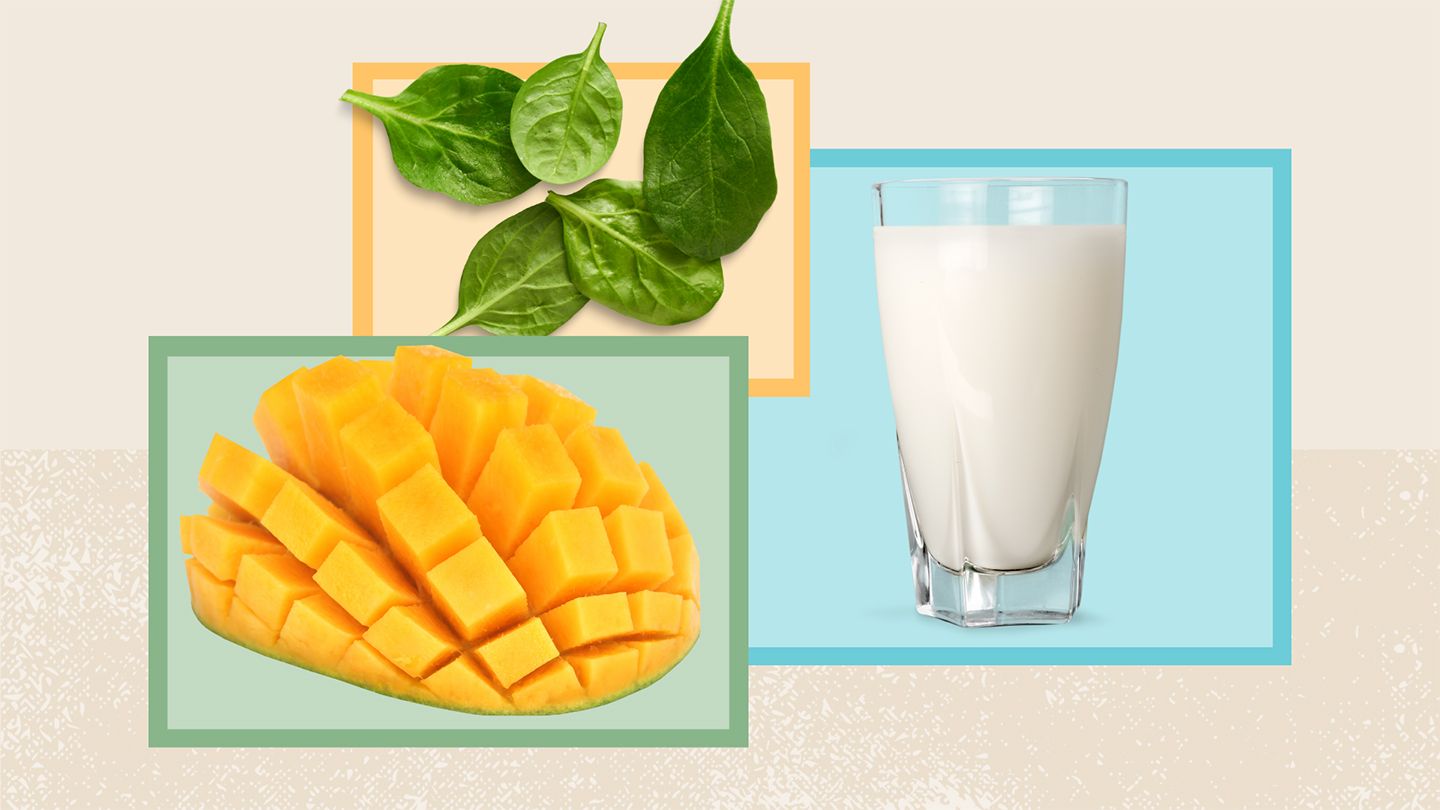
Start with pumpkin oatmeal made with fortified milk, cinnamon, and chopped walnuts. Or make scrambled eggs with spinach and a side of cantaloupe. A smoothie with Greek yogurt, mango, spinach, and a little nut butter can also work well, especially for people who do not want to face a fork before 8 a.m.
Lunch Ideas
Build a bowl with roasted sweet potatoes, spinach, chickpeas, avocado, and a lemon-tahini dressing. Add shredded carrots to wraps, sandwiches, or grain bowls for crunch and color. If you enjoy fish, try herring or salmon with potatoes, greens, and a simple yogurt sauce.
Dinner Ideas
Make butternut squash soup, spinach pasta, roasted carrots, or a baked sweet potato stuffed with beans and vegetables. These meals are colorful, filling, and friendly to both nutrition goals and actual human schedules. Not every dinner needs to be a masterpiece. Some nights, “hot, balanced, and not delivered in a cardboard box” is a victory parade.
Real-Life Experience: Making Vitamin A Foods Easier to Eat
The easiest way to eat more foods high in vitamin A is not to treat nutrition like a dramatic life makeover. Most people do better with small upgrades that fit normal routines. In real kitchens, the best food is not just the most nutritious food. It is the food that actually gets eaten before it wilts, dries out, or develops a personality in the vegetable drawer.
One useful experience-based strategy is to prep orange vegetables early in the week. Roasted sweet potatoes and carrots hold up well in the refrigerator and can be reused in several meals. On Sunday or Monday, roast a tray with olive oil, salt, pepper, and garlic powder. During the week, add them to eggs, salads, rice bowls, wraps, or quick dinners. This works because the hardest part is often not cooking; it is deciding what to cook when you are already hungry enough to negotiate with a bag of chips.
Another practical habit is keeping frozen spinach on hand. Fresh spinach is wonderful, but it has the emotional stability of a soap opera character. One day it is perky; the next day it is a damp green mystery. Frozen spinach is cheaper, lasts longer, and can be stirred into soups, stews, omelets, casseroles, and pasta sauce. Because cooked spinach is concentrated, even a small amount can add meaningful vitamin A value.
For families or picky eaters, texture matters. Some people dislike cooked carrots but enjoy them raw with hummus. Others reject plain sweet potatoes but love crispy roasted wedges. Pumpkin may be ignored as a vegetable but welcomed in muffins, pancakes, or chili. The lesson is simple: do not give up on a nutrient-rich food after one boring preparation. A vegetable steamed into sadness is not the vegetable’s final form.
Pairing vitamin A foods with a little fat also makes meals more satisfying. Spinach with olive oil, carrots with hummus, sweet potatoes with avocado, and cantaloupe with yogurt are all easy combinations. This is not about drowning vegetables in heavy sauces. It is about building a plate that tastes good and helps the body absorb fat-soluble nutrients.
Finally, variety keeps vitamin A intake balanced. Liver is extremely rich, but it is not necessary for everyone. Sweet potatoes, spinach, carrots, squash, cantaloupe, fortified milk, eggs, and fish can all contribute in different ways. A colorful weekly menu is more realistic than a perfect one-day plan. Nutrition works best when it feels less like a punishment and more like a set of small, repeatable wins.
Conclusion
Foods high in vitamin A can be simple, colorful, and genuinely enjoyable. Sweet potatoes, spinach, carrots, pumpkin, herring, fortified milk, cantaloupe, and beef liver each offer a different way to support vitamin A intake. Some provide preformed vitamin A, while others provide carotenoids that the body can convert. The smartest approach is balance: choose a variety of plant and animal foods if they fit your diet, include a little healthy fat with carotenoid-rich produce, and be cautious with high-dose supplements or very high-retinol foods.
Vitamin A is important, but it does not need to be complicated. Fill your plate with deep orange vegetables, dark leafy greens, some fortified foods, and nutrient-rich proteins, and you are already moving in the right direction. Your eyes, immune system, and dinner plate will all appreciate the upgrade.

