
Beauty Unlocked
5 Best Pizza Stones of 2024 – Top-Rated Pizza Steels and Pans
Jun
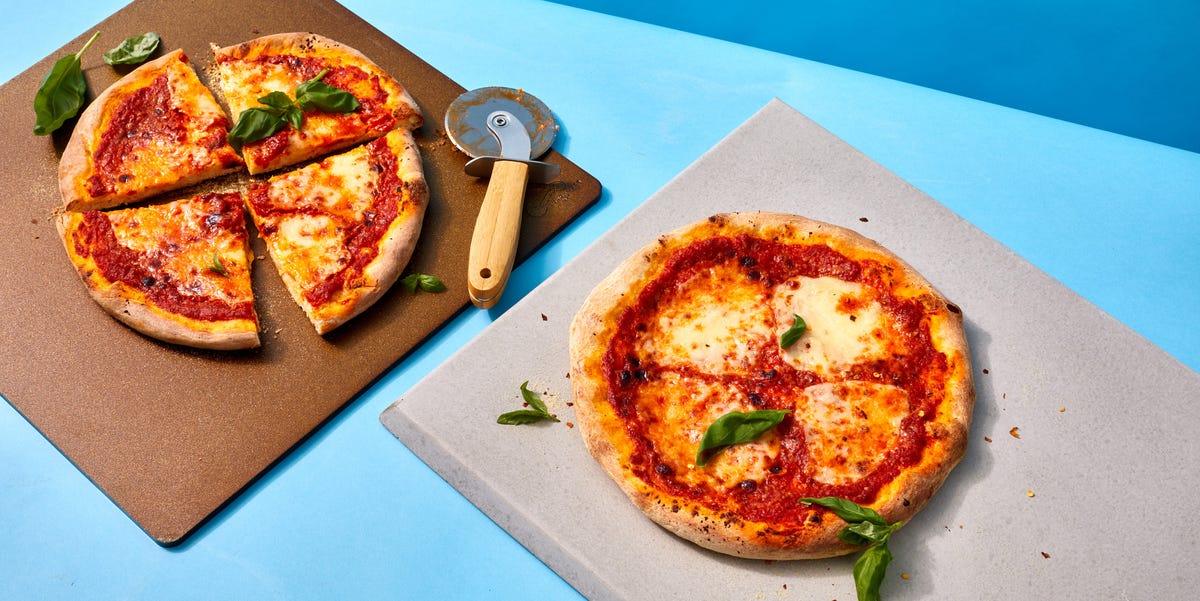
If your homemade pizza has ever come out looking like it needed emotional support, your baking surface may be the problem. Great dough matters. Good sauce matters. Fresh mozzarella matters. But if the bottom of your pizza never gets that golden, crisp, lightly blistered finish, the culprit is often the same old weak link: a regular sheet pan that simply cannot deliver enough heat fast enough.
That is why pizza stones, pizza steels, and cast-iron pizza pans continue to earn a permanent spot in serious home kitchens. They store heat, deliver it directly to the dough, and help mimic what commercial pizza ovens do so well. In plain English: they give you fewer pale bottoms, fewer sad soggy centers, and more of that “wait, I made this at home?” energy.
For this guide, I looked at review consensus, real product specs, performance notes, durability, ease of use, and overall value to narrow the field to the five best pizza stones, steels, and pans worth your attention in 2024. Since not every pizza lover wants the same thing, this list includes traditional stones, heavy-hitting steels, and one cast-iron pan that deserves a standing ovation and possibly its own theme music.
Why a pizza stone, steel, or pan makes such a big difference
A home oven usually does not get as blisteringly hot as a restaurant pizza oven. That means your baking surface has to do more of the heavy lifting. A quality pizza stone or steel absorbs heat during preheating, then releases it into the dough the moment your pie lands. That quick transfer helps set the crust, reduce sogginess, and encourage browning.
But the material changes the experience. Pizza steels tend to heat the dough more aggressively, so they are excellent for crisp New York-style pies, thin crust pizzas, and back-to-back baking. Stones usually heat more gently and evenly, which many bakers love for bread as well as pizza. Cast iron sits in the middle like the practical overachiever of the group: durable, versatile, and ready for far more than Friday night pepperoni duty.
In other words, there is no single “best” surface for every cook. There is only the best one for your oven, your pizza style, your patience level, and your willingness to lift something that weighs about as much as a medium bowling ball.
How I chose the best pizza stones, steels, and pans of 2024
To rank these picks, I prioritized five things:
- Crust performance: Does it deliver crisp bottoms, solid browning, and good heat recovery?
- Durability: Can it handle repeated high-heat use without cracking, warping, or becoming a maintenance drama queen?
- Size and usability: Is there enough surface area to launch pizza without holding your breath?
- Versatility: Can it also handle bread, flatbreads, reheating, or other high-heat cooking jobs?
- Value: Does the performance justify the price, weight, and upkeep?
That process led to a clear pattern. If you want maximum browning and faster recovery, a steel is hard to beat. If you want a more traditional baking surface and better value for mixed baking tasks, a stone is still a great choice. If you want one tool that can handle pizza and a lot more, cast iron makes a compelling case.
The 5 best pizza stones, steels, and pans of 2024
1. Baking Steel Original Best Overall Pizza Steel
If you want the pick that most consistently earns respect from pizza nerds, testers, and home bakers, the Baking Steel Original is it. This is the product that helped make pizza steels mainstream, and it still holds its spot because it does the core job exceptionally well: getting the bottom of your pizza deeply browned and crisp in a regular home oven.
What makes it special is the same thing that makes it heavy enough to make you mutter under your breath while moving it: solid steel. Once fully preheated, it delivers intense, steady heat that helps create airy oven spring, attractive char, and a crust with real crunch instead of polite disappointment. It is especially strong for thin-crust pies, New York-style pizza, and anyone who wants faster bake times than most stones can manage.
The tradeoff is obvious. This thing is not light, and it is not cheap compared with many entry-level stones. It also needs a little care to prevent rust, much like cast iron. Still, if performance is your top priority, the Baking Steel Original remains the standard bearer.
Best for: Serious home pizza makers, thin-crust fans, repeat pizza nights, and anyone who wants pro-level browning from a standard oven.
2. FibraMent-D Rectangular Baking Stone Best Premium Pizza Stone
If you want a true pizza stone rather than a steel, the FibraMent-D Rectangular Baking Stone is the premium pick that keeps showing up near the top for good reason. It is large, substantial, and designed for bakers who care about even heat, strong retention, and a generous landing zone for pizza dough.
FibraMent stones have built a loyal following because they feel like a serious upgrade from basic ceramic options. The surface is roomy, which makes launching easier and less terrifying, especially if your peel skills are still in the “please don’t fold in half” stage. It also performs beautifully for hearth breads, which gives it extra value beyond pizza.
This is the stone for people who want a classic stone-baked result with less of the fragility and inconsistency associated with bargain-bin alternatives. The downside is that it is heavy, pricey, and not always a universal fit for smaller ovens. It also requires more patience up front, because thicker stones need a proper preheat to shine.
Best for: Bread bakers, traditionalists, larger ovens, and home cooks who want a premium stone with serious thermal mass.
3. Lodge 15-Inch Seasoned Cast Iron Pizza Pan Best Pizza Pan for Value and Versatility
The Lodge 15-Inch Seasoned Cast Iron Pizza Pan is the overachiever of the group. It may not look as flashy as a thick steel slab or a boutique baking stone, but it offers something many home cooks actually need: excellent heat retention, reliable crisping, and far more versatility than a one-job wonder.
Because it is cast iron, it holds heat beautifully and stays hot while you work. That helps with browning and creates a nice, crisp crust, especially for pan pizza, bar-style pizza, and thinner round pies. It is also naturally durable. You do not have to baby it the way you might with a stone, and you can use it for other kitchen tasks when pizza night is over.
Roasted vegetables? Sure. Flatbreads? Absolutely. Reheating leftovers so they taste alive again? Also yes. Dual handles make maneuvering easier, though it is still a hefty piece of cookware. If you like the idea of buying one tool that earns its keep all year long, Lodge makes a persuasive argument.
Best for: Budget-minded cooks, cast-iron fans, pan pizza lovers, and anyone who wants one purchase to do more than one thing well.
4. Unicook Cordierite Pizza Stone Best Traditional Pizza Stone for Most Home Cooks
The Unicook Cordierite Pizza Stone is the smart pick for most people who want the classic pizza-stone experience without paying premium-stone money. It has become a favorite because it offers a strong balance of size, heat retention, and value.
Cordierite is popular for a reason. It handles high temperatures, tolerates thermal stress better than many cheap materials, and helps draw moisture away from the dough so the crust can crisp up properly. In practice, that means better pizza than a plain sheet pan and fewer regrets after checkout.
The Unicook is especially appealing for beginners because it feels straightforward. Preheat it well, dust your peel properly, and you are in business. It is also useful for bread and flatbreads, making it a nice entry point for anyone exploring better home baking in general.
The downsides are typical stone downsides: it can stain, it should not be washed with soap, and it does not recover heat as aggressively as a steel. But for most home cooks, especially those making one or two pizzas at a time, that is a perfectly reasonable compromise.
Best for: Beginners, casual pizza makers, bread bakers, and shoppers who want strong performance without premium pricing.
5. Dough-Joe Samurai Pizza Steel Best for Back-to-Back Pizzas
If your idea of a successful weekend involves making multiple pizzas in a row while everyone hovers in the kitchen pretending they are “just helping,” the Dough-Joe Samurai Pizza Steel is a fantastic choice. This steel has built a strong reputation for holding onto heat and recovering fast enough to keep the pizzas coming.
That matters more than many people realize. Some surfaces do well on pizza number one, then fade on pizza number two and act downright sleepy by pizza number three. The Dough-Joe Samurai is better suited to repeated use, which makes it especially appealing for families, entertaining, and anyone who does not want long waiting periods between pies.
Its square shape will not be everyone’s favorite, particularly if you prefer more wiggle room during launch. Still, if your priority is consistent results across multiple bakes, this steel deserves its place near the top. It also tends to offer better value than some premium-name alternatives while delivering very similar real-world results.
Best for: Families, frequent hosts, pizza parties, and impatient hungry people who do not enjoy “just five more minutes” repeated twelve times.
Which type should you buy: stone, steel, or pan?
Buy a pizza steel if your dream crust is crisp, dark, and aggressively well-browned. A steel is ideal for thin crust, New York-style pizza, and frequent baking sessions.
Buy a pizza stone if you want a more traditional surface, a lower price, and a tool that also shines with bread. Stones are great for home bakers who do not need rapid-fire recovery between pies.
Buy a cast-iron pizza pan if you want versatility, durability, and strong value. Cast iron is a great middle path and a particularly smart option for cooks who make pizza sometimes, but also want a pan that can handle plenty of non-pizza work.
Tips for getting the best results from any pizza surface
Preheat longer than you think you need to
This is the most common mistake. A surface that feels hot is not necessarily fully heat-soaked. Give stones and steels enough time to absorb heat all the way through. Rushing this step is how good dough becomes a floppy life lesson.
Use a little less topping than your heart wants
Yes, I know. But overloaded pizza is the enemy of a crisp crust. Too much sauce, too much cheese, and too many toppings can make even great equipment struggle.
Flour or semolina is your friend
A lightly dusted peel helps the dough slide instead of cling. If the pizza sticks before launch, the oven will sense fear.
Let the surface cool naturally
Do not shock a hot stone with cold water. Do not rush a steel into a damp sink. Let the material come down in temperature on its own, then clean it according to the manufacturer’s care instructions.
Real-world pizza experiences: what these tools actually feel like in use
Reading product specs is helpful, but the real difference between a stone, a steel, and a pan becomes obvious during actual pizza night. The first thing most people notice is confidence. With a good baking surface, you stop wondering whether the bottom will cook through. You start paying attention to timing, toppings, and dough handling instead of silently panicking about raw centers.
A traditional stone usually creates the calmest experience. Once it is fully preheated, it feels forgiving. The crust sets steadily, the pie colors nicely, and the bake often feels balanced. It is the surface that makes people say, “This tastes more like real pizzeria pizza,” especially if they are upgrading from a basic metal tray. Stones also have a way of making bread bakers happy because they are not single-purpose gadgets. One week it is pizza, the next week it is rustic boules and flatbreads. That kind of versatility tends to justify the cabinet space.
A steel, on the other hand, feels more dramatic in the best possible way. It is the difference between a firm handshake and a rock concert. You launch the pizza, and suddenly the bottom crust gets serious. Browning happens faster. Blistering shows up more confidently. If you have ever wanted your home oven to stop acting like a polite toaster and start behaving a little more like a pizza shop, a steel changes the mood fast.
The catch is that steels are less forgiving of sloppy timing. Leave a pizza on too long and the bottom can move from “beautifully charred” to “this slice tastes like a campfire memory.” But once you learn your oven and your dough, the results can be spectacular. They are especially satisfying for people who make pizza often enough to appreciate faster recovery between pies.
Cast iron creates a different kind of joy. It feels sturdy, practical, and reliable. It is the kind of tool that makes you want to keep experimenting. One night you make thin-crust pizza. The next night you try a thicker tavern-style pie. Then you use the same pan to roast vegetables or crisp up leftovers. That flexibility matters in a real kitchen, because not everyone wants to buy a specialized pizza tool that only leaves the cabinet once a month.
The biggest shared experience across all three surfaces is this: once you start using one regularly, it becomes very hard to go back to a standard sheet pan. The crust difference is not imaginary. The texture is better, the browning is better, and the entire pizza feels more intentional. Even frozen pizza gets a noticeable glow-up. It is one of those kitchen upgrades that sounds slightly nerdy until you try it, and then suddenly you are the person explaining thermal mass to unsuspecting dinner guests.
And honestly, that may be the best part. A good pizza stone, steel, or pan does not just improve your food. It makes homemade pizza more fun. You experiment more. You invite people over more. You start talking about hydration and fermentation like you have always lived this life. It is a slippery, flour-dusted slope, but a delicious one.
Final verdict
If I had to recommend just one product to the widest range of serious pizza lovers, I would go with the Baking Steel Original. It delivers the most dramatic upgrade in crust quality and remains a top choice for home cooks chasing pizzeria-style results.
If you prefer a traditional stone, the FibraMent-D Rectangular Baking Stone is the best premium option, while the Unicook Cordierite Pizza Stone is the best traditional value pick for most households. If versatility matters most, the Lodge 15-Inch Seasoned Cast Iron Pizza Pan is a terrific buy. And if your kitchen regularly turns into a pizza assembly line, the Dough-Joe Samurai Pizza Steel is built for the job.
No matter which route you choose, one thing is clear: better pizza at home is not magic. It is heat, timing, and a surface that finally pulls its weight.
SEO Tags

