
Beauty Unlocked
Red vs. Green Jalapeños: Which One Packs More Heat And Why
Jun
Jalapeños look innocent enough sitting in the produce bin, glossy and cheerful like tiny green submarines. Then you slice one into salsa, take a proud bite, and suddenly your mouth is hosting a tiny mariachi band made entirely of fire. But here is the spicy question: when it comes to red vs. green jalapeños, which one actually packs more heat?
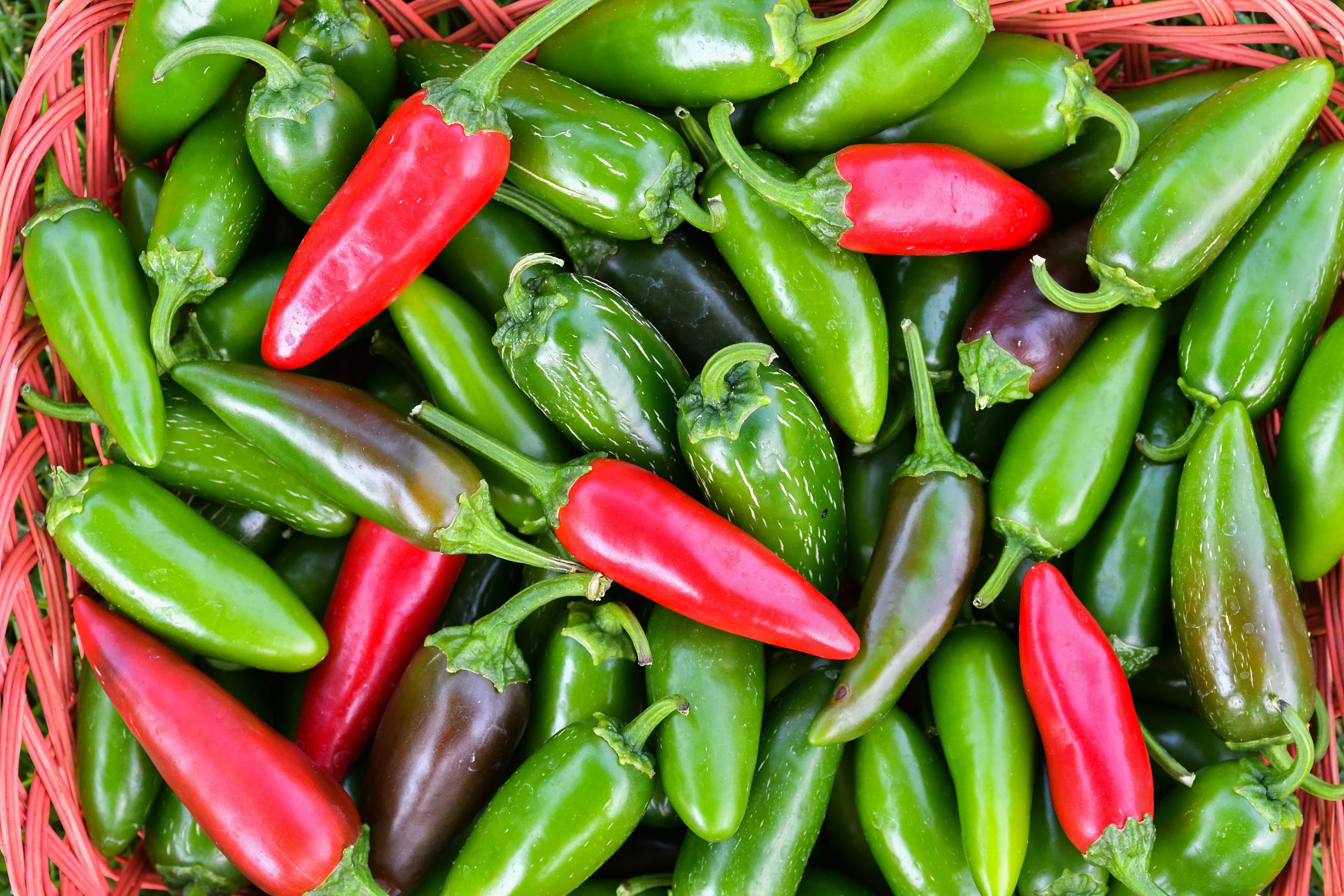
The quick answer: red jalapeños are usually hotter than green jalapeños, but not always. Red jalapeños are simply green jalapeños that have stayed on the plant longer and fully ripened. During that extra time, their flavor becomes sweeter, fruitier, and often more developed. Their heat may also intensify because capsaicinthe natural compound responsible for chile pepper burnhas had more time to build up. However, pepper heat is a dramatic little character. Variety, weather, water stress, soil, age, and even the individual pepper can change the final fire level.
In other words, color matters, but it is not the whole courtroom testimony. A stressed green jalapeño can be hotter than a relaxed red one. A red jalapeño from a mild cultivar may be friendlier than a green pepper from a fiery plant. Jalapeños are delicious, but they are not always predictable. That is part of their charmand part of why smart cooks taste before they toss a handful into the guacamole.
What Is the Difference Between Red and Green Jalapeños?
The biggest difference is ripeness. Green jalapeños are harvested before they fully mature. They are firm, crisp, grassy, bright, and mildly bitter in a pleasant way. They are the classic jalapeños you see on nachos, in fresh salsa, on burgers, and packed into jars as pickled rings.
Red jalapeños are the mature version. Given more time on the plant, green jalapeños gradually turn red. This extra ripening changes their taste, texture, color, and sometimes their heat. Red jalapeños tend to be sweeter, softer, fruitier, and a little earthier. They are excellent in hot sauces, roasted salsas, marinades, and smoky preparations. When red jalapeños are smoked and dried, they become chipotle peppersthe dark, wrinkly flavor bombs that make sauces taste like they spent the weekend at a barbecue festival.
Green Jalapeños: Fresh, Crisp, and Bright
Green jalapeños are the everyday workhorse of American kitchens. Their flavor is sharp and fresh, with a clean vegetal bite. They add crunch to tacos, sparkle to pico de gallo, and a friendly kick to cornbread, queso, chili, and deviled eggs. Because they are picked earlier, they usually taste less sweet than red jalapeños.
Heat-wise, green jalapeños commonly fall in the mild-to-moderate chile range. They can be gentle enough for casual snacking or hot enough to make you reconsider your life choices. That range is exactly why two peppers from the same grocery bag can behave like totally different roommates.
Red Jalapeños: Sweeter, Riper, and Often Hotter
Red jalapeños have had more time to mature, so their flavor becomes rounder and sweeter. The bright green snap softens into a deeper, fruitier pepper taste. They are less common in many supermarkets because growers often harvest jalapeños green for faster production, longer firmness, and the familiar look shoppers expect.
When you can find red jalapeños, grab them for recipes where sweetness and color matter. They shine in roasted salsa, fermented hot sauce, pepper jelly, chili paste, and grilled dishes. Their heat can feel slightly warmer and more lingering than green jalapeños, though the final burn still depends on the individual pepper.
So, Which Jalapeño Is Hotter: Red or Green?
Red jalapeños are generally hotter than green jalapeños from the same plant or variety. The reason is simple: red jalapeños are older. As a jalapeño matures, capsaicin may continue to develop, especially in the inner white ribs. The pepper also loses some of its green bitterness and gains sweetness, which can make the heat feel fuller and more balanced.
However, “generally” is doing important work here. Pepper heat is not a perfect color chart. A red jalapeño does not automatically outrank every green jalapeño in the world. Think of color as a clue, not a legal contract.
The Scoville Scale Explained Without the Science Headache
The Scoville scale measures the heat of chile peppers in Scoville Heat Units, often shortened to SHU. Jalapeños are commonly listed around 2,500 to 8,000 SHU, though real-world peppers may fall above or below depending on the cultivar and growing conditions.
For comparison, bell peppers sit at 0 SHU, because they are sweet little pacifists. Serrano peppers usually run hotter than jalapeños, while habaneros are in a completely different leaguethe kind of league where your forehead starts sweating before the second bite.
The Scoville number gives cooks a helpful estimate, but it does not tell you exactly how one pepper in your fridge will behave. Jalapeños vary widely. That is why experienced cooks often taste a tiny piece before adding the whole pepper to a recipe.
Why Red Jalapeños Can Be Hotter
The heat difference comes down to ripening, capsaicin, and plant stress. A jalapeño does not turn red because it is angry, although after one bite you might disagree. It turns red because pigments change as the fruit matures. During that process, sugars increase, flavor deepens, and capsaicin may become more concentrated.
1. Red Jalapeños Stay on the Plant Longer
A green jalapeño is usually mature enough to eat but not fully ripe. A red jalapeño has stayed on the plant longer. More time on the vine can mean more developed flavor and, often, more developed heat. The pepper has had extra days or weeks to build character, like a tiny spicy novelist.
2. Capsaicin Builds in the Inner Ribs
Capsaicin is concentrated mainly in the pale inner membrane, often called the ribs or pith. The seeds themselves do not produce most of the heat, but they sit against the hot membrane and can become coated with capsaicin. That is why removing both seeds and ribs makes a jalapeño milder.
If you want jalapeño flavor without maximum fire, slice the pepper open and scrape out the white ribs with a spoon. If you want the full spicy experience, leave them in. Your tacos will notice. So will your sinuses.
3. Stress Can Turn Up the Heat
Growing conditions affect capsaicin production. Heat, drought, inconsistent watering, strong sunlight, pest pressure, and general plant stress can make hot peppers hotter within their genetic limits. This is why a green jalapeño grown under stressful conditions may out-burn a red jalapeño grown in comfort.
Think of the pepper plant as a tiny artist. A little struggle can produce intensity. Too much stress, however, can damage plant health and reduce yield. Gardeners should not torture their peppers in the name of salsa. That is bad gardening and worse pepper parenting.
Flavor Comparison: Red vs. Green Jalapeños
Heat is only part of the story. Flavor may matter even more, depending on the dish. Green and red jalapeños can often be swapped, but they do not create the same result.
Green Jalapeño Flavor
Green jalapeños taste crisp, grassy, tangy, and fresh. They are ideal when you want brightness. Use them in raw salsa, pickled jalapeños, nachos, tacos, guacamole, salads, and sandwiches. Their crunch and green bite help cut through cheese, meat, sour cream, and fried foods.
Red Jalapeño Flavor
Red jalapeños taste sweeter, fruitier, and more mellow. They are excellent in cooked recipes because their sweetness deepens when roasted, grilled, fermented, or blended. Red jalapeños are perfect for hot sauce, smoky salsa, chili, barbecue glaze, marinades, and pepper jelly.
If green jalapeños are a bright guitar riff, red jalapeños are the bass line: deeper, warmer, and still capable of shaking the room.
How to Choose the Right Jalapeño for Your Recipe
Choosing between red and green jalapeños depends on the flavor and heat you want. Both are useful, but they have different personalities.
Use Green Jalapeños When You Want:
- Fresh crunch in tacos, nachos, and sandwiches
- A grassy, bright pepper flavor
- Classic pickled jalapeño rings
- Fresh salsa or pico de gallo
- A familiar medium heat level
Use Red Jalapeños When You Want:
- A sweeter and fruitier pepper flavor
- More color in sauces and salsas
- A deeper heat that may feel slightly stronger
- Roasted, grilled, smoked, or fermented recipes
- Homemade hot sauce or chipotle-style flavor
How to Tell If a Jalapeño Will Be Hot
Color is one clue, but it is not the only clue. When shopping or harvesting, look at the pepper’s skin, firmness, size, and condition.
Look for Corking
Corking refers to the tan or white stretch marks sometimes seen on jalapeño skin. Many cooks and gardeners consider corking a sign that the pepper is mature and possibly hotter. It does not mean the pepper is bad. In fact, some chile fans seek out corked jalapeños like treasure hunters looking for spicy gold.
Check the Color
Deep green jalapeños often have more mature flavor than very pale green ones. Red jalapeños are fully ripe and may carry more sweetness and heat. If you want a milder pepper, choose smooth, firm, bright green jalapeños with fewer marks.
Smell and Taste Carefully
A fresh jalapeño should smell clean and peppery. To test heat, cut a tiny piece from the tip, which is usually milder than the area near the stem and ribs. Taste carefully. Do not perform a heroic full-pepper bite unless you enjoy culinary jump scares.
How to Reduce Jalapeño Heat
If your jalapeños are hotter than expected, do not panic. You have options.
Remove the Ribs and Seeds
The most effective method is to remove the inner white ribs and seeds. This keeps the jalapeño flavor but reduces the burn. Wear gloves if you are handling several peppers, especially if you have sensitive skin.
Pair Jalapeños With Fat, Acid, or Sweetness
Dairy, avocado, oil, cheese, sour cream, and yogurt can soften the impact of capsaicin. Acidic ingredients like lime juice or vinegar brighten the pepper flavor and can make the heat feel cleaner. A little sweetness, such as honey or roasted tomato, can balance sharper heat in sauces.
Cook Them
Cooking can mellow the raw bite of jalapeños and blend their heat into the dish. Roasting, grilling, and sautéing bring out sweetness, especially in red jalapeños. Pickling adds tang and makes the pepper feel sharper but often easier to control in small amounts.
Can You Substitute Red Jalapeños for Green Jalapeños?
Yes, you can substitute red jalapeños for green jalapeños in most recipes. Just expect a sweeter flavor, softer texture, and potentially more heat. In raw recipes, red jalapeños may taste less crisp and more fruity. In cooked recipes, they often work beautifully.
If a recipe depends on the fresh, grassy snap of green jalapeñossuch as pico de gallo or crunchy nacho toppingsgreen is the better choice. If the recipe is blended, roasted, fermented, or simmered, red jalapeños may be even better.
Are Red Jalapeños Healthier Than Green Jalapeños?
Both red and green jalapeños can be part of a healthy diet. Jalapeños are low in calories and provide vitamins, including vitamin C. Red jalapeños may contain more developed pigments and sweetness due to ripening, while green jalapeños offer crisp texture and bright flavor.
The healthiest choice depends less on color and more on how you prepare them. Fresh jalapeños in salsa? Great. Jalapeños buried under a mountain of fried cheese? Still delicious, but let us not pretend the pepper is doing all the nutritional heavy lifting.
Safety Tips for Handling Jalapeños
Capsaicin can irritate skin, eyes, and sensitive areas. If you are cutting several jalapeños, wear gloves. Wash your hands, knife, and cutting board thoroughly after handling peppers. Keep fresh produce separate from raw meat, poultry, and seafood to avoid cross-contamination.
And please, for the love of dinner, do not rub your eyes after chopping jalapeños. That is not a cooking technique. That is a regret.
Kitchen Experiences: What Red and Green Jalapeños Teach You in Real Life
After cooking with jalapeños often enough, you learn that these peppers have personalities. Green jalapeños are reliable in the way a good pair of sneakers is reliable. They show up, add crunch, bring a little heat, and do not demand too much attention. Toss them into scrambled eggs, slice them onto pizza, dice them into tuna salad, or pickle them with vinegar, salt, garlic, and a pinch of sugar. They behave beautifully in everyday food.
Red jalapeños feel more like a special ingredient. They are not always available, so finding them can feel like spotting a rare bird at the grocery store. When roasted, they turn soft, sweet, and fragrant. Blend them with garlic, vinegar, salt, and a little honey, and you get a simple hot sauce that tastes more layered than anything that took ten minutes has any right to taste. Add smoked paprika, and suddenly your blender thinks it owns a barbecue pit.
One of the best ways to compare them is to make two small salsas. For the first, use chopped green jalapeño, tomato, onion, cilantro, lime juice, and salt. It will taste crisp and lively, the kind of salsa that wakes up a taco like an alarm clock with manners. For the second, roast red jalapeños with tomatoes and garlic, then blend everything with lime and salt. That salsa will taste warmer, sweeter, and deeper. It may not punch first, but the heat tends to linger longer.
Another real-world lesson: never assume every jalapeño in a batch is the same. You may dice one pepper and wonder if it forgot to be spicy. Then you taste the next one and immediately begin negotiating with a glass of milk. This is why tasting matters. Professional cooks do it. Home cooks should too. A tiny nibble before adding peppers to a dish can save your salsa from becoming either boring or legally classified as dragon fuel.
For family meals, green jalapeños are often easier to control. Remove the ribs and seeds, mince the flesh finely, and the heat spreads gently through the dish. For hot sauce lovers, red jalapeños are more exciting. Their sweetness balances vinegar and salt, creating a sauce that feels complete without needing much else. Fermented red jalapeños are especially good because fermentation adds tang and depth while preserving that ripe pepper flavor.
The biggest takeaway from experience is this: use green jalapeños when you want freshness and snap; use red jalapeños when you want sweetness, color, and a more mature heat. Neither one is “better” in every situation. They are two stages of the same pepper with different strengths. The smart cook keeps both in mind and lets the recipe decide.
Conclusion: Red Jalapeños Usually Bring More Heat, But Flavor Wins the Day
In the battle of red vs. green jalapeños, red jalapeños usually pack more heat because they are fully ripe and have had more time to develop capsaicin. They also taste sweeter, fruitier, and deeper. Green jalapeños are usually brighter, crisper, and more familiar, with a fresh bite that works beautifully in raw and pickled recipes.
Still, jalapeño heat is influenced by variety, growing conditions, stress, maturity, and the amount of inner rib left in the pepper. Color is a helpful clue, not an absolute rule. If heat matters, taste before you cook. If flavor matters, choose the color that fits the dish. And if you accidentally make the salsa too spicy, congratulationsyou have invented a very effective way to keep people from double-dipping.

